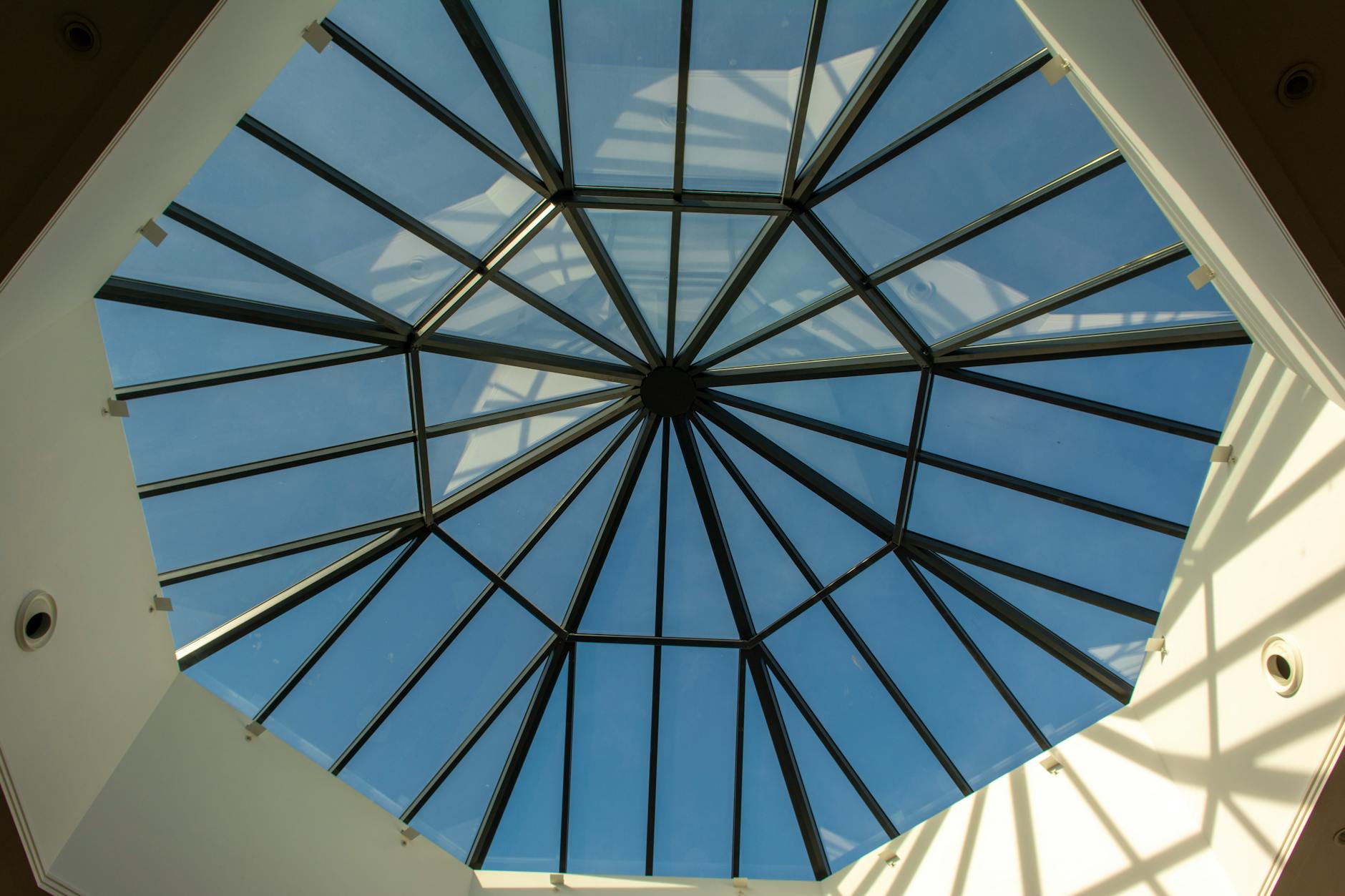

Alaska’s six-million-acre wilderness playground just got a luxury upgrade that would make even the hardiest outdoor enthusiasts reconsider camping in sub-zero temperatures. Denali National Park has unveiled a series of heated glass viewing domes designed to offer visitors unobstructed views of North America’s tallest peak while staying comfortably warm in temperatures that regularly drop below negative 20 degrees Fahrenheit.
The transparent structures, positioned at strategic viewpoints along the park’s 92-mile road system, represent a significant shift in how national parks balance wilderness preservation with visitor comfort. Each dome accommodates up to eight visitors and features climate-controlled interiors, ensuring that aurora viewing and wildlife observation can continue year-round without the traditional Alaskan elements becoming a barrier to enjoyment.
Engineering Winter Comfort in America’s Last Frontier
The viewing domes utilize double-paned thermal glass technology originally developed for arctic research stations. Each 12-foot diameter structure maintains interior temperatures around 65 degrees while offering 360-degree visibility. The heating systems run on renewable energy sources, including solar panels that capture limited winter sunlight and geothermal heating tapped from the earth’s natural warmth.
Park engineers worked with glass manufacturers to create panels that resist fogging and ice formation, crucial features when exterior temperatures can swing from 70 degrees in summer to negative 40 degrees during winter months. The structures include emergency communication systems and are accessible via heated walkways from nearby parking areas.
Installation required helicopter transport to remote viewing locations, with construction teams working during the brief summer window when weather conditions permitted heavy equipment access. The domes are designed to withstand winds up to 100 miles per hour and heavy snow loads that can exceed several feet during winter storms.
Prime Locations for Alaska’s Natural Theater
Three domes are currently operational at key locations along the Denali Park Road. The first sits at Mile 15, offering views toward Mount McKinley when weather conditions permit visibility. The second dome, positioned at Mile 43, provides optimal wildlife viewing opportunities in the Teklanika River area where caribou, wolves, and grizzly bears frequently travel.
The third structure occupies a ridgeline position at Mile 62, strategically placed for aurora borealis viewing during the long winter nights when darkness can last up to 20 hours. This location also serves as a warming station for winter activities like cross-country skiing and snowshoeing along maintained trail systems.

Each dome features educational displays about local wildlife, geological formations, and indigenous Koyukon culture. Interactive tablets provide real-time weather updates, aurora forecasts, and wildlife tracking information collected from research teams working throughout the park. Visitors can reserve specific time slots during peak viewing periods, particularly during aurora season from September through March.
Expanding Alaska’s Tourism Season
The heated viewing structures address a significant challenge facing Alaska’s tourism industry: the traditional summer-only visitor season. While most tourists visit between May and September, the domes enable year-round operations that could extend the economic benefits of tourism into winter months when northern lights displays peak and wildlife viewing offers different opportunities.
Winter visitors can now observe how animals adapt to extreme cold, witness the park’s transformation under snow cover, and experience the unique silence of a frozen wilderness landscape. The domes also support photography workshops and guided nature programs that were previously impossible during harsh weather conditions.
Similar innovations are appearing across northern destinations as infrastructure improvements focus on visitor comfort and accessibility. The success of heated viewing facilities could influence other national parks in cold-weather regions to develop comparable amenities.
Balancing Preservation with Access
Environmental groups initially expressed concerns about introducing permanent structures into designated wilderness areas, but park officials designed the domes to minimize ecological impact. The structures use minimal foundation systems that avoid disrupting permafrost, and their transparent design reduces visual impact on the landscape.
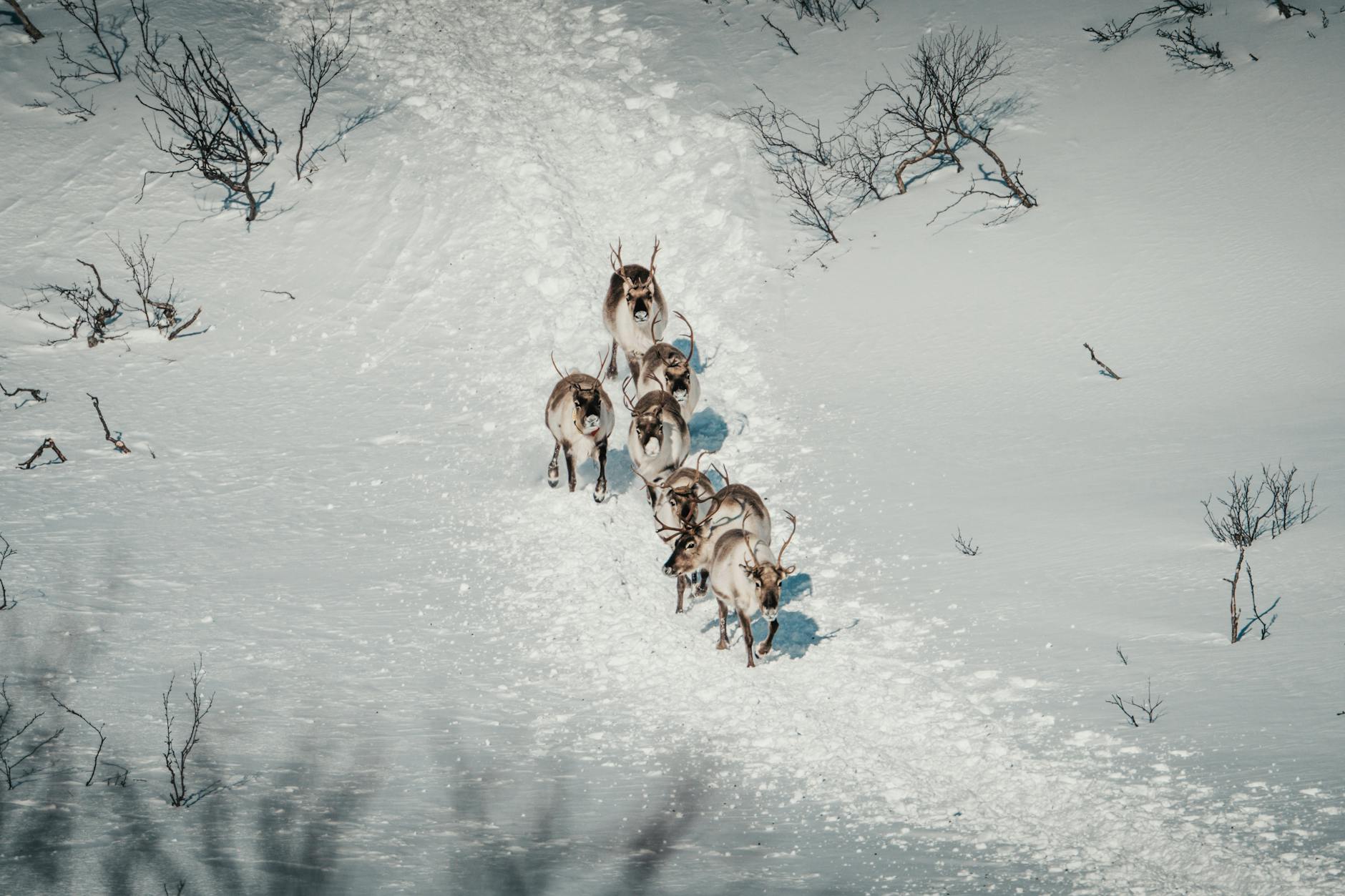
Wildlife biologists monitor animal behavior around the new installations to ensure the structures don’t alter natural migration patterns or feeding behaviors. Early observations suggest minimal disruption, with some species showing curiosity about the dome structures without significant behavioral changes.
The project aligns with National Park Service goals to increase accessibility while maintaining conservation standards. Revenue from dome reservations supports park maintenance and research programs, creating a sustainable funding model for ongoing wilderness preservation efforts.
The heated viewing domes represent a thoughtful approach to expanding wilderness access without compromising the pristine environment that draws visitors to Alaska. As winter tourism grows and climate-controlled outdoor experiences become more sophisticated, Denali’s innovative structures may serve as a model for other remote destinations seeking to balance comfort with authentic wilderness encounters.
Park officials plan to monitor visitor feedback and environmental impact data throughout the first full year of operation before considering additional dome installations at other strategic locations within the six-million-acre preserve.
Frequently Asked Questions
How much do the Denali viewing dome reservations cost?
Reservation fees vary by season and time slot, with advance booking required through the park’s official website.
Can the viewing domes accommodate wheelchairs?
Yes, all dome structures feature accessible entrances and heated walkways designed for mobility device access.