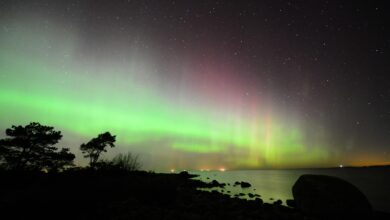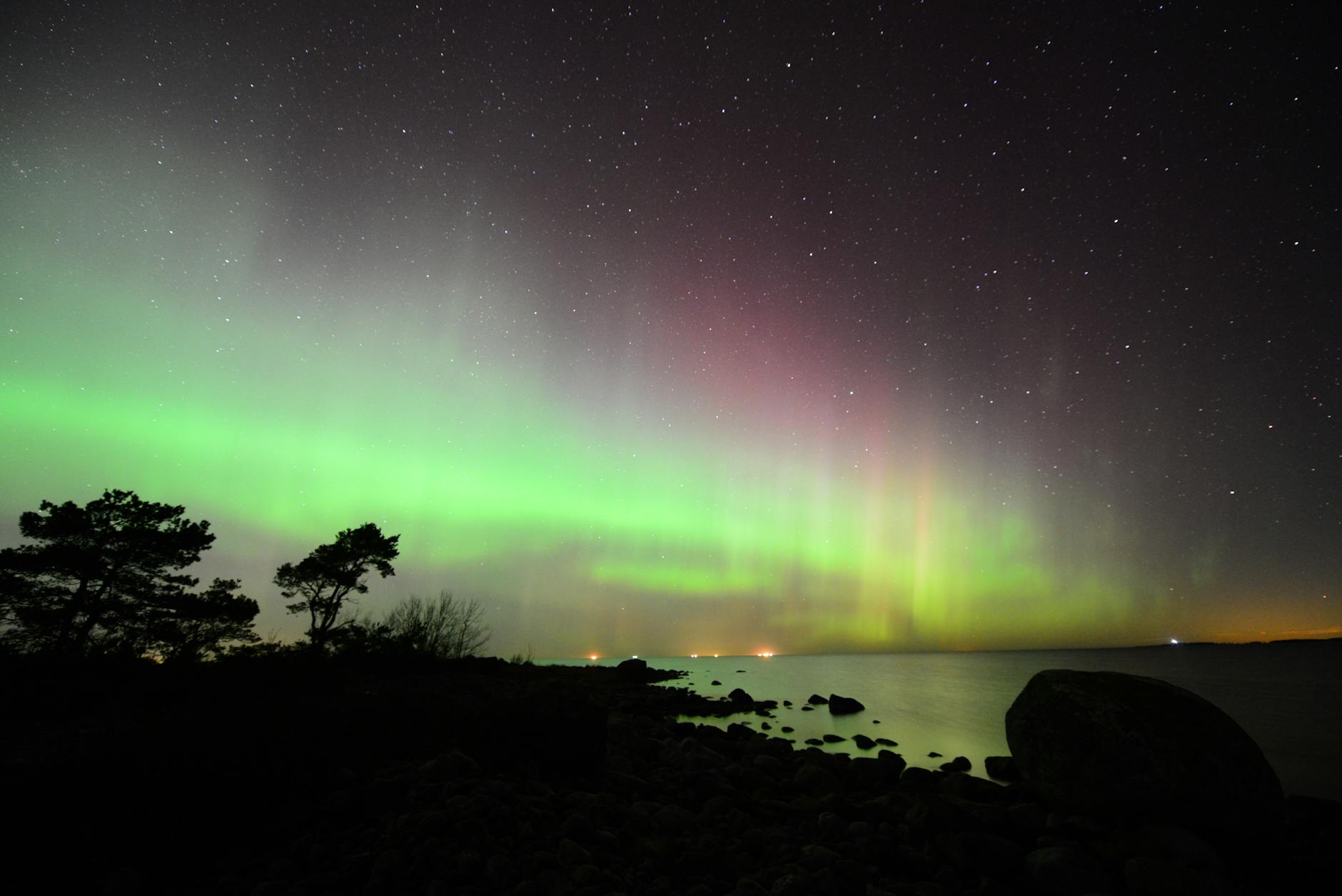

Alaska’s aurora tourism industry is experiencing unprecedented growth as the current solar maximum delivers some of the most spectacular northern lights displays in decades. Tour operators across Fairbanks, Anchorage, and smaller communities report booking increases of 300-400% compared to pre-pandemic levels, with visitors traveling from as far as Australia and Japan for a chance to witness the celestial phenomenon.
The surge comes as NASA and NOAA scientists confirm we’re approaching the peak of Solar Cycle 25, which began in 2019. Solar maximum periods occur roughly every 11 years, bringing increased solar flares and coronal mass ejections that create more frequent and intense aurora displays. This cycle’s peak is expected to continue through 2024 and into early 2025, making it prime time for aurora tourism.
Solar Activity Creates Perfect Aurora Conditions
The heightened solar activity has produced aurora displays visible as far south as Northern California and even parts of the Midwest in recent months. For Alaska, this means nearly nightly aurora activity during the dark season from September through March, with some of the most vibrant displays occurring between 10 PM and 2 AM.
Dr. Robert Steenburgh from NOAA’s Space Weather Prediction Center explains that the current solar maximum is producing geomagnetic storms rated G3 to G5 on the intensity scale. These stronger storms push the aurora oval – the ring-shaped zone around the magnetic pole where auroras typically appear – further south and create more dramatic colors and movements in the lights.
Tour operators have adapted their offerings to capitalize on these optimal conditions. Chena Hot Springs Resort, located 60 miles northeast of Fairbanks, has expanded its aurora viewing program to include heated outdoor viewing areas, photography workshops, and extended operating hours. The resort’s general manager reports that aurora tour bookings are sold out through March 2024.
Northern Alaska Tour Company has added specialized photography tours for serious aurora chasers, complete with professional camera equipment rentals and instruction. These premium experiences, priced at $400-600 per person, sell out weeks in advance. The company also offers “aurora alerts” via text message, allowing guests to be notified when conditions are optimal.
Infrastructure Boom Supports Growing Visitor Numbers
The tourism surge has prompted significant infrastructure investments across Alaska’s aurora viewing regions. Fairbanks International Airport completed a $50 million expansion in 2023, adding gates and improved international customs facilities to handle the influx of international visitors.
Several new hotels and lodges have opened specifically to cater to aurora tourists. The Aurora 365 Lodge, which opened in September 2023 near Talkeetna, features glass-ceiling cabins designed for aurora viewing from bed. Pike’s Waterfront Lodge in Fairbanks added 40 new rooms and an aurora viewing deck complete with warming huts and hot chocolate service.
Transportation options have also expanded. Alaska Railroad now offers special “Aurora Winter” packages combining train travel with aurora tours, while regional airlines have increased capacity on routes to smaller communities like Nome, Kotzebue, and Barrow, where arctic aurora viewing offers a different perspective.
Local tour guide services have proliferated, with many operators investing in specialized vehicles equipped with oversized windows, heating systems, and comfortable seating for extended outdoor viewing. Some companies now offer multi-day aurora tracking tours that follow weather patterns and geomagnetic forecasts to maximize viewing opportunities.
The economic impact extends beyond tourism infrastructure. Fairbanks-area restaurants report increased business during traditional off-season months, with many extending hours to serve aurora tour groups returning from late-night excursions. Gift shops and outdoor equipment retailers have seen significant sales increases in cold-weather gear and photography equipment.
Technology Enhances the Aurora Experience
Modern aurora tourism relies heavily on technology to predict and track aurora activity. Tour operators use apps like Aurora Forecast and SpaceWeatherLive to monitor solar wind data, cloud cover, and geomagnetic conditions in real-time. Many companies now offer guests access to these tools along with basic aurora science education.
Photography has become a major component of aurora tourism, with many visitors specifically traveling to capture the lights with modern camera equipment. Tour operators report that 80% of guests now bring DSLR or mirrorless cameras, leading to demand for photography instruction and equipment rental services.
Social media has amplified aurora tourism’s appeal, with platforms like Instagram and TikTok showcasing spectacular aurora photography and time-lapse videos. Tourism boards in Alaska have embraced this trend, partnering with travel influencers and photographers to showcase the state’s aurora viewing opportunities.
Several companies now offer live-streaming aurora webcams, allowing potential visitors to preview conditions before booking trips. The Poker Flat Research Range operates one of the most popular aurora webcams, which receives millions of views during peak aurora season.
Similar to how Ireland’s Dark Sky Reserves have become premier destinations for stargazing tourism, Alaska’s aurora viewing sites are establishing themselves as must-visit destinations for celestial phenomena enthusiasts.
Planning for Sustainable Aurora Tourism Growth
As aurora tourism continues growing, Alaska is working to balance economic benefits with environmental and cultural considerations. The state tourism board has developed guidelines for sustainable aurora tourism that emphasize respect for wilderness areas and Indigenous communities.
Several tour operators have committed to carbon offset programs for their operations, while others focus on small-group experiences that minimize environmental impact. The trend toward sustainable tourism practices mirrors developments in other destinations, where visitor management and environmental protection are becoming key priorities.
Alaska’s tourism industry projects continued strong growth in aurora tourism through 2025, with early bookings for the 2024-2025 aurora season already exceeding this year’s levels. As solar maximum continues, the combination of spectacular natural displays and improved tourism infrastructure positions Alaska as the world’s premier aurora viewing destination.
The current solar cycle offers a rare opportunity for travelers to witness one of nature’s most spectacular phenomena at its peak intensity. With optimal viewing conditions expected to continue into 2025, Alaska’s aurora tourism boom shows no signs of slowing down, cementing the state’s position as the global capital of northern lights tourism.
Frequently Asked Questions
When is the best time to see northern lights in Alaska?
September through March during dark hours, typically 10 PM to 2 AM, with peak activity during the current solar maximum through 2025.
Where are the best places in Alaska to view the aurora?
Fairbanks, Chena Hot Springs, Talkeetna, and northern communities like Nome offer excellent viewing with minimal light pollution.