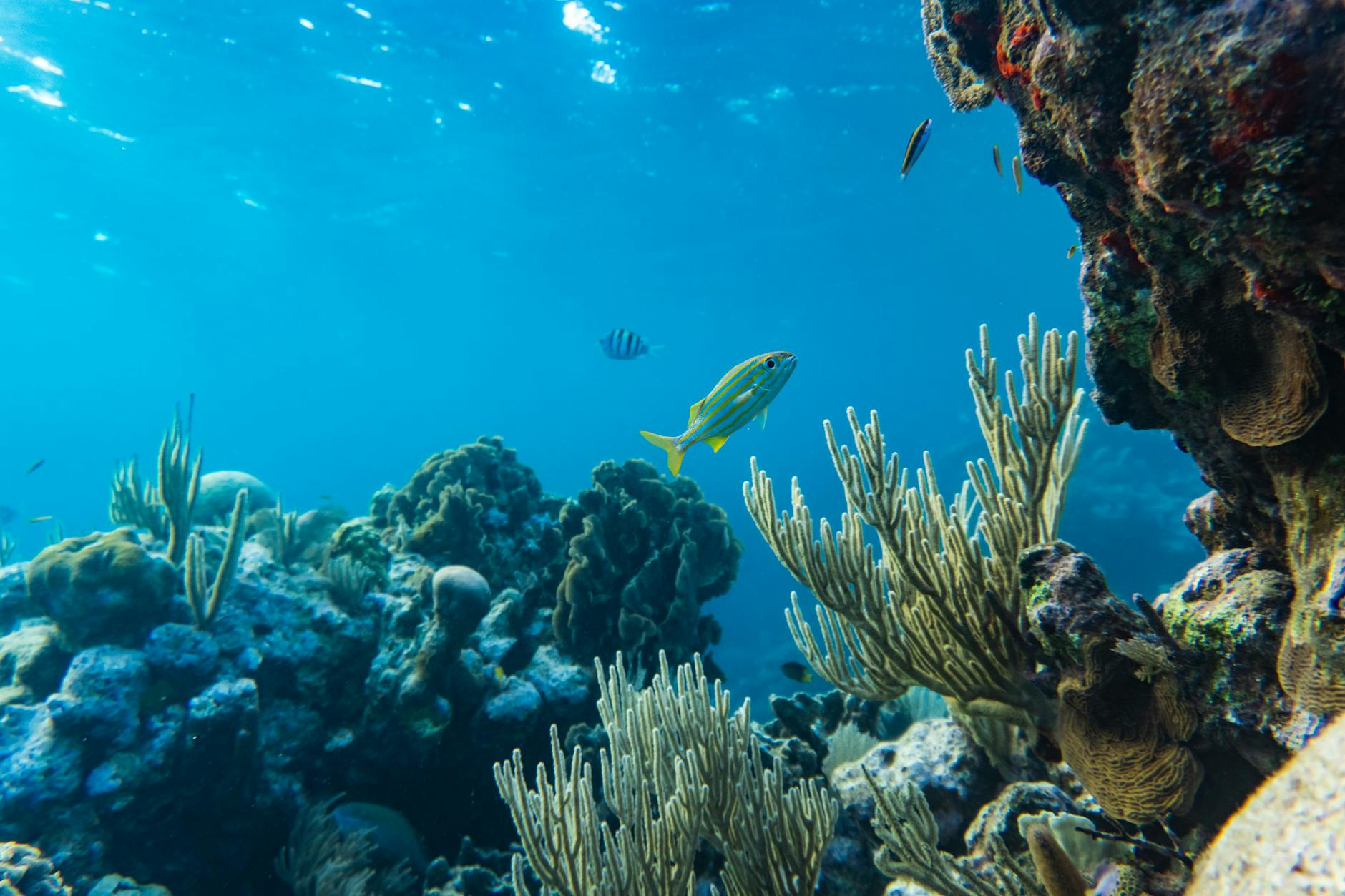

The Great Barrier Reef just revolutionized underwater tourism with floating glass-bottom boat hotels that let guests sleep directly above the world’s largest coral reef system. These innovative accommodations combine marine conservation with luxury hospitality, offering travelers unprecedented access to one of Earth’s most biodiverse ecosystems without setting foot on fragile coral platforms.
Tourism Queensland announced the pilot program in partnership with reef tour operators and marine research institutions. The glass-bottom boat hotels feature transparent hulls that transform guest cabins into underwater observation decks, providing 24-hour views of reef life while guests sleep, dine, and relax aboard the vessels.
Revolutionary Marine Accommodation Design
The glass-bottom boat hotels represent a significant departure from traditional reef tourism. Each vessel accommodates 12-16 guests in specially designed cabins with reinforced glass floors and walls that extend below the waterline. The boats anchor at designated reef sites during evening hours, allowing marine life to approach naturally without disturbance.
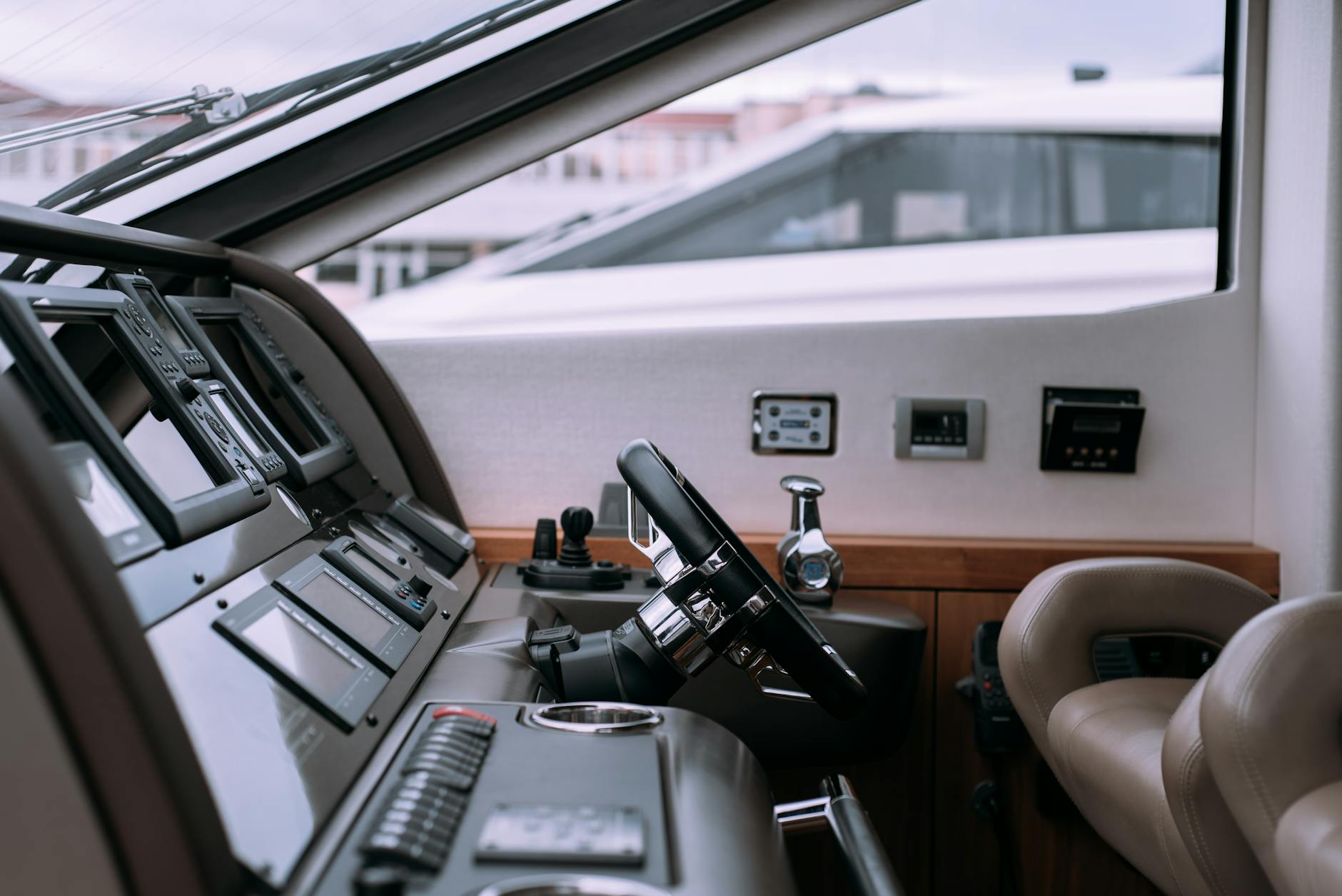
“We’ve essentially created floating aquariums where guests become part of the underwater environment,” explains marine tourism specialist Dr. Sarah Mitchell. The boats feature advanced stabilization systems to minimize seasickness while maintaining optimal viewing conditions. LED lighting systems illuminate the reef floor during evening hours, creating dramatic nighttime marine displays.
The accommodation design incorporates sustainable materials and solar power systems. Waste management follows strict marine protection protocols, with all gray water processed through advanced filtration before controlled release in designated areas away from coral formations. The boats operate under special permits that limit anchoring locations and duration to protect reef ecosystems.
Guest amenities include premium bedding with underwater views, gourmet dining featuring local Queensland seafood, and guided snorkeling equipment. Professional marine biologists provide educational presentations about reef conservation and climate change impacts, adding scientific depth to the luxury experience.
Conservation Through Tourism Innovation
The glass-bottom hotel program directly supports Great Barrier Reef conservation efforts through visitor fees and research partnerships. Each boat carries marine monitoring equipment that guests can observe in operation, including water quality sensors, coral health cameras, and fish population counters.
Research institutions use data collected during hotel stays to track reef recovery patterns and biodiversity changes. Guests participate in citizen science projects, photographing specific coral formations and marine species for ongoing studies. This approach transforms tourism into active conservation participation rather than passive observation.
“Every overnight stay contributes valuable research data while generating funds for reef protection programs,” notes conservation director Dr. James Rodriguez. The boats coordinate with the Australian Institute of Marine Science to collect temperature readings, water samples, and photographic evidence of coral bleaching recovery.
Tourism operators report that guests develop stronger environmental awareness through extended reef exposure. The immersive experience creates emotional connections that translate into conservation advocacy and continued support for marine protection initiatives. Many visitors become recurring donors to reef research programs after their overnight stays.
The program addresses overtourism concerns by limiting daily visitor numbers at popular reef sites. Glass-bottom hotels anchor at less-visited reef sections, distributing tourism pressure across the marine park system while providing access to pristine coral areas typically reserved for research vessels.
Luxury Meets Marine Science
Guest experiences blend five-star hospitality with marine research activities. Morning routines include guided reef walks at low tide, where marine biologists explain coral reproduction cycles and fish behavior patterns. Professional underwater photographers capture guest activities while documenting reef conditions for scientific archives.
Dining programs feature sustainable seafood sourced from Queensland fishing communities that practice reef-friendly harvesting methods. Chefs prepare meals while explaining local marine food chains and the economic importance of healthy reef ecosystems to regional fishing industries. Wine pairings include selections from Australian vineyards that support marine conservation through percentage-based donations.
Evening activities center around underwater observation sessions as nocturnal reef life emerges. Guests witness feeding behaviors, mating displays, and predator-prey interactions typically hidden from daytime visitors. Professional guides identify species and explain ecological relationships using real-time examples visible through cabin floors.
The boats feature underwater communication systems that allow guests to narrate their observations for research recordings. These audio logs contribute to behavioral studies while creating personalized trip memories that guests can access through online portals after returning home.
Advanced booking systems coordinate with tide schedules, weather patterns, and marine migration cycles to optimize viewing opportunities. Guests receive detailed itineraries that adjust based on seasonal marine activity, ensuring each stay offers unique wildlife encounters aligned with natural reef rhythms.
Expanding Underwater Hospitality Trends
The Great Barrier Reef glass-bottom hotel success has inspired similar projects across Australia’s marine tourism destinations. Ningaloo Reef in Western Australia is developing comparable accommodations focused on whale shark migration periods, while Lord Howe Island explores glass-bottom boat hotels for its UNESCO World Heritage lagoon system.
International marine destinations are adapting the concept for their unique ecosystems. The Maldives is testing glass-bottom accommodations above deep-water coral walls, while Chile’s innovative hospitality approaches in remote locations provide inspiration for sustainable tourism development in sensitive environments.
Marine conservation organizations view the glass-bottom hotel model as a template for sustainable tourism that generates conservation funding while educating visitors about ecosystem protection. The program demonstrates how luxury hospitality can support environmental protection rather than competing with conservation goals.
Future expansions include specialized boats for coral spawning events, marine photography workshops, and extended research expeditions where guests participate in multi-day scientific studies. Tourism Queensland anticipates launching seasonal programs that align with specific marine phenomena like fish migrations, turtle nesting, and coral reproduction cycles.
The glass-bottom boat hotel program represents a fundamental shift in how travelers experience marine environments. By combining conservation education with luxury accommodation, Australia’s Great Barrier Reef is pioneering sustainable tourism models that protect fragile ecosystems while creating unforgettable guest experiences that inspire long-term environmental stewardship.
Frequently Asked Questions
How long can guests stay on glass-bottom boat hotels?
Most stays are 2-3 nights, with specialized programs offering extended research expedition packages up to one week.
Are the glass-bottom boat hotels safe during rough weather?
Vessels feature advanced stabilization systems and operate only during suitable weather conditions with professional crew monitoring.