

Tourist scams cost travelers billions of dollars annually, with popular destinations seeing increasingly sophisticated schemes targeting unsuspecting visitors. From the fake petition signers in Paris to the “helpful” locals in Bangkok, scammers have perfected their craft to separate tourists from their money.
The rise of digital payment methods and social media has created new opportunities for fraudsters while traditional street scams continue to evolve. Understanding these tactics before you travel can save you hundreds of dollars and prevent your dream vacation from turning into a financial nightmare.
1. Research Common Scams for Your Specific Destination
Every popular tourist destination has its signature scams. Rome’s gladiators demand payment after posing for photos, while Istanbul’s shoe shine artists drop their brushes hoping you’ll help them clean up. Barcelona pickpockets work in coordinated teams on the metro, and Delhi’s gem dealers promise incredible deals that evaporate once you return home.
Before traveling, spend time on travel forums like TripAdvisor and Reddit reading recent traveler experiences. Local tourism boards often publish scam alerts, and embassy websites frequently warn about area-specific fraud schemes. The key is understanding the local variations of common scams rather than assuming all destinations operate the same way.
Create a mental map of high-risk areas in your destination. Tourist-heavy zones like Times Square, the Louvre vicinity, or Bangkok’s Khao San Road see concentrated scam activity. Knowing where scammers typically operate helps you stay alert when entering these areas.
2. Master the Art of Saying No Firmly
Scammers rely on tourists’ politeness and cultural hesitation to refuse offers. They exploit the natural human tendency to be helpful, especially when traveling in unfamiliar territory. The most effective defense is developing a firm, immediate “no” without explanation or apology.
Practice phrases in the local language like “Non, merci” in French or “No, gracias” in Spanish. However, don’t feel obligated to engage in the local language if you’re not comfortable. A clear “No, thank you” in English while continuing to walk is universally understood and respected by legitimate vendors.
Never stop to explain why you’re refusing or justify your decision. Scammers are trained to turn any conversation into an opportunity. The moment you engage in dialogue about why you don’t want their service or product, you’ve given them an opening to manipulate the situation.
3. Keep Your Payment Methods Secure and Diversified
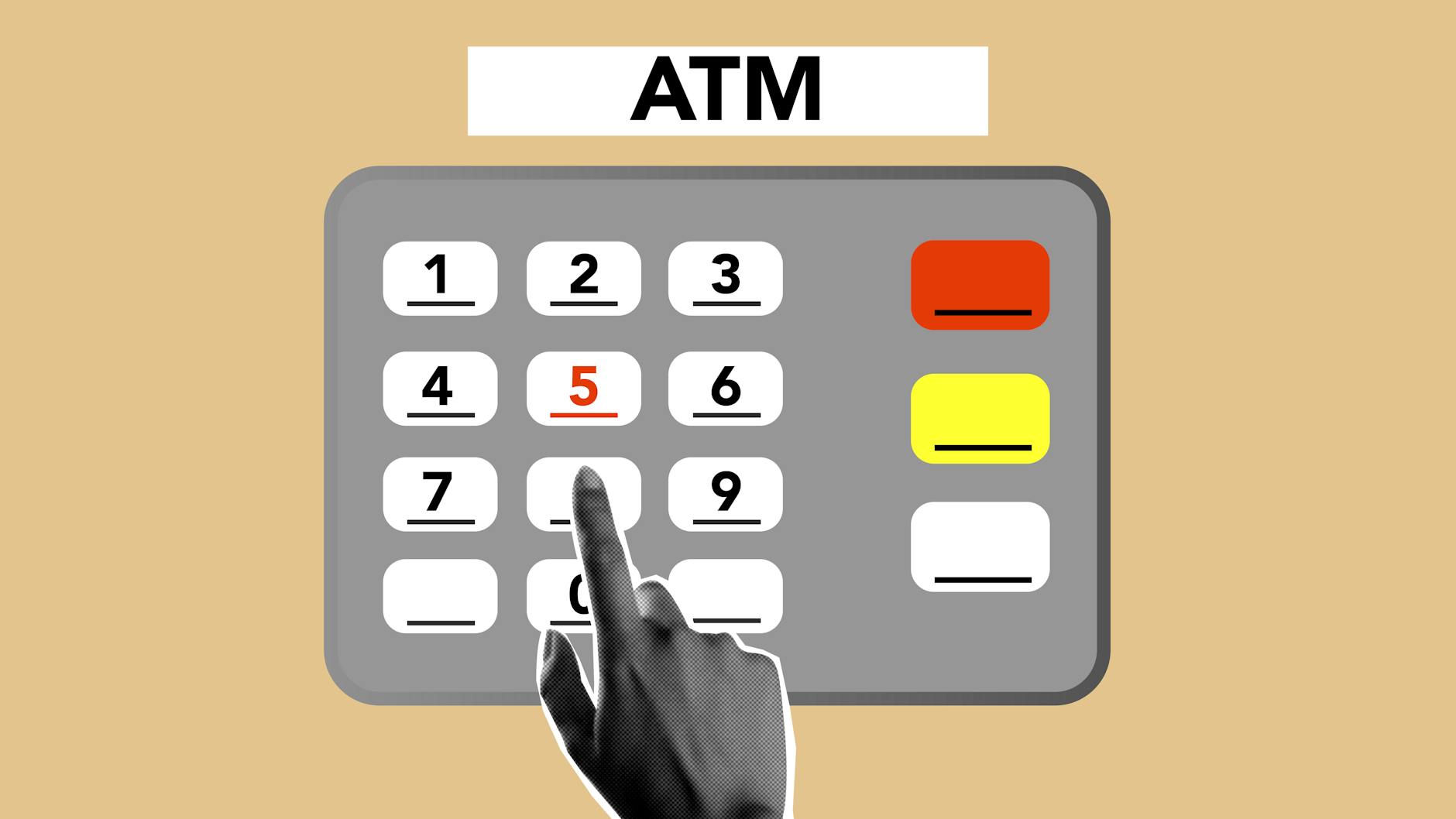
Card skimming devices have become incredibly sophisticated, with some newer models being virtually undetectable on ATM machines. Scammers often target tourist-heavy areas where visitors frequently withdraw cash, installing skimmers on machines near popular attractions or in hotel lobbies.
Use ATMs inside banks or hotels rather than standalone machines on busy streets. Cover your PIN entry with your hand, and if anything about the card slot looks unusual or loose, find another machine. Many banks now offer travel notifications through mobile apps, allowing you to monitor transactions in real-time.
Distribute your money across multiple sources: some cash in different pockets, one primary card, and a backup card stored separately. Consider using a money belt or hidden wallet for larger amounts. If you’re working remotely while traveling, having secure access to your funds becomes even more critical for maintaining your professional obligations.
4. Recognize and Avoid Overcharging Schemes
Restaurant and taxi overcharging represents some of the most common tourist scams worldwide. Restaurants in tourist areas often have separate menus with inflated prices for foreigners, while taxi drivers quote fixed rates that are multiples of the actual meter fare.
Always ask to see a menu with prices before ordering, and insist on using taxi meters when available. In destinations where meters aren’t standard, agree on the fare before getting in the vehicle. Take a photo of the taxi’s license plate and share it with someone as a safety precaution.
Download local ride-sharing apps or official taxi apps for your destination. Many cities now offer legitimate ride-hailing services that provide transparent pricing and driver accountability. When booking multi-city flights, you’re already researching transportation options between destinations, so extend that research to local transportation methods.
5. Verify Tour Operators and Activity Providers
Fake tour operators target tourists through social media ads, hotel partnerships, or street solicitation. These scams range from overpriced, low-quality experiences to complete no-shows where tourists are left stranded at meeting points.
Book tours through verified platforms like Viator, GetYourGuide, or directly through hotel concierges who stake their reputation on reliable partnerships. Check recent reviews specifically, as older reviews may not reflect current operations or quality standards.
Ask for physical business cards with addresses and phone numbers. Legitimate operators have fixed locations and proper business registration. Be suspicious of operators who only communicate through messaging apps or meet exclusively at temporary locations like street corners.
6. Protect Your Personal Information and Documents
Identity theft while traveling can complicate your trip immediately and create long-term financial problems at home. Scammers often pose as police officers, hotel staff, or tour guides requesting to see identification documents for verification purposes.
Carry photocopies of important documents and store originals in hotel safes. Many countries accept photocopies for most situations, and having originals stolen can create significant travel complications. Keep digital copies stored securely in cloud services accessible from your phone.
Never hand over your passport or identification to anyone except official immigration or police officers in formal settings. If someone claims to need document verification, offer to show rather than surrender the document. Legitimate authorities understand traveler concerns about document security.
7. Stay Alert in Crowded Transportation Hubs
Airports, train stations, and bus terminals create perfect environments for scammers due to stressed, distracted travelers managing luggage and tickets. Common schemes include fake porters demanding payment, unofficial taxi services with inflated rates, and pickpockets working in coordinated teams.
Arrange transportation to and from airports in advance through hotel shuttles, official taxi services, or ride-sharing apps. Avoid accepting help with luggage from unofficial porters, as they often demand excessive payment afterward and may work with pickpocket teams.
Stay aware of your surroundings while managing tickets and luggage. Scammers often create distractions like spilling liquids or asking for directions while accomplices access your belongings. Keep valuables in front pockets or secure bags, and maintain awareness of who’s around you in crowded spaces.
8. Use Technology to Your Advantage
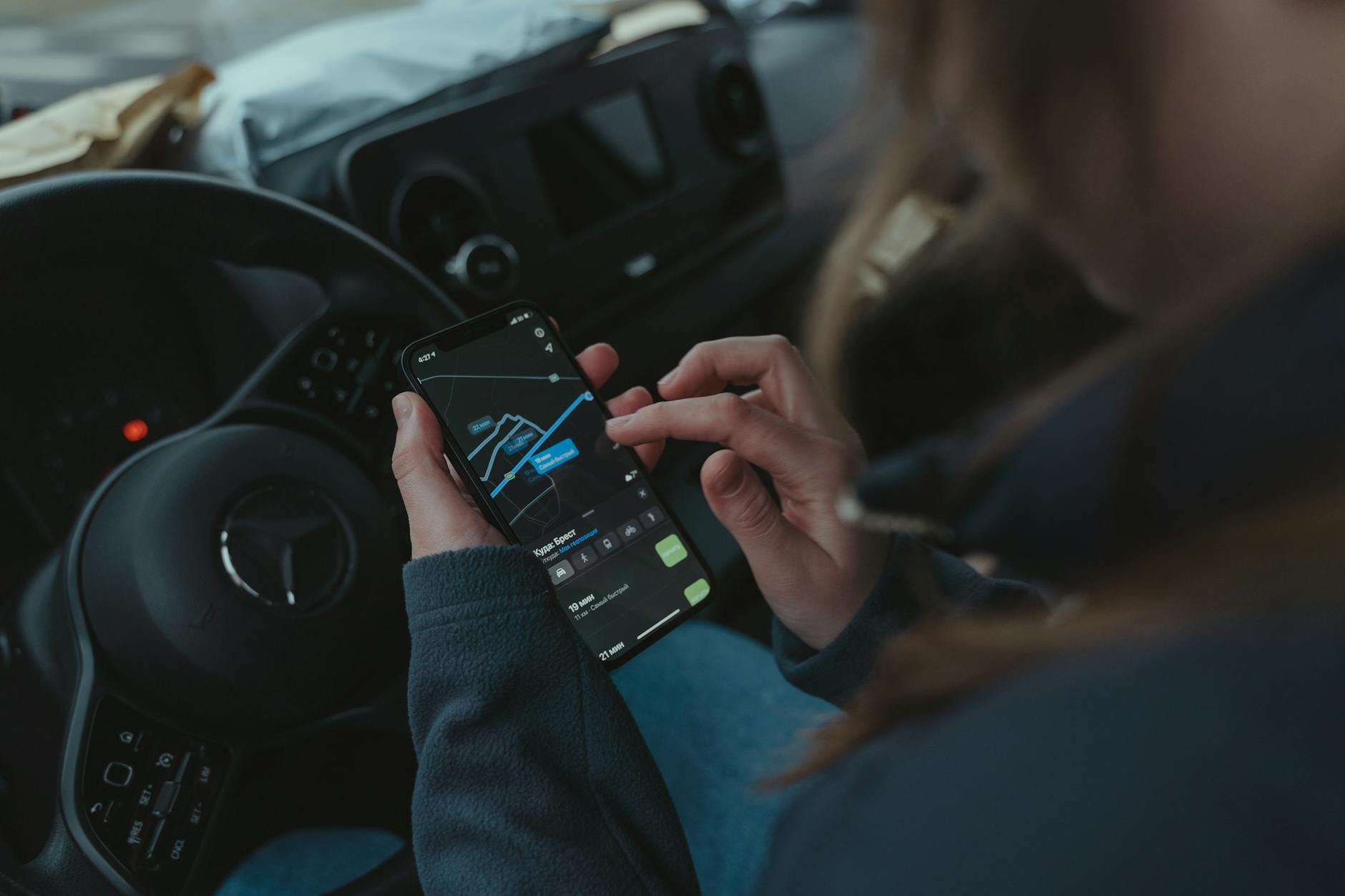
Modern smartphones provide powerful tools for avoiding tourist scams through real-time information access and communication capabilities. Translation apps help you understand signs and conversations, while maps prevent you from appearing lost and vulnerable.
Download offline maps before traveling to avoid appearing obviously tourist-like while consulting your phone for directions. Currency converter apps help you quickly calculate fair prices during negotiations. Banking apps with instant notifications alert you to unauthorized transactions immediately.
Share your location with trusted contacts at home, especially when exploring new areas or taking tours. Many messaging apps offer real-time location sharing that can provide security without constant check-ins. Having reliable communication tools becomes particularly important if you’re maintaining work responsibilities while traveling.
Understanding these strategies before you travel creates a foundation of awareness that makes you a less attractive target for scammers. The goal isn’t to become paranoid or suspicious of every interaction, but to develop instincts that protect your money and safety while still enjoying authentic travel experiences.
Most travelers who fall victim to scams report feeling embarrassed afterward, but remember that scammers are professionals who exploit psychological vulnerabilities and cultural unfamiliarity. By preparing yourself with knowledge and maintaining situational awareness, you can focus on enjoying your destination rather than recovering from financial losses.
Frequently Asked Questions
What are the most common tourist scams worldwide?
The most common include overcharging at restaurants and taxis, fake tour operators, pickpocketing in crowded areas, and ATM skimming devices.
How can I tell if a tour operator is legitimate?
Check recent reviews on verified platforms, ask for business cards with physical addresses, and book through established companies rather than street vendors.