Bhutan Opens Its First Public Hiking Trails After Decades of Restricted Access

The Kingdom of Bhutan has quietly revolutionized its tourism approach, opening its first public hiking trails to international visitors after maintaining strict access controls for decades. The Himalayan nation, famous for measuring Gross National Happiness instead of GDP, launched five designated trekking routes that bypass its traditional high-fee tourism model.
Bhutan’s Tourism Council of Bhutan announced the trail openings in late 2024, marking the most significant shift in the country’s tourism policy since it began welcoming visitors in 1974. These new routes allow independent hikers to explore specific wilderness areas without requiring the standard $200-per-day Sustainable Development Fee that applies to most tourist activities.
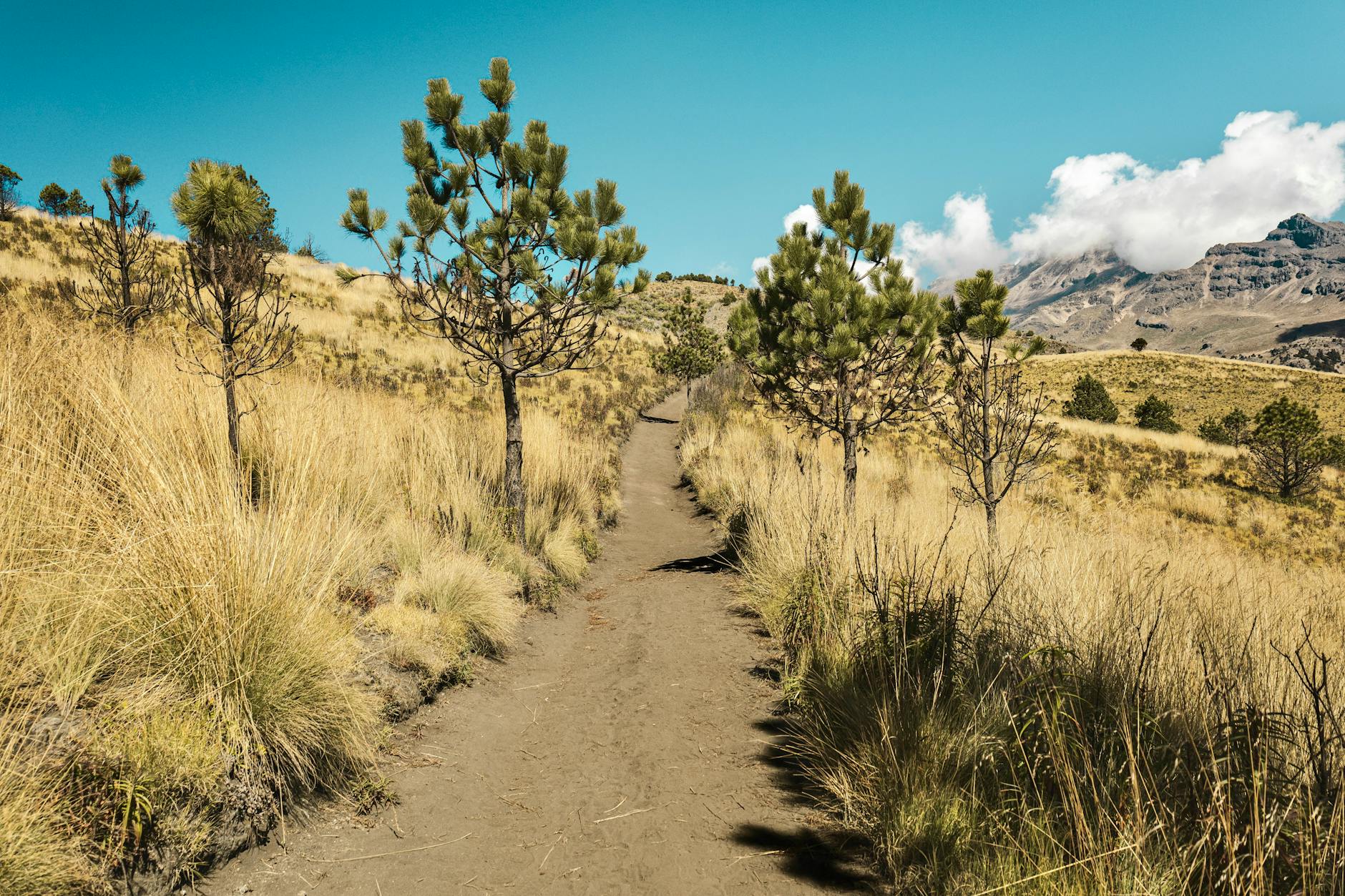
The designated trails span from subtropical valleys to alpine meadows, offering access to monasteries, traditional villages, and pristine mountain landscapes that were previously restricted to expensive guided tours. Local communities along these routes have established tea houses and basic accommodations, creating new income streams while maintaining environmental protection standards.
Breaking Down Bhutan’s Tourism Barriers
For nearly five decades, Bhutan operated under a “high value, low impact” tourism philosophy that required all visitors to book through licensed tour operators and pay substantial daily fees. The new hiking trail system represents a careful experiment in more accessible tourism while preserving the nation’s environmental and cultural values.
The five inaugural trails include the Tiger’s Nest Base Trek, a day hike to Bhutan’s most famous monastery; the Chele La Ridge Walk, offering panoramic Himalayan views; the Punakha Valley Trail connecting ancient fortresses; the Bumthang Cultural Circuit through traditional farming villages; and the Haa Valley Border Trek near the Tibet frontier.
Each trail features designated camping areas, waste management systems, and local guide networks. Hikers must still obtain permits and follow strict Leave No Trace principles, but the daily fees are reduced to $15-25 depending on the season and trail difficulty.
The initiative builds on Bhutan’s carbon-negative status and constitutional mandate to maintain 60% forest coverage. Trail development involved extensive consultation with local communities and environmental impact assessments to ensure minimal ecological disruption.
Community-Led Tourism Development
Unlike many international trekking destinations where foreign operators dominate, Bhutan’s new trails prioritize local ownership and management. Village committees along each route coordinate accommodation, meals, and guide services, ensuring tourism revenue directly benefits rural communities.
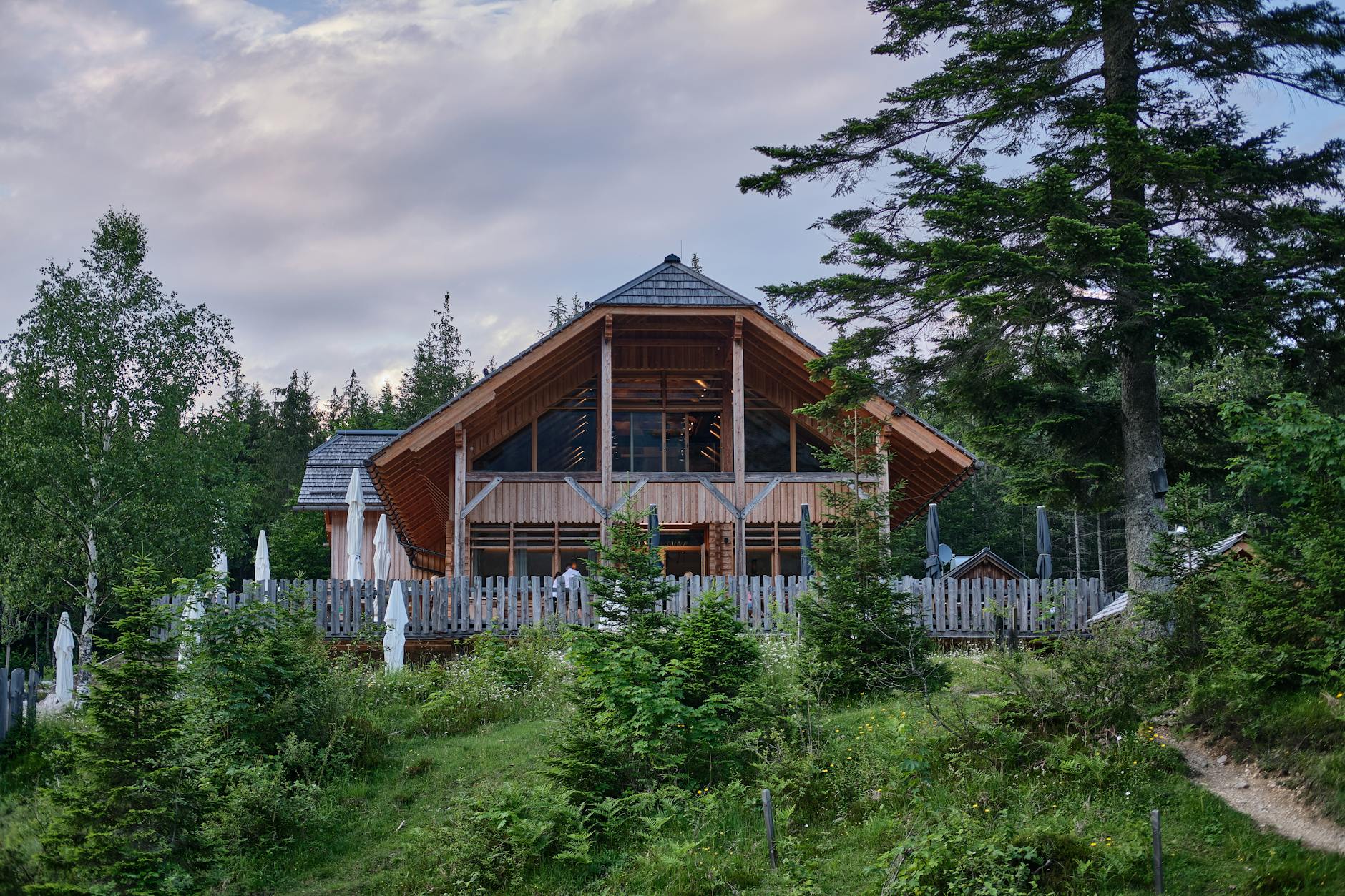
In the Bumthang region, farming families have converted traditional houses into trekker lodges, serving organic meals grown in their own fields. The program includes training in hospitality, first aid, and sustainable tourism practices, often conducted in partnership with Bhutan’s Royal University.
Tenzin Wangmo, who manages a guesthouse along the Punakha Valley Trail, explains how the system preserves traditional architecture while meeting modern traveler needs. Her family’s 200-year-old farmhouse now accommodates hikers in rooms featuring hand-carved wooden furniture and traditional textiles, while offering hot showers and WiFi.
The community approach extends to cultural preservation. Local guides share stories, traditional songs, and craft demonstrations that were previously accessible only through expensive cultural tours. This model resembles successful community tourism initiatives seen in places like Peru’s Sacred Valley traditional weaving workshops, where local artisans directly engage with visitors.
Environmental Safeguards and Trail Management
Bhutan’s trail system incorporates sophisticated environmental monitoring to prevent overtourism impacts. Each route has daily visitor limits, seasonal closures during wildlife breeding periods, and mandatory environmental briefings for all hikers.
The trails feature solar-powered waste processing stations, composting toilets, and water purification systems powered by micro-hydro generators. Hikers must carry reusable water bottles and follow strict packaging restrictions to minimize waste generation.
Wildlife corridors remain protected through strategic trail routing that avoids critical habitat areas. The system includes wildlife cameras and ranger monitoring to track animal behavior and adjust trail access if necessary. Blue sheep, Himalayan black bears, and snow leopards inhabit the higher elevation areas, while lower trails support diverse bird species and traditional medicinal plants.
Trail maintenance employs local workers using traditional stone-laying techniques and locally sourced materials. This approach preserves landscape aesthetics while creating year-round employment in remote areas where economic opportunities are limited.
Emergency response systems include satellite communication devices at regular intervals and trained rescue teams positioned at strategic locations. Medical evacuation procedures coordinate with Bhutan’s military helicopter service, ensuring rapid response despite the challenging terrain.
Booking and Access Information
The new trail system operates through Bhutan’s official tourism portal, where hikers can book permits, accommodations, and guide services directly with local communities. Peak seasons run from March to May and September to November, with limited winter access on lower-elevation trails.
International visitors still require tourist visas obtained through licensed Bhutanese tour operators, but the simplified trail permits bypass the traditional package tour requirements. Hikers must demonstrate adequate insurance coverage, physical fitness certification, and environmental awareness training completion.
Equipment rental services operate from Thimphu and Paro, offering everything from sleeping bags to trekking poles. Local shops stock basic supplies, though hikers should bring specialized gear and medications from home.
The system accepts online payments in multiple currencies, with transparent pricing that shows exactly how fees support trail maintenance, community development, and conservation programs. This transparency addresses common traveler concerns about hidden costs in traditional Bhutanese tourism packages.
Future Expansion and Regional Impact
Success with the initial five trails has prompted planning for additional routes, including multi-day circuits connecting different valleys and seasonal trails accessing high-altitude passes. The Tourism Council projects gradual expansion based on environmental monitoring results and community feedback.
Regional tourism boards across the Himalayas are watching Bhutan’s experiment closely. Nepal and Tibet have expressed interest in similar community-controlled trail systems that balance accessibility with environmental protection.
Bhutan’s approach offers a middle path between fully commercialized trekking destinations and completely restricted wilderness areas. Early visitor feedback highlights the authentic cultural interactions and pristine natural environments, suggesting the model successfully maintains Bhutan’s tourism quality standards while increasing accessibility.
The trail system represents more than tourism development – it demonstrates how small nations can innovate sustainable development models that preserve cultural identity while engaging with global travelers. As climate change pressures increase on mountain ecosystems worldwide, Bhutan’s careful approach to tourism expansion provides valuable lessons for conservation-focused destination management.
The kingdom’s hiking trails offer a rare opportunity to experience one of the world’s last traditional Buddhist societies while supporting local communities and environmental protection. For travelers seeking authentic mountain experiences beyond crowded trekking circuits, Bhutan’s new trails provide access to pristine Himalayan landscapes previously reserved for the privileged few.
Frequently Asked Questions
Do I still need expensive tour packages to hike in Bhutan?
No, the new trails allow independent hiking with reduced daily fees of $15-25 instead of the standard $200 tourism fee.
What trails are open to international hikers?
Five trails including Tiger’s Nest Base Trek, Chele La Ridge Walk, Punakha Valley Trail, Bumthang Cultural Circuit, and Haa Valley Border Trek.