
The legendary Rose Valley of Bulgaria has transformed from a closely guarded agricultural secret into the country’s most fragrant tourist destination. After centuries of producing some of the world’s most prized rose oil exclusively for international perfume houses, local distilleries are opening their doors to travelers eager to create their own signature scents.
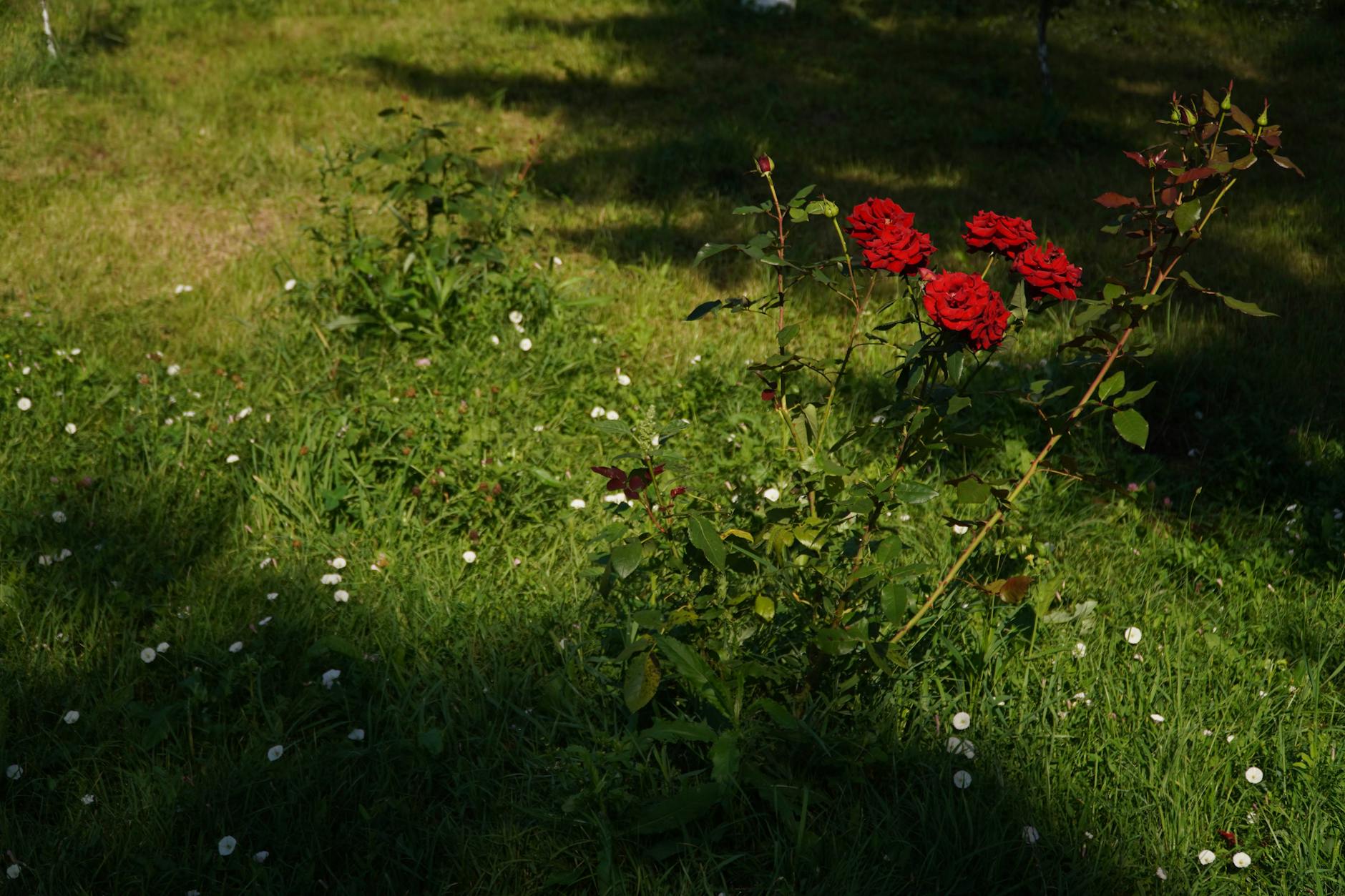
The Kazanlak region, known locally as the Valley of Roses, produces roughly 70 percent of the world’s rose oil from the precious Damask rose. These delicate pink blooms, which must be harvested before dawn to preserve their essential oils, have made Bulgaria a powerhouse in the global fragrance industry. Now, instead of simply shipping their liquid gold to Paris and New York, Bulgarian rose farmers and distillers are inviting visitors to experience the entire process firsthand.
The Art of Bulgarian Rose Oil Production
The workshop tourism initiative centers around authentic participation in every stage of rose oil creation. Visitors arrive in the pre-dawn darkness alongside local workers, learning to identify the perfect moment when Damask roses reach peak fragrance. The harvesting window lasts just three weeks each May and June, when the concentration of essential oils peaks in the early morning hours.
Master distillers guide participants through the traditional copper still distillation process, where roughly 3,000 kilograms of rose petals produce just one kilogram of pure rose oil. Workshop participants witness the steam distillation technique that has remained virtually unchanged for over 300 years, learning why Bulgarian rose oil commands premium prices in luxury perfume markets worldwide.
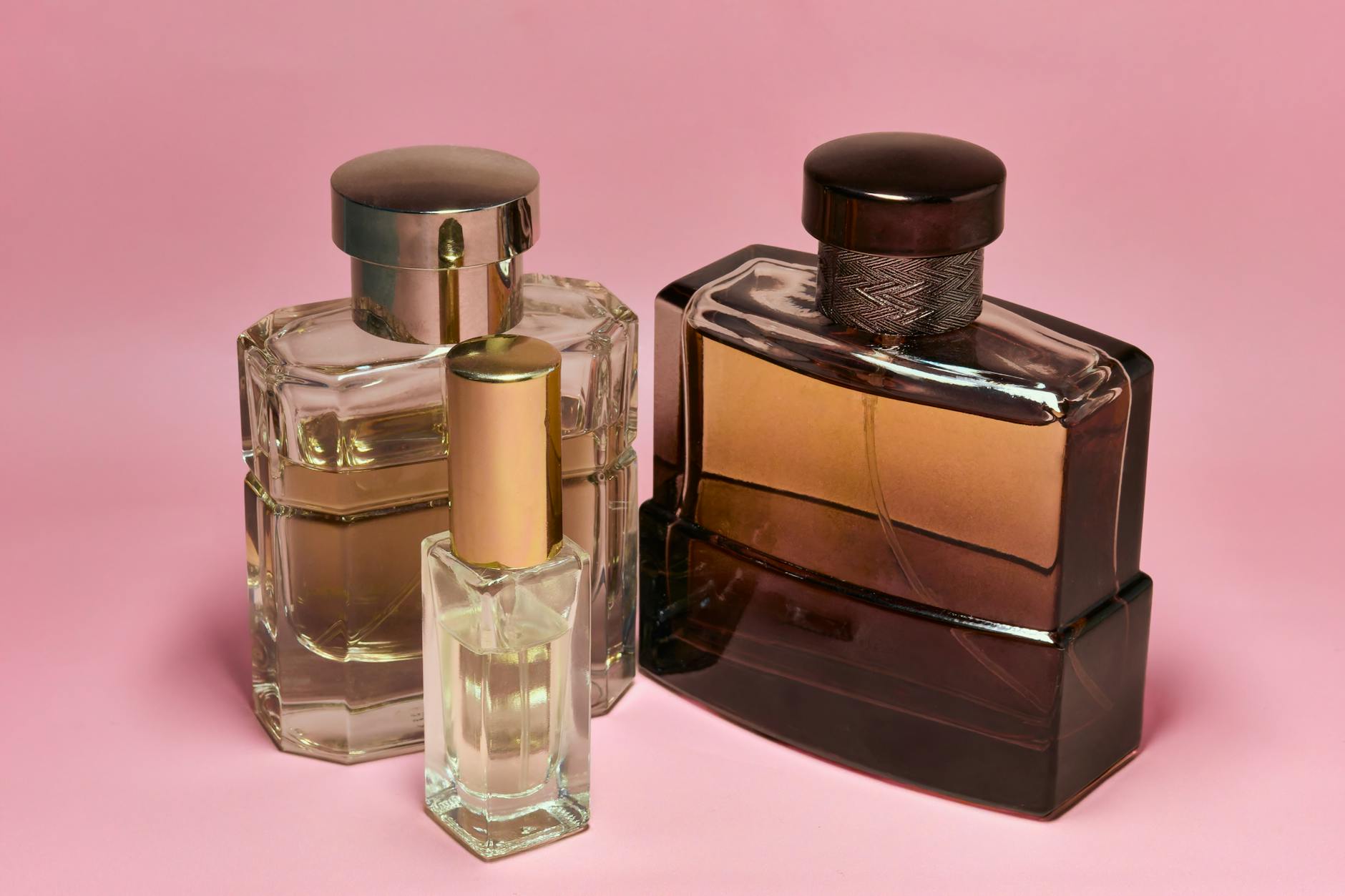
The experience extends beyond observation into hands-on blending workshops. Under expert guidance, tourists create their own perfume compositions using locally produced rose oil as the base, combined with other Bulgarian botanicals including lavender, mint, and chamomile. Each participant leaves with a personalized 30-milliliter bottle of their creation, complete with detailed notes about their chosen formula.
Cultural Immersion Through Scent
Local families have opened their homes to provide authentic cultural experiences alongside the perfume-making activities. These homestays offer traditional Bulgarian meals featuring rose-infused delicacies, from rose petal jam to rose water sweets that have been family recipes for generations. Guests participate in folk dancing and music performances that celebrate the annual rose harvest festival traditions.
The workshops also incorporate visits to the Museum of Roses in Kazanlak, where visitors learn about the historical significance of rose cultivation in Bulgarian culture. The museum houses ancient distillation equipment and documents the region’s role in supplying European royalty with precious rose oil dating back to the 17th century.
Several workshop programs include overnight stays in converted farmhouses, where the morning routine begins with Turkish coffee infused with rose water. Participants often describe the sensory immersion as transformative, with the constant presence of rose fragrance creating lasting memory associations with Bulgarian culture.
Economic Impact and Sustainable Tourism Development
The perfume workshop tourism initiative represents a significant economic diversification for the Rose Valley region. Traditional rose oil production, while profitable, provided limited direct employment for local communities. The tourism workshops now support additional income streams for farming families, creating opportunities in hospitality, transportation, and cultural demonstration.
Workshop pricing ranges from day experiences focused solely on perfume creation to week-long intensive programs that include cultural immersion and multiple scent-blending sessions. The longer programs often sell out months in advance, particularly during the peak harvest season when visitors can participate in actual commercial rose picking alongside local workers.
Tourism officials report that workshop participants frequently return to purchase rose oil products directly from producers, establishing ongoing relationships that benefit local farmers throughout the year. This direct-to-consumer model bypasses traditional export channels, allowing Bulgarian producers to capture more value from their premium product.
The success has inspired similar agricultural tourism initiatives throughout Bulgaria, with lavender farms and herb producers developing their own workshop experiences. Much like Colombia’s Coffee Triangle sustainable farm tourism experiences, Bulgaria’s approach demonstrates how traditional agricultural regions can create meaningful visitor experiences while preserving cultural practices.
Planning Your Rose Valley Experience
Workshop bookings typically open in February for the May-June harvest season, with advance reservations strongly recommended due to limited capacity. Most programs operate from the town of Kazanlak, which serves as the regional hub and offers accommodation options ranging from family guesthouses to boutique hotels designed around rose themes.
Transportation from Sofia takes approximately two hours by car or bus, with several tour companies now offering multi-day packages that combine rose workshops with visits to other Bulgarian cultural sites. The most popular combinations include Plovdiv’s historic old town and the Rila Monastery, creating comprehensive cultural immersion experiences.
Workshop participants should prepare for early morning starts during harvest season, with activities beginning as early as 5 AM to catch optimal rose picking conditions. Comfortable walking shoes and sun protection are essential, as much of the experience takes place in outdoor fields and gardens.
The Rose Valley’s transformation into a destination for perfume-making tourism signals a broader trend toward authentic, hands-on cultural experiences that connect travelers directly with local traditions and expertise. As international interest in artisanal fragrance creation continues growing, Bulgaria’s centuries-old rose cultivation expertise positions the region as a unique educational destination where visitors can literally take home the essence of their travel experience.
Frequently Asked Questions
When is the best time to visit Bulgaria’s Rose Valley for perfume workshops?
The optimal time is May through June during the Damask rose harvest season when flowers contain peak essential oil concentrations.
What do participants take home from the perfume workshops?
Each visitor creates and keeps a personalized 30-milliliter bottle of their custom perfume blend using authentic Bulgarian rose oil.