Chile’s Atacama Desert Opens Astronomy Hotels Near World’s Largest Telescope

The world’s driest desert just became the ultimate destination for stargazers. Chile’s Atacama Desert has opened a collection of astronomy-focused hotels positioned strategically near major observatories, including the massive Atacama Large Millimeter/submillimeter Array (ALMA) telescope complex. These specialized accommodations combine luxury hospitality with direct access to some of the clearest night skies on Earth.
The timing couldn’t be better. With light pollution increasing globally and space tourism generating massive interest, the Atacama’s astronomy hotels offer travelers an authentic way to connect with the cosmos without leaving the planet. Located at altitudes exceeding 4,000 meters above sea level, these properties capitalize on the region’s exceptional atmospheric conditions that have made it the preferred location for international astronomical research.
World-Class Observatories Drive Tourism Boom
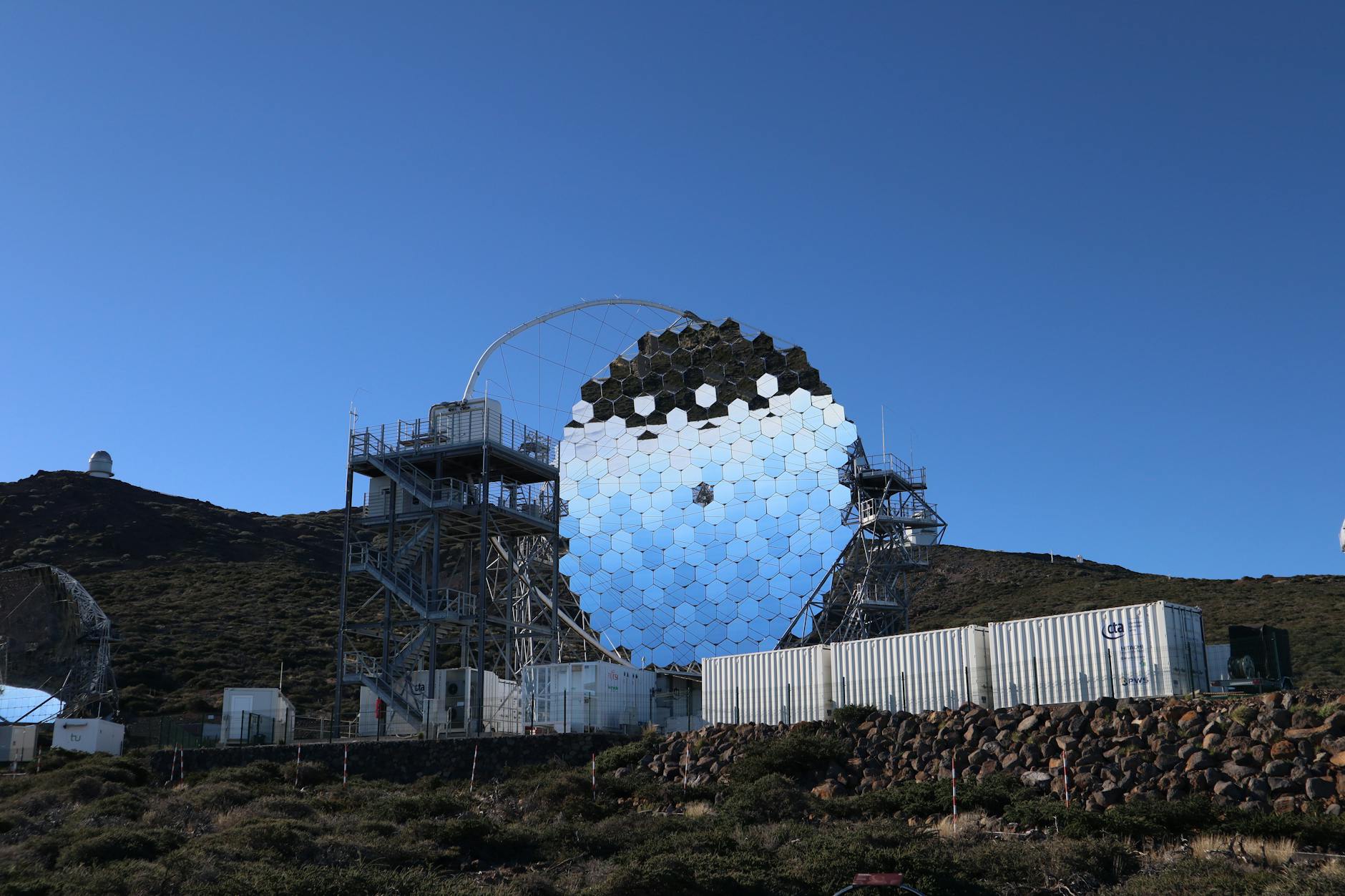
The Atacama Desert hosts more than a dozen major observatories, making it the unofficial astronomy capital of the world. ALMA, operated by a consortium including NASA, the European Southern Observatory, and Japan’s National Astronomical Observatory, represents the largest ground-based astronomy project ever undertaken. Its 66 high-precision antennas work together to capture radio waves from distant galaxies, black holes, and star-forming regions.
The Very Large Telescope (VLT) at Paranal Observatory and the La Silla Observatory have also drawn international attention for groundbreaking discoveries. These facilities typically restrict public access due to their sensitive equipment and remote locations. The new astronomy hotels bridge this gap by offering guests professional-grade telescopes, expert guides, and educational programs that complement the region’s scientific infrastructure.
Hotel operators report bookings from amateur astronomers, photography enthusiasts, and travelers seeking unique experiences beyond traditional sightseeing. The properties range from eco-lodges with basic amenities to luxury resorts featuring climate-controlled observation decks, heated pools, and gourmet restaurants that cater to international guests.
Desert Conditions Create Perfect Viewing Environment
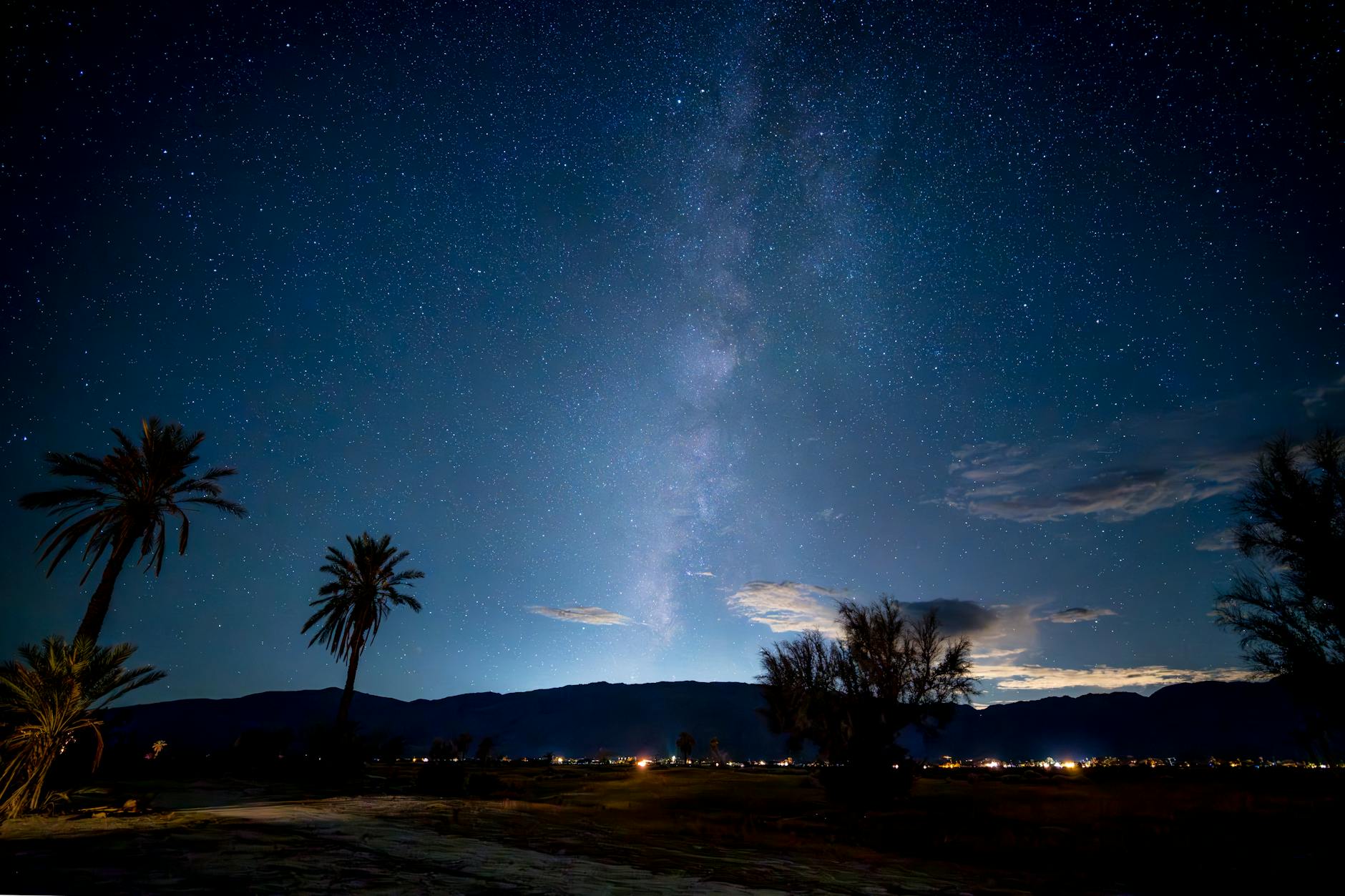
The Atacama’s reputation as an astronomical paradise stems from its extreme environmental conditions. The desert receives less than one millimeter of rainfall annually in some areas, creating consistently clear skies throughout the year. High altitude reduces atmospheric interference, while minimal light pollution from nearby settlements ensures optimal darkness for celestial observation.
Daytime temperatures can exceed 25 degrees Celsius, but nights often drop below freezing, requiring specialized accommodations that balance comfort with the harsh environment. The new hotels feature advanced heating systems, insulated structures, and backup power supplies to ensure guest safety during extreme weather events.
Several properties offer packages that include guided tours of nearby observatories, though access remains limited and requires advance booking. Professional astronomers and local guides provide educational sessions covering constellation identification, astrophotography techniques, and current space exploration missions. Some hotels partner with universities to offer more intensive programs for serious astronomy students.
Luxury Meets Scientific Discovery
The astronomy hotel concept represents a significant investment in Chile’s tourism infrastructure. Properties like the Elqui Domos in the Elqui Valley pioneered the model with geodesic dome accommodations featuring retractable roofs for direct sky viewing. Now, larger hospitality groups are developing more comprehensive resorts that combine astronomical tourism with traditional luxury amenities.
Advanced booking systems coordinate with observatory schedules and weather forecasts to maximize viewing opportunities. Hotels provide professional-grade telescopes, camera equipment, and specialized software for guests interested in astrophotography. Some properties maintain on-site planetariums and astronomy libraries for daytime activities when solar observation requires different equipment and safety protocols.
The trend mirrors successful niche tourism developments in other extreme environments. Just as Morocco’s Atlas Mountains have launched high-altitude hiking lodges for winter tourism, the Atacama’s astronomy hotels capitalize on the region’s unique natural advantages to attract specialized travelers willing to pay premium rates for authentic experiences.
Guest services extend beyond traditional hospitality to include altitude acclimatization support, specialized meal timing to accommodate late-night observation schedules, and transportation coordination for observatory visits. Many properties employ staff with astronomical training who can operate complex equipment and explain celestial phenomena in multiple languages.
Sustainable Tourism in Extreme Environments
Environmental sustainability presents unique challenges in the Atacama Desert, where water scarcity and fragile ecosystems require careful management. The astronomy hotels implement advanced water recycling systems, solar power generation, and waste reduction programs designed to minimize their environmental footprint while operating in one of Earth’s most extreme climates.
Construction materials and building techniques adapted to desert conditions include specialized insulation, wind-resistant structures, and dust filtration systems that protect both guests and sensitive astronomical equipment. Several properties have achieved international environmental certifications by demonstrating reduced resource consumption compared to traditional hotel operations.
Local employment opportunities have expanded as hotels hire guides, maintenance staff, and hospitality workers from nearby communities. Training programs develop specialized skills in astronomy education, equipment maintenance, and sustainable tourism practices that support long-term economic development in the region.
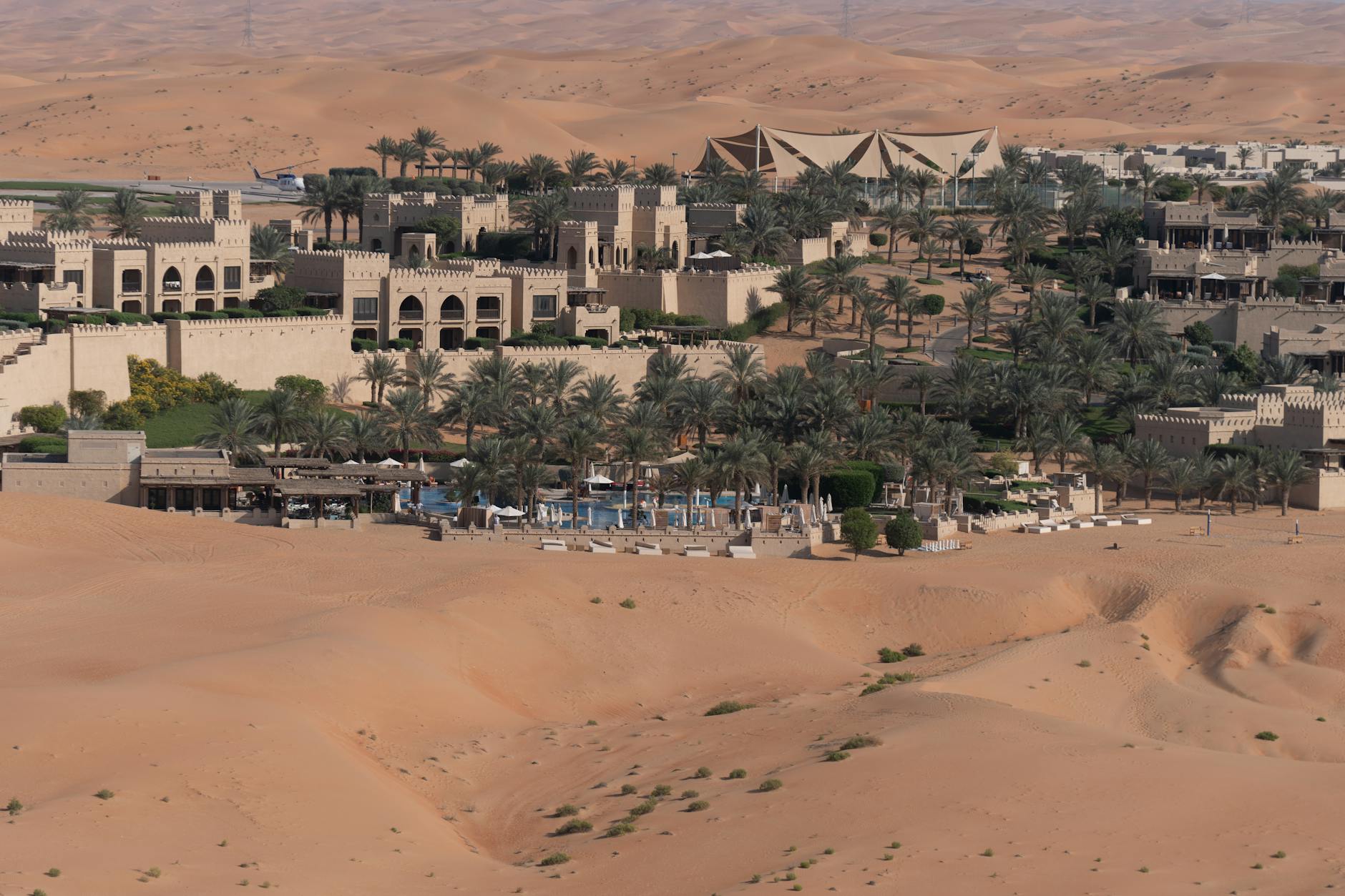
The astronomy hotel trend positions Chile’s Atacama Desert as a premier destination for scientific tourism, joining a growing category of specialized travel experiences that combine education with luxury accommodation. As space exploration continues capturing global attention and light pollution threatens astronomical observation in populated areas, these desert properties offer an increasingly rare commodity: genuine access to the universe above.
Future developments include partnerships with space agencies for guest programs related to Mars exploration research, expanded educational offerings through international university collaborations, and integration with emerging space tourism initiatives. The success of Atacama’s astronomy hotels demonstrates growing demand for authentic scientific experiences that go beyond conventional travel destinations.
Frequently Asked Questions
What makes Atacama Desert ideal for astronomy tourism?
The desert’s extreme dryness, high altitude, and minimal light pollution create the world’s clearest night skies for celestial observation.
Can guests visit the actual observatories from these hotels?
Some hotels offer guided observatory tours, but access is limited and requires advance booking due to sensitive scientific equipment.