
Coffee farmers in Colombia’s famed Triangle region are transforming their ancestral plantations into immersive tourism experiences that showcase sustainable farming practices while preserving generations-old traditions. The UNESCO World Heritage coffee cultural landscape, spanning Caldas, Quindío, and Risaralda departments, has launched a network of farm-based tourism programs that invite travelers to participate in every stage of coffee production.
The initiative represents a significant shift from traditional plantation tours to hands-on experiences where visitors sleep in converted farmhouses, work alongside farmers during harvest season, and learn organic cultivation techniques that have sustained local communities for over a century. Major coffee cooperatives across the region report overwhelming international interest, with bookings from European and North American visitors extending into 2025.
From Bean to Cup: Immersive Harvest Experiences
The new farm-stay programs center around active participation in coffee cultivation and processing. Visitors arrive at working plantations where they join local families in daily activities including hand-picking ripe cherries, operating traditional pulping machines, and monitoring fermentation processes in concrete tanks.
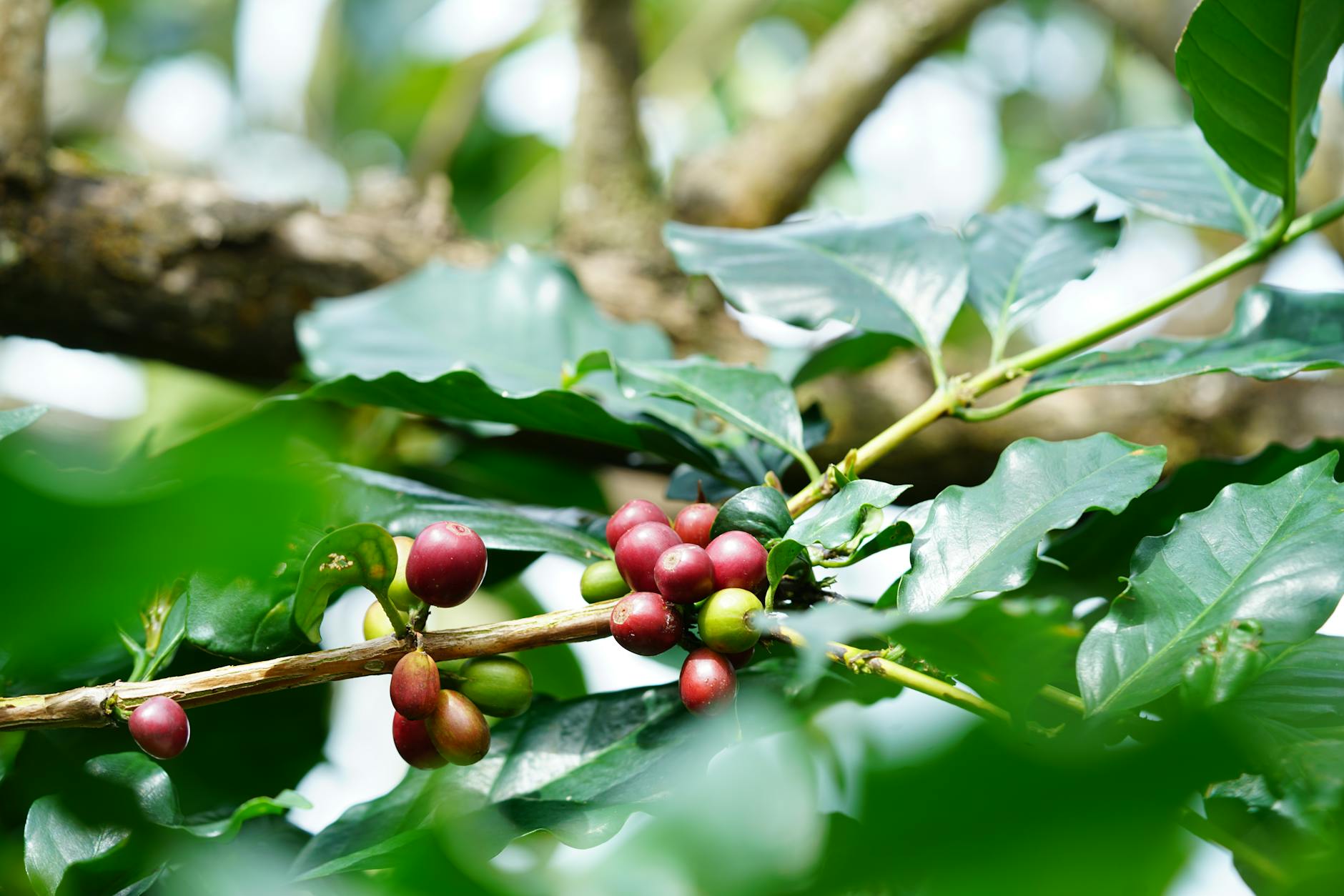
At Finca La Esperanza in Manizales, guests wake before dawn to collect coffee cherries alongside third-generation farmers who share knowledge about soil management, shade tree cultivation, and natural pest control methods. The experience includes learning to identify optimal ripeness by color and firmness, understanding elevation’s impact on flavor profiles, and mastering the art of selective picking that maintains quality standards.
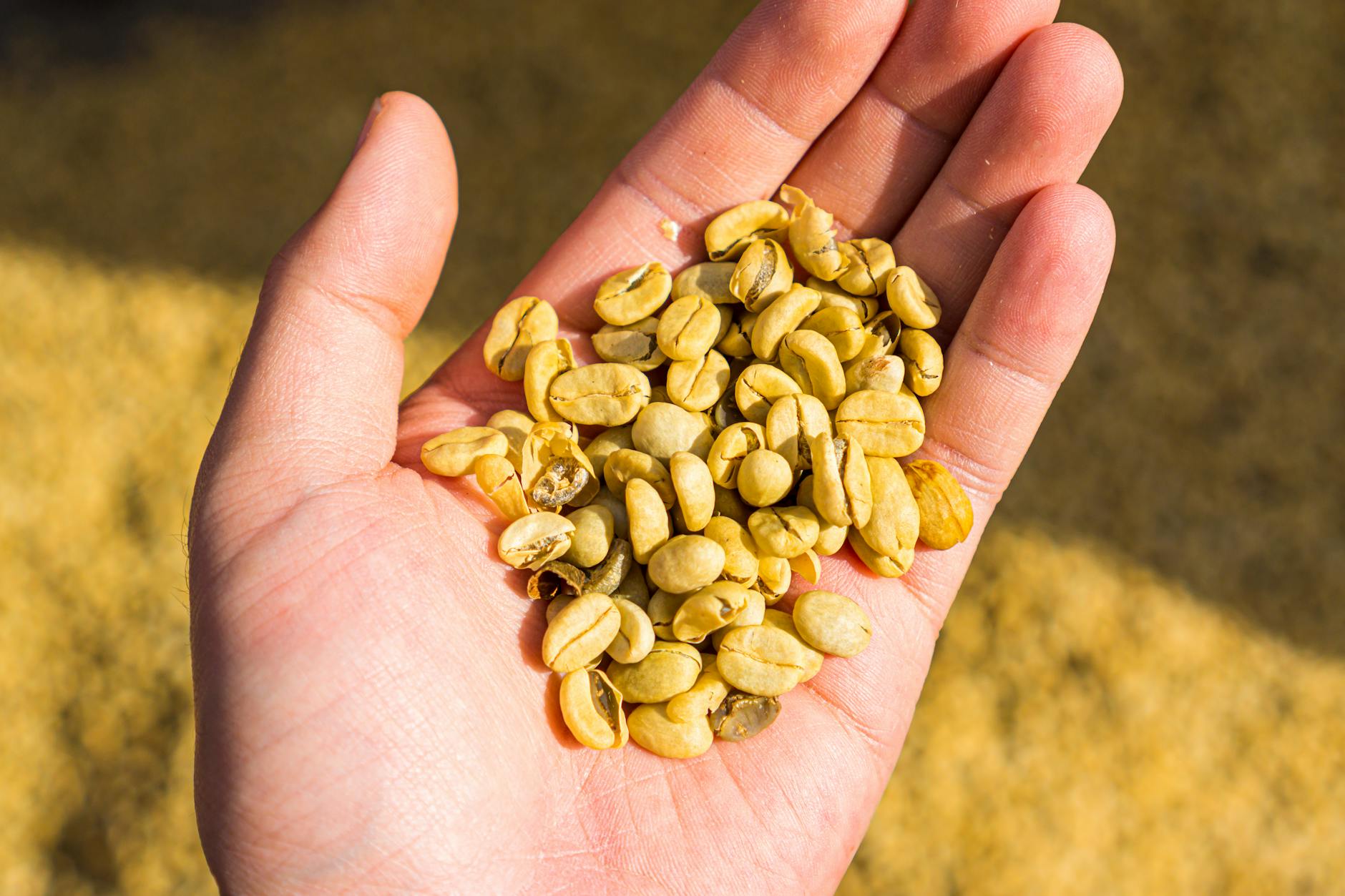
Processing workshops teach visitors about wet and dry preparation methods, with hands-on sessions in washing stations where beans are sorted, fermented, and dried on traditional patios. Participants learn to operate mechanical depulpers, monitor moisture levels, and understand how processing choices affect final cup characteristics.
Evening sessions feature cupping workshops where visitors taste their day’s harvest alongside professional cuppers, learning to identify flavor notes, body characteristics, and regional terroir markers that distinguish Colombian beans from other origins.
Sustainable Agriculture in Practice
The tourism programs emphasize environmental stewardship practices that local farmers have developed to maintain productivity while protecting biodiversity. Participating farms demonstrate organic certification processes, composting systems, and water conservation techniques that reduce environmental impact while maintaining quality standards.
Visitors observe shade-grown coffee systems where native trees create canopy coverage that supports bird populations and prevents soil erosion. The integrated approach includes learning about companion planting with banana trees, citrus groves, and native species that provide natural pest control and soil enrichment.
Water management demonstrations show how farms process coffee cherries using minimal water through controlled fermentation and mechanical mucilage removal. Participants see firsthand how processing wastewater becomes organic fertilizer through constructed wetland systems that filter runoff before it reaches local streams.
The programs also address climate adaptation strategies as farmers share techniques for managing temperature fluctuations and changing precipitation patterns that affect growing seasons. Visitors learn about drought-resistant varietals, soil conservation methods, and elevation management that help farms maintain productivity despite environmental challenges.
Cultural Heritage and Community Connection
Beyond agricultural education, the farm experiences preserve cultural traditions through music, crafts, and culinary activities that connect visitors with regional heritage. Traditional bamboo architecture workshops teach construction techniques using guadua bamboo that grows naturally throughout the region.
Local artisans demonstrate pottery making, weaving, and woodworking skills that have supported coffee communities for generations. Visitors participate in making traditional tools like coffee picking baskets and learn about indigenous Quimbaya influences that shaped regional culture before Spanish colonization.
Culinary components feature traditional Paisa cuisine prepared with ingredients grown on the farms. Cooking classes include preparing sancocho with farm-raised chicken and vegetables, making arepa de chócolo with fresh corn, and creating traditional desserts using panela produced from estate sugarcane.
Evening activities include traditional music sessions where visitors learn to play tiple and guitar while local musicians share songs that tell stories of coffee cultivation, family traditions, and regional history. Similar immersive cultural programs have proven successful in other destinations, including Morocco’s Atlas Mountains Berber village homestays that combine cultural preservation with tourism revenue.
Economic Impact and Regional Development
The sustainable tourism initiative provides additional income streams for coffee farming families who have faced price volatility in global commodity markets. Participating farms report that tourism revenue helps stabilize household income while creating employment opportunities for young adults who might otherwise migrate to urban areas.
Regional tourism boards document increased visitor spending in local communities, with tourists purchasing handicrafts, visiting nearby attractions, and extending stays to explore colonial towns like Salento and Filandia. The multiplier effect supports restaurants, transportation services, and cultural sites throughout the Triangle region.
Training programs help farmers develop hospitality skills, basic English communication, and business management capabilities necessary for successful tourism operations. Technical assistance includes guidance on facility improvements, safety protocols, and marketing strategies that attract international visitors while maintaining authentic experiences.
The model demonstrates how agricultural communities can diversify income sources while preserving traditional practices and environmental stewardship. Early success has attracted attention from development organizations and tourism boards in other coffee-producing regions seeking to replicate the approach.
Planning Your Coffee Triangle Adventure
The farm tourism experiences operate year-round with peak activity during harvest seasons from September through December when visitors can participate in cherry picking and processing activities. Advance booking is recommended, particularly for harvest season experiences that offer the most comprehensive agricultural involvement.
Transportation to participating farms is available from regional airports in Manizales, Armenia, and Pereira, with tour operators providing transfers and coordination services. Most farm stays include meals prepared with estate ingredients, guided activities, and cultural demonstrations as part of package pricing.
Visitors should prepare for physical activity including walking on mountainous terrain, early morning starts, and outdoor work in tropical conditions. Basic Spanish language skills enhance interactions with farming families, though many hosts are developing English communication abilities through tourism training programs.
As Colombia’s Coffee Triangle continues expanding these sustainable tourism offerings, the region positions itself as a leading destination for agricultural tourism that combines education, cultural exchange, and environmental stewardship. The success of these programs may inspire similar initiatives across Latin America’s coffee-growing regions, creating new models for rural development that honor tradition while embracing innovation.
Frequently Asked Questions
When is the best time to visit Colombia’s Coffee Triangle for farm experiences?
Peak harvest season from September through December offers the most comprehensive agricultural activities and coffee processing involvement.
What activities are included in the coffee farm tourism programs?
Visitors participate in coffee picking, processing, cupping sessions, cultural workshops, traditional cooking, and overnight stays with farming families.