
What You Need to Know About European Train Pass Changes
European train travel is undergoing its biggest transformation in decades. Starting January 1, 2026, Eurail and Interrail passes will implement major changes affecting pricing, coverage, and booking procedures. These updates stem from post-pandemic ridership patterns and new partnerships between European rail operators.
The changes will impact millions of travelers who rely on these passes for flexible European adventures. Some modifications benefit budget travelers, while others require more advance planning. Understanding these shifts now helps you make informed decisions about future European trips and potentially save hundreds of dollars on transportation costs.
1. Research the New Pass Structure and Pricing Tiers
The 2026 system introduces three distinct pass categories: Economy, Standard, and Premium. Economy passes restrict travel to regional and slower intercity trains, while Standard passes include most high-speed services with advance reservations. Premium passes offer unlimited access to all trains with guaranteed seating.
Pricing varies significantly between tiers. Economy passes reportedly cost 30% less than current standard passes, making European train travel more accessible to budget-conscious travelers. However, Premium passes command a substantial premium over today’s pricing due to included reservation guarantees and additional services.
Each tier has different validity periods and country coverage. Economy passes cover 15 European countries, Standard passes include 25 countries, and Premium passes provide access to all 33 participating nations. This tiered approach replaces the current one-size-fits-all model that often left travelers paying for services they didn’t use.
2. Understand the New Reservation System Requirements
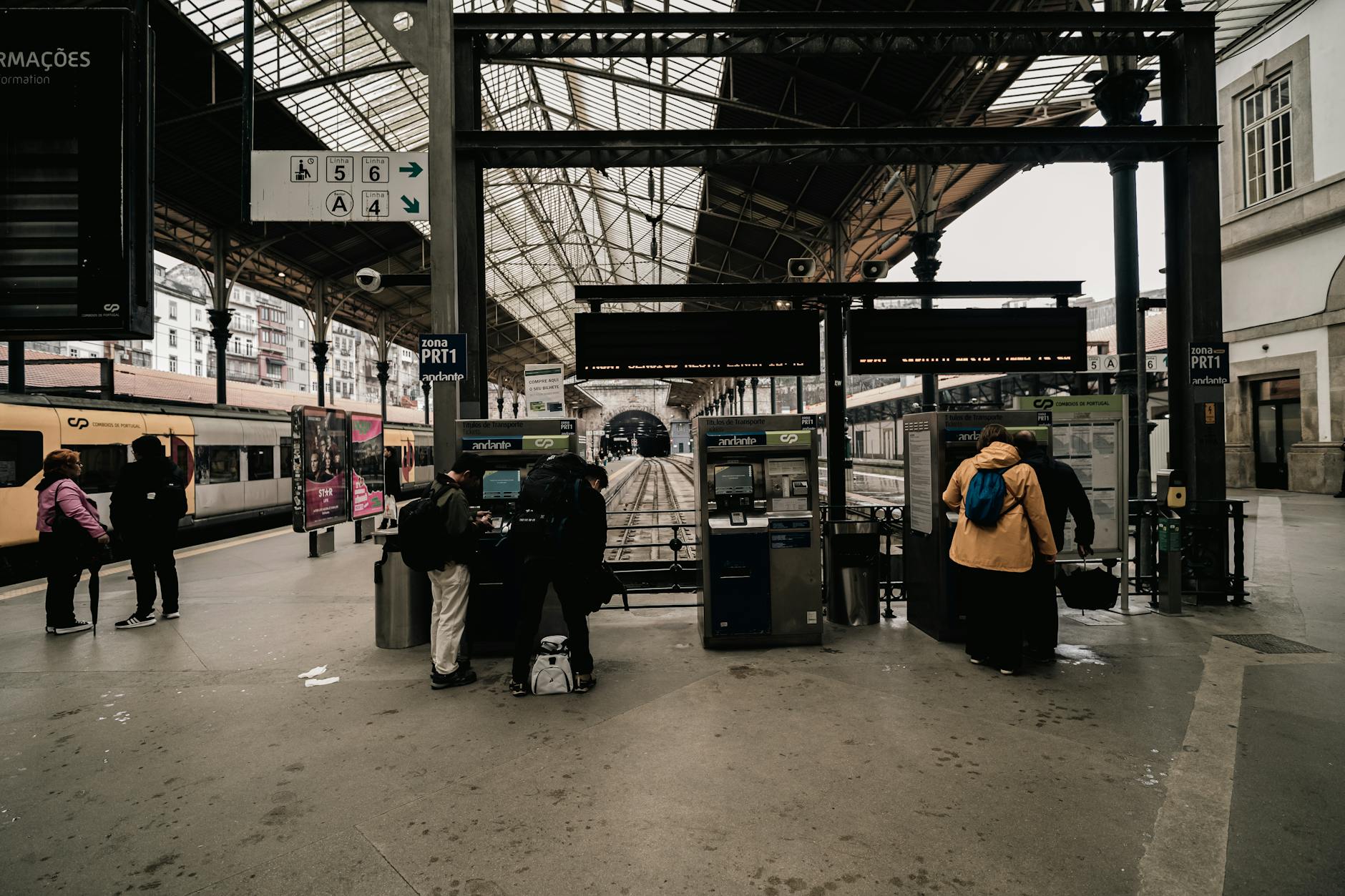
Starting in 2026, all high-speed and international trains require mandatory advance reservations, even with valid passes. This represents a significant shift from the current system where pass holders could board many trains without reservations, though availability wasn’t guaranteed.
The new reservation system operates through a unified European platform that launches alongside the pass changes. Pass holders must book seats at least 72 hours in advance for popular routes during peak season. Last-minute reservations carry additional fees ranging from 5 to 15 euros per booking.
Reserve quota allocations for pass holders vary by route and season. Summer routes between major cities like Paris to Rome or Barcelona to Amsterdam have limited pass holder seats, making early booking essential. Regional routes maintain more flexible reservation policies with same-day booking often available.
3. Navigate the Updated Country Coverage Maps
Several countries will modify their participation levels in 2026. Norway joins as a full member after years as a limited partner, while some Eastern European countries adjust their coverage areas. The changes reflect evolving rail infrastructure and bilateral agreements between operators.

New partnership agreements with private rail operators expand coverage in traditionally difficult regions. Italy’s private high-speed operator Italo now accepts passes on select routes, while several Spanish regional operators join the network. These additions provide more routing options but require understanding which services accept passes.
Border crossing procedures remain largely unchanged, but some routes now require specific pass validation at international stations. This particularly affects travelers using Economy passes, which have more restrictions on cross-border services compared to higher tiers.
4. Master the Digital Pass Integration
Physical passes become obsolete in 2026, replaced entirely by mobile app integration. The new system links directly to your smartphone, eliminating the need for paper validation stamps or physical tickets. Digital passes include real-time journey tracking and automatic seat assignment for reserved services.
The mobile system requires consistent internet connectivity for ticket validation. Offline mode stores essential travel information for up to 48 hours, but booking new reservations requires active internet access. Backup digital copies can be stored on multiple devices to prevent travel disruptions from technical issues.
Pass sharing between family members becomes more restricted under the digital system. Each pass links to a specific traveler’s passport information and cannot be transferred between people. Group passes for families maintain shared management features while ensuring individual accountability for reservations.
5. Plan for New Booking Windows and Seasonal Restrictions
Reservation windows vary significantly by pass tier and destination. Premium pass holders can book up to six months in advance, while Economy pass users face a 30-day advance booking limit. These restrictions help manage capacity and ensure fair access across different price points.
Peak season surcharges apply to certain routes regardless of pass tier. Summer travel between June and August includes additional fees for high-demand corridors like London to Paris or Munich to Vienna. These surcharges range from 10 to 25 euros per reservation, depending on route popularity and travel class.
Blackout periods affect some routes during major European holidays and events. Economy passes face the most restrictions during Christmas markets season, summer festivals, and major sporting events. Standard and Premium passes maintain access during these periods but at higher reservation fees.
6. Prepare Documentation and Account Setup
New identity verification requirements mandate passport information at purchase rather than first use. This change prevents pass resale and ensures accurate traveler identification for border crossings and emergency situations. Account setup requires additional personal information compared to current procedures.
Payment methods expand to include more regional options, but cryptocurrency payments will be discontinued. The new system accepts major credit cards, PayPal, and several European digital payment services. Payment plans for Premium passes allow spreading costs over three months before travel dates.
Travel insurance integration becomes standard across all pass tiers. Basic coverage for trip interruption and medical emergencies includes automatic enrollment, with options to upgrade to comprehensive coverage. This integration addresses common traveler concerns about unexpected disruptions during European adventures.
For budget-conscious travelers looking to maximize their European rail experience, consider reading our guide on navigating train travel across Europe on a tight budget, which provides additional strategies for affordable rail adventures.
Key Takeaways for 2026 European Train Pass Changes
The 2026 European train pass overhaul fundamentally changes how travelers explore Europe by rail. Three-tier pricing provides more tailored options but requires careful consideration of your travel style and budget. Digital-only passes streamline the experience while demanding reliable smartphone access throughout your journey.
Mandatory reservations for high-speed trains eliminate uncertainty but require more advance planning. Book popular summer routes early and prepare for seasonal surcharges during peak travel periods. The expanded country coverage and new operator partnerships create more routing possibilities, though with varying service levels between pass tiers.
Start preparing now by creating accounts on the new platform and familiarizing yourself with digital pass requirements. Consider purchasing passes under the current system for early 2026 travel to avoid the initial adjustment period. These changes represent the future of European rail travel, prioritizing capacity management and traveler experience over the traditional spontaneous backpacking model.
Frequently Asked Questions
When do the new European train pass changes take effect?
All major changes to Eurail and Interrail passes begin January 1, 2026, replacing the current pass system entirely.
Do I need reservations for all trains with the new passes?
High-speed and international trains require advance reservations, while regional trains often allow same-day booking depending on your pass tier.