Costa Rica’s Cloud Forest Canopy Hotels Open to Public After Decade of Research Use

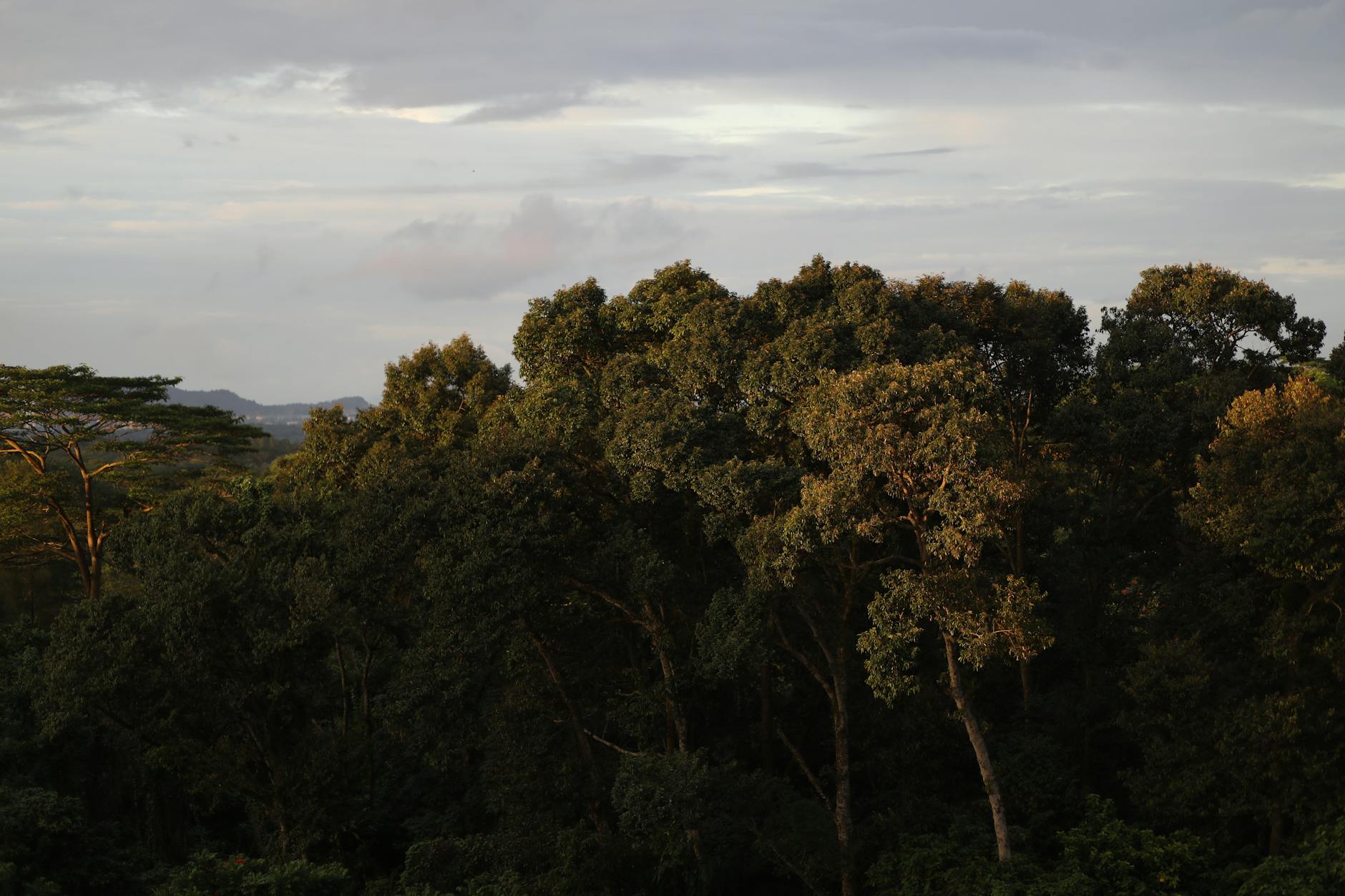
After a decade of exclusive use by researchers studying cloud forest ecosystems, Costa Rica’s canopy hotels are finally opening their doors to adventure travelers. These unique accommodations, suspended 100 to 200 feet above ground in the country’s Monteverde and San Gerardo de Dota cloud forests, offer visitors an unprecedented opportunity to sleep among the treetops in one of Earth’s most biodiverse environments.
The initiative began in 2014 when Costa Rica’s National Institute of Biodiversity partnered with sustainable tourism developers to create research stations that could eventually serve dual purposes. Scientists have spent years studying the cloud forest’s complex ecosystem from these elevated platforms, documenting everything from nocturnal animal behavior to epiphyte growth patterns. Now, with their research protocols established, these stations are transitioning into eco-luxury accommodations.
Suspended Sanctuaries in the Clouds
The canopy hotels consist of twelve individual pod-style rooms connected by a network of suspension bridges and platforms. Each pod features floor-to-ceiling windows, offering 360-degree views of the cloud forest canopy. The structures are built using locally sourced materials and designed to minimize environmental impact while maximizing the immersive experience.
Guests sleep 150 feet above the forest floor, where they’re surrounded by the sounds of howler monkeys, quetzals, and over 400 other bird species. The accommodations include basic amenities like comfortable beds, solar-powered lighting, and composting toilets, but intentionally lack WiFi and televisions to encourage digital detox and forest connection.
The hotels operate on strict sustainability principles developed during the research phase. All water is collected from cloud moisture and filtered naturally. Waste is minimized through composting systems, and the structures use renewable energy sources. Guest numbers are limited to 24 people across all pods to maintain the delicate ecological balance researchers have been monitoring.
From Science Station to Guest Experience
The transition from research facility to tourist accommodation required extensive planning to preserve the scientific integrity of the location while creating a memorable visitor experience. Dr. Maria Gonzalez, who led the biodiversity research team, remains involved as the hotels’ chief ecological advisor.
“We’ve learned so much about how human presence affects cloud forest ecosystems,” Gonzalez explains. “The guest experience is designed around minimizing disruption while maximizing educational value. Visitors become temporary citizen scientists, participating in data collection and observation protocols.”
Each guest receives training on cloud forest ecology and contributes to ongoing research through guided observation sessions. Morning and evening activities include bird counting, weather data recording, and photography documentation that aids scientific studies. The hotel staff includes trained naturalist guides who were previously research assistants.
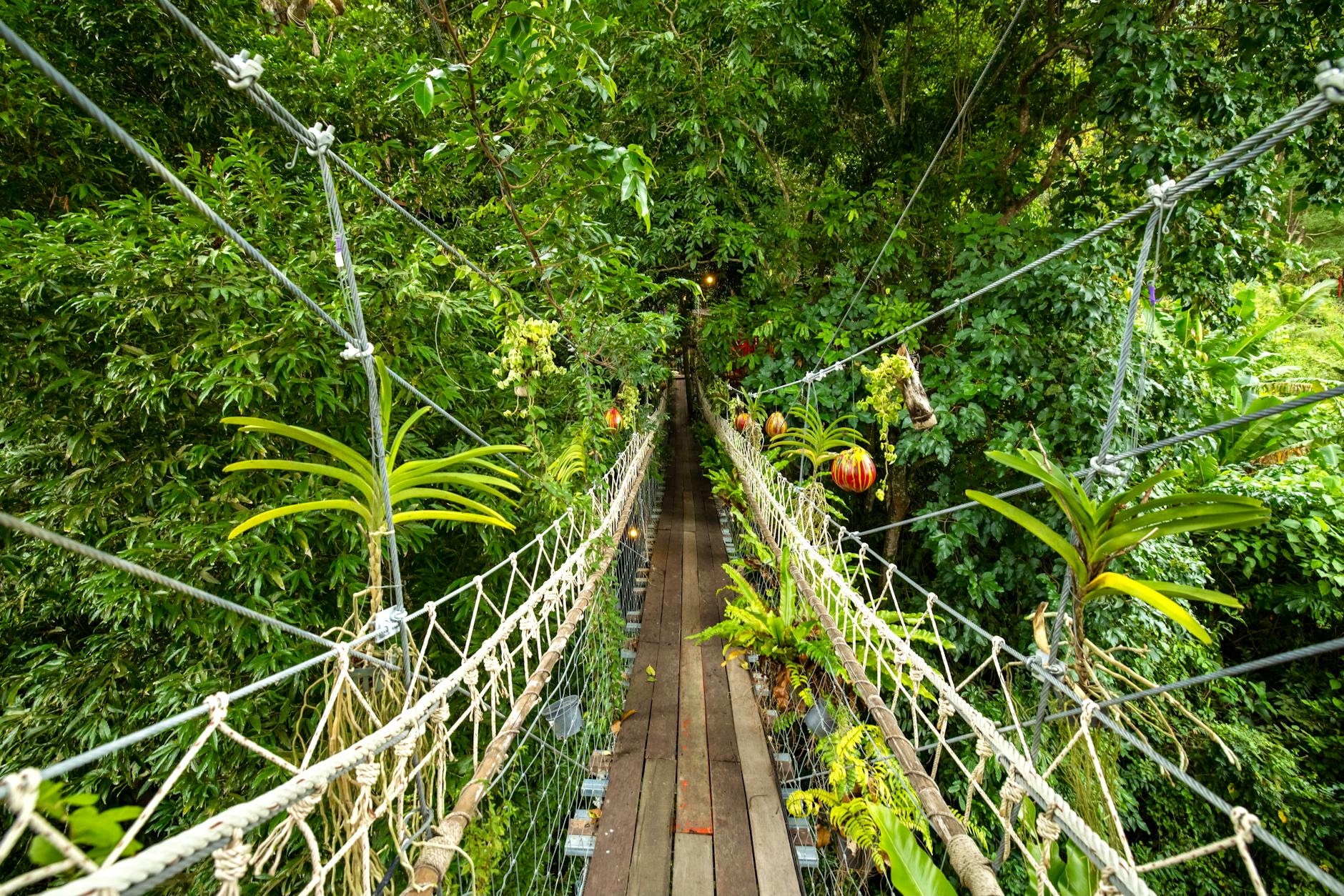
The pods are strategically positioned at different canopy levels to showcase the forest’s vertical biodiversity. Lower pods at 100 feet offer views of the understory and midstory layers, while higher accommodations at 200 feet provide access to the emergent layer where the largest trees break through the canopy.
Adventure Activities and Research Integration
Beyond sleeping in the treetops, guests can participate in various research-based activities. Night tours reveal the cloud forest’s nocturnal ecosystem, including rare mammals like kinkajous and olingo that are typically invisible to ground-based visitors. Dawn expeditions focus on bird behavior, particularly the resplendent quetzal, which has been a key subject of the decade-long research project.
The canopy hotels offer specialized photography workshops led by wildlife photographers who have documented the research process. Guests learn techniques for capturing images in low-light cloud forest conditions while contributing to the ongoing visual documentation of species behavior and habitat changes.
Zip-line systems originally installed for researcher access now serve as thrilling transportation between observation platforms. However, these activities are scheduled around animal feeding and nesting times to minimize ecosystem disruption. The hotels also feature suspended yoga platforms and meditation spaces designed by researchers who studied the psychological effects of canopy immersion.
Similar innovative accommodations are emerging worldwide, including New Zealand’s underground glowworm cave camping experiences, demonstrating growing interest in research-based adventure tourism.
Booking and Future Expansion
Reservations for the cloud forest canopy hotels open in March 2024, with stays limited to two nights to reduce environmental impact and maintain exclusivity. Rates include all meals prepared using ingredients from sustainable local farms, guided research activities, and transportation from San José via electric vehicles.
The success of this project has inspired similar initiatives across Costa Rica’s diverse ecosystems. Plans are underway for canopy accommodations in the country’s dry forests and mangrove systems, each based on completed long-term research projects. The model demonstrates how scientific research can directly benefit local communities through sustainable tourism development.
Costa Rica’s cloud forest canopy hotels represent a new paradigm in eco-tourism, where visitors don’t just observe nature but actively participate in its study and preservation. As these unique accommodations prepare to welcome their first guests, they promise to transform how travelers experience one of the world’s most mysterious and beautiful ecosystems.
Frequently Asked Questions
How high are the cloud forest canopy hotel pods?
The pods are suspended 100 to 200 feet above the forest floor, offering different perspectives of the cloud forest ecosystem.
What activities are included at the canopy hotels?
Guests participate in research activities, guided night tours, bird watching, photography workshops, and contribute to ongoing scientific studies.