
Costa Rica’s New Sustainable Tourism Certification Program Transforms Beach Resorts

Costa Rica launches its most ambitious environmental initiative yet: a comprehensive sustainable tourism certification program that transforms how beach resorts operate along the Pacific and Caribbean coastlines. The Certificación de Sostenibilidad Turística (CST) Plus program establishes new standards for water conservation, waste management, and community engagement that resort operators must meet to maintain their tourism licenses.
The Costa Rican Tourism Institute introduced this enhanced certification system after monitoring revealed that traditional beach tourism was placing unsustainable pressure on coastal ecosystems. Popular destinations like Guanacaste Province and the Osa Peninsula showed signs of environmental stress from increased visitor numbers and resort development. The new program requires participating properties to demonstrate measurable improvements in environmental impact within 18 months of enrollment.
Comprehensive Environmental Standards Reshape Resort Operations
The CST Plus certification evaluates resorts across four critical categories: environmental management, community involvement, guest education, and resource efficiency. Properties must achieve a minimum score of 85 out of 100 points to receive certification, with annual audits ensuring continued compliance.
Water conservation represents the program’s most rigorous requirement. Resorts must install greywater recycling systems, implement rainwater harvesting, and reduce freshwater consumption by at least 30% within the first certification period. The Marriott properties in Guanacaste have already installed advanced filtration systems that allow treated wastewater to irrigate landscaping and golf courses.
Waste management protocols require certified resorts to achieve zero landfill waste by 2025. This means establishing comprehensive recycling programs, composting organic materials, and partnering with local communities for waste processing. The Four Seasons Peninsula Papagayo has created an on-site composting facility that processes kitchen waste into fertilizer for local organic farms.
Energy efficiency standards mandate that certified properties generate at least 40% of their electricity from renewable sources. Solar panel installations have become common sights across participating resorts, while some properties explore geothermal and wind power options. The Andaz Costa Rica Resort at Peninsula Papagayo operates entirely on renewable energy through a combination of solar arrays and battery storage systems.
Community Integration Drives Local Economic Development
The certification program requires resorts to demonstrate meaningful community partnerships that create local employment and support traditional livelihoods. Properties must source at least 60% of food purchases from Costa Rican suppliers, with preference given to organic farms and fishing cooperatives within 100 kilometers of the resort.
Staff hiring practices emphasize local recruitment, with certified resorts required to fill at least 70% of positions with Costa Rican nationals. Many properties have established training programs in partnership with local technical schools to develop hospitality skills among community members. The Westin Reserva Conchal has created an apprenticeship program that trains local youth in sustainable tourism practices while providing guaranteed employment opportunities.
Cultural preservation initiatives form another cornerstone of community engagement requirements. Resorts must offer authentic cultural experiences that showcase Costa Rican traditions, crafts, and cuisine. This has led to partnerships with local artisans, musicians, and cultural groups who provide regular programming for resort guests. The program explicitly prohibits cultural performances that misrepresent or oversimplify Costa Rican heritage.

Similar community-focused approaches have proven successful in other destinations, as seen in Canada’s Indigenous Tourism Trails, which demonstrate how authentic cultural partnerships enhance both visitor experiences and local economic development.
Guest Education Programs Transform Visitor Behavior
Certified resorts must implement comprehensive guest education programs that promote environmental awareness and responsible tourism practices. These initiatives go beyond simple signage to include interactive workshops, guided nature tours led by local naturalists, and hands-on conservation activities.
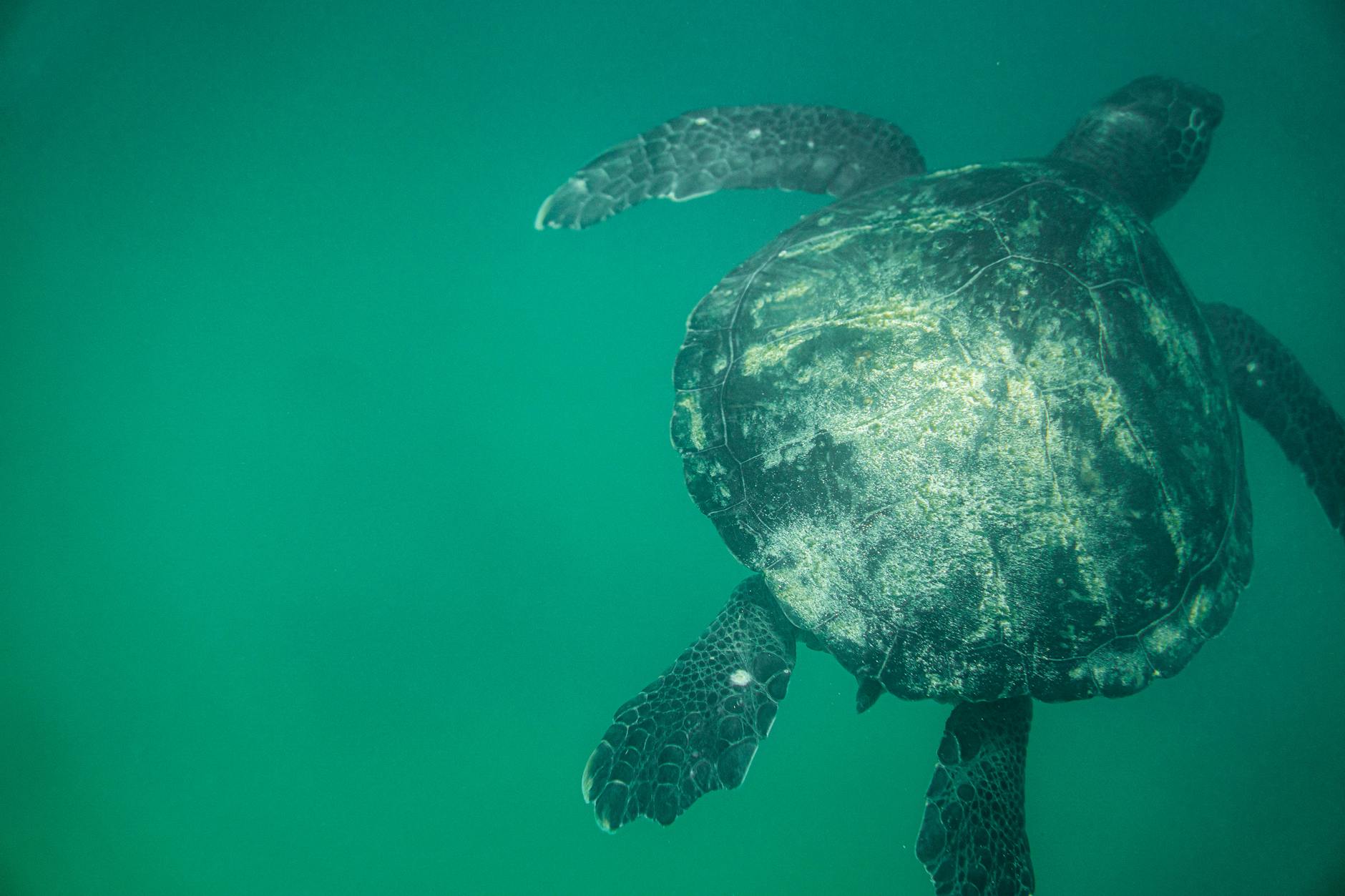
Wildlife protection education has become particularly important along Costa Rica’s Pacific coast, where sea turtle nesting sites coincide with popular beach resort areas. Certified properties must offer nightly turtle watching programs during nesting season, led by trained guides who educate visitors about conservation challenges while ensuring minimal disturbance to nesting females.
Marine conservation workshops teach guests about coral reef protection, sustainable fishing practices, and plastic pollution impacts. Many resorts have established reef monitoring programs where visitors can participate in data collection efforts alongside marine biologists. The Fairmont Costa Rica has created an underwater photography program that documents reef health changes while engaging guests in citizen science initiatives.
Forest conservation activities connect visitors with Costa Rica’s renowned biodiversity through guided hikes, bird watching expeditions, and reforestation projects. Guests can participate in tree planting initiatives that restore cleared areas and create wildlife corridors between protected areas. These programs often extend beyond single resort visits, with properties maintaining long-term relationships with returning guests who monitor project progress.
Economic Impact and Industry Transformation
The certification program has attracted significant investment from international hotel chains and independent resort operators. Properties report that sustainable practices often reduce operational costs through decreased energy consumption, lower waste disposal fees, and reduced water usage. The initial infrastructure investments typically pay for themselves within three to five years through operational savings.
Marketing advantages have proven equally valuable, with certified resorts reporting higher occupancy rates and premium pricing opportunities. International tour operators increasingly prioritize sustainable properties when developing Costa Rica packages, particularly for European and North American markets where environmental consciousness influences travel decisions.
The program has created new employment sectors within Costa Rica’s tourism industry. Environmental consultants, sustainability auditors, and renewable energy specialists have experienced increased demand as resorts work toward certification compliance. Local universities have developed specialized programs in sustainable tourism management to meet industry workforce needs.
Industry analysts expect the Costa Rican model to influence sustainable tourism development throughout Central America and the Caribbean. The program’s comprehensive approach addresses environmental concerns while maintaining economic viability, creating a template that other destinations can adapt to local conditions.
Costa Rica’s sustainable tourism certification program represents a fundamental shift in how beach destinations balance environmental protection with economic development. As certified resorts demonstrate that sustainable practices enhance rather than limit guest experiences, the program establishes new standards for responsible tourism throughout the region. The initiative positions Costa Rica as a global leader in sustainable tourism while ensuring that future generations can enjoy the country’s remarkable natural heritage.
Frequently Asked Questions
What are the main requirements for Costa Rica’s sustainable tourism certification?
Resorts must achieve 85/100 points across environmental management, community involvement, guest education, and resource efficiency categories.
How does the certification program benefit local communities?
Resorts must source 60% of food locally, hire 70% staff from Costa Rica, and partner with local artisans and cultural groups.