
Solo female travelers are booking trips to Southeast Asia at record rates, with Thailand, Vietnam, and Indonesia leading destination lists. The region’s affordable accommodations, incredible food scenes, and welcoming cultures make it irresistible – but smart preparation separates confident explorers from stressed-out tourists struggling with preventable problems.
Southeast Asia presents unique challenges that standard travel gear lists often miss. Monsoon seasons, diverse electrical systems, varying connectivity infrastructure, and cultural considerations around clothing all demand specific equipment choices. The right gear transforms potential frustrations into smooth adventures, letting you focus on temple-hopping in Cambodia or island-hopping in the Philippines instead of scrambling for solutions.
Safety and Security Essentials
Personal safety starts with the right equipment choices. A quality money belt or hidden pouch keeps passport copies, emergency cash, and cards secure against pickpockets in busy markets from Bangkok’s Chatuchak to Ho Chi Minh City’s Ben Thanh. Choose models with RFID-blocking material to prevent electronic card skimming, increasingly common in tourist areas.
Portable door locks and door alarms provide extra security in budget accommodations where lock quality varies dramatically. A simple rubber door wedge adds another layer of protection and weighs almost nothing. Personal safety alarms create noise and attention if needed, though they’re rarely necessary in most Southeast Asian destinations.
Quality padlocks secure hostel lockers and luggage during transport. Combination locks eliminate key loss concerns, but choose four-digit versions over three-digit models for better security. TSA-approved versions allow security screening without lock destruction.
Water purification tablets or a portable UV sterilizer handle questionable water sources, though bottled water remains widely available and affordable throughout the region. A quality headlamp with red-light mode proves invaluable during power outages or early morning temple visits, while a whistle provides emergency signaling capability.
Technology and Communication Must-Haves
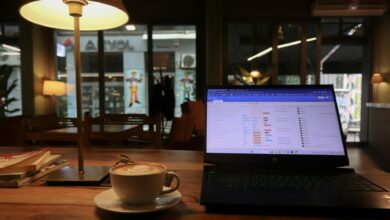
Reliable connectivity shapes modern travel experiences, especially for digital nomads and remote workers exploring the region. A portable WiFi hotspot device provides backup internet when hotel or cafe connections disappoint, though coverage varies significantly between urban centers and rural areas. For travelers needing consistent connectivity, understanding reliable WiFi strategies becomes essential for maintaining productivity while exploring.
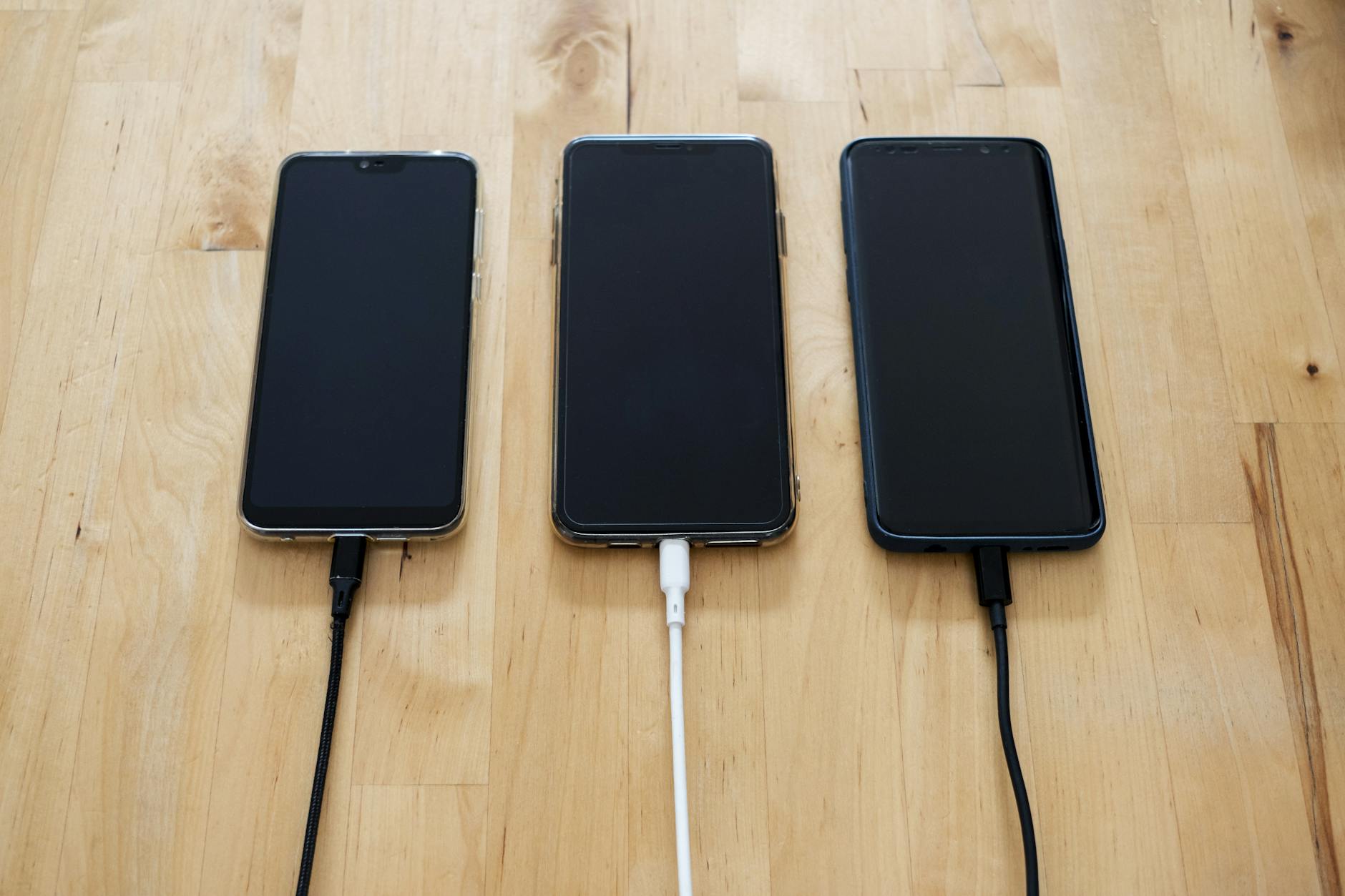
Universal travel adapters handle the region’s mixed electrical standards – Type A, C, and G plugs appear across different countries, sometimes within the same hotel. Models with built-in USB ports charge multiple devices simultaneously, reducing outlet competition in shared accommodations.
Power banks with 20,000+ mAh capacity handle long travel days and areas with unreliable electricity. Solar charging capabilities help in remote locations, though cloud cover during monsoon seasons limits effectiveness. Quick-charge technology minimizes charging downtime when power access becomes available.
Waterproof phone cases protect devices during sudden downpours, boat trips, and beach activities. The region’s high humidity and frequent rain make protection essential, not optional. Look for cases allowing underwater photography for snorkeling adventures.
Offline maps downloaded to smartphones work when cellular coverage disappears in rural areas. Google Maps offline functionality covers most major destinations, while specialized hiking apps like Maps.me provide detailed trail information for trekking adventures.
Clothing and Weather Protection
Southeast Asia’s tropical climate and cultural considerations shape clothing choices more than many regions. Lightweight, quick-drying fabrics handle high humidity and frequent washing better than cotton blends. Merino wool shirts provide odor resistance for extended wear, crucial when laundry services aren’t available.
Modest clothing requirements for temple visits and conservative areas mean covering shoulders and knees regularly. Lightweight long pants and long-sleeved shirts with roll-up capability adapt to both cultural expectations and sun protection needs. A sarong serves multiple purposes – beach cover-up, temple-appropriate covering, towel substitute, and sleeping sheet.
Rain gear must balance protection with packability. A quality rain jacket with pit zips provides ventilation during high-activity use, while a compact umbrella handles urban downpours. Waterproof stuff sacks protect clean clothes and electronics during unexpected soaking.
Quality hiking boots or trail shoes handle varied terrain from urban cobblestones to jungle paths. Flip-flops or sandals work for beaches and casual wear but choose models with good arch support for extended walking. Water shoes protect feet on rocky beaches and during river activities.
Sun protection goes beyond sunscreen in this intense climate. Wide-brimmed hats provide face and neck coverage, while UV-protective clothing offers all-day protection without constant reapplication. Quality sunglasses with 100% UV protection are essential for eye health during extended outdoor time.
Health and Hygiene Essentials
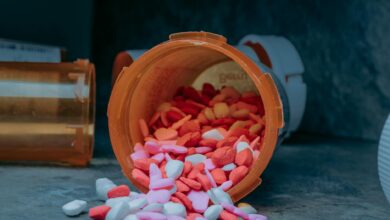
Personal health management takes on increased importance when medical facilities vary dramatically between locations. A comprehensive first aid kit should include prescription medications in original containers with documentation, as detailed guidance on packing medications safely for international travel helps avoid customs complications.
Hand sanitizer becomes crucial when soap and water aren’t available, particularly before eating street food or after handling money. Choose alcohol-based formulas with 60% or higher alcohol content for effectiveness against bacteria and viruses.
Insect repellent with DEET provides essential protection against mosquito-borne diseases like dengue fever and malaria in affected areas. Permethrin-treated clothing offers additional protection, lasting through multiple wash cycles. Mosquito nets for sleeping areas where air conditioning isn’t available add another protection layer.
Water bottles with built-in filtration handle questionable water sources, though quality varies significantly between brands. Boiling water remains the most reliable purification method when time permits. Oral rehydration salts combat dehydration from heat, humidity, and potential stomach issues.
Quality toilet paper and wet wipes become essential when facilities lack adequate supplies. Feminine hygiene products may be difficult to find in rural areas, making advance packing important. Quick-dry towels take up less space than traditional towels while drying faster in humid conditions.
Smart Packing and Organization
Efficient packing systems maximize space while keeping essentials accessible. Packing cubes organize clothing by type and help locate items quickly without unpacking everything. Compression sacks reduce bulky items like sleeping bags or puffy jackets to manageable sizes.
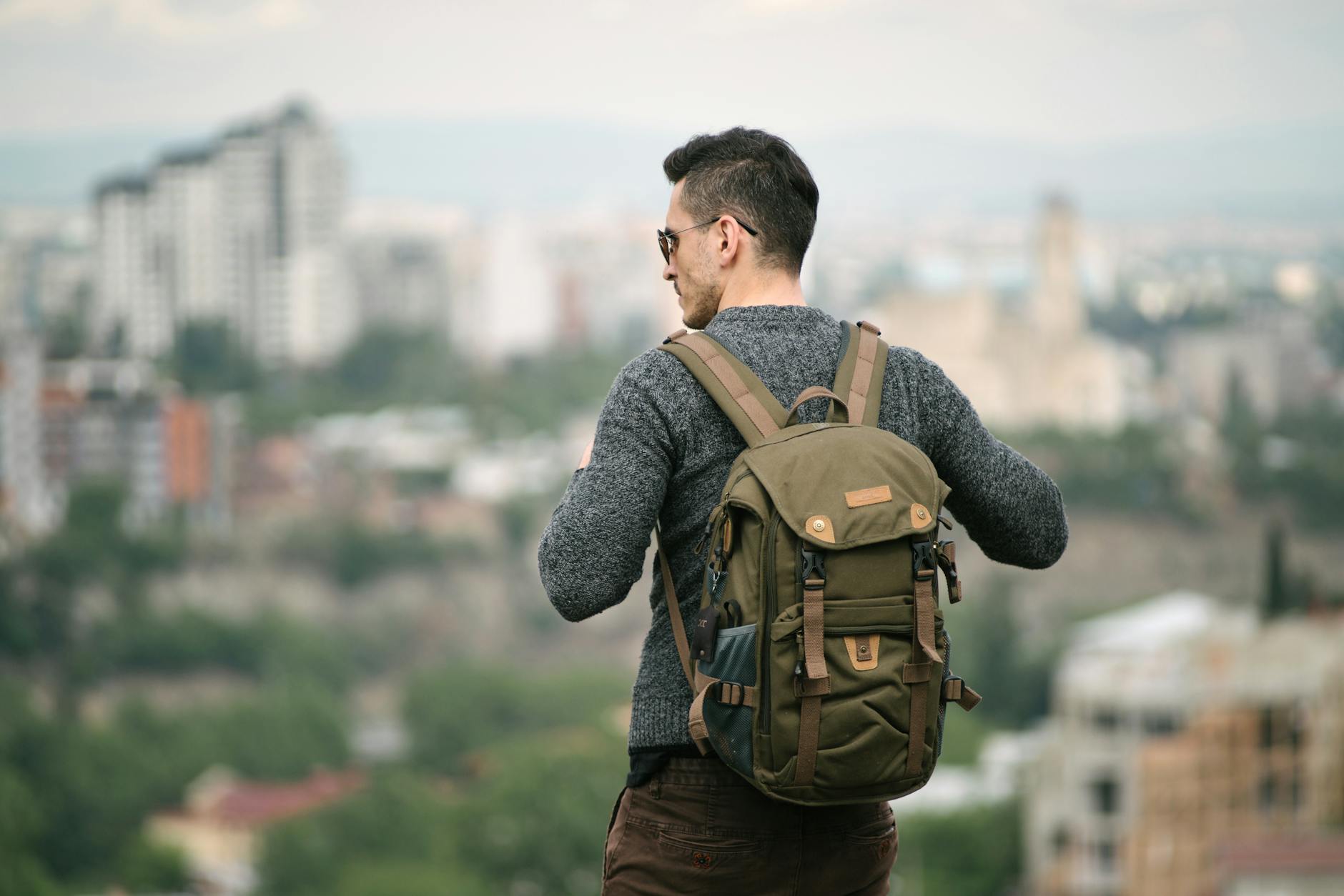
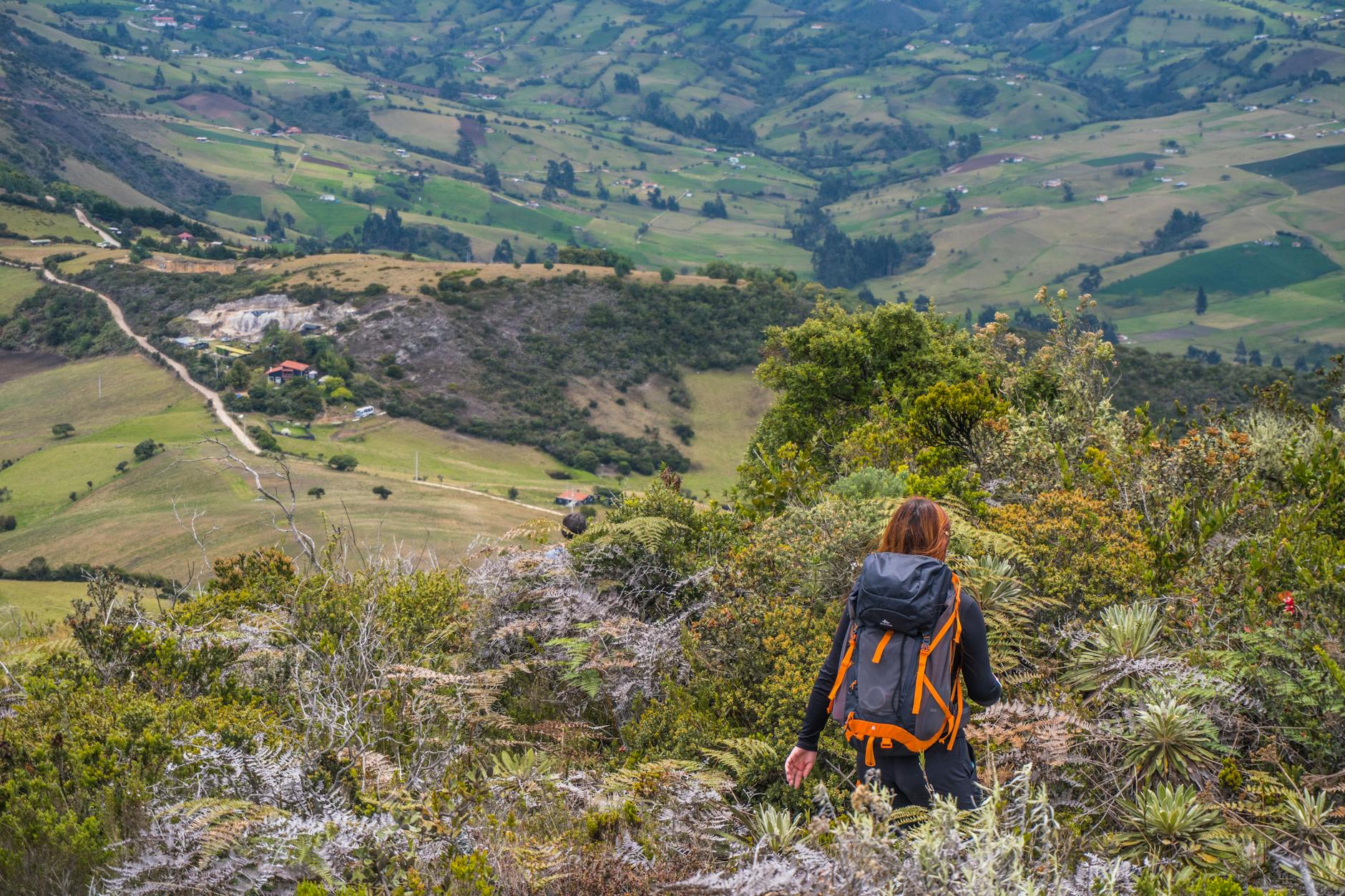
A daypack for excursions should be comfortable for extended wear and large enough for water, snacks, camera gear, and purchases without being cumbersome in crowded spaces. Anti-theft features like locking zippers and cut-resistant straps provide peace of mind in busy tourist areas.
Documentation organization prevents delays and complications. Passport holders with RFID blocking keep important documents together while protecting against electronic theft. Multiple copies of important documents stored separately ensure access even if originals are lost or stolen.
The solo female travel landscape in Southeast Asia continues evolving as infrastructure improvements and safety awareness programs expand across the region. Digital payment systems are reducing cash dependency, while improved transportation networks are opening previously difficult destinations. Understanding tourist scam prevention remains important as popular destinations develop new challenges alongside their opportunities.
Smart gear selection, combined with cultural awareness and flexible planning, creates the foundation for memorable Southeast Asian adventures that prioritize both safety and exploration.
Frequently Asked Questions
What safety gear is most important for solo female travelers in Southeast Asia?
Money belts, portable door locks, personal alarms, and quality padlocks are essential safety items for secure solo travel.
Do I need special electronics for traveling in Southeast Asia?
Universal adapters, high-capacity power banks, waterproof phone cases, and offline maps are crucial for the region’s varied electrical systems and weather.