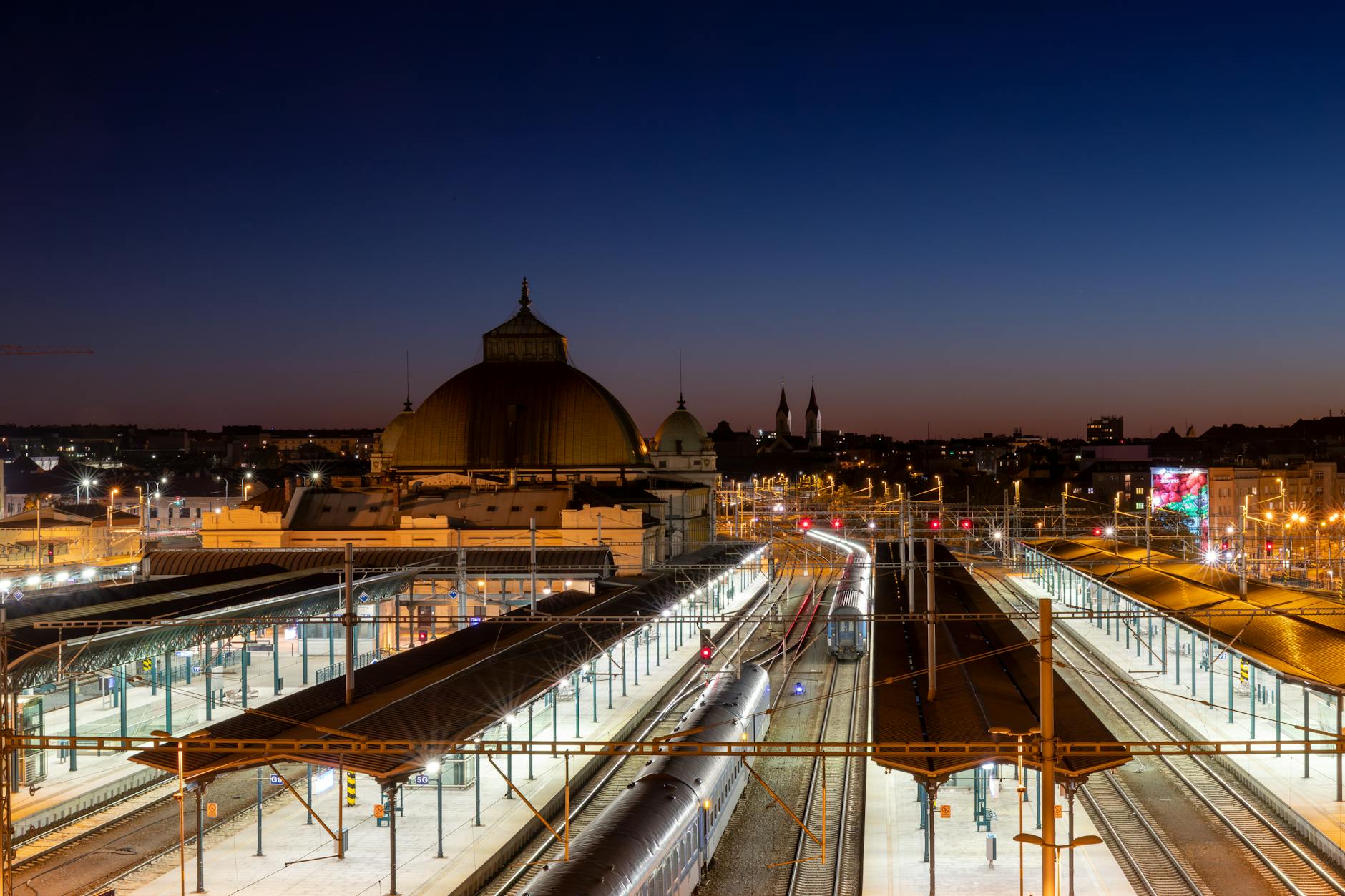

Europe’s rail operators are quietly revolutionizing overnight travel with a network of high-speed sleeper trains that cross multiple borders. While airlines compete for short-haul dominance, these new routes let passengers board in one capital and wake up refreshed in another, combining the comfort of a hotel room with speeds that rival air travel.
The European Union’s massive infrastructure investment has enabled this transformation. New tracks, upgraded signals, and streamlined customs procedures now allow trains to maintain high speeds across national borders. Major operators like SNCF, Deutsche Bahn, and Trenitalia have coordinated their schedules and equipment standards to create seamless international journeys.
Routes Connecting Major European Capitals
The flagship Paris-Berlin overnight express launched in December 2023, cutting travel time to just eight hours while passengers sleep. The service runs six nights per week, with modern sleeping cars that feature individual temperature controls, power outlets, and premium bedding. Tickets start at reasonable rates for basic berths, with private compartments available for those seeking more privacy.
Stockholm to Rome represents the network’s most ambitious route, traversing six countries in a single journey. The train departs Sweden’s capital at sunset and arrives in Italy’s eternal city the following evening, stopping in Copenhagen, Hamburg, Munich, and Bologna. Passengers can remain in their compartments throughout or explore stations during extended stops.
Vienna serves as the hub for Eastern European connections, with new routes linking Austria’s capital to Prague, Warsaw, and Budapest. These trains feature dining cars serving regional specialties from each country crossed, turning the journey into a culinary tour. The Vienna-Prague route has proven especially popular with business travelers who value the ability to work in comfort while traveling.
London’s participation remains limited due to Brexit complications and Channel Tunnel restrictions, though discussions continue about integrating UK routes with the continental network.
Sleeper Car Technology and Passenger Experience
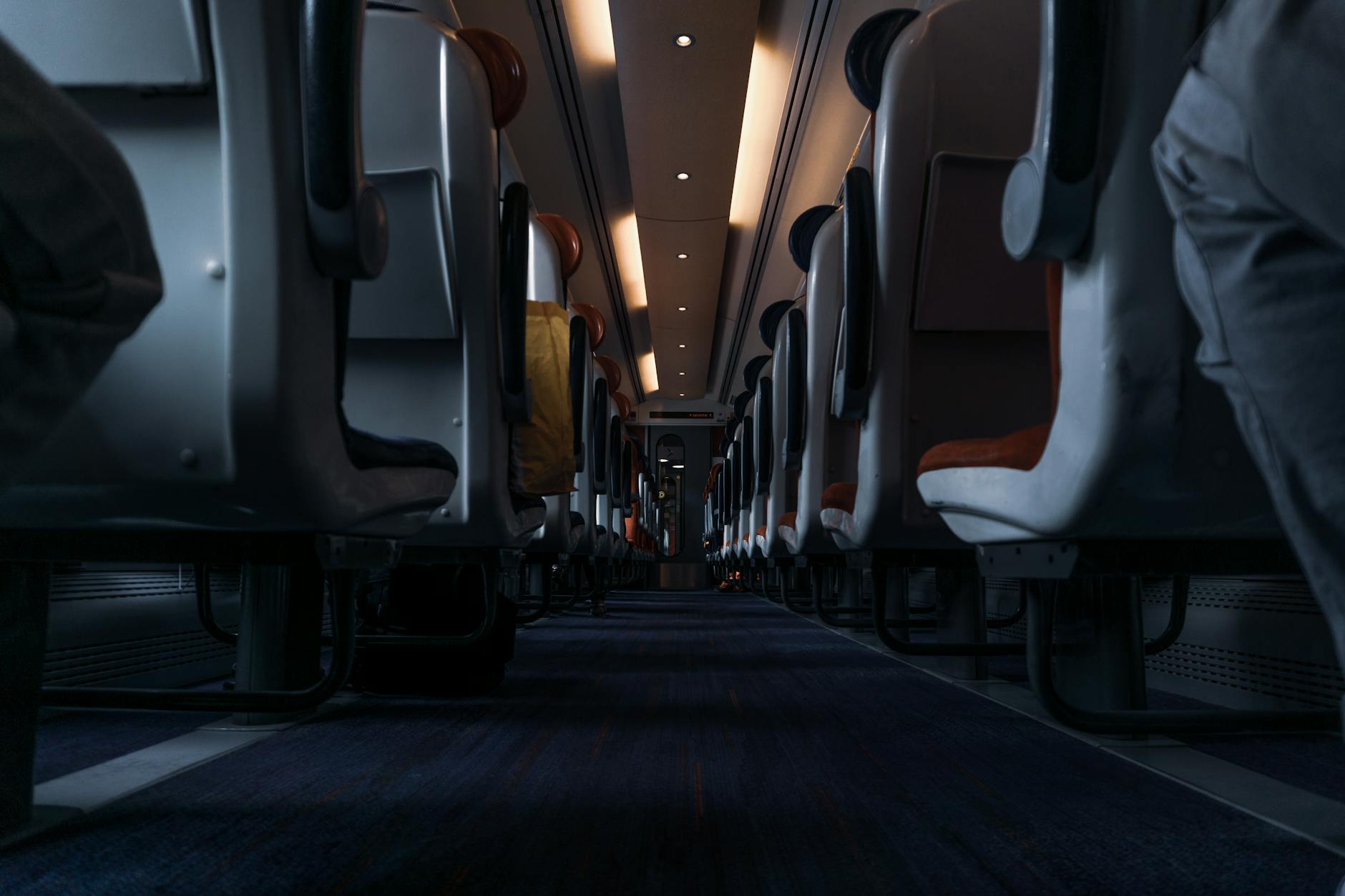
Modern European sleeper cars bear little resemblance to cramped overnight trains of previous decades. Compartments feature flat-screen displays for entertainment, secure storage for luggage and valuables, and blackout curtains that ensure complete darkness. Many cars include shared lounge areas with panoramic windows for passengers who want to watch the countryside pass.
The newest cars incorporate noise-reduction technology that minimizes track noise and vibrations. Climate control systems maintain ideal sleeping temperatures while filtering outside air. Each berth includes USB ports, European power outlets, and reading lights with adjustable brightness.
Several routes offer premium sleeping cars with en-suite bathrooms and shower facilities. These compartments cost significantly more but provide hotel-level amenities for passengers on longer journeys. Standard accommodations share facilities at the end of each car, which are cleaned and restocked at major stations.
Dining services vary by route and operator. Some trains feature full restaurant cars with chefs preparing fresh meals, while others offer pre-packaged options delivered to compartments. Most routes include breakfast service beginning two hours before arrival, allowing passengers to dine while watching their destination city approach.
Environmental Impact and Sustainability Focus
Railway operators emphasize the environmental advantages of overnight trains over short-haul flights. A typical high-speed sleeper produces roughly 90% fewer carbon emissions per passenger than equivalent air travel, according to European railway industry data. Electric trains powered by renewable energy sources further reduce environmental impact.
The trains eliminate the need for hotel stays in transit cities, reducing overall travel footprints. Passengers save time by traveling while sleeping, making overnight rail competitive with flying when accounting for airport security, check-in procedures, and travel to city centers from distant airports.
Several routes use trains manufactured with recycled materials and designed for energy efficiency. Regenerative braking systems capture energy during deceleration, while improved aerodynamics reduce power consumption at high speeds. LED lighting and efficient heating systems further minimize energy use.
Water conservation receives attention through low-flow fixtures and recycling systems that treat wastewater onboard. Some operators have eliminated single-use plastics in dining services, replacing them with reusable or compostable alternatives.
Booking Systems and Integration with Local Transport
A unified booking platform launched in early 2024 allows passengers to reserve seats across multiple operators and countries through a single interface. The system handles currency conversions, visa requirements, and connection scheduling automatically. Mobile tickets work across all participating railways, eliminating the need for paper documentation.
Integration with local transport networks has improved significantly. Train stations in major cities now offer direct connections to metro systems, bus networks, and ride-sharing services. Some routes include local transport passes valid for 24 hours after arrival, encouraging passengers to explore their destinations immediately.
Frequent traveler programs reward regular users with priority booking, lounge access, and upgrade opportunities. These programs recognize trips across different national railways, treating the network as a unified service rather than separate companies.
Similar innovations are appearing elsewhere, as Japanese bullet trains add luxury sleeper cars for overnight routes, showing global interest in premium rail travel experiences.
Real-time tracking allows passengers and contacts to monitor journey progress through smartphone apps. Delay notifications include rebooking options for missed connections, with customer service available in multiple languages throughout the night.
Future Expansion and Market Response
Railway executives project the network will double in size by 2027, with new routes connecting Scandinavia to Mediterranean destinations and extending service into Eastern Europe. Proposed routes include Helsinki-Barcelona and Warsaw-Lisbon, requiring coordination among dozens of operators and governments.
Passenger demand has exceeded initial projections, with several routes reporting capacity constraints during peak travel seasons. Additional trains and longer consists are being deployed to meet demand, while operators invest in new rolling stock specifically designed for international overnight service.
Competition from budget airlines has intensified as rail networks expand. Several low-cost carriers have reduced frequencies on routes now served by overnight trains, while others have added premium services to compete with rail comfort levels.
The success of European overnight rail networks signals a broader shift in travel preferences toward sustainable and convenient options. As infrastructure improvements continue and more routes launch, these trains are reshaping how Europeans think about continental travel, proving that the future of transportation sometimes involves rediscovering the past.
Frequently Asked Questions
How long do European overnight train journeys take?
Journey times vary by route, with Paris-Berlin taking 8 hours and Stockholm-Rome requiring about 24 hours including stops.
What amenities are included in European sleeper train compartments?
Modern compartments feature climate control, power outlets, entertainment screens, secure storage, and premium bedding with shared or private bathroom facilities.