
Airport terminals once meant uncomfortable plastic chairs and overpriced food courts. That era is ending as major hubs worldwide transform into luxury destinations featuring private sleep pods, spa-quality shower suites, and amenities rivaling five-star hotels.
The shift reflects changing passenger expectations and longer layovers driven by international travel recovery. Airlines and airport operators are discovering that premium lounge amenities generate significant revenue while improving customer satisfaction scores. Major airports from Singapore Changi to London Heathrow now feature sleeping quarters that passengers can book by the hour, complete with blackout curtains, premium bedding, and noise cancellation.
Sleep Pods Transform Layover Experience
Singapore Changi Airport leads the sleep pod revolution with over 200 individual rest spaces across its terminals. These capsule-style accommodations feature adjustable lighting, USB charging ports, and climate control. Passengers can book six-hour sessions starting at $50, with premium pods including entertainment systems and workspace areas.
Munich Airport’s napcabs offer similar services with sleek, modern designs reminiscent of Japanese capsule hotels. Each pod measures roughly seven feet long and includes a comfortable mattress, pillow, blanket, and secure luggage storage. The airport reports 85% occupancy rates, particularly during peak travel seasons and weather delays.
American airports are catching up rapidly. Dallas Fort Worth International recently opened Minute Suites featuring daybed-style seating, workstations, and television entertainment. JFK Airport partnered with TWA Hotel to create sleeping spaces within the iconic TWA Flight Center, blending historical architecture with modern comfort amenities.
The pods serve multiple passenger segments: business travelers optimizing productivity during connections, families managing children across time zones, and leisure travelers extending vacations without hotel expenses. Airport data shows sleep pod users spend 40% more on dining and retail compared to traditional lounge visitors.
Luxury Shower Suites Elevate Airport Amenities
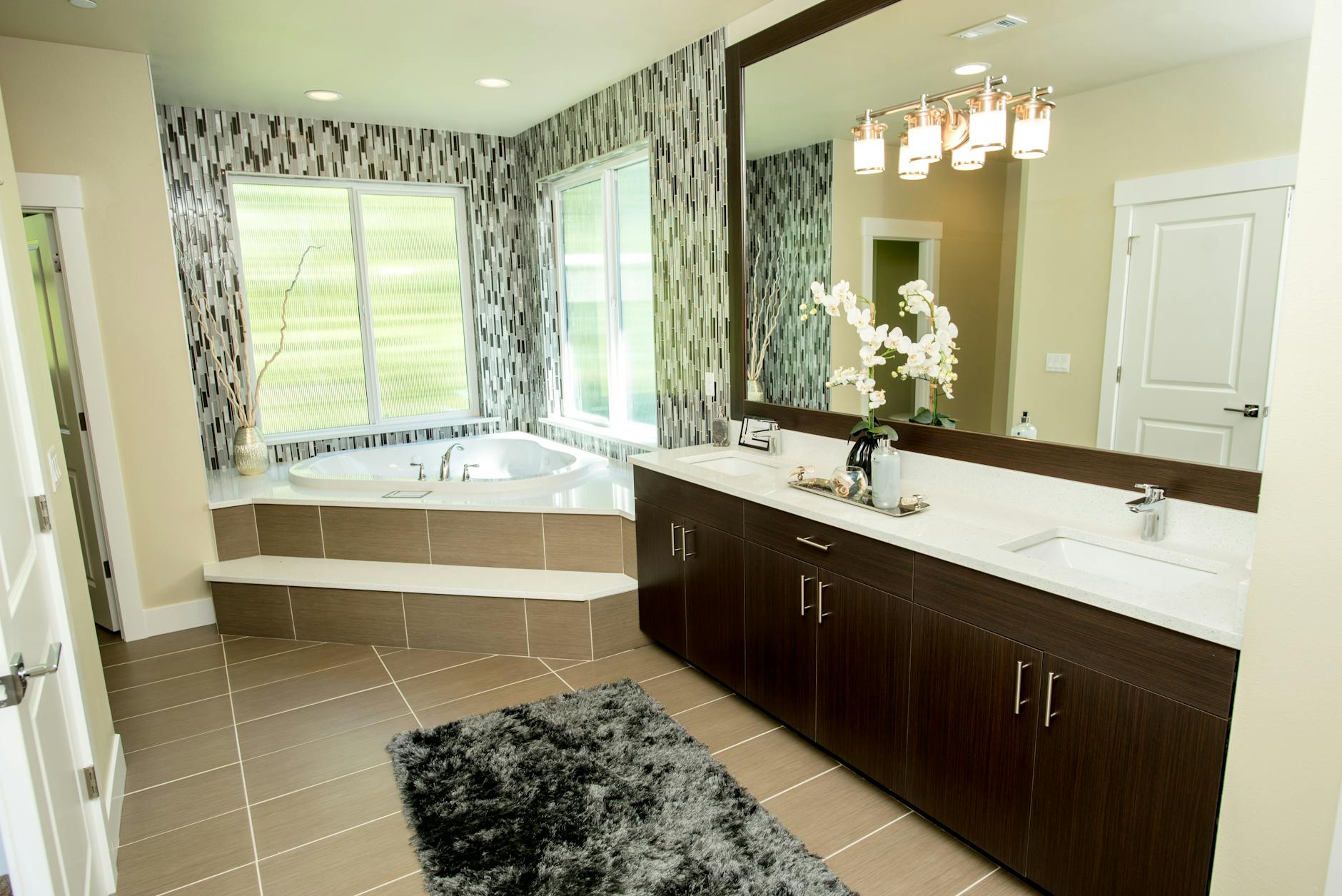
Premium shower facilities now rival upscale spas, featuring rainfall showerheads, luxury toiletries, heated floors, and professional-grade hair dryers. Virgin Atlantic’s Clubhouse at London Heathrow offers individual shower suites with adjoining dressing areas, premium towels, and complimentary skincare products from high-end brands.
Dubai International Airport’s Emirates lounges feature over 50 shower rooms across multiple terminals, each designed with marble finishes and ambient lighting. The airline reports that shower suite availability significantly influences frequent flyer program renewals, particularly among long-haul passengers traveling through multiple time zones.
American Express Centurion Lounges incorporate spa-inspired shower experiences with rainfall systems, premium amenities, and attendant services. The Seattle location features individual suites with bench seating, multiple towel options, and complimentary toiletry kits for passengers without carry-on luggage.
These facilities address practical travel challenges while creating memorable experiences. Business travelers frequently arrive at destinations feeling refreshed and meeting-ready, while leisure passengers enjoy spa-like treatments without additional time or expense. Airport surveys indicate shower suite access ranks among the top three most valued lounge amenities, alongside food quality and WiFi reliability.
Technology Integration and Personalization
Modern airport lounges leverage smartphone apps for seamless booking and customization. Passengers can reserve sleep pods, schedule shower appointments, and select preferred amenities before arriving at the airport. Priority Pass expanded digital integration across partner locations, allowing members to book services and track availability in real-time.
Artificial intelligence systems optimize space utilization by predicting peak demand periods and adjusting pricing accordingly. Singapore Changi uses machine learning algorithms to recommend optimal rest periods based on passenger flight schedules and historical usage patterns. This technology reduces wait times while maximizing revenue per square foot.
Biometric authentication streamlines access to premium facilities. Several airlines now use facial recognition or fingerprint scanning to verify lounge eligibility and track amenity usage automatically. This eliminates physical card requirements while creating detailed preference profiles for future visits.
Smart environmental controls adjust lighting, temperature, and sound based on individual preferences or circadian rhythm optimization. Some sleep pods feature wake-up lighting that gradually increases brightness thirty minutes before checkout, helping passengers adjust to local time zones more effectively.
The trend toward wellness-focused travel experiences, similar to how cruise lines are adding wellness centers and meditation decks, reflects broader consumer demand for health-conscious amenities during travel.
Business Model Innovation and Revenue Growth
Airport operators generate substantial revenue from premium amenity fees, with sleep pods and shower suites commanding higher margins than traditional food and beverage operations. Industry analysis shows these services can generate $200-400 per square foot annually, compared to $150-250 for standard retail spaces.
Airlines use luxury lounge amenities as competitive differentiators and loyalty program benefits. Delta Air Lines invested heavily in Sky Club renovations featuring sleep pods and premium shower facilities, resulting in measurable increases in frequent flyer program enrollment and customer retention rates.
Third-party operators like Minute Suites and GoSleep franchise their concepts across multiple airports, creating standardized experiences while adapting to local regulations and space constraints. These partnerships allow airports to offer premium amenities without significant capital investment or operational complexity.
Revenue sharing agreements between airports and amenity providers create mutually beneficial relationships. Airports receive guaranteed rent plus percentage-based revenue sharing, while operators gain access to prime terminal locations and established passenger flows.

The future of airport lounges extends beyond current offerings toward comprehensive wellness destinations. Planned developments include meditation rooms, fitness facilities, healthy meal preparation areas, and even medical services for international travelers. As airports compete for passenger preference and airline partnerships, luxury amenities become essential rather than optional features.
This transformation reflects broader changes in travel behavior and consumer expectations. Passengers increasingly view airports as destinations rather than transit points, creating opportunities for innovative service providers and forward-thinking airport operators. The next decade will likely see further integration of hospitality concepts into airport design, making comfortable, restorative travel experiences the standard rather than the exception.
Frequently Asked Questions
How much do airport sleep pods cost?
Airport sleep pods typically cost $15-50 per hour, with premium options featuring entertainment systems and workspaces commanding higher rates.
Can you book airport shower suites in advance?
Many premium airport lounges allow advance booking through smartphone apps, while some operate on first-come, first-served basis for members.