

Former Facebook executive Sean Parker credits color therapy with helping him navigate billion-dollar decisions during his Napster and social media ventures. While most business leaders rely on spreadsheets and market research, a growing number of ultra-wealthy entrepreneurs are turning to an unexpected tool: strategic color exposure to optimize their mental clarity and decision-making abilities.
This practice goes far beyond choosing a calming blue office or energizing red accents. Tech moguls, real estate tycoons, and hedge fund managers are working with specialized color consultants who design elaborate chromotherapy protocols tailored to specific business challenges. The approach combines ancient color psychology principles with modern neuroscience research about how different wavelengths affect cognitive performance.
The Science Behind Executive Color Protocols
Color therapy for high-stakes decision making operates on the premise that specific wavelengths trigger measurable neurological responses. Research from the University of British Columbia found that blue environments enhance creative thinking, while red spaces improve attention to detail and analytical processing. Billionaire entrepreneurs are leveraging these findings to create optimized environments for different types of business decisions.
Warren Buffett reportedly maintains multiple office spaces designed around different color schemes, rotating between them based on the type of analysis required. His “blue room” features navy walls and azure lighting for brainstorming sessions about new investment opportunities. Meanwhile, his “red room” incorporates crimson elements to sharpen focus during detailed financial reviews and risk assessments.
Color consultant Victoria Finlay, who has worked with several Fortune 500 CEOs, explains that elite executives typically undergo comprehensive color profiling sessions. These assessments evaluate individual responses to various hues through biometric monitoring, tracking changes in heart rate, cortisol levels, and brain wave patterns when exposed to different chromatic environments. The resulting data forms the foundation for personalized color protocols designed to enhance specific cognitive functions.
Implementing Color Therapy in High-Stakes Environments
Leading executives don’t simply paint their offices different colors and call it transformation. The implementation involves sophisticated lighting systems, carefully curated art collections, and even specially designed clothing protocols that align with color therapy principles.
Elon Musk has been photographed wearing predominantly black attire during Tesla earnings calls and product launches, reportedly following color therapy advice that suggests black enhances focus and projects authority during high-pressure presentations. His SpaceX facilities feature color-coordinated zones where different wavelengths support various aspects of rocket development and mission planning.
Amazon founder Jeff Bezos invested heavily in chromotherapy lighting systems throughout Amazon’s headquarters. These systems automatically adjust color temperatures throughout the day, supporting natural circadian rhythms while providing specific wavelength exposure during crucial decision-making periods. Blue-dominant lighting activates during morning strategy sessions, while warmer amber tones promote collaborative thinking during afternoon team meetings.
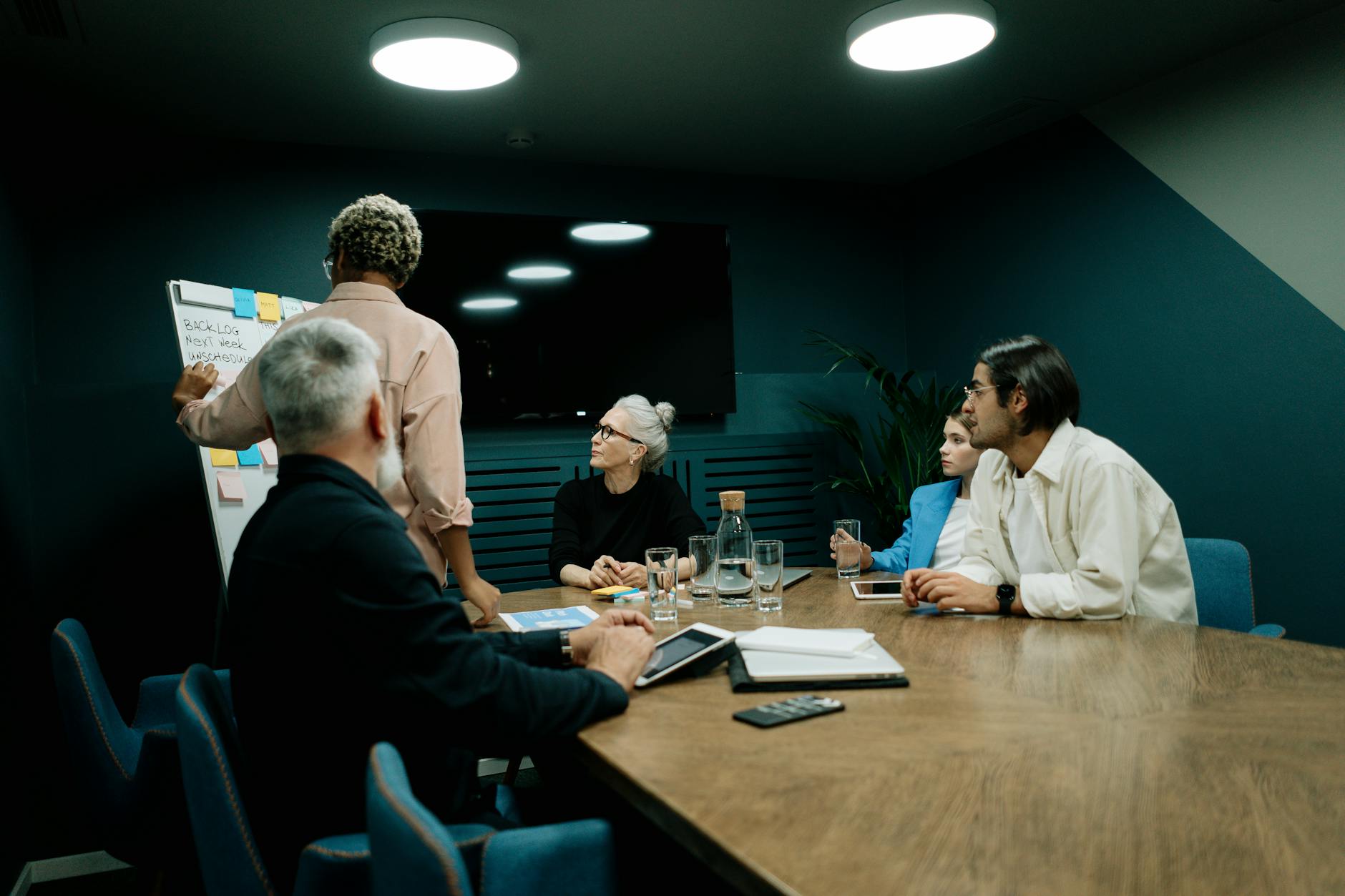
The approach extends beyond individual offices to entire corporate environments. Some billionaire-led companies have redesigned their boardrooms as color-adaptive spaces. These rooms feature programmable LED systems that shift between predetermined color schemes based on the meeting agenda. Strategic planning sessions might unfold under violet lighting to encourage innovative thinking, while financial reviews occur in red-tinged environments that enhance analytical precision.
Color Therapy Integration with Other Executive Wellness Trends
This chromotherapy trend intersects with broader executive wellness movements that are reshaping how business leaders approach peak performance. Many executives are working with personal wellness coordinators who integrate color therapy into comprehensive optimization programs.
These programs often combine color exposure with meditation practices, nutritional timing, and sleep optimization. Bill Gates reportedly follows a color-coordinated daily routine where morning reading sessions occur in blue-lit environments to enhance information retention, while evening reflection periods take place in warm yellow lighting that promotes introspective thinking.
Tech leaders who have relocated to smaller communities are finding new ways to implement color therapy protocols. Remote work environments in rural settings allow for more extensive experimentation with natural color exposure, combining artificial chromotherapy with strategic use of natural light patterns and seasonal color changes.
Some executives integrate color therapy with sound therapy and aromatherapy to create multi-sensory decision-making environments. These comprehensive sensory protocols might pair blue lighting with specific musical frequencies and eucalyptus scents to create optimal conditions for strategic thinking, or combine red light exposure with white noise and peppermint aromatherapy to enhance analytical focus.
Results and Implementation Challenges
Practitioners report measurable improvements in decision quality and mental clarity, though implementing comprehensive color therapy protocols presents unique challenges for busy executives. The most successful implementations require significant time investment for initial assessments and ongoing fine-tuning of color protocols.

Mark Cuban has publicly discussed experimenting with color therapy during Shark Tank filming, noting that exposure to specific color combinations before recording sessions appears to enhance his ability to quickly assess investment opportunities. However, he acknowledges that maintaining consistent color protocols while traveling presents logistical challenges that require dedicated support staff.
The financial investment extends beyond simple interior design changes. Advanced chromotherapy systems can cost hundreds of thousands of dollars, requiring specialized installation and maintenance. Some executives hire full-time color consultants who travel with them to ensure consistent protocol implementation across multiple locations and time zones.
Critics argue that the benefits might stem from placebo effects or simply increased attention to environmental factors rather than specific color wavelengths. However, proponents point to measurable biometric changes and improved decision outcomes as evidence of genuine physiological impacts.
As neuroscience research continues revealing connections between environmental factors and cognitive performance, color therapy is likely to become more sophisticated and widely adopted among high-performing executives. The intersection of ancient wisdom and modern science offers intriguing possibilities for optimizing human decision-making in increasingly complex business environments.
Frequently Asked Questions
Do billionaires really use color therapy for business decisions?
Yes, many high-profile executives reportedly work with color consultants to optimize their decision-making environments using specific wavelength exposure.
How does color therapy work for decision making?
Color therapy leverages research showing different wavelengths trigger specific neurological responses, with blue enhancing creativity and red improving analytical focus.