How Budget Airlines Are Adding Premium Economy Sections to Compete With Major Carriers

Budget airlines are abandoning their bare-bones approach. JetBlue, Frontier, and Spirit are rolling out premium economy sections with extra legroom, priority boarding, and enhanced meal service – directly challenging the traditional carriers that once dominated the comfortable middle ground between economy and business class.
The shift represents a fundamental change in low-cost carrier strategy. For decades, airlines like Southwest and Ryanair built their brands on no-frills service at rock-bottom prices. Now they’re betting that travelers will pay more for comfort without jumping to full-service carriers that charge premium prices.
Premium Economy Takes Flight on Budget Carriers
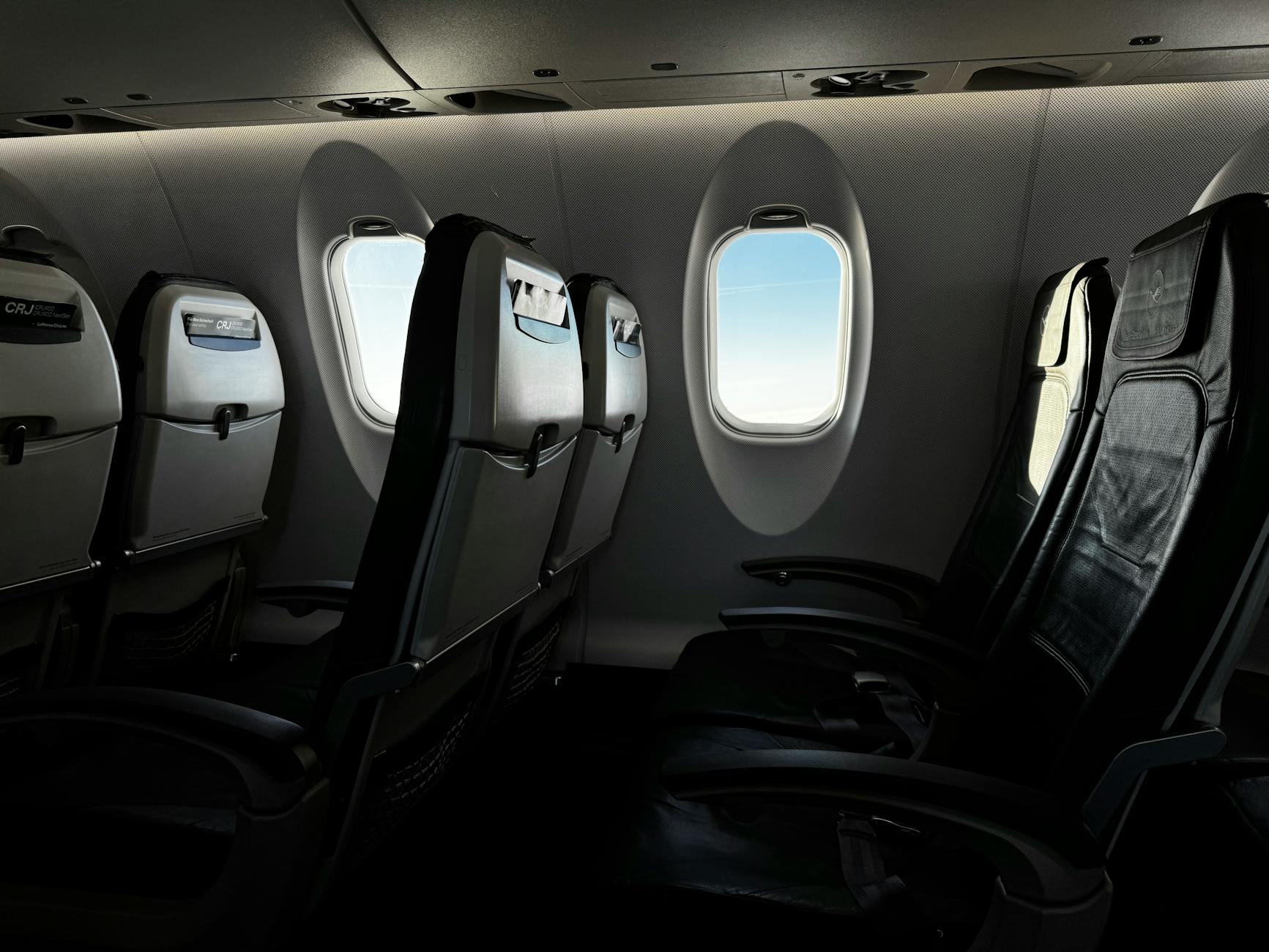
JetBlue launched its “Even More Space” seats in 2023, offering 38 inches of legroom compared to the standard 32 inches. The airline positioned these seats as a middle option between its basic economy and business class Mint service. Passengers get priority boarding, free checked bags, and complimentary snacks – amenities traditionally reserved for higher-tier tickets.
Spirit Airlines followed with “Big Front Seat” expansion across its fleet. These oversized seats provide nearly double the width of standard economy with significant legroom increases. The budget carrier also added “Go Big” packages that bundle premium seating with priority boarding and carry-on bags.
Frontier’s “Stretch” seating program mirrors these offerings with 36-inch pitch seats and priority zone boarding. The Denver-based carrier has retrofitted most of its Airbus A320 family aircraft to include these premium economy options in the front cabin sections.
Southwest Airlines, while maintaining its open seating policy, has explored premium boarding options and is testing enhanced amenities for its “Business Select” fare class. The carrier’s approach differs from competitors but signals the same trend toward value-added services.
Market Pressure Drives Strategic Shifts
Traditional carriers like American, Delta, and United have dominated the premium economy space for years. Their offerings typically include wider seats, enhanced dining, priority check-in, and additional baggage allowances. Budget airlines saw passengers willing to pay extra for comfort but unwilling to commit to full business class pricing.
The pandemic accelerated this trend as leisure travelers, flush with savings from reduced travel, became more willing to upgrade their flying experience. Airlines noticed passengers choosing comfort over rock-bottom pricing, especially on longer domestic routes and popular vacation destinations.
Revenue data supports the strategy shift. Airlines report that premium economy passengers generate 50-80% more revenue per seat than basic economy travelers. The higher margins help offset rising fuel costs and operational expenses that have squeezed airline profitability.
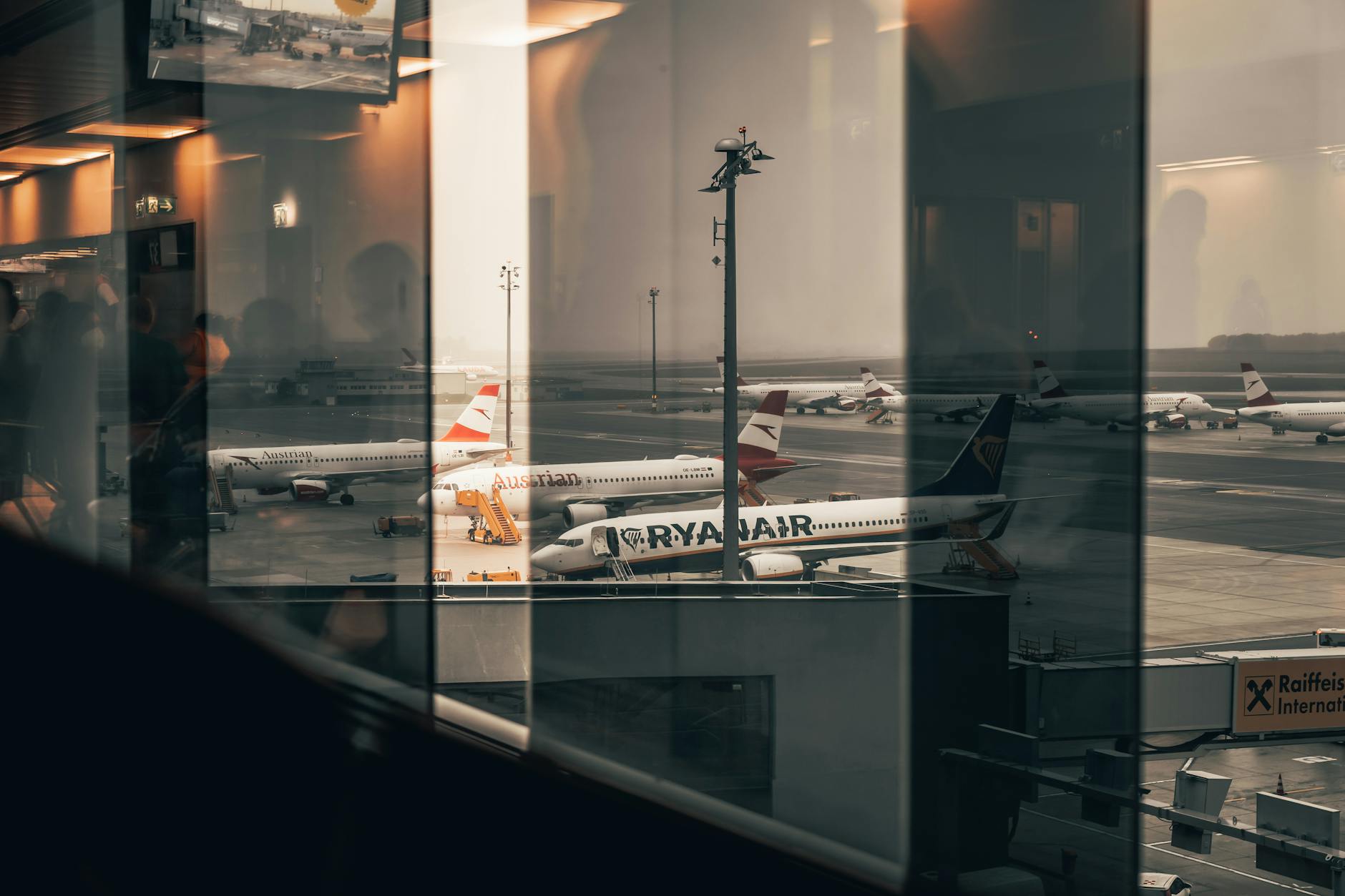
Competition from ultra-low-cost carriers also plays a role. As more budget airlines enter popular routes, differentiation becomes crucial. Premium economy sections allow carriers to segment their customer base and capture travelers who might otherwise choose traditional airlines for longer flights.
Enhanced Amenities Beyond Extra Space
Premium economy on budget carriers extends beyond additional legroom. Many airlines now offer enhanced meal service, including hot entrees and alcoholic beverages typically available only in business class. JetBlue’s premium passengers receive complimentary snacks and drinks, while Frontier offers meal vouchers and priority snack service.
Technology upgrades accompany the physical improvements. Enhanced Wi-Fi access, power outlets at every seat, and upgraded entertainment systems are becoming standard in premium economy sections. Some carriers provide tablets or larger seatback screens for premium passengers.
Ground services receive attention too. Priority check-in lanes, expedited security screening access, and early boarding help premium economy passengers feel valued from arrival to departure. These touches mirror services previously exclusive to business class or elite frequent flyers.
Baggage policies also improve for premium economy travelers. Many budget carriers now include checked bags, carry-on allowances, and seat selection in their premium packages – items that traditionally cost extra on low-cost carriers.
Similar service enhancements are appearing across the travel industry, with changes like Southwest Airlines’ new boarding system eliminating gate crowding improving the overall passenger experience.
Route Strategy and Fleet Considerations
Budget airlines are strategically deploying premium economy sections on their most profitable routes. Transcontinental flights, popular vacation destinations, and business-heavy corridors receive priority for aircraft retrofits with enhanced seating sections.
Fleet modernization supports these changes. Airlines investing in newer aircraft with flexible cabin configurations can more easily accommodate premium economy sections. The Airbus A321neo and Boeing 737 MAX family aircraft offer the space and systems needed for enhanced passenger experiences.
Route planning now considers premium passenger demand alongside traditional metrics. Airlines analyze booking patterns to identify routes where travelers show willingness to pay for enhanced service. High-traffic leisure destinations and business markets get priority for premium economy deployment.
Seasonal adjustments also play a role. Airlines may increase premium economy availability during peak travel periods when demand justifies higher pricing. This flexibility allows carriers to maximize revenue during busy seasons while maintaining competitive pricing during slower periods.
The transformation of budget airlines reflects broader changes in consumer travel preferences. Passengers increasingly value comfort and convenience over the absolute lowest price, especially as remote work creates more flexible travel schedules. This trend parallels developments in other travel sectors, where businesses are adapting to changing customer needs.
Airlines continue expanding premium economy offerings as they balance growth with profitability. The success of these programs will likely determine whether budget carriers maintain their traditional low-cost identity or evolve into hybrid airlines offering multiple service levels. Early results suggest travelers embrace the middle ground between basic economy and business class, indicating this trend will continue reshaping the airline industry landscape.
Frequently Asked Questions
Which budget airlines offer premium economy seating?
JetBlue, Spirit, Frontier, and Southwest have all introduced premium economy options with extra legroom and enhanced amenities.
What amenities come with budget airline premium economy?
Features typically include extra legroom, priority boarding, free bags, enhanced meals, and better entertainment systems.