How Celebrity Chef Anthony Bourdain’s Legacy Restaurants Are Creating Food Tourism Trails

Anthony Bourdain transformed how the world thinks about food and travel, turning every meal into a cultural conversation and every destination into a story worth telling. Five years after his passing, the restaurants he championed and the places he visited have evolved into organized culinary trails that honor his legacy while creating new opportunities for immersive food tourism.
From the street vendors of Vietnam to the family-run tavernas of Greece, establishments featured on “No Reservations” and “Parts Unknown” report significant increases in international visitors seeking authentic experiences rather than Instagram moments. Travel companies now design multi-country itineraries specifically around Bourdain’s most memorable episodes, creating what industry experts call “narrative tourism” – where the journey follows a storyteller’s path rather than traditional tourist routes.
The Bourdain Trail Network Takes Shape
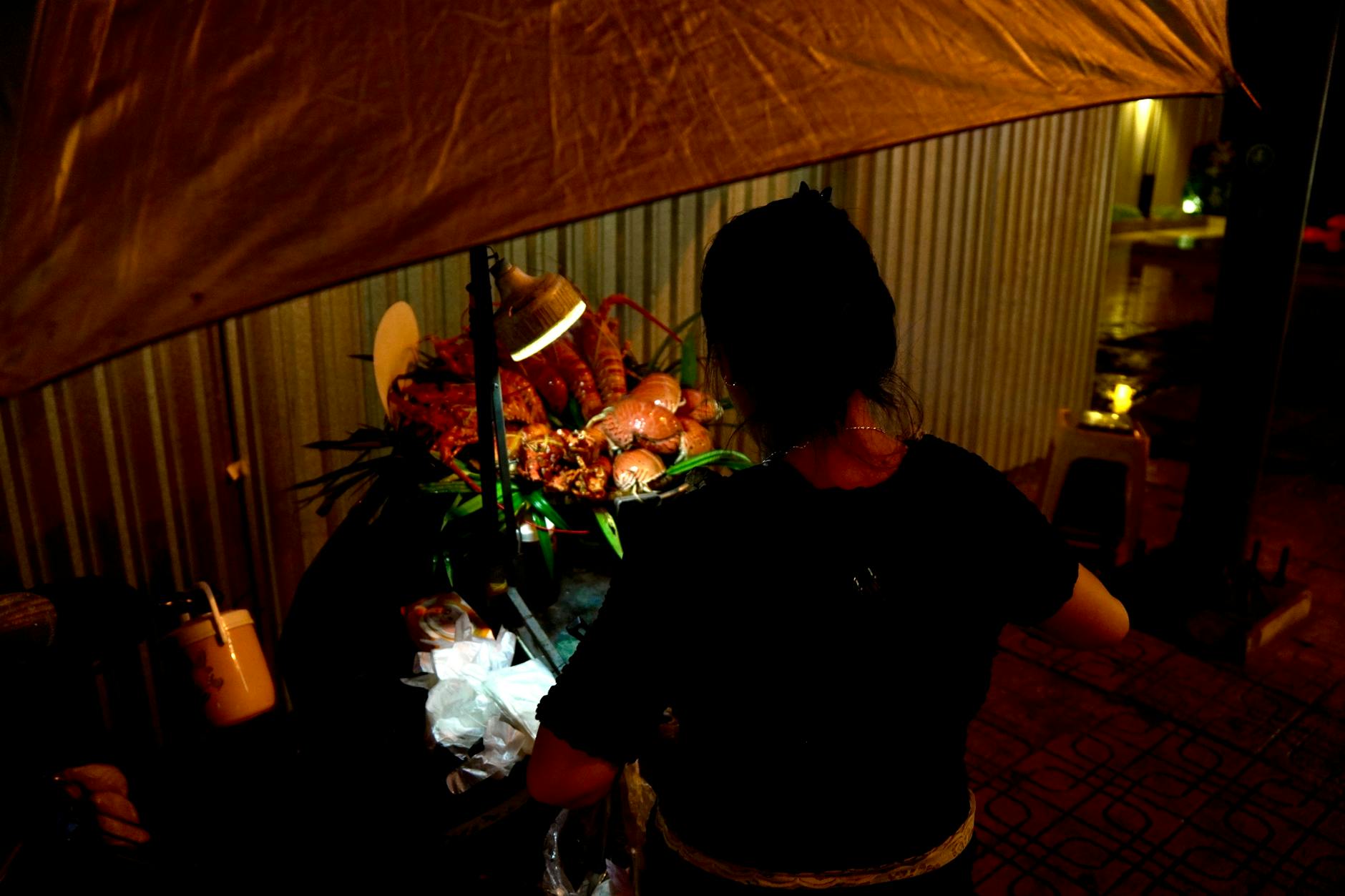
Several destinations have formally organized “Bourdain Trails” that connect restaurants, markets, and cultural sites featured in his shows. Vietnam leads this movement, where the Hanoi tourism board has mapped a walking route connecting Bun Cha Huong Lien – where Bourdain dined with President Obama – to lesser-known establishments he visited throughout the Old Quarter.
The trail extends beyond famous moments to include vendors he quietly supported, small family businesses that gained international recognition through his platform. Tour operators report that travelers specifically seek out these authentic experiences, often spending more time and money at locally-owned establishments than traditional tourist attractions.
Portugal’s Porto region has created a similar initiative connecting the restaurants and wine cellars Bourdain explored while filming. Local guides trained in his storytelling approach lead visitors through neighborhoods he featured, emphasizing the social and historical context that made his travel shows unique. The emphasis remains on understanding places through their food culture rather than simply consuming it.
Lebanon’s Beirut has developed perhaps the most comprehensive Bourdain-inspired trail, incorporating restaurants from multiple episodes while adding cultural sites that reflect his interest in how food connects to identity and survival. The trail includes cooking classes with chefs he featured and visits to family homes where traditional recipes are shared with small groups of travelers.
Restaurant Owners Carry Forward His Mission
Establishments featured on Bourdain’s shows report lasting changes in how they approach hospitality and storytelling. Many restaurant owners describe how his visits encouraged them to articulate their cultural heritage and cooking traditions more clearly, not just for television but for all visitors seeking deeper connections.
In Lyon, France, the bouchons (traditional bistros) he featured have collectively created a program where diners learn about the city’s silk-weaving history alongside traditional recipes. The restaurants rotate hosting cultural evenings where local historians and longtime residents share stories that connect food traditions to the city’s industrial past.
Tokyo’s izakayas and ramen shops from his episodes have formed an informal network supporting cultural exchange programs. Several establishments now partner with cooking schools to offer classes that emphasize the philosophy behind Japanese food culture rather than just techniques. The focus on mindfulness and respect for ingredients reflects values Bourdain consistently highlighted.
Ethiopian restaurants in Addis Ababa featured on “Parts Unknown” have developed coffee ceremonies specifically for international visitors, incorporating the storytelling elements he emphasized. These experiences connect Ethiopia’s coffee origins to its cultural significance, creating educational tourism that benefits local communities while honoring traditional practices.
Impact on Food Tourism Industry Standards
The success of Bourdain-inspired trails has influenced broader food tourism standards, with destinations worldwide adopting his approach of highlighting local ownership and cultural context. Travel planners increasingly design experiences around authentic relationships with food producers and restaurant families rather than celebrity chef experiences or luxury dining.
Several culinary tourism organizations now use “Bourdain principles” as guidelines for ethical food travel: supporting locally-owned businesses, understanding historical and social contexts, and approaching unfamiliar foods with respect rather than spectacle. These principles have become particularly relevant as travelers seek meaningful experiences over social media content.
The economic impact extends beyond individual restaurants to entire neighborhoods. Areas featured in his shows report increased foot traffic, but also greater investment in preserving cultural authenticity. Local governments and business associations work together to maintain the character that originally attracted his attention while accommodating increased tourism interest.
Food halls and markets he featured have become models for cultural preservation through tourism. Bangkok’s street food vendors, many of whom gained international recognition through his visits, have organized collective efforts to train younger generations in traditional techniques while adapting to serve more diverse audiences.
Educational and Cultural Exchange Programs
Universities and culinary schools have developed academic programs inspired by Bourdain’s interdisciplinary approach to food and culture. Students can now pursue food tourism studies that combine anthropology, history, and hospitality management with practical travel experience on established Bourdain trails.
The Anthony Bourdain Legacy Scholarship supports culinary students from underrepresented communities to travel and study food cultures internationally. Recipients spend time at restaurants he featured, learning from chefs and food producers while developing projects that continue his work of connecting food to larger cultural narratives.
Cultural exchange programs now regularly incorporate food experiences designed around his methodology. Participants live with local families, learn traditional cooking methods, and understand how recipes connect to migration patterns, economic conditions, and social structures. These programs often partner with restaurants from his shows to provide authentic learning environments.
Several foundations have created grant programs supporting restaurant owners in developing educational tourism offerings. The grants prioritize projects that preserve traditional techniques while creating sustainable income streams for local communities, reflecting Bourdain’s commitment to supporting food cultures threatened by globalization.
Future of Bourdain-Inspired Travel
The evolution of Bourdain trails represents a shift toward more thoughtful tourism that prioritizes cultural understanding over consumption. As travelers increasingly seek authentic experiences, the network of restaurants and destinations he championed provides a framework for meaningful cultural exchange through food.
Emerging technologies are being carefully integrated into these experiences, with augmented reality apps providing historical context at restaurant locations while maintaining the personal connections he valued. The technology enhances rather than replaces human storytelling, following his example of using media to build bridges between cultures.
The lasting impact of his approach to travel and food continues shaping how destinations present themselves to international visitors. His legacy reminds travelers that every meal tells a story about place, identity, and human connection – lessons that remain relevant as global travel evolves in an increasingly connected world.
Frequently Asked Questions
Which destinations have official Bourdain food trails?
Vietnam, Portugal, Lebanon, and France have developed organized trails connecting restaurants and cultural sites from his shows.
How do Bourdain trails differ from regular food tours?
They emphasize cultural context and local ownership over celebrity dining, following his approach to understanding places through food culture.