

A startup founder closes her laptop in a bamboo hut overlooking rice terraces in Bali, having just sealed a six-figure deal with clients 10,000 miles away. Twenty feet away, a blockchain developer debugs code while monkeys chatter in nearby trees. Welcome to the new frontier of remote work, where co-working retreats are transforming how digital nomads blend productivity with adventure.
These organized programs combine the infrastructure of traditional co-working spaces with the appeal of exotic destinations, creating temporary communities of remote professionals in locations from Costa Rican rainforests to Indonesian islands. What started as a niche concept has exploded into a movement reshaping both the travel and remote work industries.
The Infrastructure Revolution in Paradise
Traditional co-working spaces pioneered the shared workspace concept in urban centers, but co-working retreats have cracked the code on bringing reliable infrastructure to remote paradises. Companies like Remote Year, Outsite, and Hacker Paradise now operate programs that guarantee high-speed internet, ergonomic workstations, and professional meeting spaces in destinations that were previously off-limits to working travelers.
The logistics are more complex than they appear. Retreat organizers must secure backup internet connections, negotiate with local providers for dedicated bandwidth, and often install their own networking equipment. In places like Tulum, Mexico, some co-working retreats have invested in satellite internet systems to ensure connectivity that rivals what participants would have in major cities.
Beyond technical infrastructure, these retreats provide the social framework that solo digital nomads often miss. Structured networking events, shared meals, and group activities create instant communities. Participants report that the combination of focused work time and built-in social interaction addresses the isolation that many remote workers experience when traveling alone.
The model has attracted professionals across industries. Software developers make up a significant portion, but retreat rosters now include marketing consultants, graphic designers, financial analysts, and even lawyers whose practices allow remote work. The common thread isn’t the profession but the lifestyle choice to prioritize location independence.
Economic Impact on Remote Destinations
Local economies in retreat destinations are seeing measurable benefits from this new form of tourism. Unlike traditional vacationers who might spend a few days in a location, co-working retreat participants typically stay for weeks or months, creating sustained economic activity.
In Canggu, Bali, the proliferation of co-working spaces and retreat programs has transformed the local economy. Café owners report that their busiest hours now align with global business hours rather than traditional meal times. Local service providers, from massage therapists to motorbike rental shops, have adapted their offerings to serve this new demographic of working travelers.
The ripple effects extend beyond direct spending. Property owners in retreat destinations are renovating spaces to accommodate remote workers, installing better internet infrastructure and creating dedicated work areas. This infrastructure investment benefits the entire community, improving connectivity for local businesses and residents.
Some destinations are actively courting this market. Portugal launched a digital nomad visa program, while Estonia’s digital nomad visa allows remote workers to live and work there for up to a year. These government initiatives recognize that digital nomads represent a new category of traveler with higher spending power and longer stays than traditional tourists.
The Community Building Formula
What sets co-working retreats apart from simply working from different locations is the intentional community building. Successful retreat programs have developed frameworks that foster both professional networking and personal connections among participants.
Most retreats start with welcome sessions that go beyond typical introductions. Participants share their professional backgrounds, current projects, and personal goals for the retreat. This creates immediate opportunities for collaboration and mutual support. Many retreats also facilitate skill-sharing sessions where participants teach each other everything from coding languages to marketing strategies.
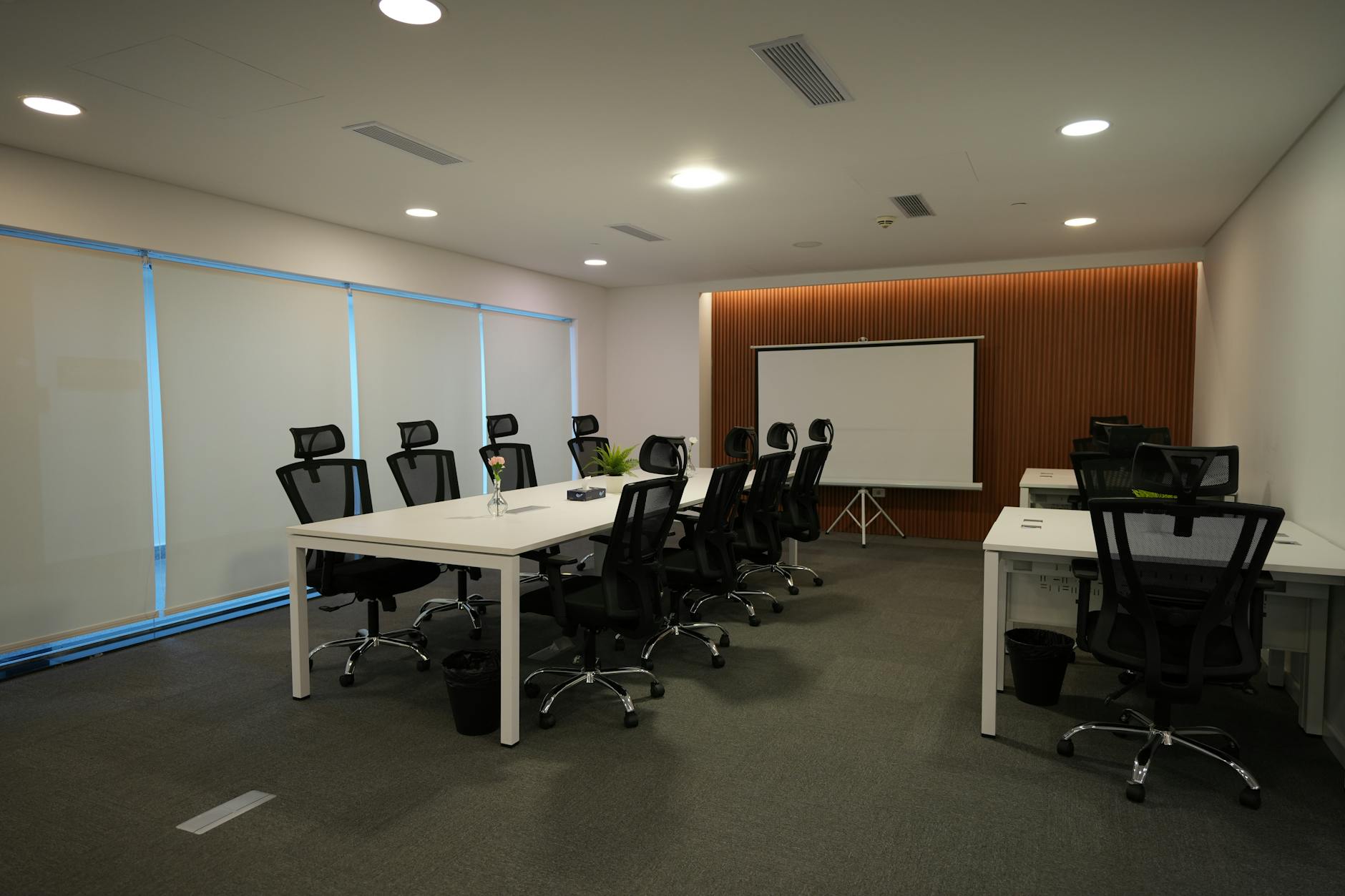
The physical design of retreat spaces reflects this community focus. Common areas are designed for both formal presentations and casual conversations. Many retreats include communal kitchens where participants prepare meals together, creating natural opportunities for relationship building outside work hours.
Evening programming varies by retreat but typically includes cultural activities unique to the destination. Cooking classes featuring local cuisine, language exchange sessions with residents, and group excursions to nearby attractions provide shared experiences that strengthen community bonds.
These connections often outlast the retreat itself. Alumni networks from major retreat programs maintain active communication channels where members share job opportunities, collaborate on projects, and plan future meetups. Some participants have launched businesses together or found new career opportunities through retreat connections.
Challenges and Adaptations
The rapid growth of co-working retreats has revealed both operational challenges and unexpected benefits. Time zone coordination remains one of the biggest hurdles, as retreat participants often need to maintain communication with clients and colleagues across multiple time zones. Successful retreats have adapted by creating 24-hour work areas and quiet spaces for calls at unconventional hours.
Cultural integration presents another challenge. Early retreat models sometimes created isolated bubbles of international remote workers with minimal local interaction. More recent programs have addressed this by partnering with local organizations, hiring local staff, and incorporating community service projects into their programming.
The pandemic forced rapid adaptations that have become permanent features. Enhanced health protocols, smaller group sizes, and hybrid programming that combines in-person and virtual elements have become standard. These changes have actually improved the experience for many participants, creating more intimate communities and better work-life integration.
Pricing strategies have also evolved as the market has matured. While early retreats often charged premium rates, increased competition has led to more varied pricing models. Some programs now offer partial scholarships or sliding scale pricing to increase accessibility, while others have introduced shorter “sprint” retreats for professionals who cannot commit to longer programs.
Environmental sustainability has become a growing concern as retreat participation increases. Leading programs are implementing carbon offset programs, partnering with local environmental organizations, and choosing destinations accessible by ground transportation when possible. Some retreats now include environmental service projects as part of their programming.

The co-working retreat movement represents a fundamental shift in how professionals think about the relationship between work and place. As remote work becomes permanently embedded in corporate culture, the infrastructure and community models pioneered by these retreats are likely to influence broader trends in both travel and professional development.
Early indicators suggest the trend will continue expanding, with new programs launching regularly and existing operators scaling to serve growing demand. The integration of retreat experiences with traditional travel loyalty programs, similar to how airline loyalty programs are merging with hotel reward systems, could further mainstream this form of travel.
The success of co-working retreats has proven that the future of work isn’t tied to specific locations but to the communities and infrastructure that enable productivity and connection. As this model continues to evolve, it’s reshaping not just how we work, but how we travel and build professional relationships in an increasingly connected world.
Frequently Asked Questions
What exactly is a co-working retreat?
A co-working retreat combines professional workspace infrastructure with travel, offering remote workers reliable internet, work areas, and community programming in exotic destinations.
How long do co-working retreats typically last?
Most co-working retreats range from two weeks to three months, with some programs offering flexible duration options for participants.