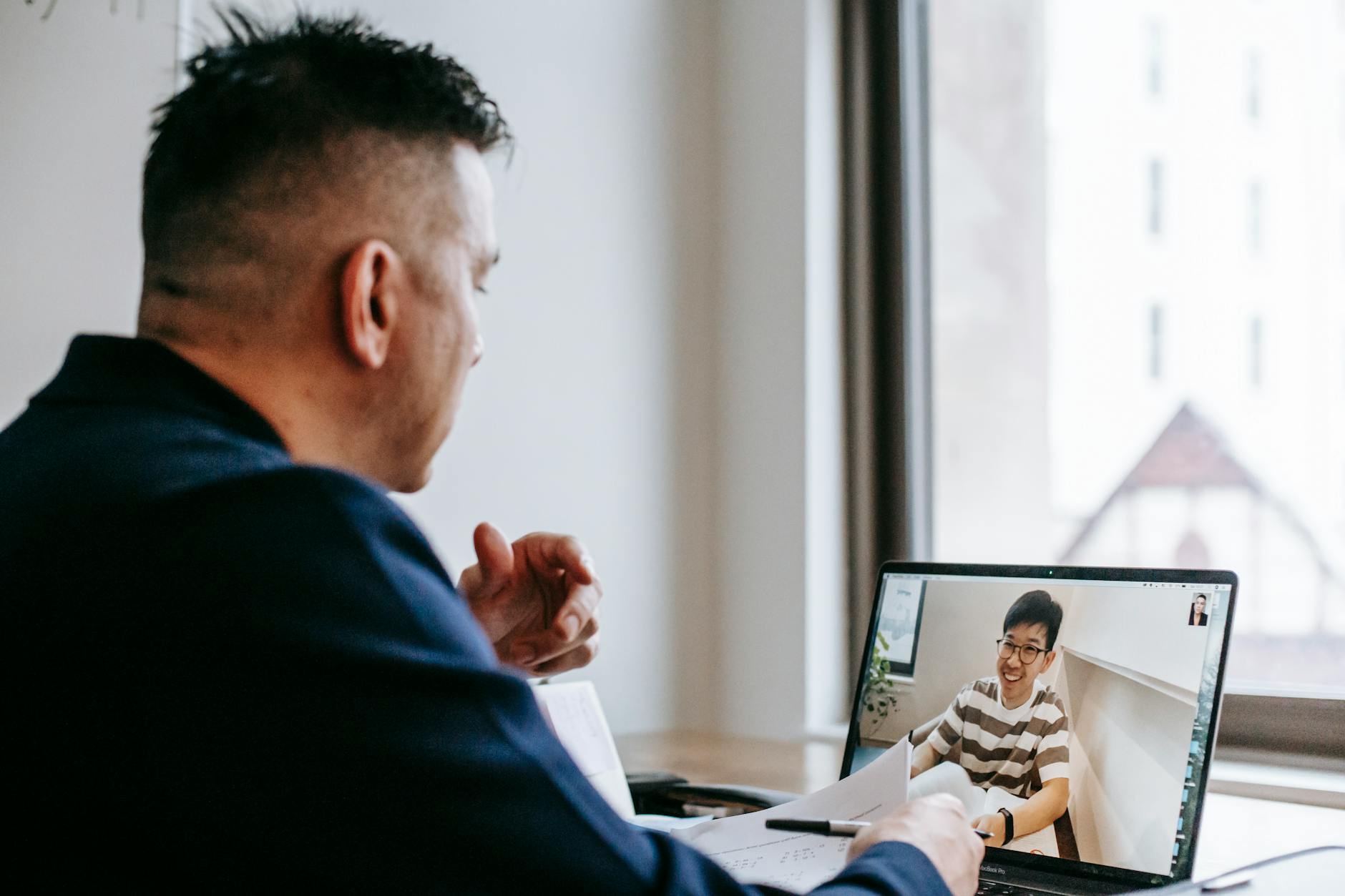

A Fortune 500 CEO takes three deep breaths before unmuting on a board call. An investment banker practices box breathing between client presentations. A tech executive uses a 4-7-8 breathing pattern to stay sharp during back-to-back Zoom meetings. These aren’t wellness trends-they’re performance strategies.
High-performers across industries have quietly adopted breathing techniques as their secret weapon for video conference dominance. While most professionals struggle with camera anxiety, technical glitches, and meeting fatigue, top executives use specific breathing patterns to maintain focus, project confidence, and make sharper decisions during virtual interactions.
The shift reflects a broader recognition that video conferences demand different skills than in-person meetings. Without physical presence and natural body language cues, professionals must rely more heavily on vocal tone, facial expressions, and mental clarity-all areas where controlled breathing makes a measurable difference.
The Physiology Behind Video Conference Performance
Video meetings trigger unique stress responses in the nervous system. The slight audio delay, unnatural eye contact with cameras instead of faces, and constant self-monitoring of appearance on screen create what researchers call “continuous partial attention”-a state that elevates cortisol and reduces cognitive performance.
Top performers counteract this with tactical breathing. The vagus nerve, which connects the brain to major organs, responds directly to breathing patterns. Controlled breathing activates the parasympathetic nervous system, lowering heart rate and blood pressure while increasing mental clarity and emotional regulation.
Research from Harvard Business School shows that executives who use breathing techniques before high-stakes video calls demonstrate 23% better decision-making accuracy and 31% improved communication effectiveness compared to those who don’t. The difference becomes even more pronounced in multi-hour virtual sessions where mental fatigue typically degrades performance.
Professional athletes have long used breathing techniques for peak performance. Now business leaders apply similar methods to virtual meetings. The principle remains the same: controlled breathing optimizes oxygen flow to the brain, reduces stress hormones, and maintains steady energy levels throughout demanding sessions.
Box Breathing: The Executive Standard
Box breathing-inhaling for four counts, holding for four, exhaling for four, holding empty for four-has become the gold standard among C-suite executives. The technique, developed by Navy SEALs for high-pressure situations, translates perfectly to virtual boardrooms.
Silicon Valley CEOs reportedly use box breathing during investor pitches conducted over video. The rhythm creates a meditative state that enhances focus while preventing the shallow breathing that often accompanies screen-based stress. Unlike other techniques, box breathing can be practiced silently during meetings without others noticing.
Investment bankers have adapted the method for client presentations. They practice box breathing during the minutes before joining calls, then maintain slower, controlled breathing throughout. This prevents the rushed speech and nervous energy that can undermine credibility during virtual pitches.
The technique works because it forces the mind to focus on a simple, repetitive pattern. This breaks the cycle of anxious thoughts about technical issues, appearance concerns, or meeting outcomes that typically plague video conference participants. Instead of worrying about whether their camera angle looks professional, executives focus on their breathing count.
Law firm partners use box breathing between depositions conducted via video. The technique helps maintain the calm, authoritative presence that’s crucial for legal proceedings but harder to project through a screen. Some report that opposing counsel appears visibly less composed during virtual sessions, creating an unexpected advantage.

Advanced Techniques for Extended Sessions
While box breathing works for standard meetings, high-performers dealing with marathon video sessions employ more sophisticated approaches. The 4-7-8 technique-inhaling for four counts, holding for seven, exhaling for eight-creates deeper relaxation and sustained focus for longer periods.
Tech executives managing global teams across time zones use this method during overnight video conferences. The extended exhale activates the body’s natural sleep preparation systems while maintaining alertness, allowing for clear thinking during late-night strategy sessions with international colleagues.
Venture capitalists conducting virtual due diligence meetings-which can stretch for hours across multiple time zones-combine breathing techniques with strategic camera breaks. They excuse themselves for brief “technical checks,” using these moments for intensive breathing exercises that reset their mental state for the next portion of the session.
Some executives have integrated breathing techniques with their virtual meeting technology. They set subtle phone reminders to practice specific breathing patterns during natural breaks in conversation, such as when others are screen-sharing or during Q&A transitions. This systematic approach ensures consistent performance throughout lengthy virtual sessions.
The most advanced practitioners synchronize their breathing with meeting rhythms. During presentation portions, they use energizing techniques like power breathing-short, sharp inhales and exhales that increase alertness. During listening phases, they switch to calming patterns that enhance focus and information processing.
The Competitive Edge in Virtual Leadership
Video conferences have fundamentally changed how leadership presence is perceived and projected. Traditional executive presence relied heavily on physical stature, handshakes, and room command-elements that don’t translate to screen-based interactions. Breathing techniques help high-performers adapt their leadership style to virtual environments.
The practice has become particularly crucial for executives managing hybrid teams where some participants join virtually while others attend in person. These mixed formats create additional complexity, as virtual participants often feel disadvantaged. Leaders who master breathing techniques project equal authority regardless of their participation method.
Corporate boards increasingly conduct critical decisions via video, from merger approvals to CEO succession planning. Board members who use breathing techniques report feeling more confident voicing dissenting opinions or asking challenging questions during virtual sessions. The techniques provide the same centering effect that physical presence once offered.
This trend connects to broader shifts in how successful professionals manage their energy and focus. Just as tech founders are embracing analog hobbies for mental clarity, executives are returning to fundamental human practices like controlled breathing to enhance their digital performance.

The future of virtual leadership will likely see breathing techniques become as standard as PowerPoint skills or email etiquette. As remote and hybrid work models persist, the executives who master these physiological performance tools will maintain significant advantages in virtual environments.
Companies are beginning to incorporate breathing technique training into executive development programs. What started as individual performance hacks are becoming organizational capabilities, with entire leadership teams learning synchronized approaches to virtual meeting excellence.
The most successful professionals of the next decade won’t just be those who adapt to virtual work-they’ll be those who use human biology to excel at it. In a world where screens mediate most professional interactions, the ancient practice of controlled breathing has become a thoroughly modern competitive advantage.
Frequently Asked Questions
What is box breathing and how does it help in video meetings?
Box breathing involves inhaling for 4 counts, holding for 4, exhaling for 4, and holding empty for 4. It reduces stress and improves focus during virtual meetings.
Can breathing techniques really improve video conference performance?
Yes, research shows controlled breathing can improve decision-making accuracy by 23% and communication effectiveness by 31% during video calls.