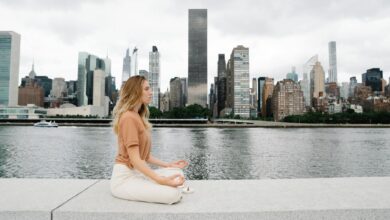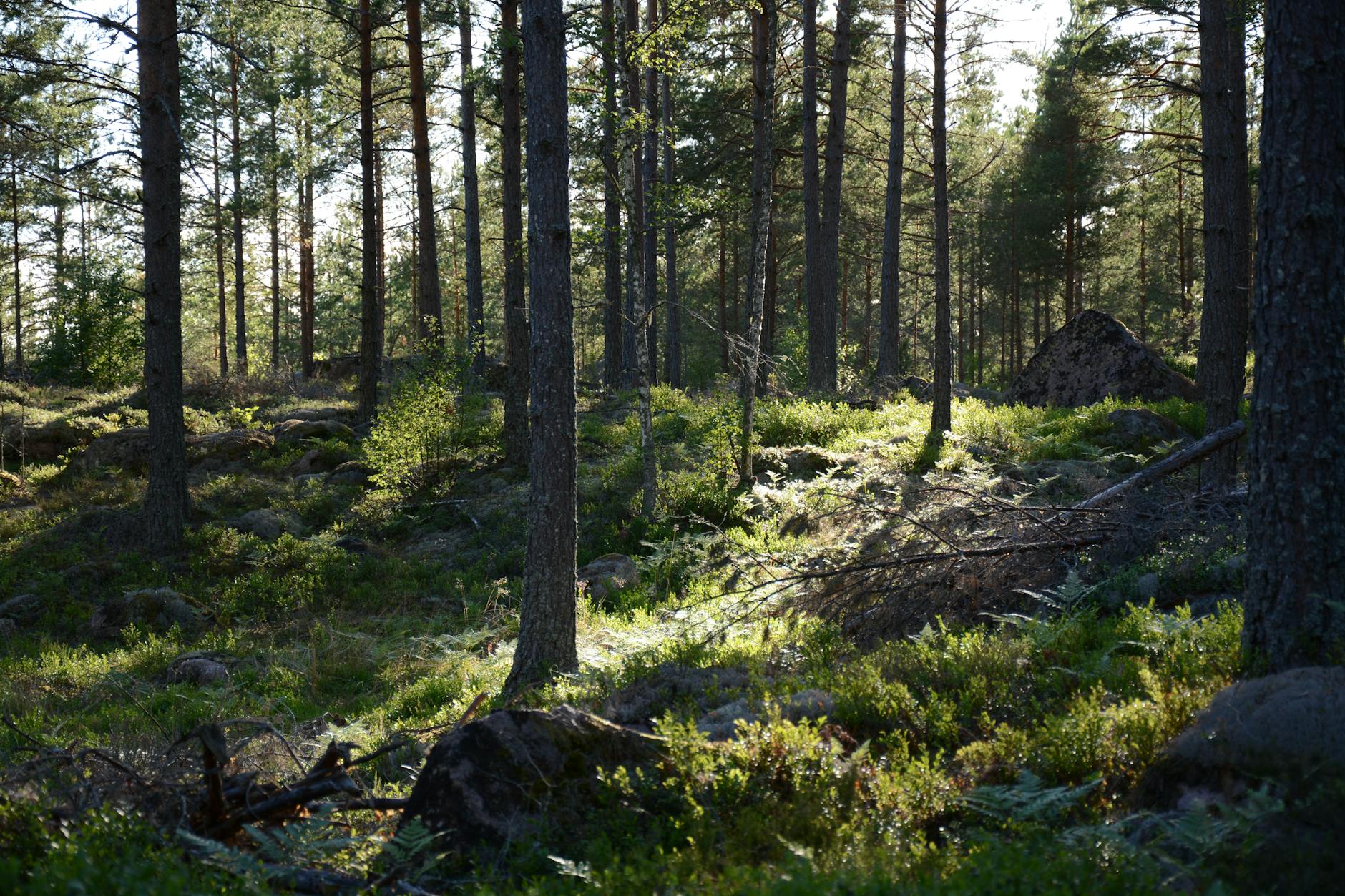

A Goldman Sachs analyst traded her Manhattan corner office for a patch of redwood forest last month. Armed with nothing but a yoga mat and her smartphone on airplane mode, she spent three hours breathing deeply among towering trees. The result? Her first full night’s sleep in six months and a 40% drop in cortisol levels, according to her fitness tracker.
She’s part of a growing movement of high-stress professionals discovering forest bathing, the Japanese practice of shinrin-yoku that’s becoming the go-to stress relief method for burned-out executives, overworked healthcare workers, and deadline-driven creatives.
Unlike hiking or camping, forest bathing requires no equipment, no destination, and no agenda beyond mindful presence in nature. Participants simply immerse themselves in woodland environments, engaging all five senses while moving slowly and breathing intentionally.
From Boardrooms to Tree Groves
Corporate America is taking notice. Tech giants like Google and Microsoft now offer forest bathing sessions as part of their employee wellness programs. The practice originated in Japan during the 1980s as a government initiative to combat rising stress levels and urbanization effects on public health.
Dr. Li Qing’s research at Nippon Medical School found that forest environments increase natural killer cell activity by 50%, boosting immune function for up to 30 days after a single session. These findings caught the attention of high-pressure industries where burnout rates have skyrocketed since 2020.
“I was skeptical until I tried it myself,” says Sarah Chen, a trauma surgeon at Mount Sinai Hospital who now leads monthly forest bathing sessions for medical staff. “Twenty minutes among the trees before my shift changes everything. My hands are steadier, my focus sharper, and patient interactions feel more natural.”
The practice differs significantly from traditional outdoor activities. Forest bathers don’t track distance, calories, or elevation gain. Instead, they engage in sensory exercises: touching bark textures, listening to wind patterns, inhaling phytoncides (natural wood oils), and observing light filtering through leaves.
The Science Behind Tree Therapy
Research from Stanford University reveals that two hours of forest bathing reduces rumination – the repetitive negative thoughts linked to depression and anxiety – more effectively than urban walks of the same duration. Brain scans show decreased activity in the subgenual prefrontal cortex, the region associated with mental illness and chronic stress.
Forest environments also trigger measurable physiological changes. Heart rate variability improves, indicating better stress resilience. Blood pressure drops an average of 10 points. Stress hormones like cortisol and adrenaline decrease while feel-good chemicals like dopamine and serotonin increase.
The secret lies in forest air composition. Trees release antimicrobial compounds called phytoncides to protect against insects and disease. When humans inhale these natural chemicals, they experience reduced inflammation, improved mood, and enhanced cognitive function.
“It’s like a natural antidepressant that doesn’t require a prescription,” explains Dr. Margaret Hansen, environmental psychologist at UC Berkeley. “The forest literally changes your brain chemistry.”

Corporate Wellness Goes Wild
Companies are integrating forest bathing into comprehensive wellness strategies. Wall Street firms organize weekend retreats in the Catskills. Silicon Valley startups hold quarterly team-building sessions in Muir Woods. Law firms in Chicago bus associates to nearby forest preserves during peak stress periods.
The practice aligns perfectly with current workplace trends toward mental health awareness and work-life balance. Unlike expensive spa treatments or time-consuming therapy sessions, forest bathing requires minimal investment while delivering measurable results.
Some organizations partner with certified forest bathing guides who lead structured sessions. Others create employee resource groups that organize informal woodland gatherings. The key is consistent exposure rather than intensive one-off experiences.
“We’ve seen a 30% reduction in sick days and stress-related absences since implementing our forest wellness program,” reports James Rodriguez, HR director at a Fortune 500 consulting firm. “Productivity hasn’t suffered – it’s actually improved as people return to work more focused and creative.”
The trend extends beyond traditional corporate settings. Busy professionals are choosing walking meetings in nature, combining business discussions with stress-reducing woodland environments.
Making Forest Bathing Accessible
Urban professionals worry about finding suitable forest locations, but experts emphasize that small green spaces work too. City parks with mature trees provide similar benefits to remote wilderness areas. The key factors are canopy coverage, natural sounds, and distance from traffic noise.
Mobile apps now guide virtual forest bathing experiences using nature sounds and visual imagery, though research suggests these provide limited benefits compared to actual outdoor exposure. The full sensory engagement of real forests cannot be digitally replicated.
Getting started requires no special training or equipment. Forest bathing advocates recommend beginning with 20-minute sessions in the nearest wooded area. Leave phones behind or switch to airplane mode. Move slowly and stop frequently to observe surroundings. Focus on breathing deeply and engaging all senses.
Many practitioners combine forest bathing with other mindfulness techniques like meditation or gentle yoga. The practice works well before important meetings, after stressful deadlines, or as weekend mental health maintenance.
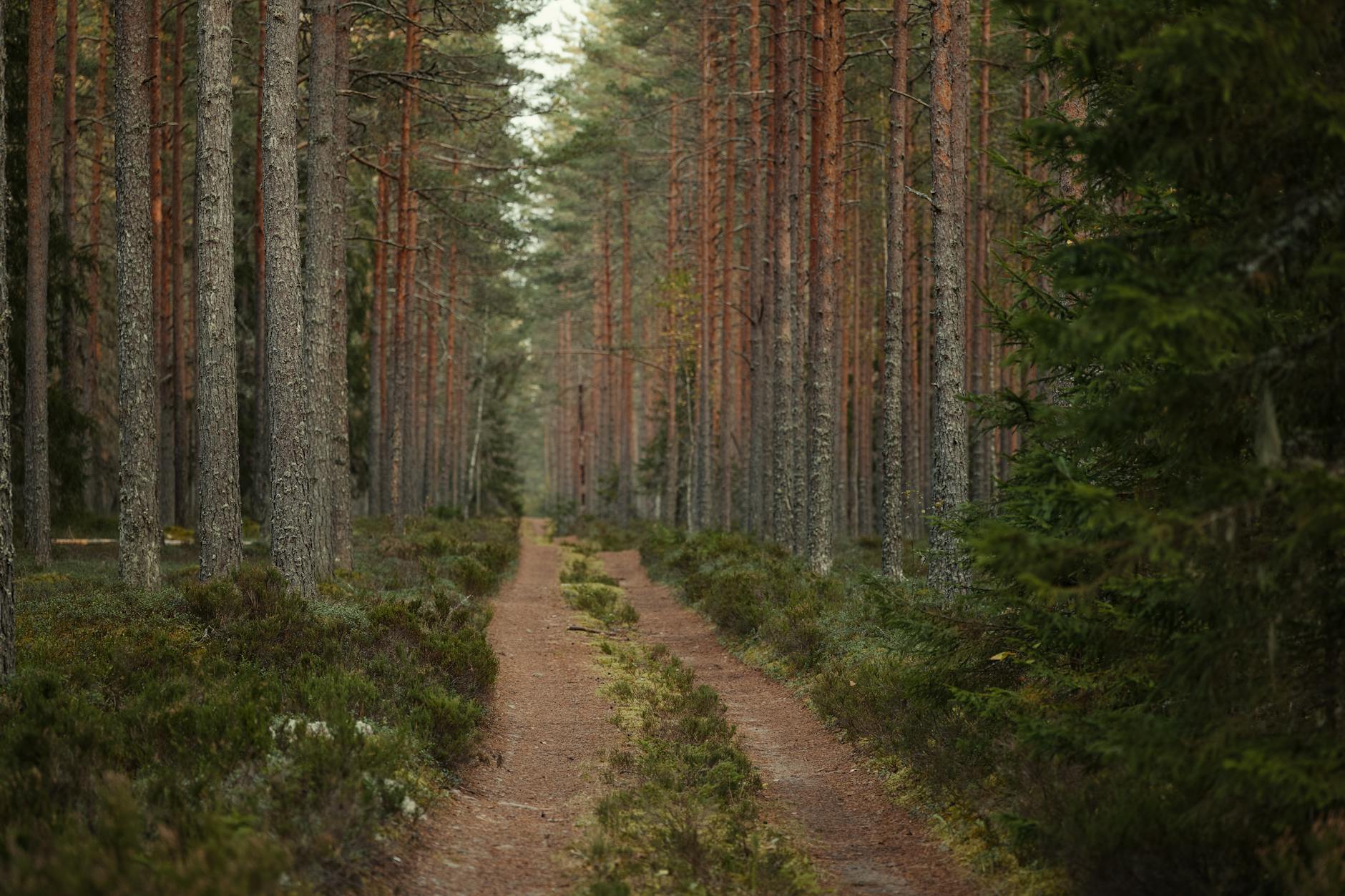
As remote work continues reshaping professional life, forest bathing offers a unique solution to the isolation and screen fatigue plaguing modern workers. Unlike digital wellness solutions that add more technology to overstimulated lives, this ancient practice provides genuine disconnection from urban stressors.
The growing body of scientific evidence supporting forest bathing’s mental health benefits positions it as a legitimate therapeutic intervention rather than New Age trend. Medical schools now teach forest bathing techniques to future healthcare providers. Business schools examine its applications for workplace stress management.
With corporate wellness spending projected to reach record levels and mental health awareness at an all-time high, forest bathing represents a sustainable, accessible intervention that addresses root causes of workplace stress rather than just symptoms. As more professionals discover the profound calm waiting among the trees, this Japanese wisdom may become as essential to career success as any MBA or professional certification.
Frequently Asked Questions
What is forest bathing and how does it work?
Forest bathing is the Japanese practice of shinrin-yoku, involving mindful immersion in woodland environments to reduce stress and improve mental health through natural exposure.
How long should a forest bathing session last?
Beginners can start with 20-minute sessions, though research shows optimal benefits occur after two hours of mindful forest immersion.