
What You Need to Know
Airlines sell business class upgrades through their mobile apps at heavily discounted rates, sometimes up to 70% off the gate price. These last-minute deals become available 24 to 72 hours before departure when airlines assess remaining premium cabin availability. Smart travelers who understand the timing and strategies behind app-based upgrades can transform economy flights into business class experiences for a fraction of the usual cost.
The key lies in understanding airline revenue management systems. When premium cabins aren’t selling at full price, airlines push discounted upgrades through their apps to maximize revenue from existing passengers. This creates a window of opportunity for savvy travelers willing to gamble on availability.
1. Download and Set Up Your Airline Apps Before Travel
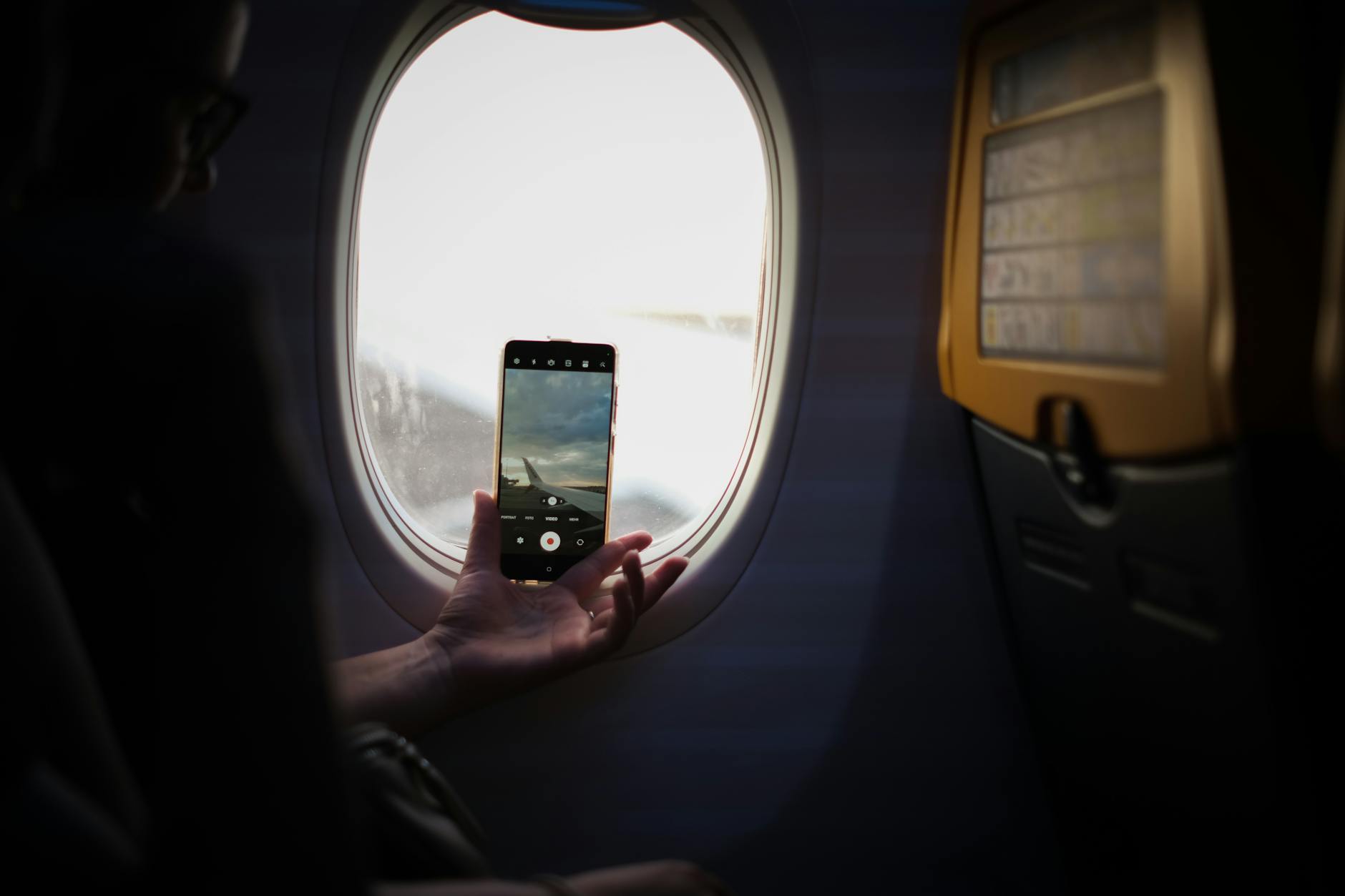
Install the official mobile apps for every airline you fly regularly. United, Delta, American, British Airways, Lufthansa, and other major carriers all offer app-based upgrade bidding systems. Create accounts and link your frequent flyer numbers to ensure seamless access during critical upgrade windows.
Enable push notifications for all airline apps. These alerts notify you when upgrade opportunities become available for your specific flights. Without notifications enabled, you might miss the narrow window when discounted upgrades appear.
Verify your payment methods are current and stored securely in each app. When upgrade opportunities arise, you typically have limited time to complete the purchase before availability disappears.
2. Master the 24-72 Hour Window
Most airlines release app-based upgrade inventory between 24 and 72 hours before departure. This timing aligns with their final revenue optimization push before flights close for booking. Set calendar reminders to check apps during this critical period.
Different airlines follow varying schedules. Delta often releases upgrade inventory 5 days before departure, while United typically waits until 24-48 hours. American Airlines sometimes offers immediate upgrades at booking through their app, but better deals usually appear closer to departure.
International flights tend to have longer upgrade windows than domestic routes. Long-haul flights to Europe or Asia may show upgrade options up to a week before departure, giving you more time to monitor and compare prices.
3. Use Strategic Bidding on Auction-Based Systems
Many airlines use bidding systems where you submit your maximum upgrade price and compete against other passengers. United’s PlusPoints system, Delta’s upgrade certificates, and American’s systemwide upgrades all function as auction mechanisms through their respective apps.
Research typical upgrade costs for your route before bidding. Business class upgrades on transcontinental US flights typically range from $200-600 through apps, while international upgrades can range from $400-1,500 depending on distance and demand.
Start with conservative bids around 40-50% of the gate upgrade price, then increase if you don’t win. Airlines often send counter-offers through their apps if your initial bid falls short of the winning threshold.
4. Leverage Elite Status and Credit Card Benefits
Elite frequent flyers receive priority for app-based upgrades, even when paying the same price as non-elite members. If you have status with an airline, your upgrade requests get processed before those without status.
Airline credit cards often include annual upgrade certificates that can be applied through mobile apps. Cards like the Chase Sapphire Reserve or American Express Platinum provide upgrade benefits that activate automatically when you book through the associated airline’s app.
Some credit cards offer statement credits for airline purchases, including upgrades bought through apps. The American Express Gold Card provides airline fee credits that can offset upgrade costs when processed correctly.
5. Monitor Multiple Flight Options
If you have flexibility with departure times, monitor upgrade availability across multiple flights on your travel date. Earlier morning flights and red-eyes often have better upgrade availability since business travelers prefer mid-day departures.
Consider alternate airports when traveling to major cities. Flying into Newark instead of JFK, or Oakland instead of San Francisco, sometimes offers better upgrade opportunities due to different passenger demographics and route competition.
Tuesday and Wednesday flights typically have the best upgrade availability, while Sunday and Friday flights remain challenging due to leisure travel demand.
6. Understand Airline-Specific Strategies
Delta uses a clear dollar-amount system through their app, showing exact upgrade costs without bidding. Their system updates in real-time, making it easier to track price changes as departure approaches.
United’s app requires PlusPoints earned through flying or credit card spending, but also offers cash upgrades when PlusPoints aren’t available. Their system tends to release inventory in waves rather than gradually.
American Airlines combines complimentary upgrades for elite members with paid options for all passengers. Their app clearly distinguishes between upgrade types and shows waitlist positions for complimentary upgrades.
International carriers like Lufthansa, British Airways, and Air France offer app-based upgrades but with different timing patterns. European carriers often release inventory earlier than US airlines, sometimes up to a week before departure.
7. Time Your Purchase Strategically
Upgrade prices through apps fluctuate based on demand and remaining inventory. Prices often drop significantly in the final 24 hours if premium cabins remain unsold, but waiting carries the risk of losing all availability.
Morning hours typically show more upgrade inventory than evenings, as airlines process overnight booking changes and cancellations. Check apps between 6-9 AM local time for the best selection.
Airport WiFi can be unreliable for completing upgrade purchases. Complete transactions before arriving at the airport when possible, as connection issues might prevent you from securing available upgrades.
Key Takeaways
Success with app-based business class upgrades requires preparation, timing, and strategic thinking. Download all relevant airline apps before travel, enable notifications, and understand each airline’s specific upgrade policies and timing. The 24-72 hour window before departure offers the best opportunities, but international flights may release inventory earlier.
Bidding systems reward research and patience. Start with conservative offers and adjust based on competition and remaining time. Elite status and airline credit cards provide significant advantages in the upgrade process.
Monitor multiple flights and consider alternate airports or departure times for better upgrade availability. Mid-week flights typically offer more opportunities than weekend travel. Remember that upgrade prices fluctuate, so timing your purchase strategically can save hundreds of dollars while securing premium cabin comfort.
Just as modern travelers use Apple AirTags to track luggage through international connections, savvy flyers leverage airline apps to transform their travel experience at the last minute. The key is preparation, patience, and understanding each airline’s unique upgrade ecosystem.
Frequently Asked Questions
When do airlines release app-based upgrade inventory?
Most airlines release upgrade inventory 24-72 hours before departure, with international flights sometimes offering earlier windows up to a week out.
How much do app-based business class upgrades typically cost?
Domestic US upgrades range from $200-600, while international upgrades typically cost $400-1,500 depending on route and demand.