
What You Need to Know
Tourist-heavy restaurants charge premium prices for mediocre food while authentic local gems hide in plain sight just blocks away. Every destination has two food ecosystems: the polished establishments near major attractions that cater to visitors, and the neighborhood spots where locals actually eat. The difference isn’t just price – it’s flavor, authenticity, and the kind of cultural immersion that transforms a trip from ordinary to unforgettable.
Finding these hidden culinary treasures requires abandoning conventional travel wisdom. Guidebooks and review apps often feature the same recycled recommendations that have lost their local character years ago. Real local dining happens in markets, residential neighborhoods, and unassuming storefronts that don’t need Instagram-worthy decor to draw crowds.
1. Follow the Language Patterns
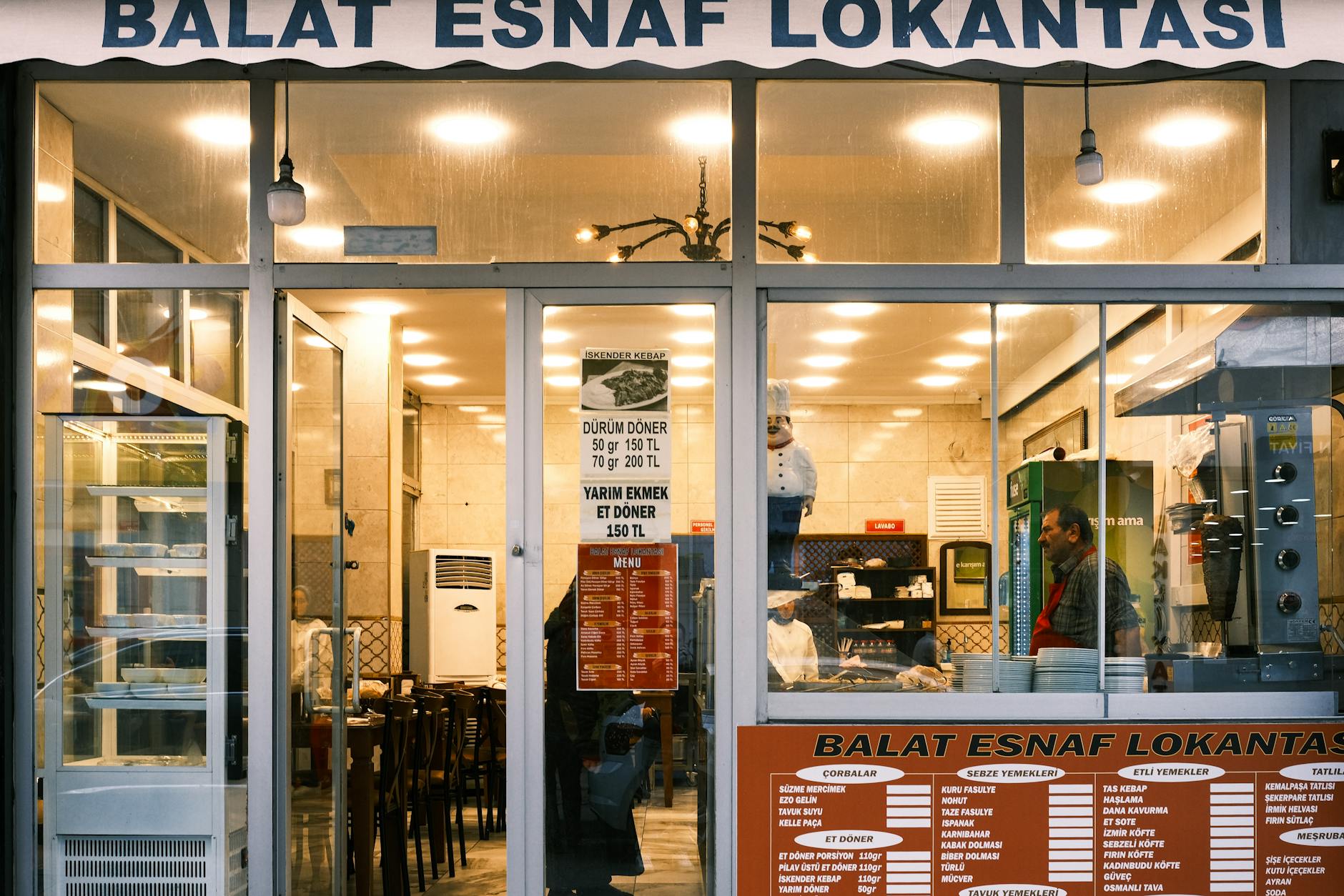
Authentic local restaurants reveal themselves through language clues that tourist traps can’t fake. Menus written entirely in the local language, especially handwritten specials boards, indicate the establishment caters to residents rather than visitors. Staff who speak limited English or seem surprised by foreign customers often work at genuinely local spots.
Look for restaurants where conversations happen primarily in the local language. If you hear multiple languages and tourist chatter, you’ve likely found a place that markets to travelers. Authentic establishments buzz with the rhythm of local dialects and familiar greetings between staff and regular customers.
Menu translations can be telling. Poorly translated English descriptions or menus that exist only in the local language suggest the restaurant wasn’t designed for international visitors. These linguistic barriers often protect the most authentic dining experiences.
2. Navigate Beyond the Tourist Quarter
Physical distance from major attractions creates an immediate filter. Walk or take local transportation at least 10-15 blocks away from famous landmarks, museums, or central squares. Tourist restaurants cluster around these high-traffic areas because foot traffic guarantees customers regardless of food quality.
Residential neighborhoods hold the greatest concentration of authentic dining. Areas with apartment buildings, local schools, and neighborhood services like laundromats or small grocery stores indicate where residents actually live and eat. These districts support restaurants based on repeat local business rather than one-time tourist visits.
University districts offer another reliable hunting ground. Students and faculty demand affordable, tasty food and create sustainable customer bases for authentic establishments. Areas around hospitals, government offices, or local business centers similarly attract restaurants that must satisfy daily regulars rather than casual tourists.
3. Decode the Visual Signals
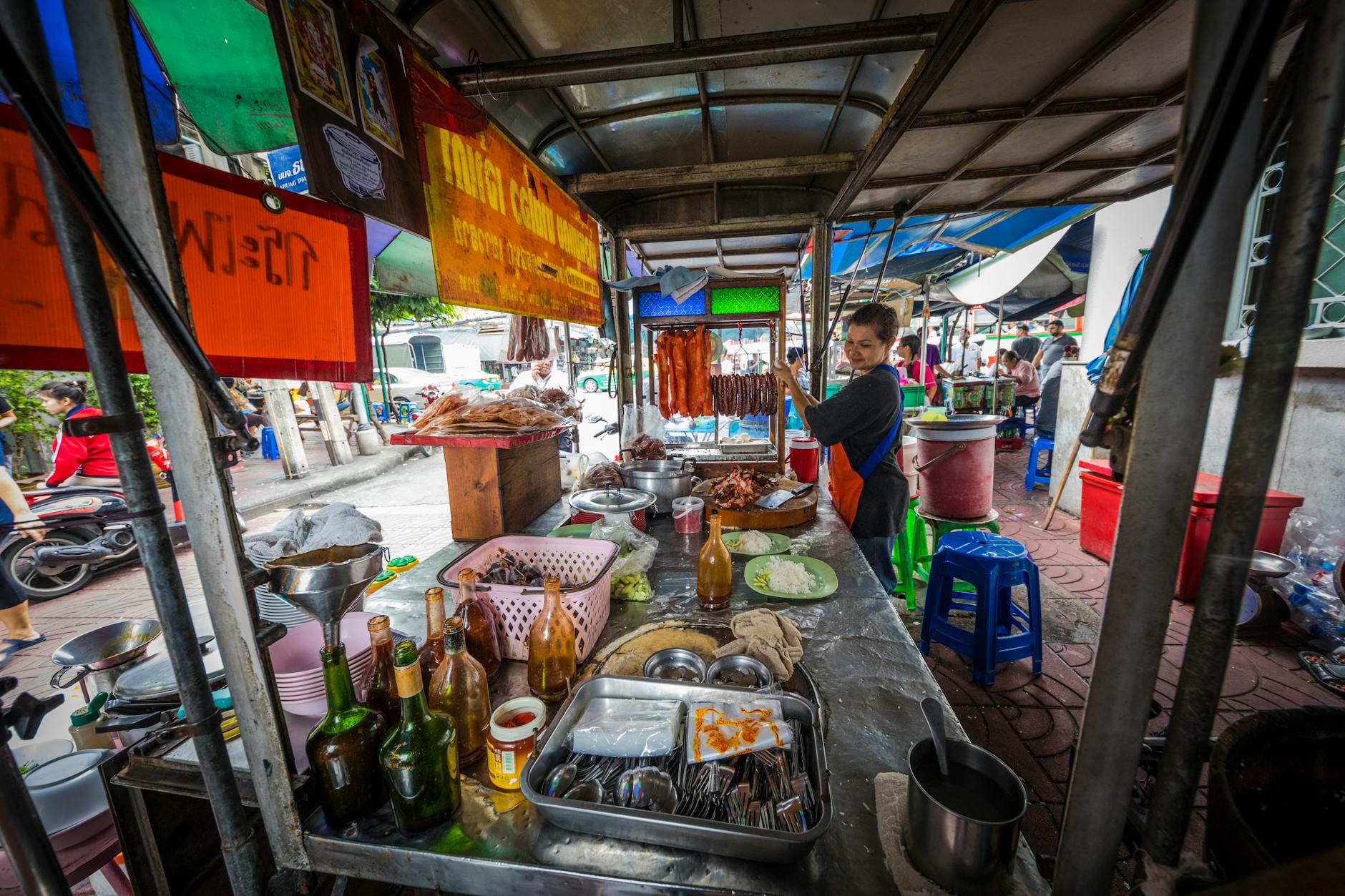
Authentic local restaurants often display distinct visual characteristics that tourist establishments avoid. Plastic chairs and tables, fluorescent lighting, and minimal decor frequently indicate places where food quality matters more than ambiance. Locals prioritize taste and value over Instagram-worthy interiors.
Check the walls for local newspaper clippings, community event flyers, or photos of the owner with local figures rather than celebrities. Family photos, religious imagery, or cultural decorations specific to the region suggest deep community roots. Generic international decor or overly polished interiors often signal establishments designed for tourist appeal.
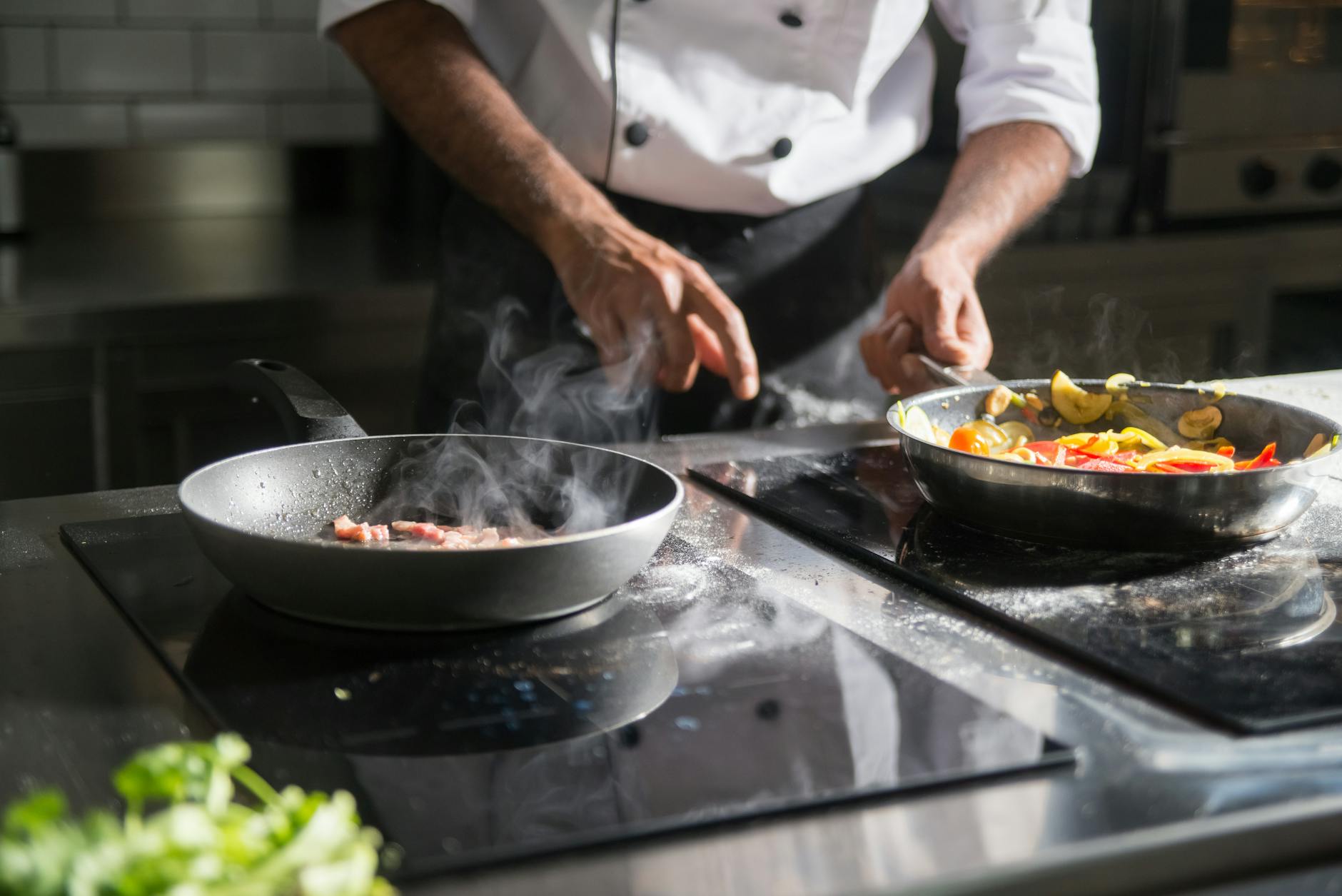
Kitchen visibility provides crucial insights. Open kitchens or visible cooking areas allow you to observe food preparation methods and ingredient quality. Restaurants hiding their kitchen operations might be concealing shortcuts or processed ingredients that local establishments typically avoid.
4. Time Your Visits Strategically
Local dining patterns reveal authentic restaurants through timing. Observe when locals eat – many cultures have different meal schedules than typical tourist expectations. Restaurants packed with locals during off-peak tourist hours indicate genuine community support.
Lunch crowds provide the clearest indicator of local authenticity. Working residents choose nearby restaurants for quick, affordable, quality meals. A restaurant full of locals at 1 PM on a Tuesday demonstrates consistent food quality and value that sustains repeat business.
Evening observations can be equally revealing. Families dining together, multi-generational groups, or regular customers greeted by name indicate deep community connections. Tourist restaurants might be busy during dinner hours, but local establishments show different social dynamics and customer relationships.
5. Use Local Recommendation Networks
Tap into genuine local knowledge through strategic conversations. Hotel front desk staff, taxi drivers, and local service workers often know neighborhood favorites that never appear in travel guides. However, avoid asking for “tourist-friendly” recommendations – specifically request where they personally eat.
Local markets provide excellent intelligence networks. Vendors, shoppers, and market workers represent authentic local voices. Strike up conversations about food preferences and neighborhood recommendations. Market areas also frequently house small restaurants or food stalls that serve market workers and regular shoppers.
Just as planning ahead helps when navigating budget-friendly train travel across Europe, building connections with locals requires patience and genuine curiosity. Engage in natural conversations rather than transactional exchanges focused solely on recommendations.
6. Leverage Technology Wisely
Use mapping applications to identify restaurant clusters in residential areas rather than tourist zones. Switch your map language settings to the local language to discover establishments that don’t cater to international visitors. Local-language searches often reveal different results than English queries.
Social media platforms popular in your destination provide authentic insights. Local Instagram accounts, Facebook groups, or region-specific platforms show where residents actually eat and celebrate. Look for posts by locals rather than travel influencers or tourist accounts.
Food delivery apps used by locals reveal genuine preferences. Apps like local versions of delivery services show restaurants with high local order volumes and customer ratings from residents rather than tourists. These platforms reflect actual local dining choices rather than tourist marketing.
7. Master the Ordering Process
Authentic local restaurants often have unwritten ordering protocols that tourist establishments simplify or eliminate. Daily specials, seasonal items, or dishes not listed on printed menus represent the chef’s current best offerings using fresh local ingredients.
Ask servers about their personal recommendations or family favorites. Staff at genuine local establishments often have strong opinions about dishes and ingredients. Their enthusiasm and detailed descriptions usually indicate authentic preparation methods and quality ingredients.
Observe other customers’ orders before making your selection. Local diners understand which dishes represent the restaurant’s specialties and seasonal highlights. Popular items among local customers often reflect the establishment’s reputation and expertise.
Key Takeaways
Authentic local dining experiences require abandoning tourist comfort zones and embracing genuine cultural immersion. Language barriers, residential locations, and local dining customs create natural filters that separate authentic establishments from tourist-oriented restaurants. Visual cues, timing strategies, and local recommendation networks provide reliable methods for discovering hidden culinary gems.
Success depends on patience and willingness to venture beyond familiar territory. The most memorable meals often happen in unremarkable-looking establishments where food quality and local tradition matter more than tourist convenience. These discoveries become lasting travel memories that reflect genuine cultural understanding rather than surface-level tourism.
Remember that authentic dining experiences connect you with local communities and traditions in ways that tourist restaurants cannot replicate. The effort invested in finding genuine local establishments pays dividends through better food, lower prices, and meaningful cultural connections that enhance any travel experience.
Frequently Asked Questions
How far should I walk from tourist attractions to find local restaurants?
Walk at least 10-15 blocks from major landmarks or attractions to find restaurants that cater to locals rather than tourists.
What visual signs indicate an authentic local restaurant?
Look for plastic furniture, fluorescent lighting, local language menus, family photos, and visible kitchens with fresh ingredient preparation.