
What You Need to Know
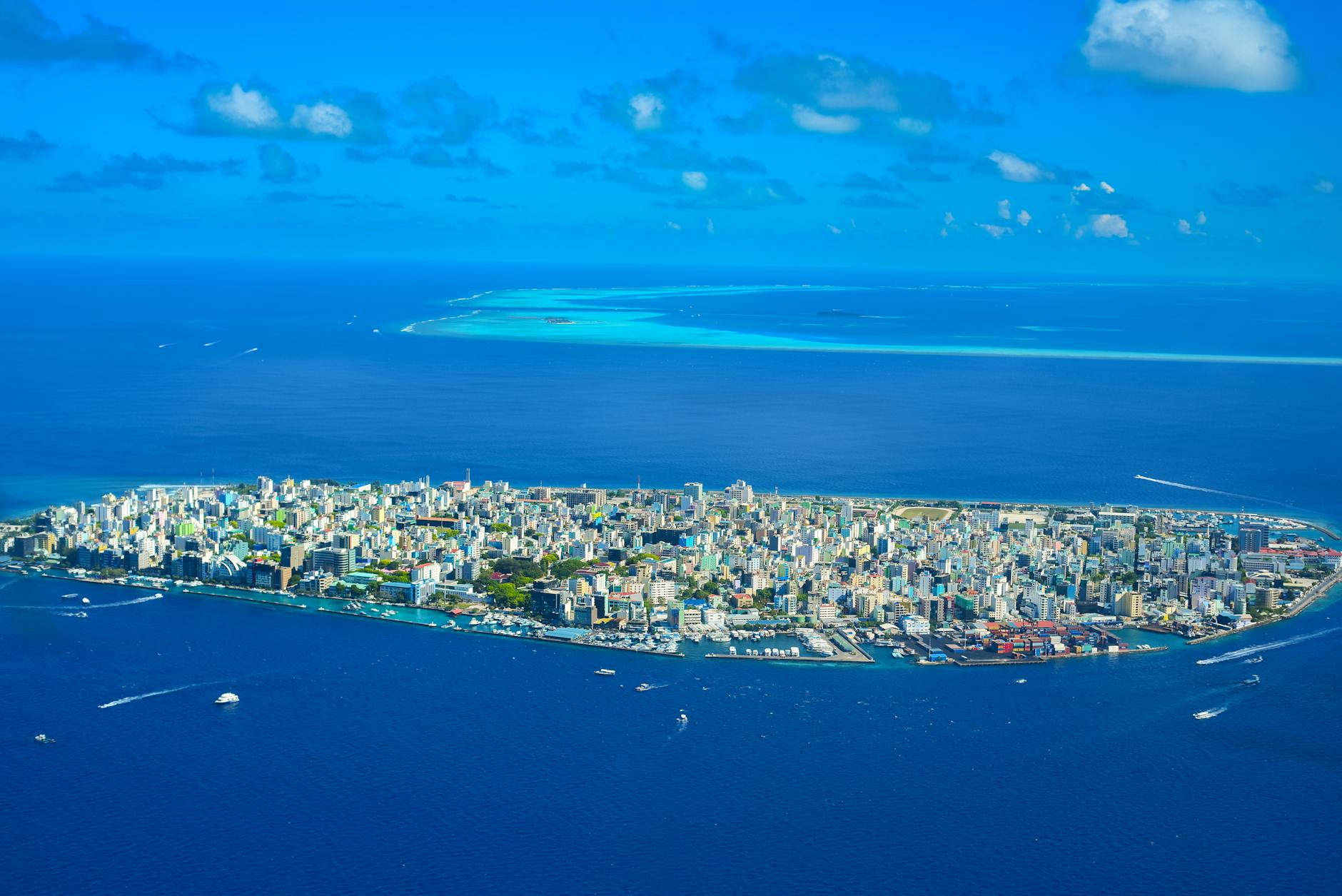
Remote island chains pose unique challenges for staying connected. Unlike mainland areas where cell towers blanket the landscape, islands often have spotty coverage, limited infrastructure, and unpredictable signal strength. The geography itself works against you – water absorbs radio waves, mountains block signals, and distance between islands creates dead zones that can stretch for miles.
Your phone might show full bars on one side of an island and no service at all on the other. Weather patterns, tidal changes, and even the time of day can affect signal strength in these isolated locations. Smart travelers prepare for these realities before setting foot on their first ferry.
1. Research Coverage Maps Before You Go
Start your planning with carrier coverage maps, but take them with a grain of salt. Verizon, AT&T, and T-Mobile all publish detailed coverage maps online, but these often show optimistic projections rather than real-world performance. The maps typically indicate coverage exists if there’s any signal at all, regardless of whether you can actually make a call or send a text.
Cross-reference official maps with crowdsourced data from apps like OpenSignal, RootMetrics, or CellMapper. These platforms collect real user data and often reveal gaps that carrier maps don’t show. Pay special attention to user reports from the specific islands you’re visiting, as coverage can vary dramatically even within the same archipelago.
Local tourism boards and ferry companies often maintain unofficial guides about which carriers work best in their areas. A quick email or phone call can save you from discovering coverage issues after you’ve already committed to a carrier.
2. Compare International Roaming Plans
If you’re island hopping internationally, roaming charges can devastate your budget faster than poor signal quality ruins your connectivity. Major carriers offer international plans, but the details matter enormously for island destinations.
T-Mobile’s international plans often include coverage in popular Caribbean and Pacific islands, but may exclude smaller territories. Verizon’s Travel Pass charges daily fees that can add up quickly during extended island stays. AT&T’s international packages sometimes treat different islands in the same region as separate countries for billing purposes.
Contact your carrier directly to confirm coverage for each specific island on your itinerary. Ask about data speed throttling – some international plans reduce speeds after certain usage thresholds, making video calls and photo uploads impossible even when you have coverage.
3. Consider Local SIM Cards and eSIM Options
Local SIM cards often provide the most reliable and affordable service in remote island destinations. Regional carriers understand their terrain better than international giants and position towers accordingly. In the Caribbean, companies like Flow and Digicel offer prepaid SIMs with generous data allowances and island-to-island coverage agreements.
Modern smartphones support eSIM technology, allowing you to add local carriers without swapping physical SIM cards. Airalo, Holafly, and Nomad offer eSIM packages for many island destinations, though coverage quality varies by location.
Purchase local SIMs at airports when possible – island shops may have limited selection or higher prices. Bring an unlocked phone or confirm your device will work with local networks. Some islands still rely heavily on older 3G networks that newer phones may not support.
4. Pack Signal-Boosting Equipment
Portable signal boosters can turn weak signals into usable connections. WeBoost and SureCall make compact boosters designed for vehicles and small spaces. These devices amplify existing signals but can’t create coverage where none exists.
External antennas help when you’re staying in one location for several days. Simple magnetic mount antennas for vehicles or temporary building installations can improve signal strength significantly. Some travelers carry telescoping antennas that extend several feet for maximum signal capture.
Battery-powered WiFi hotspots with external antenna connections offer another option. Devices like the Verizon Jetpack or AT&T MiFi can share amplified cellular connections with multiple devices through WiFi.
5. Download Offline Maps and Communication Apps
Prepare for connectivity gaps by downloading essential information before losing signal. Google Maps allows you to download specific regions for offline navigation. Offline maps work without any cellular or WiFi connection and include basic business listings and points of interest.
Communication apps like WhatsApp, Signal, and Messenger work over WiFi when cellular service fails. Download these apps and set up accounts while you still have reliable internet. Some messaging apps offer SMS fallback features that work even when data connections fail.
Weather apps with offline capabilities help you monitor conditions that might affect signal strength. Storms, high winds, and even extreme heat can impact cellular tower performance in remote areas.
6. Identify WiFi Backup Options
Many remote islands have surprisingly good WiFi in specific locations, even when cellular coverage is poor. Airports, hotels, cafes, and government buildings often maintain satellite internet connections that can serve as communication lifelines.
Marina areas frequently offer WiFi for boaters and may allow visitors to access networks for small fees. Tourist information centers, libraries, and medical facilities typically maintain internet connections for essential services. Finding reliable WiFi hotspots becomes crucial when cellular service fails.
Some islands offer community WiFi networks in town squares or beach areas. These networks may be slow but sufficient for essential communications and emergency contacts.
7. Plan Communication Schedules
Establish regular check-in times with family, friends, and colleagues before you leave. Let people know when to expect contact and when silence is normal. This reduces anxiety and prevents unnecessary emergency responses when you’re simply in a dead zone.
Consider time zone differences when planning communication windows. The best signal locations on your island might be inconvenient for real-time conversations with people back home. Schedule important calls during peak coverage hours rather than trying to force connections during weak signal periods.
Use delayed messaging services when possible. Email and messaging apps often queue messages and send them automatically when connections improve. This ensures important communications get through even if timing doesn’t align perfectly.
8. Prepare Emergency Communication Backup
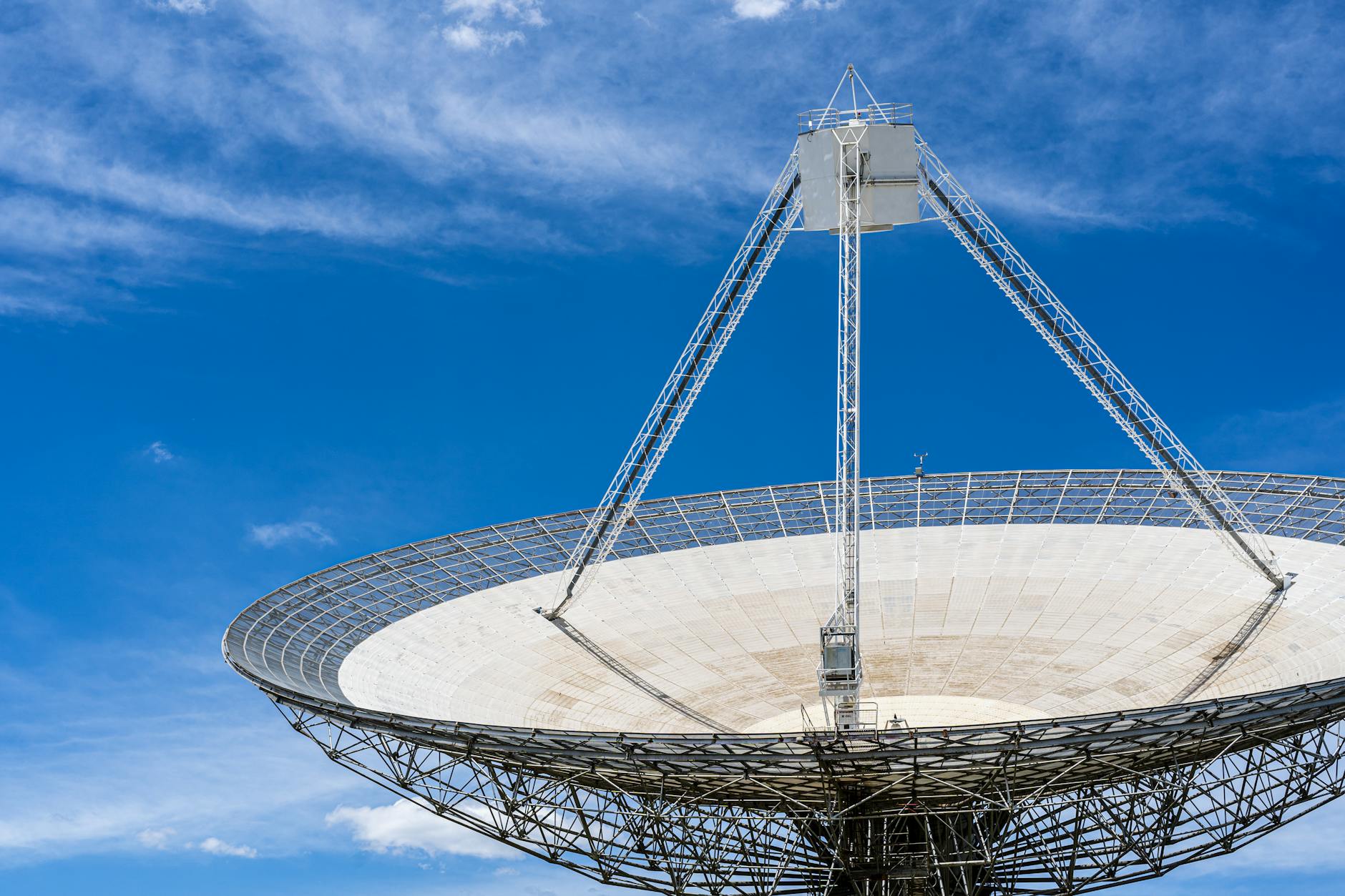
Satellite communicators like Garmin inReach, Spot, or ACR ResQLink provide emergency communication when all other options fail. These devices work anywhere on Earth and can send distress signals, GPS coordinates, and short messages to emergency contacts.
Marine VHF radios work well in coastal areas and can reach coast guard stations, other vessels, and shore-based facilities. Handheld VHF radios are relatively inexpensive and work without cellular towers or internet connections.
Personal locator beacons (PLBs) offer one-way emergency communication to search and rescue services. These devices are smaller and lighter than satellite communicators but only work for true emergencies.
Key Takeaways
Reliable cell service while island hopping requires preparation, backup plans, and realistic expectations. Research coverage thoroughly, consider multiple carriers or local options, and pack signal-boosting equipment when possible. Download offline resources before losing connectivity and identify WiFi backup locations on each island.
Most importantly, embrace the occasional digital disconnect. Remote islands offer experiences that constant connectivity can’t provide. Plan your communication needs carefully, but don’t let the pursuit of perfect signal strength prevent you from enjoying the unique beauty and culture of island destinations. Smart trip planning includes accepting that some places are meant to be enjoyed without constant digital distractions.
Frequently Asked Questions
Do international carriers work well on remote islands?
Coverage varies significantly. Local carriers often provide more reliable service than international roaming plans in remote island destinations.
What’s the best backup communication option for island emergencies?
Satellite communicators like Garmin inReach provide reliable emergency communication when cellular service fails completely.