
What You Need to Know
TSA PreCheck isn’t the only way to breeze through airport security. With wait times averaging 30 minutes at major airports during peak travel, smart travelers are discovering multiple paths to faster screening. From global entry programs to mobile passport apps, several alternatives can slash your security wait time without the TSA PreCheck commitment.
The key lies in understanding which programs work best for your travel patterns and citizenship status. International travelers, frequent flyers to specific regions, and even occasional vacationers have options that often prove more valuable than standard TSA PreCheck.
1. Apply for Global Entry Instead of TSA PreCheck
Global Entry automatically includes TSA PreCheck benefits while adding expedited customs clearance for international travelers. The program costs $100 for five years compared to TSA PreCheck’s $78, making it the smarter choice for anyone taking international trips.
Global Entry members use dedicated kiosks at customs, scanning their passport and fingerprints to complete the entire process in under two minutes. The program covers over 75 airports and includes land border crossings from Canada and Mexico.
The application process takes longer than TSA PreCheck, requiring an in-person interview at enrollment centers. However, interviews are now available at major airports, allowing you to complete the process during layovers.
2. Use Mobile Passport Control for International Returns
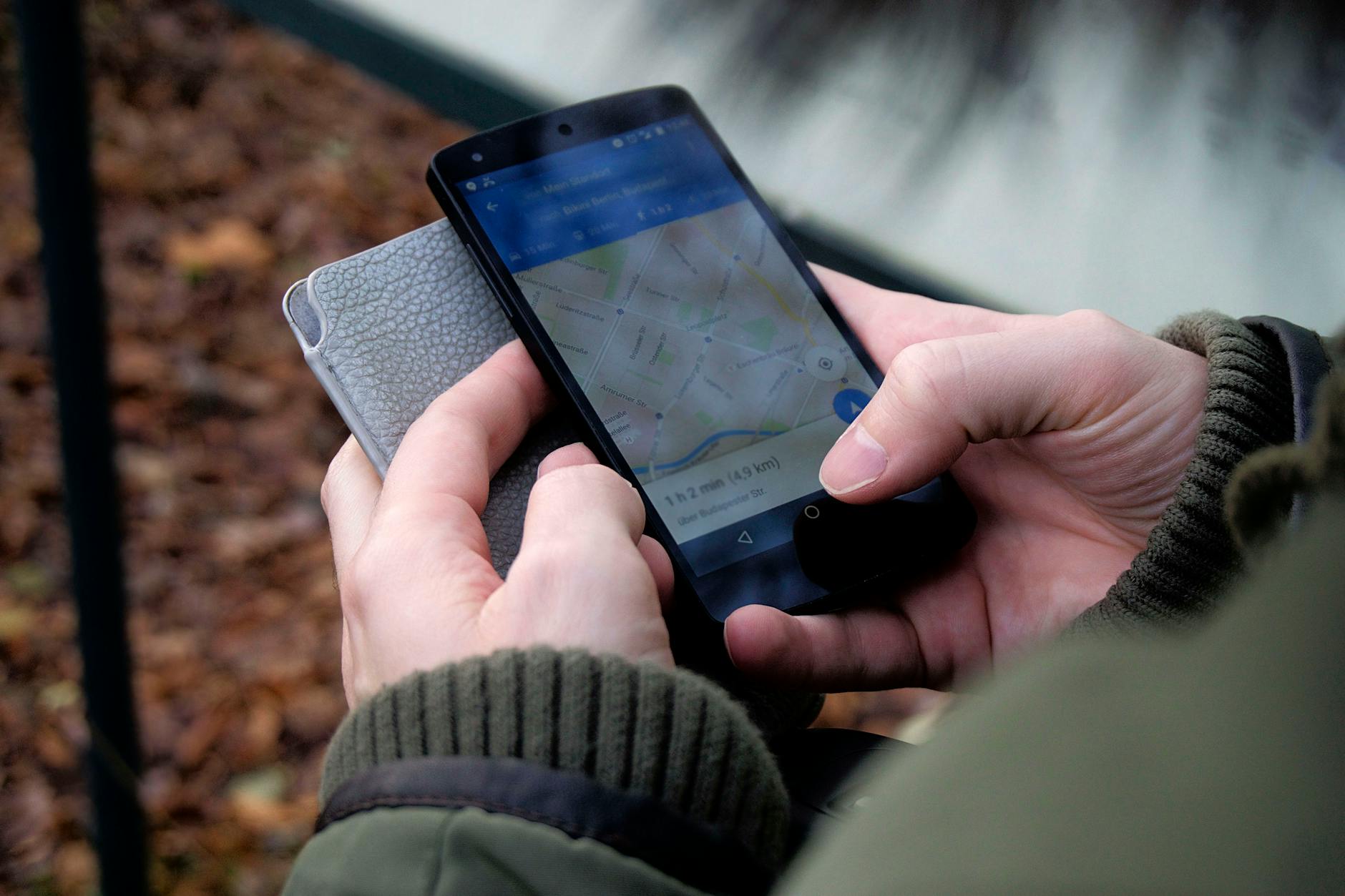
Mobile Passport Control lets U.S. citizens and Canadian visitors skip traditional customs lines using a free smartphone app. Available at 32 airports including all major hubs, the app processes your customs declaration digitally before you land.
Download the app before your trip and create profiles for all family members. Upon landing, complete the customs form on your phone, receive a digital receipt, and head to the dedicated Mobile Passport lane. The process cuts customs wait times by 50-70% during busy periods.
The app works independently of other programs, meaning you can use it even without TSA PreCheck or Global Entry. For families traveling internationally, it’s often faster than Global Entry kiosks during peak times.
3. Leverage Clear for Biometric Fast-Tracking
Clear uses biometric scanning to verify your identity instantly, allowing you to skip to the front of security lines at 50+ airports. The service costs $189 annually but works with any security clearance level, including standard screening.
Members place their finger on a scanner and look into a camera, then receive escort service directly to X-ray machines. The process takes under 30 seconds, making it valuable during busy travel periods even without TSA PreCheck.
Clear offers family plans at $60 per additional member and frequently provides discounts through credit card partnerships. The service also works at select sports stadiums and concert venues.
4. Book Early Morning or Late Evening Flights
Flight timing dramatically impacts security wait times regardless of your clearance status. Flights departing before 8 AM or after 9 PM typically have 40-60% shorter security lines at most airports.
Early morning flights also face fewer weather delays and air traffic congestion. Late evening departures often cost less while providing similar time savings. Business travelers especially benefit from 6 AM flights, which frequently arrive early due to lighter air traffic.
Check your airport’s historical wait times using apps like MyTSA or airport-specific apps. Many airports publish real-time security wait estimates, helping you time your arrival perfectly.
5. Use Alternative Security Checkpoints
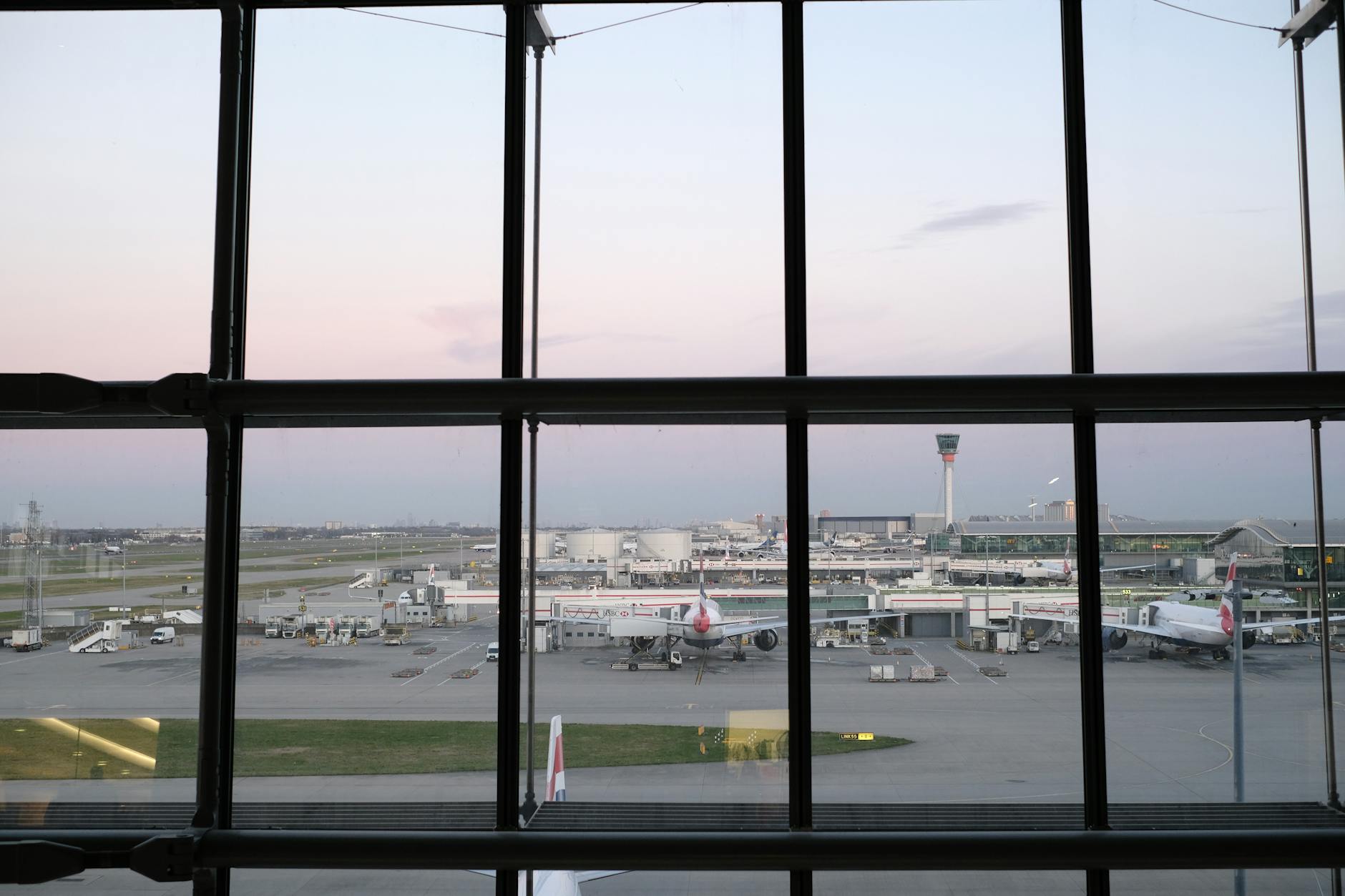
Most airports operate multiple security checkpoints with vastly different wait times. Terminal maps and airport apps show all available checkpoints, including those accessed through other terminals.
Smaller checkpoints near regional gates often process passengers faster than main checkpoints near ticket counters. Some airports allow access to different checkpoints via inter-terminal trains or walkways, even if your gate is in another terminal.
Research your departure airport’s layout before traveling. Many frequent travelers deliberately choose gates near less crowded checkpoints, walking to their actual gate after clearing security.
6. Master Strategic Packing for Faster Screening
Proper packing speeds up security screening regardless of your program status. Place electronics larger than a phone in easily accessible compartments, use TSA-approved containers for liquids, and wear minimal metal jewelry.
Pack shoes that slip off easily and avoid belts with large metal buckles. Place laptops in dedicated compartments and keep charging cables separate from electronics to avoid bag searches.
Consider TSA-approved locks for checked bags and keep prescription medications in original bottles. These simple steps prevent the secondary screenings that cause major delays even in expedited lines.
7. Utilize Airline-Specific Fast Track Programs
Major airlines offer priority security access for elite status members and premium ticket holders. These programs often provide dedicated security lanes without requiring separate applications or fees.
Delta Sky Priority, American Airlines priority access, and United Premier Access lanes operate at major hubs and partner airports. Access typically requires elite status, first-class tickets, or premium credit cards.
Some airlines extend priority access to passengers on international flights regardless of ticket class. Check your airline’s specific policies before travel, as benefits vary by route and airport.
8. Consider NEXUS for Canada-U.S. Travel
NEXUS provides expedited border crossings between the United States and Canada while including Global Entry and TSA PreCheck benefits. The program costs just $50 for five years, making it the most cost-effective option for frequent Canada travelers.
NEXUS members use dedicated lanes at land borders and special kiosks at airports in both countries. The program requires background checks from both governments and in-person interviews, but processing times are typically shorter than Global Entry.
The program especially benefits travelers in border states and cities with frequent business or leisure travel to Canada. NEXUS cards also work as enhanced driver’s licenses for land border crossings.
Key Takeaways
Smart security navigation extends far beyond TSA PreCheck applications. Global Entry provides superior value for international travelers, while Mobile Passport Control offers free customs acceleration. Clear delivers instant identity verification regardless of other programs, and strategic flight timing can eliminate long waits entirely.
The most effective approach combines multiple strategies. Premium travel rewards credit cards often include Clear membership discounts and priority access benefits, creating comprehensive travel acceleration packages.
Remember that airport security efficiency varies dramatically by location and time. Research your specific airports, download relevant apps, and maintain backup strategies for unexpected delays. The investment in faster security processing pays dividends in reduced stress and increased travel flexibility.
Frequently Asked Questions
Is Global Entry better than TSA PreCheck?
Global Entry includes TSA PreCheck benefits plus expedited customs for international travel, making it more valuable for most travelers.
Can I use Mobile Passport Control without TSA PreCheck?
Yes, Mobile Passport Control works independently and is free for U.S. citizens returning from international trips.