
What You Need to Know
Prescription medication mistakes at international borders can turn your dream vacation into a legal nightmare. Customs officials worldwide are trained to identify suspicious substances, and what seems like routine medication to you might trigger serious questions or confiscation. The key lies in preparation – understanding both your destination’s regulations and proper documentation requirements before you pack a single pill.
Different countries enforce vastly different rules about controlled substances, prescription requirements, and quantity limits. Some medications available over-the-counter in your home country may be completely banned elsewhere, while others require special permits or declarations. Smart travelers take time to research and prepare proper documentation well before departure.
1. Research Your Destination’s Medication Laws
Contact your destination country’s embassy or consulate at least 30 days before travel to verify medication regulations. Many countries maintain online databases of prohibited and restricted substances, but these can be outdated or incomplete. Speaking directly with consular staff ensures you receive current, accurate information about your specific medications.
Pay special attention to medications containing controlled substances like opioids, benzodiazepines, or stimulants. Countries in the Middle East and Southeast Asia often have particularly strict regulations. What’s prescribed legally in your home country might carry severe penalties abroad, including imprisonment.
Document everything during your research. Save email correspondence, print official guidelines, and note contact information for relevant government offices. This documentation becomes crucial if questioned at customs.
2. Obtain Proper Medical Documentation
Request an official letter from your prescribing physician on letterhead stationery. This letter should include your full name matching your passport, complete medication list with generic and brand names, dosages, treatment duration, and the medical condition requiring treatment. The physician should also include their medical license number and contact information.
For controlled substances, ask your doctor to specify that the medication is medically necessary and prescribed for legitimate medical treatment. Some physicians can provide additional documentation like medical records or test results supporting the prescription’s necessity.
Carry original prescription bottles or pharmacy labels showing your name, prescribing physician, dispensing pharmacy, and current prescription information. Remove any old labels that might cause confusion about dosages or dates.
3. Pack Medications in Carry-On Luggage
Keep all prescription medications in your carry-on bag, never in checked luggage. Airlines lose bags regularly, and being without essential medication in a foreign country creates serious health risks. Carry-on storage also ensures medications stay within recommended temperature ranges and aren’t subjected to extreme pressure changes in cargo holds.
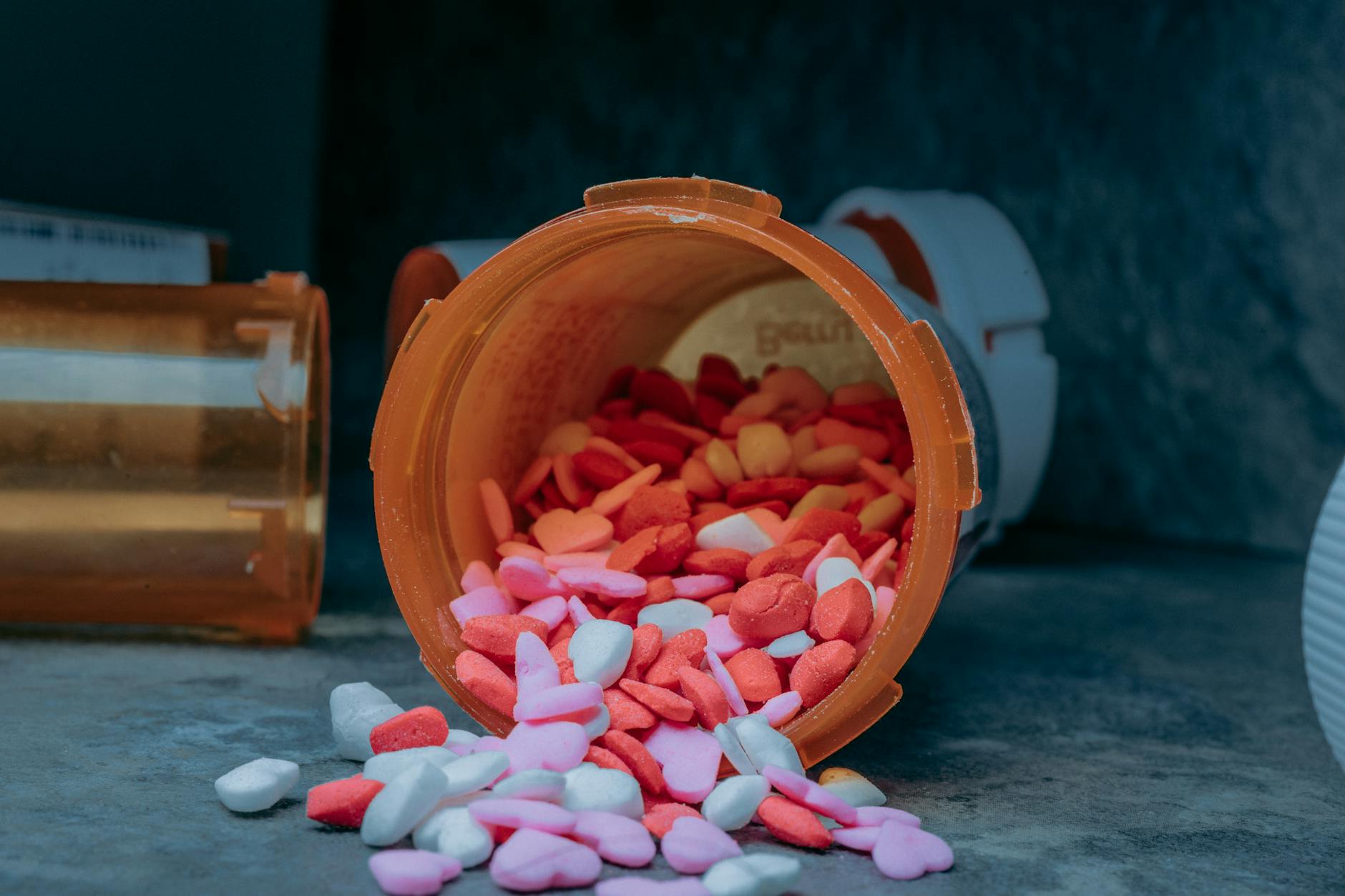
Pack medications in original pharmacy containers whenever possible. These containers include crucial information like pharmacy details, prescription numbers, and safety warnings. If you use pill organizers for daily management, bring both the organizer and original bottles.
Separate liquid medications following TSA guidelines. Quantities exceeding 3.4 ounces require declaration at security checkpoints. Bring your physician’s letter to expedite screening processes for larger quantities or unusual formulations.
4. Calculate Quantity Requirements Carefully
Pack enough medication to cover your entire trip plus at least one week extra. Flight delays, missed connections, or extended stays can disrupt return schedules. Running out of essential medication abroad often means expensive international shipping or potentially dangerous substitutions.
Consider time zone changes when calculating daily requirements. Long flights crossing multiple time zones can confuse dosing schedules, potentially requiring extra doses during travel days. Consult your physician about adjusting schedules for significant time differences.
For longer trips, research prescription refill possibilities at your destination. Some countries accept foreign prescriptions with proper documentation, while others require consultations with local physicians. Understanding these options provides backup plans if you need additional supplies.
5. Prepare for Security Screening
Declare prescription medications proactively at security checkpoints and customs. Being forthright demonstrates legitimate use and typically results in faster processing. Attempting to hide medications, even legal ones, raises suspicions and can lead to detailed searches.
Organize documentation for easy access during screening. Keep physician letters, prescription labels, and any special permits together in a clear folder. Quick access to proper documentation speeds processing and demonstrates preparation.
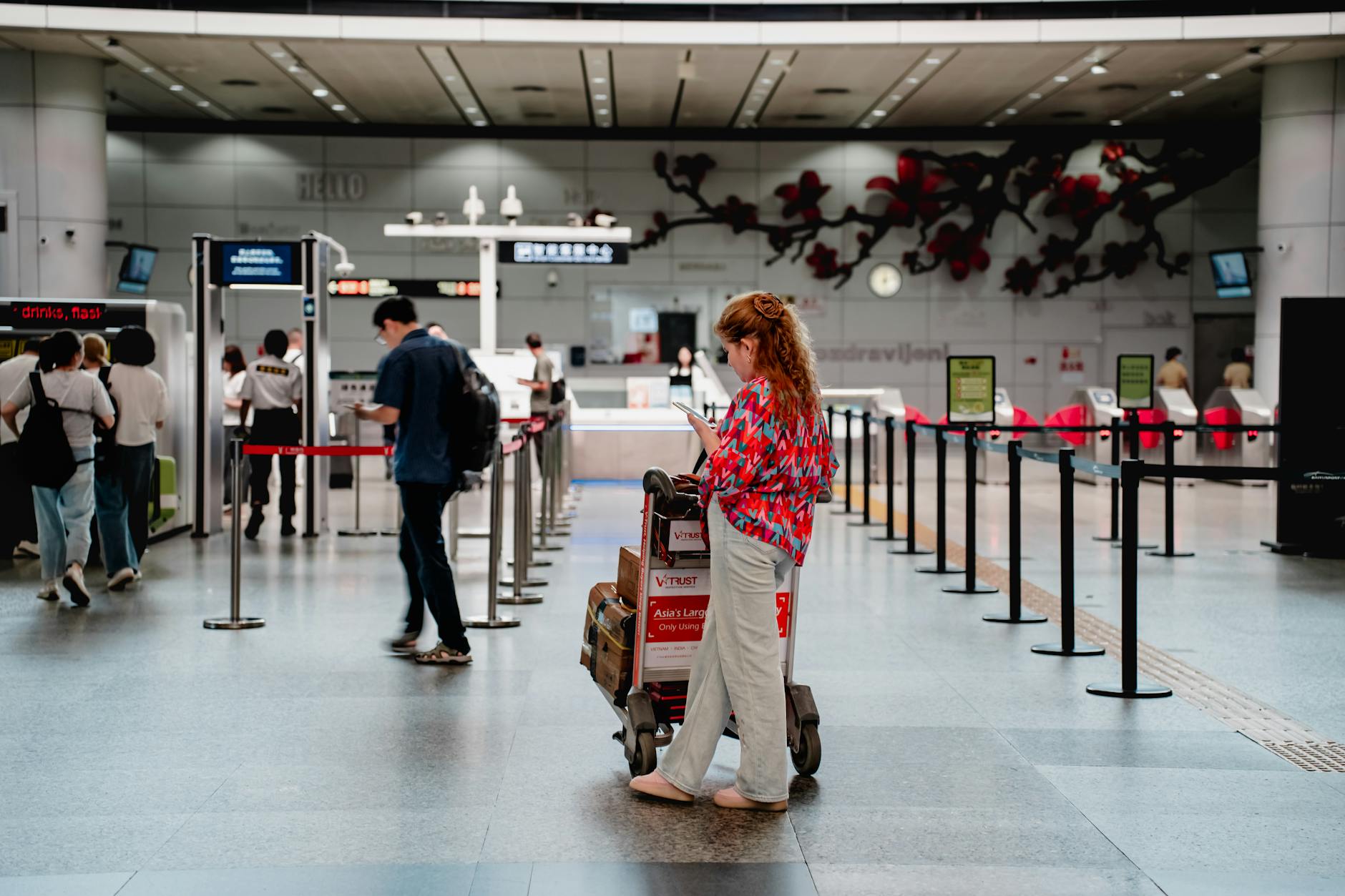
Arrive early at airports when traveling with multiple medications or controlled substances. Security screening may take additional time, and rushing increases stress for both travelers and security personnel. Extra time allows for thorough but unhurried examination of your medications and documentation.
Just as you’d research strategies for avoiding tourist scams, preparation and knowledge about medication regulations protect you from serious legal complications abroad.
6. Handle Controlled Substances with Extra Care
Contact your destination’s drug enforcement agency or health ministry for controlled substances requiring special permits. Many countries require advance approval for importing controlled medications, even with valid prescriptions. These permits can take weeks to process, so apply early.
Carry minimal quantities of controlled substances – ideally only what’s needed for your trip duration. Excessive quantities raise trafficking suspicions regardless of legitimate medical need. Some countries specify maximum quantities allowable for personal use.
Keep controlled substances in original pharmacy containers with all labeling intact. Never transfer these medications to unmarked containers or mix different medications together. Clear identification prevents misunderstandings about medication types and quantities.

7. Create Backup Plans
Research medication availability at your destination before departure. Many common medications are available internationally under different brand names. Knowing generic names helps locate equivalent medications if emergencies arise.
Identify medical facilities and English-speaking physicians at your destination. Tourist areas often have international clinics familiar with treating foreign visitors and understanding foreign prescriptions. Having contact information readily available saves precious time during medical emergencies.
Consider travel insurance covering prescription medications and medical emergencies abroad. Some policies reimburse costs for replacing lost or confiscated medications, while others provide emergency prescription assistance services.
Key Takeaways
Successfully traveling internationally with prescription medications requires thorough preparation, proper documentation, and understanding destination-specific regulations. Start planning at least 30 days before departure to allow time for research, documentation gathering, and permit applications if needed.
The investment in proper preparation pays dividends in stress reduction and legal protection. Customs officials worldwide respect travelers who demonstrate preparation and legitimate medical need through proper documentation. This preparation also ensures you maintain necessary medication access throughout your journey, protecting both your health and travel experience.
Remember that medication regulations can change frequently, especially regarding controlled substances. Verify current requirements even if you’ve traveled to the same destination previously with the same medications.
Frequently Asked Questions
Can I bring prescription medications in my carry-on bag?
Yes, always pack prescription medications in carry-on luggage with original labels and proper documentation from your physician.
Do I need special permits for prescription medications when traveling internationally?
Controlled substances often require special permits or advance approval from your destination country’s health ministry or drug enforcement agency.