

What You Need to Know
Grandparents want relaxation, teens crave adventure, and parents juggle everyone’s needs while managing the budget. Multi-generational family trips often collapse under the weight of competing interests, mobility differences, and scheduling conflicts. But families who nail the planning create memories that last decades.
The secret isn’t finding activities everyone loves equally – it’s designing a trip structure that gives each generation what they need most. Smart planning means acknowledging that your 75-year-old grandmother won’t join the zip-lining excursion, and your teenage nephew won’t sit through a three-hour historical walking tour. Success comes from building flexibility into every day.
The payoff goes beyond vacation photos. Multi-generational trips strengthen family bonds, create shared stories, and give different age groups chances to see each other outside their usual roles. Kids discover their grandparents were once adventurous young adults. Grandparents see their grandchildren as independent people with unique interests.
1. Start Planning 6-8 Months Early
Multi-generational trips require longer lead times than typical family vacations. You’re coordinating multiple schedules, potentially across different time zones, and accommodating varying financial situations and physical abilities.
Begin with a family group chat or video call to gauge interest and gather initial input. Ask each family unit to nominate their top three destination preferences and share any mobility concerns or dietary restrictions upfront. This prevents last-minute surprises that could derail the entire trip.
Book accommodations and flights early, especially if you’re traveling during school breaks or holidays. Large groups often need multiple rooms or rental properties, which disappear quickly during peak seasons. Early booking also allows time to secure accessible rooms for older family members or those with mobility challenges.
2. Choose Destinations with Layered Appeal
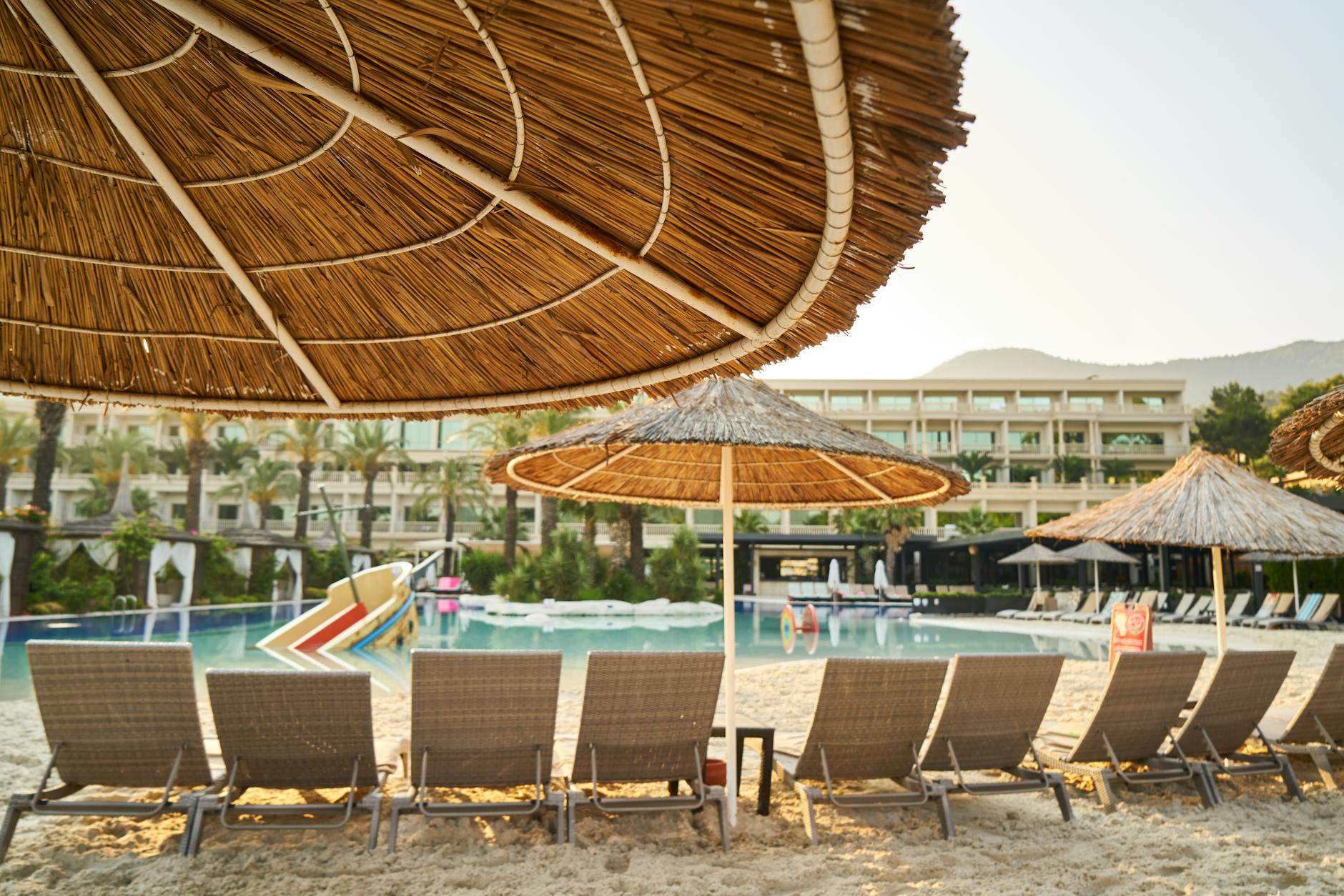
The best multi-generational destinations offer something for every age group within close proximity. Beach resorts work because active family members can pursue water sports while others relax poolside. Cities like Charleston, San Diego, or European capitals provide museums for culture enthusiasts, shopping for teens, accessible historic districts for older travelers, and family-friendly attractions.
Consider cruise ships as mobile base camps. Modern cruise lines offer everything from rock-climbing walls and teen clubs to quiet libraries and accessible deck areas. Shore excursions can be customized by energy level and interest, allowing families to split up during the day and reconnect for meals.
National parks present unique challenges but incredible rewards. Choose parks with varied accessibility levels like Yellowstone or Grand Canyon, where some family members can tackle challenging hikes while others enjoy scenic drives and visitor centers. Always research accessibility features and shuttle services beforehand.
3. Book Accommodations That Encourage Togetherness
Large vacation rental properties or connecting hotel rooms work better than separate bookings scattered across a property. Shared common spaces encourage natural interaction while still providing private retreat options when personalities clash or energy levels differ.
Look for rentals with multiple gathering spaces – a kitchen for morning coffee, a patio for evening conversations, and separate living areas where different groups can pursue their preferred activities. Properties with pools or game rooms provide natural entertainment for mixed age groups.
Consider accessibility needs beyond just wheelchair access. Ground-floor rooms benefit older travelers who struggle with stairs. Bathrooms with grab bars and walk-in showers accommodate various mobility levels. Properties near medical facilities provide peace of mind for families traveling with elderly members or those managing chronic health conditions.
4. Plan for Split-Group Activities
The most successful multi-generational trips embrace the reality that not everyone will enjoy every activity. Plan each day with options that allow natural family groupings based on interest and ability level rather than forcing everyone into the same experience.
Create a master itinerary with morning, afternoon, and evening options. For example, mornings might offer a challenging hike for active family members and a farmers market visit for those preferring leisurely exploration. Afternoons could feature pool time for all ages or separate museum visits and shopping excursions. Evenings bring everyone together for shared meals and easy activities like sunset viewing or local music performances.
Assign trip responsibilities to different family units. Parents might handle morning logistics, teens can research restaurant options, and grandparents often excel at finding local cultural events. This involvement gives everyone ownership in the trip’s success while distributing the planning burden.
5. Budget Transparently from the Start
Money conversations feel awkward but prevent resentment later. Different generations often have vastly different financial situations and spending comfort levels. Address this directly during initial planning discussions.
Consider establishing a group fund for shared expenses like rental properties, group meals, and transportation. Individual families can then budget separately for personal activities, shopping, and room service. Some families find success with older generations covering accommodations while younger families handle meals and activities.
Research cost-effective alternatives that still feel special. Picnic lunches in scenic locations cost less than restaurant meals while creating memorable experiences. Local festivals and free museums often provide better cultural immersion than expensive tourist attractions. Many destinations offer senior discounts and family packages that significantly reduce overall costs.
6. Prepare for Health and Safety Considerations
Multi-generational groups require more comprehensive health planning than typical family trips. Ensure all family members understand how to access medical care at your destination, especially when traveling internationally.
Create a shared document with emergency contact information, medication lists, and known allergies for all travelers. This proves invaluable if medical situations arise. Consider purchasing travel insurance that covers pre-existing conditions, as older family members may have health concerns that could affect travel plans.
Pack a comprehensive first-aid kit and ensure someone in the group knows basic first aid. Include items for common issues like motion sickness, minor cuts, and headaches. If traveling internationally, research how to pack prescription medications safely and legally.
7. Create Flexibility in Your Daily Schedule
Rigid schedules doom multi-generational trips. Build buffer time into each day and avoid over-scheduling activities. What feels like efficient planning to a parent often feels overwhelming to grandparents and restrictive to teenagers.
Plan one major activity per day, leaving afternoons and evenings loose for spontaneous exploration or rest. This approach accommodates different energy levels and allows for unexpected discoveries that often become trip highlights.
Establish daily check-in times where the group can adjust plans based on weather, energy levels, or newly discovered interests. Maybe the museum visit gets shortened because everyone’s engaged with a local street festival, or the afternoon hike gets postponed because the grandparents are enjoying extended pool time with the grandchildren.

Key Takeaways
Successful multi-generational family trips require acknowledging that different generations have different travel styles, energy levels, and interests. The goal isn’t forcing everyone into identical experiences but creating a framework where each age group gets their preferred activities while maintaining family connection points throughout each day.
Start planning early to accommodate multiple schedules and book appropriate accommodations. Choose destinations with layered appeal and embrace split-group activities rather than insisting everyone participate in everything. Budget discussions feel uncomfortable but prevent conflicts later, and comprehensive health planning ensures everyone stays safe and comfortable.
Most importantly, build flexibility into every day. The best family travel memories often come from unplanned moments – conversations that develop during unexpected downtime, discoveries made when plans change, and connections that form when different generations share experiences naturally rather than through forced activities.
These trips require more coordination than typical vacations, but they create irreplaceable memories and strengthen family bonds across generations. When planned thoughtfully, they become traditions that families treasure for decades.
Frequently Asked Questions
How far in advance should I start planning a multi-generational family trip?
Start planning 6-8 months early to coordinate multiple schedules, book appropriate accommodations, and secure group rates or accessible rooms.
What types of destinations work best for multi-generational travel?
Choose destinations with layered appeal like beach resorts, cities with varied attractions, or cruise ships that offer activities for all age groups within close proximity.