
What You Need to Know
A flight delay is annoying. A denied claim for the hotel room and dinner you paid for during that delay is worse. Trip delay coverage, a benefit built into many travel credit cards, can reimburse reasonable expenses when a delay runs past a set threshold. Insurers deny these claims more often because of paperwork gaps and unmet conditions than because the benefit is stingy.
The coverage works like a contract with specific triggers. If you meet each trigger and can prove it, the claim is routine. If one piece is missing, the claims administrator has an easy reason to say no.
What follows is a sequence you can run before you leave, at the airport, and after you get home.
Step 1: Read Your Guide to Benefits Before You Travel
Your card’s marketing page gives you the headline. The guide to benefits, usually a PDF available through your issuer’s website or app, gives you the rules. Download it before your trip, not while you are stranded at a gate with a dying phone.
Look for four things: the minimum delay length that triggers coverage, the maximum reimbursement per person or per trip, the list of covered causes, and the list of exclusions. Thresholds vary by card. Some start paying after a few hours, others require a longer delay, and some require that the delay force an overnight stay. Reimbursement caps vary just as widely.
Check also whether the coverage applies to you as the cardholder only, or to a spouse and dependent children traveling on the same ticket.
Step 2: Pay for the Trip the Way the Policy Requires
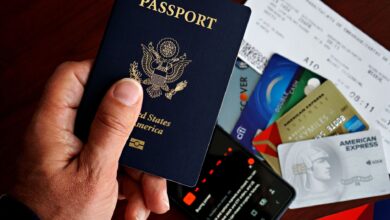
This is where many denials begin, long before any delay happens. Most policies require that you charge the common carrier fare, meaning the airline, train, cruise or bus ticket, to the eligible card. Some accept partial payment, such as taxes and fees on the card with the rest paid in points or miles. Others are stricter.
If you booked through a third-party site or a travel agent, confirm the charge posts to your card as a travel purchase for that ticket. A split payment across two cards can complicate things, because the administrator may ask which card paid for which portion of the fare.
Keep the confirmation email and the card statement showing the charge. You will need both.
Step 3: Understand What Actually Counts as a Covered Delay
Not every disruption qualifies. Policies generally cover delays caused by things like severe weather, mechanical failure, equipment problems or certain labor actions. Many exclude delays you knew about, or could have reasonably foreseen, when you bought the ticket. A strike announced before you booked, for example, can be treated as a known event.
Also check whether the policy covers a delay of the carrier’s departure or a delay in your own travel. These are different. If you miss a connection because you left late for the airport, that is not a carrier delay. If your first flight arrives late and you miss the second leg, the documentation needs to show the first flight’s delay caused it.
Be careful with the clock. Delay length is typically measured from the scheduled departure time on your original itinerary, not from the time the airline first sent an alert.
Step 4: Document the Delay While It Is Happening
Airline systems overwrite information. A flight that showed as delayed seven hours at midnight may show as a clean departure in the records a week later, depending on how it was reported. Build your own record in real time.
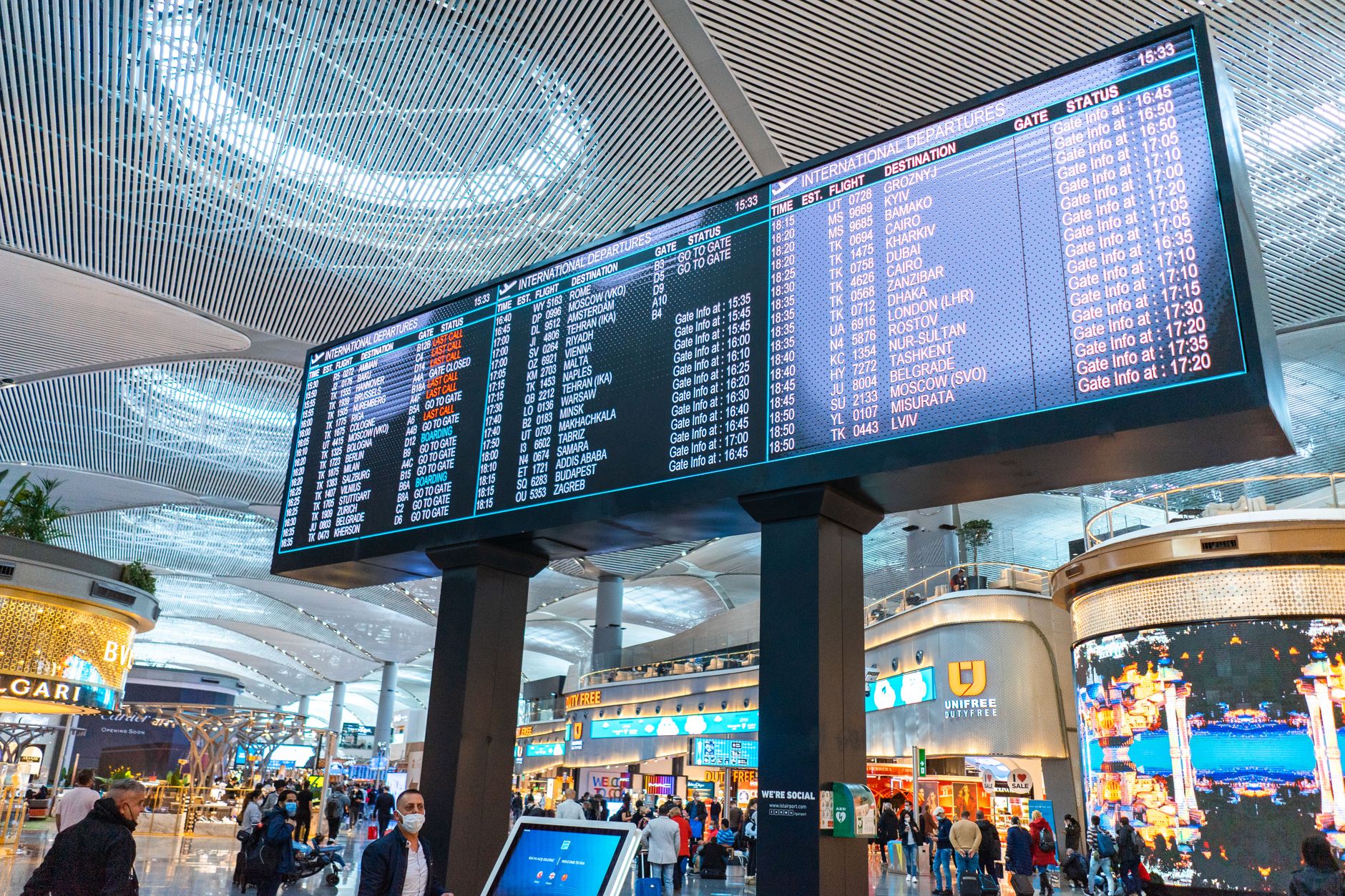
- Screenshot the departure board and the airline app showing the original and revised times.
- Save every text, email and push notification about the delay or cancellation.
- Note the time you were told about rebooking, and the reason the airline gave.
- Photograph your boarding pass and any rebooked itinerary.
Ask the gate agent or the airline’s customer service desk what reason code or cause they are recording. You are not looking for an argument. You are looking for a consistent explanation you can attach to your claim.

Step 5: Spend Reasonably and Keep Itemized Receipts
Trip delay coverage reimburses necessary expenses caused by the delay: meals, a hotel room, toiletries, sometimes ground transportation to and from the hotel. The key word in most policies is “reasonable.” A sandwich and a hotel near the airport will pass. A tasting menu and a suite will draw questions.
Ask for itemized receipts, not just the card slip. A card slip shows a total, but an itemized receipt shows what you bought. That matters because many policies exclude alcohol, entertainment and personal luxuries, and an administrator who cannot separate them from a dinner total may reject the whole line. If a restaurant gives you only a summary receipt, ask for the detailed version before you leave the table.
Pay with the eligible card whenever you can. It leaves a clean paper trail and removes any argument about whether you actually incurred the cost.
Step 6: Get Written Proof of the Delay From the Carrier
Your screenshots help, but the claims administrator will almost certainly want something official: a letter or email from the airline confirming the scheduled departure time, the actual departure time and the reason for the delay. Request it before you leave the airport if you can, and follow up by email if the desk cannot produce one.
Airlines usually have a form or a customer relations channel for this. The request can take days to fulfill, so start it early rather than waiting until the claim deadline looms.
If the airline offered you meals, vouchers or a hotel, keep a record of that too. Many policies reduce or exclude reimbursement for expenses the carrier already covered, and being upfront about it avoids the appearance of double-dipping.
Step 7: File Fast and Submit a Complete Package
Every policy sets a deadline for notifying the benefits administrator, and some are surprisingly short. Start the claim as soon as you can, even if you do not yet have every document. An open claim with a note that supporting paperwork is on the way is far better than a late submission.
A complete package usually includes the following:
- The claim form, filled out without blank fields
- Proof the fare was charged to the eligible card
- Your original itinerary and any revised one
- The carrier’s written confirmation of the delay and its cause
- Itemized receipts for every expense you are claiming
- Proof of payment for those expenses, such as a statement
Number your attachments and list them in a short cover note. Administrators work through a queue of files, and a package that is easy to verify tends to move faster than one that forces them to ask follow-up questions.
Step 8: If You Are Denied, Appeal With Specifics
A denial letter must state a reason. Read it closely, because the reason tells you what to fix. A denial for missing documents is a different problem from a denial for a cause that falls under an exclusion.
For documentation denials, send the missing items with a short note referencing the claim number. For interpretive denials, such as a dispute over whether the delay cause was covered, quote the policy language from your guide to benefits and attach the carrier’s letter. Keep the tone factual. Appeals are typically read for evidence, not emotion.
If the internal appeal fails, the card issuer’s customer service sometimes can escalate a case or clarify what the administrator needs. A written complaint to a state insurance regulator is another option when you believe the policy was misapplied.

Key Takeaways
- Read the guide to benefits before you fly, and note the delay threshold, cap and exclusions.
- Charge the fare to the eligible card, and keep proof of the charge.
- Screenshot and save everything about the delay while it is happening.
- Buy only reasonable necessities, and insist on itemized receipts.
- Get the carrier’s written confirmation of the delay and its cause.
- File quickly, submit a complete package, and appeal with the policy language in hand.
One detail catches people off guard: if the airline sends the written delay confirmation only after the claim deadline, some administrators will not accept it. Ask for it on the day, not the week after.
Frequently Asked Questions
How long does a flight have to be delayed for trip delay coverage to apply?
It depends on the card. Some policies trigger after a few hours and others require a longer delay or an overnight stay, so check your guide to benefits.
Do I have to pay for my flight with the card to get trip delay coverage?
Usually yes. Most policies require the common carrier fare to be charged to the eligible card, in full or in part, so keep proof of the charge.
What expenses does trip delay coverage usually reimburse?
Typically reasonable meals, lodging, toiletries and sometimes local transportation caused by the delay. Alcohol and luxury purchases are commonly excluded.
What should I do if my trip delay claim is denied?
Read the denial reason, then send missing documents or cite the policy language that supports your case. If that fails, ask the issuer to escalate or contact a state insurance regulator.