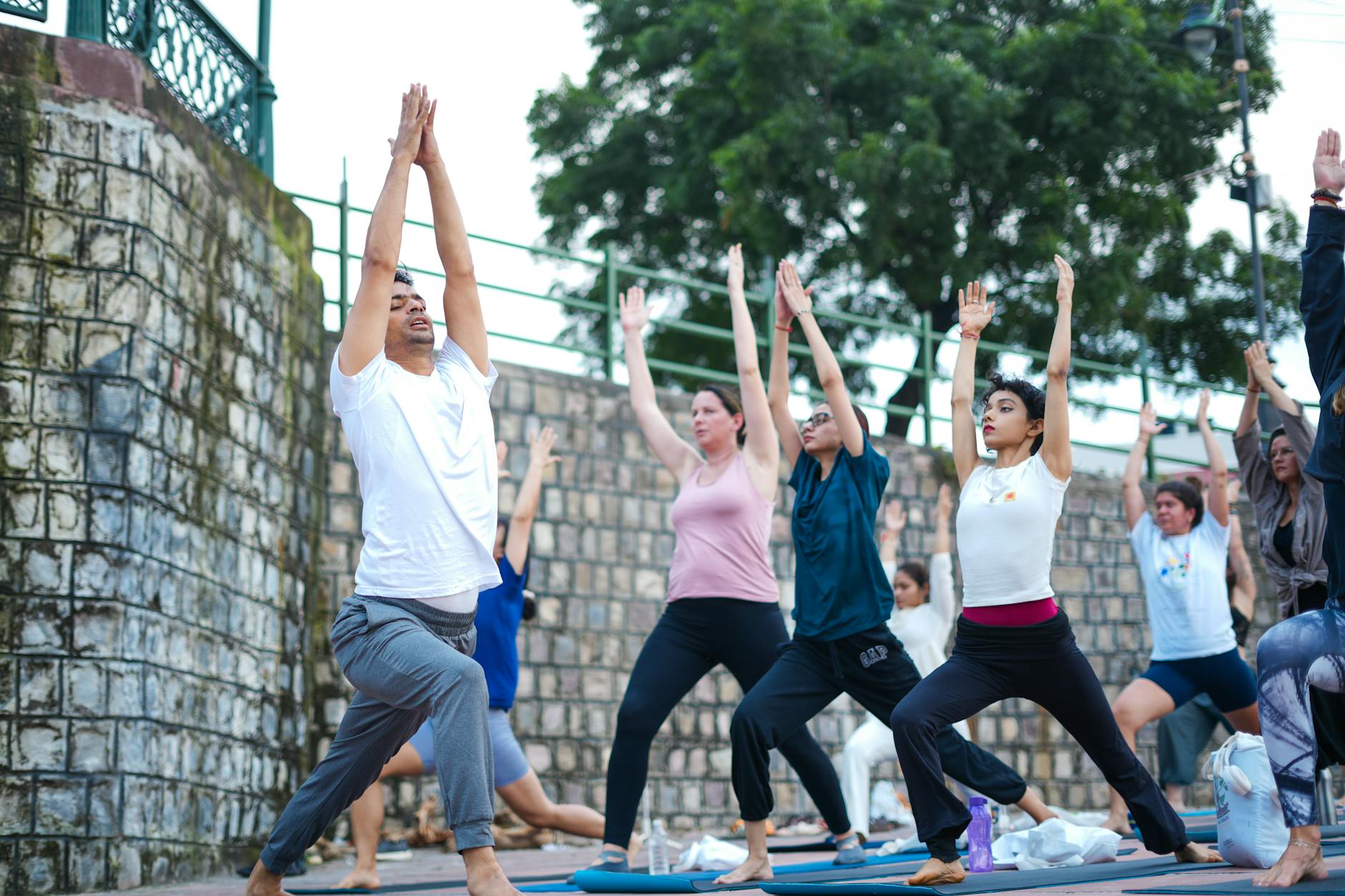

Companies are ditching trust falls and rope courses for sound baths and meditation circles. The corporate team-building industry, long dominated by awkward icebreakers and forced bonding activities, is experiencing a radical transformation as wellness retreats become the preferred method for building stronger workplace relationships.
This shift reflects a broader recognition that traditional team-building often misses the mark. Instead of manufactured trust exercises, forward-thinking companies are investing in experiences that address the root causes of workplace dysfunction: stress, burnout, and disconnection. The result is a booming market where corporate wellness retreats are projected to grow significantly as businesses realize that employee wellbeing directly impacts productivity and retention.
The transformation isn’t just about swapping activities-it represents a fundamental change in how companies view employee development and team cohesion.
Beyond Trust Falls: The Science Behind Wellness-Based Team Building
Traditional corporate team-building activities often feel forced and artificial, creating temporary bonds that quickly dissolve once employees return to their desks. Wellness retreats take a different approach by addressing the physiological and psychological barriers that prevent authentic connection.
Research from corporate psychology shows that stress hormones like cortisol actively inhibit the social bonding processes that team-building activities aim to foster. When employees are chronically stressed-as many are in today’s high-pressure work environments-their brains literally cannot form the neural pathways necessary for trust and collaboration.
Wellness retreats counter this by incorporating activities that naturally reduce stress hormones while promoting the release of oxytocin and endorphins. Guided meditation sessions, yoga classes, and nature walks create the optimal neurochemical environment for genuine team bonding. Companies like Salesforce, Google, and Airbnb have reported significantly better long-term outcomes from wellness-focused retreats compared to traditional team-building programs.
The retreat format also allows for deeper conversations and connections that simply aren’t possible during a few hours of office-based activities. When teams spend multiple days together in a relaxed, supportive environment, they naturally develop stronger working relationships that translate into better collaboration back at the office.
Popular Retreat Formats Transforming Corporate Culture
Corporate wellness retreats come in various formats, each designed to address specific team dynamics and business objectives. Multi-day destination retreats remain the gold standard, typically held at resort locations or dedicated wellness centers that offer professional facilitation alongside spa services and healthy cuisine.
Digital detox retreats have gained particular popularity among tech companies, where constant connectivity creates unique challenges for team cohesion. These programs require participants to surrender devices for 24-48 hours while engaging in mindfulness practices, outdoor activities, and face-to-face communication exercises. Companies report that employees return with improved focus and stronger interpersonal connections.
Adventure wellness combines outdoor challenges with mindfulness practices. Rather than traditional ropes courses focused on conquering fears, these programs integrate hiking, kayaking, or rock climbing with reflection periods and group discussions about applying outdoor lessons to workplace challenges. The physical challenges create natural opportunities for team members to support each other in authentic ways.
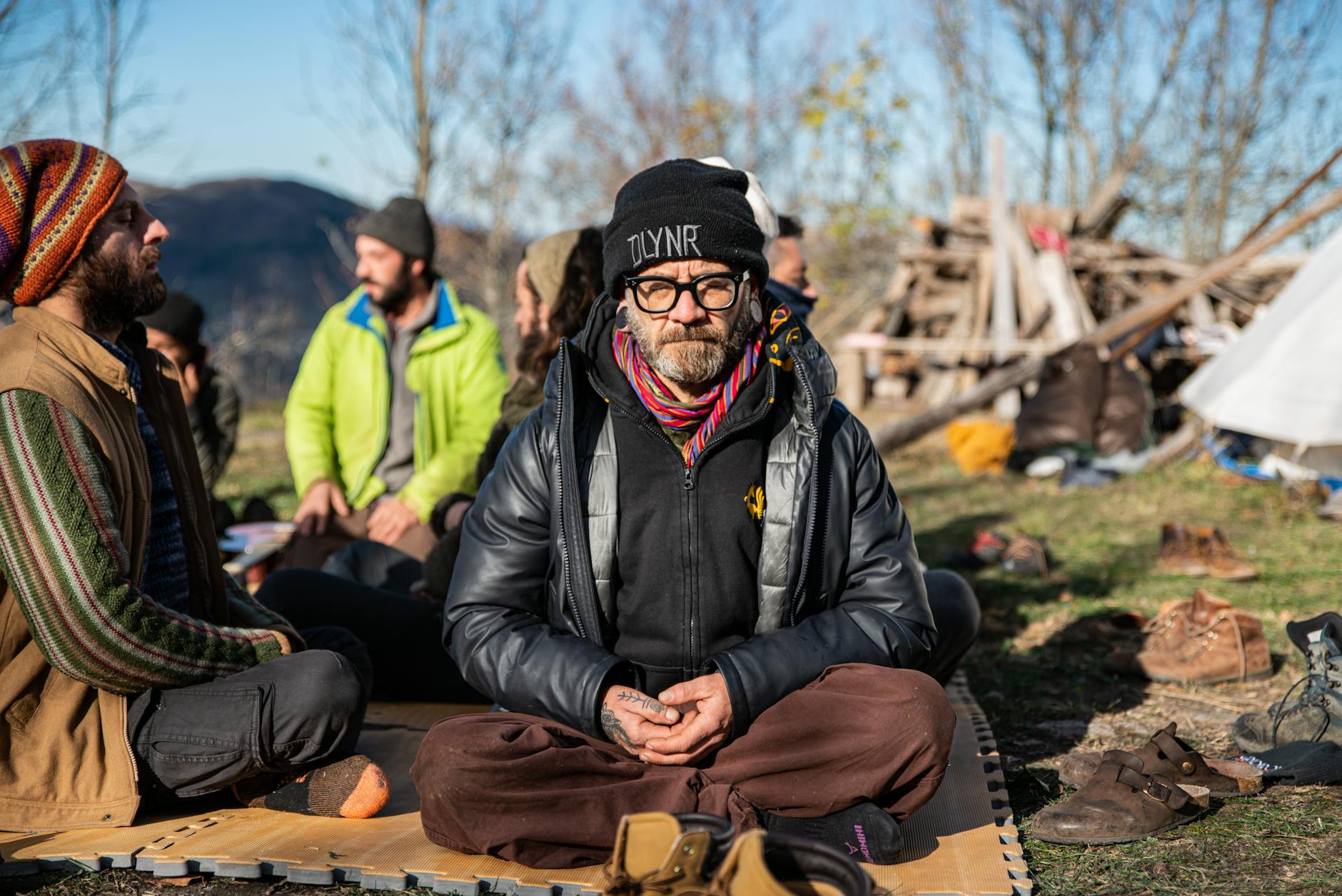
Urban wellness retreats offer a compromise for companies with budget constraints or scheduling limitations. These single or half-day programs bring retreat experiences to metropolitan areas, utilizing local yoga studios, parks, and wellness centers. While shorter in duration, they still provide the stress-reduction benefits that make wellness-based team building effective.
Specialized retreats targeting specific industries have also emerged. Healthcare organizations might focus on burnout prevention and compassionate communication, while creative agencies might emphasize innovation through mindfulness and collaborative brainstorming in natural settings.
Measuring Success: ROI of Wellness Team Building
Companies investing in wellness retreats are seeing measurable returns that extend far beyond employee satisfaction surveys. Quantifiable metrics include reduced turnover rates, decreased sick days, and improved performance reviews in areas related to teamwork and communication.
One consulting firm reported a 40% reduction in interpersonal conflicts within six months of implementing quarterly wellness retreats. Another tech startup found that teams who participated in three-day wellness retreats showed 25% higher productivity scores and significantly improved cross-departmental collaboration ratings.
The retention benefits prove particularly valuable in today’s competitive job market. Employees who participate in meaningful wellness experiences develop stronger emotional connections to their companies and colleagues. This emotional investment translates into reduced recruitment costs and preserved institutional knowledge.
Mental health improvements also generate substantial cost savings. Companies report decreased usage of employee assistance programs and reduced healthcare premiums related to stress-induced conditions. The preventative nature of wellness retreats helps address mental health challenges before they require more intensive-and expensive-interventions.
Furthermore, the skills developed during wellness retreats-mindfulness, emotional regulation, and authentic communication-directly apply to workplace challenges. Teams report better conflict resolution, more creative problem-solving, and improved adaptability during organizational changes.
The Future of Corporate Connection
The shift toward wellness-based team building reflects broader changes in workplace expectations and employee values. As remote work continues reshaping corporate culture, companies need more intentional approaches to building genuine connections among team members who may rarely interact face-to-face.

The trend aligns with growing interest in personalized retreat experiences among high-achieving professionals who recognize the connection between wellbeing and performance. This individual awareness is driving demand for corporate programs that offer similar benefits.
Hybrid models combining virtual and in-person elements are emerging as companies seek to maximize impact while managing costs. Virtual meditation sessions and online wellness workshops maintain connections between in-person retreat experiences, creating ongoing support systems rather than one-time events.
The wellness retreat approach to team building represents more than a trend-it signals a fundamental shift toward viewing employee wellbeing as a strategic business priority. As companies continue investing in these programs, the traditional trust fall may become as obsolete as the company fax machine, replaced by practices that actually build the trust, resilience, and authentic connections that modern teams need to thrive.
Frequently Asked Questions
How effective are wellness retreats compared to traditional team building?
Companies report 40% fewer conflicts and 25% higher productivity scores from wellness retreats versus traditional activities.
What types of corporate wellness retreats are most popular?
Multi-day destination retreats, digital detox programs, and adventure wellness combinations are leading formats for team building.