
Iceland’s geothermal caves are transforming winter tourism with new swimming and spa experiences opening across the island nation. These naturally heated underground pools maintain temperatures between 98-104°F year-round, offering visitors a unique way to experience Iceland’s volcanic landscape during the harsh winter months.
The country’s tourism board reports a 40% increase in winter cave bookings since operators began offering structured spa treatments inside these geological formations. Unlike traditional hot springs, these cave environments provide shelter from Iceland’s notorious winter winds while delivering the same therapeutic benefits of geothermal bathing.
Natural Heat Sources Power Year-Round Swimming
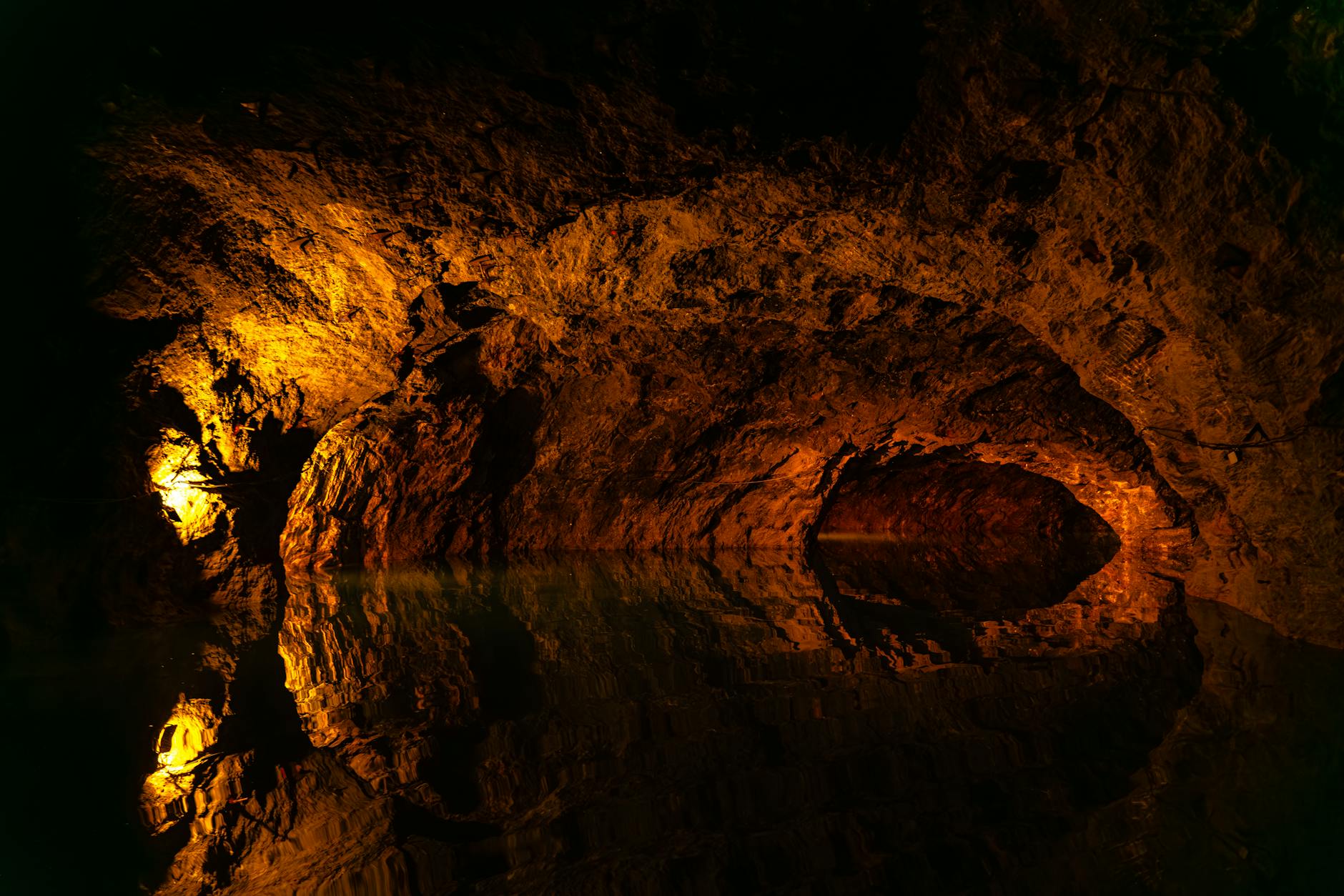
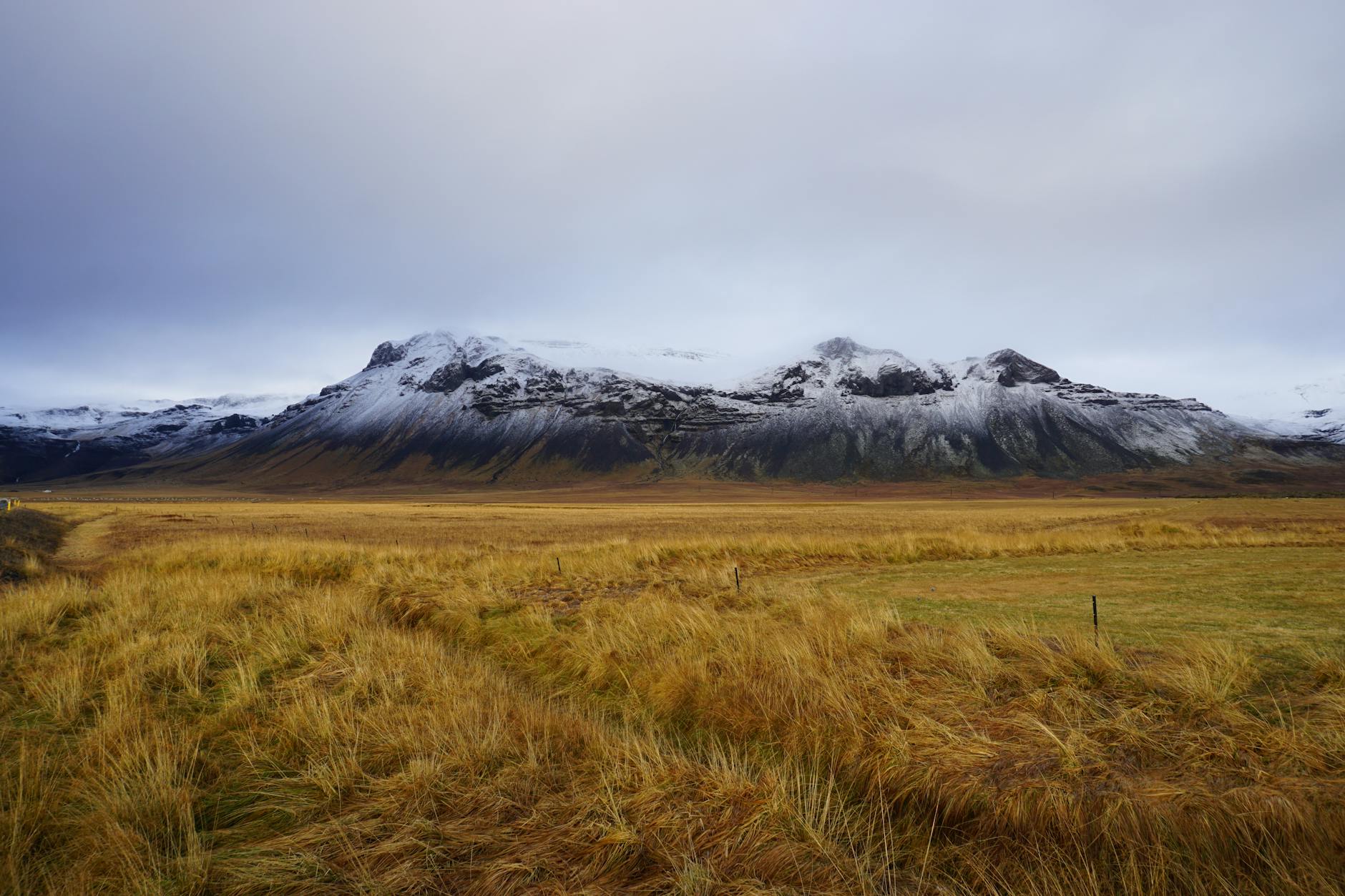
Iceland sits atop the Mid-Atlantic Ridge, where volcanic activity creates extensive geothermal systems that heat underground water sources. These natural hot springs flow into limestone and lava tube caves, creating swimming areas that remain accessible even when surface temperatures drop to -20°F.
The caves near Reykjavik, including the popular Grjotagja grotto made famous by Game of Thrones, now offer guided swimming sessions with professional supervision. Local operators have installed wooden walkways and changing areas while preserving the caves’ natural character.
“We’ve identified twelve caves suitable for winter swimming programs,” says Magnus Eriksson, director of Iceland Cave Adventures. “Each location offers different mineral compositions and temperatures, allowing visitors to customize their experience based on therapeutic goals.”
The Westfjords region has opened three previously inaccessible caves to swimmers, requiring boat transport during summer months but offering direct snowmobile access in winter. These remote locations provide complete isolation from crowds while maintaining the safety standards required for commercial operations.
Spa Treatments Incorporate Local Wellness Traditions
Icelandic wellness practitioners are bringing traditional treatments into these cave environments, combining geothermal bathing with indigenous healing practices. The treatments incorporate local ingredients like mineral-rich mud from geothermal areas and seaweed harvested from nearby coastlines.
Cave spa services include guided meditation sessions that utilize the caves’ natural acoustics, where the sound of flowing geothermal water creates ambient background noise. Professional massage therapists work in designated cave chambers where the constant temperature eliminates the need for heated treatment tables.
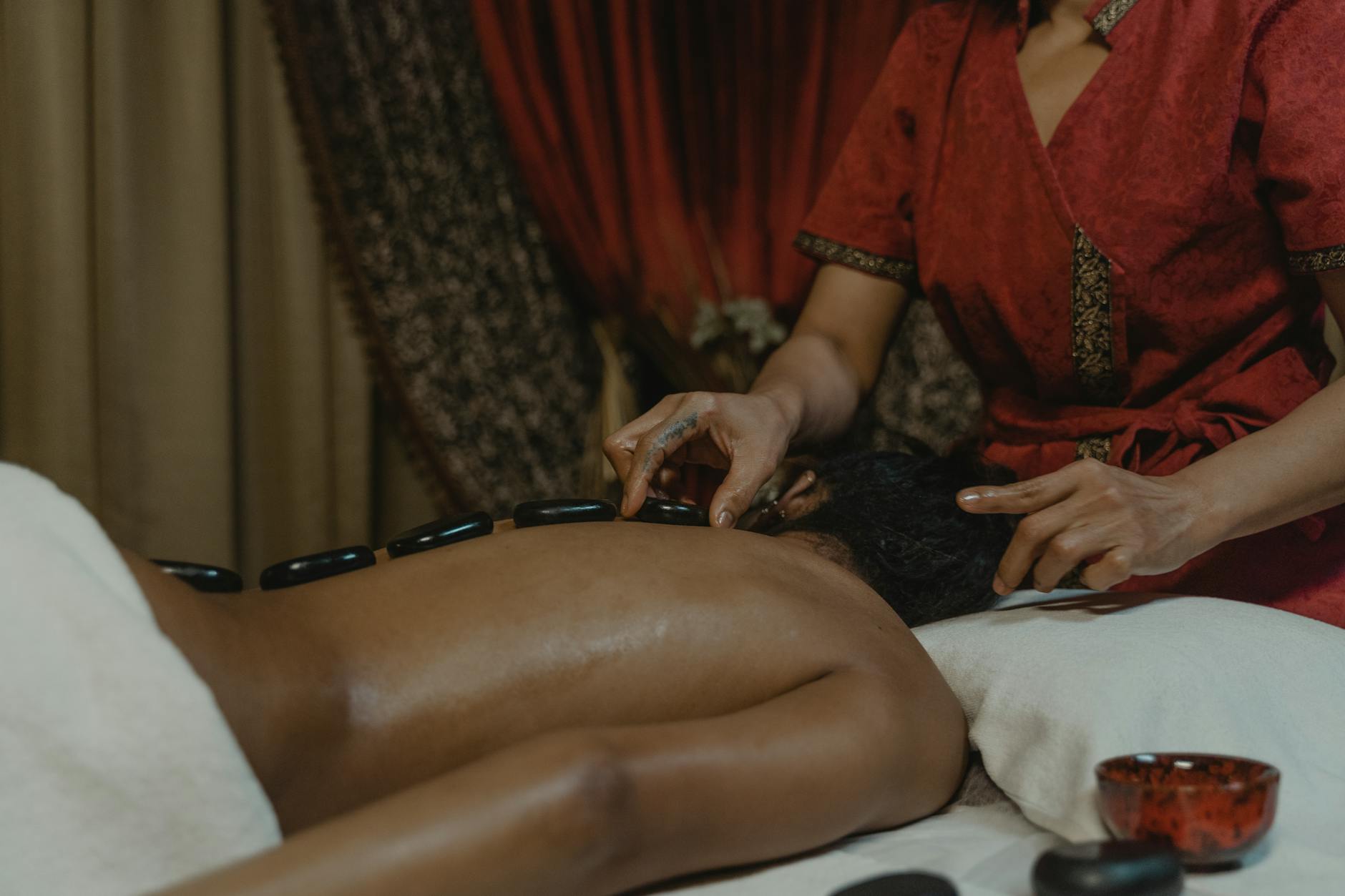
The Myvatn region has developed a signature treatment called “volcanic stone therapy,” using heated basalt rocks found within the caves themselves. This approach connects visitors directly to Iceland’s geological story while providing therapeutic benefits similar to traditional hot stone massage.
Several cave locations now offer overnight spa packages, where visitors can sleep in heated cabins built near cave entrances and access the geothermal pools throughout the night. These accommodations provide a middle ground between camping and luxury hotels, appealing to adventure travelers seeking unique experiences.
Safety Protocols and Environmental Protection
Operating swimming facilities in natural caves requires extensive safety measures and environmental oversight. All cave swimming operations must comply with Iceland’s strict environmental protection standards, which limit daily visitor numbers and prohibit any permanent alterations to cave structures.
Professional guides accompany all swimming groups, with emergency equipment stationed at multiple points within each cave system. Water quality testing occurs weekly, monitoring both temperature stability and mineral content that could affect swimmer safety.
The Icelandic Association of Cave Operators has established certification requirements for guides, including rescue diving qualifications and knowledge of local geology. This standardization helps maintain safety while allowing operators to offer increasingly sophisticated experiences.
Environmental monitoring ensures that increased human activity doesn’t disrupt the delicate ecosystems that exist around geothermal vents. Some caves house unique bacterial communities that thrive in high-temperature environments, requiring careful management to prevent contamination.
Winter Tourism Impact and Seasonal Access
These cave experiences are reshaping Iceland’s tourism patterns by offering compelling winter activities when traditional outdoor adventures become challenging. The country’s tourism industry has historically struggled with seasonal fluctuations, as summer months attract far more visitors than winter periods.
Cave swimming provides an alternative to the popular Blue Lagoon geothermal spa, distributing tourist impact across multiple locations while creating new revenue streams for rural communities. This geographic distribution helps address overtourism concerns in Iceland’s most popular destinations.
Transportation to remote cave locations has improved with specialized winter vehicle services and partnerships with local tour operators. Some caves now offer helicopter access during extreme weather conditions, though this premium option targets luxury travelers willing to pay significantly higher rates.
Similar unique geological tourism experiences are emerging worldwide, from Australia’s underwater hotel accommodations to specialized cultural immersion programs. These developments reflect growing traveler interest in authentic, location-specific experiences that can’t be replicated elsewhere.
The expansion of Iceland’s geothermal cave experiences represents a broader shift toward sustainable adventure tourism that works with natural environments rather than against them. As climate change affects traditional winter sports destinations, geothermal caves offer climate-resilient tourism options that actually benefit from volcanic geological activity.
Iceland’s tourism officials expect continued growth in cave-based experiences, with plans to open additional locations pending environmental impact assessments. This expansion will likely inspire similar developments in other geothermally active regions, from New Zealand to Chile, creating a new category of destination experiences for adventure travelers seeking year-round access to unique natural phenomena.
Frequently Asked Questions
What temperature are Iceland’s geothermal cave pools?
The cave pools maintain temperatures between 98-104°F year-round due to volcanic geothermal activity.
Are Iceland’s geothermal caves safe for winter swimming?
Yes, professional guides supervise all cave swimming with emergency equipment and weekly water quality testing.