Indonesia’s Komodo Island Limits Daily Visitors While Opening New Wildlife Viewing Platforms

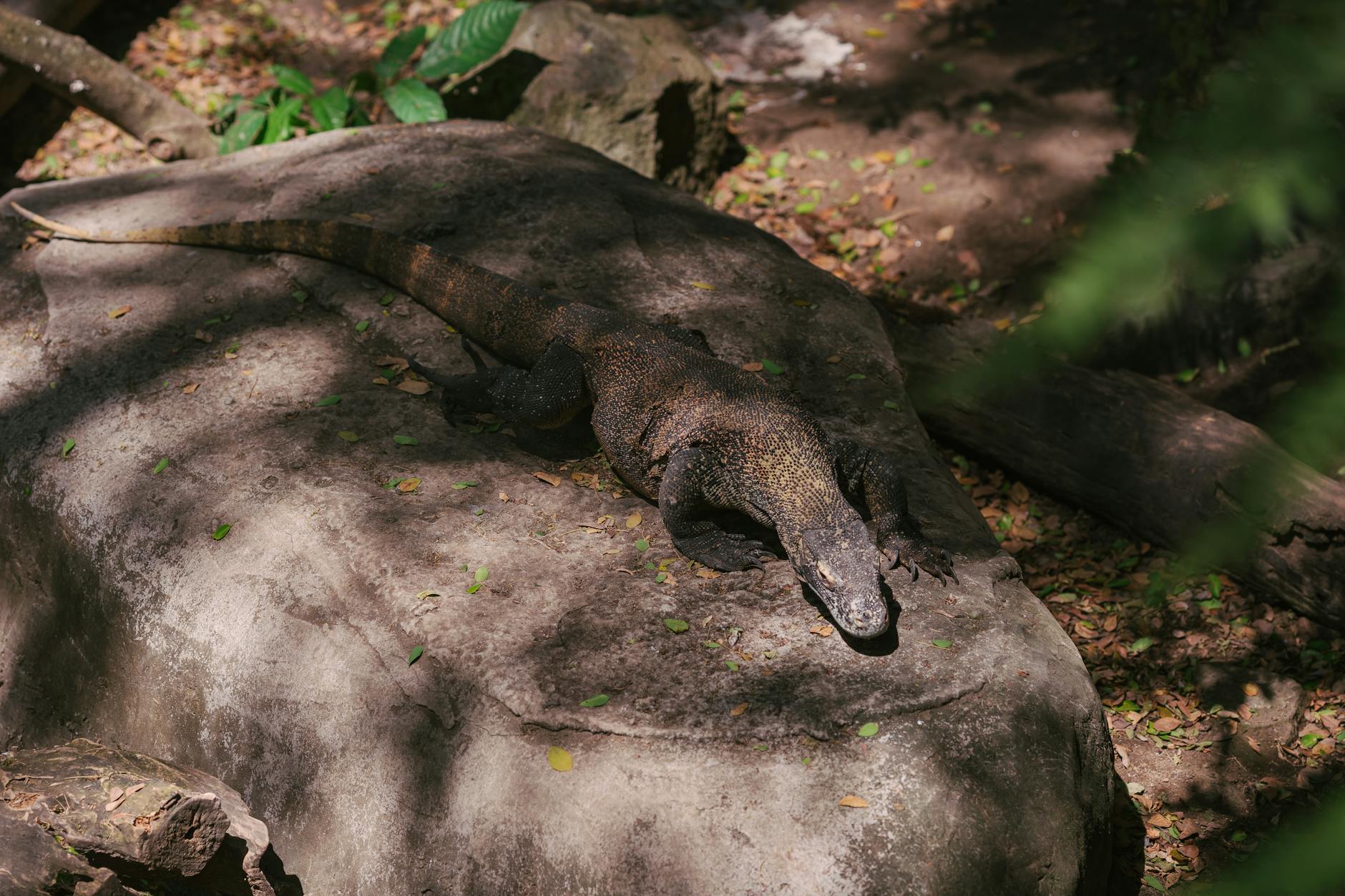
Indonesia’s Komodo National Park has implemented strict daily visitor caps while simultaneously launching new elevated wildlife viewing platforms, marking the most significant changes to tourism infrastructure in the park’s 40-year history. The dual approach aims to protect the world’s largest lizards while enhancing visitor experiences through strategic viewing points that minimize human impact on dragon habitats.
Park officials announced that daily visitor numbers will be capped at 120,000 annually, distributed across peak and off-peak seasons. The restriction comes as tourism to Komodo Island surged 300 percent between 2019 and 2024, putting unprecedented pressure on the fragile ecosystem that supports approximately 2,800 Komodo dragons across three main islands.
New Viewing Platforms Transform Wildlife Observation
The park’s new elevated viewing platforms span six strategic locations across Komodo and Rinca Islands, designed by Indonesian architects in consultation with wildlife biologists. These 10-meter-high wooden structures allow tourists to observe dragons from safe distances while reducing ground-level disturbance to nesting sites and feeding areas.
Each platform accommodates up to 15 visitors at a time, with built-in shade structures and information panels detailing dragon behavior patterns. The platforms connect via elevated walkways that snake through dragon territories without creating ground-level barriers that could disrupt natural movement patterns.
“The platforms represent a fundamental shift in how we approach wildlife tourism,” explains Dr. Widodo Ramono, director of the Komodo Survival Program. “Visitors get better photography opportunities and extended observation time, while dragons maintain their natural behaviors without constant human presence at ground level.”
Early visitor feedback indicates the elevated experience provides superior viewing angles for the massive lizards, which can reach lengths of 10 feet and weights of 150 pounds. The platforms also offer protection from the dragons themselves, eliminating the previous system where armed park rangers accompanied every tourist group on potentially dangerous ground walks.
Visitor Cap System Balances Conservation and Tourism
The new visitor limit system operates on a tiered booking structure, with premium slots during peak dragon activity periods commanding higher fees. Morning slots between 7 AM and 10 AM, when dragons are most active, are limited to 40 visitors per day across all platforms. Afternoon slots accommodate larger groups as dragon activity decreases in the heat.
Booking requirements now mandate advance reservations through the official park website, ending the previous system that allowed same-day entries. International visitors must book at least two weeks in advance, while Indonesian nationals can reserve spots one week prior to arrival.
The cap system has created an unexpected tourism boom for neighboring islands previously overlooked by dragon seekers. Flores Island, the gateway to Komodo National Park, has seen hotel bookings increase 40 percent as visitors extend stays to secure guaranteed park entry slots. Local tour operators report increased interest in multi-day packages that combine dragon viewing with traditional Flores cultural experiences.

Park revenue projections indicate the visitor restrictions will actually increase annual income despite fewer daily visitors. Premium pricing for limited slots, combined with longer average visitor stays in the region, creates higher per-visitor spending patterns. The additional revenue funds enhanced conservation programs and local community development initiatives.
Dragon Population Benefits from Reduced Human Interference
Preliminary monitoring data suggests the Komodo dragon population is responding positively to reduced human foot traffic in critical habitats. Nesting success rates have increased 15 percent since platform implementation began, with female dragons showing less stress-related behavior during egg-laying seasons.
The elevated viewing system has also improved scientific research opportunities. Biologists can now observe natural hunting behaviors without ground-level human scent interfering with dragon prey detection. Long-term behavioral studies that were previously impossible due to constant tourist groups are now feasible from the concealed observation posts integrated into platform designs.
Similar sustainable tourism models are being studied by other wildlife destinations facing overcrowding challenges. Conservation groups point to Komodo’s approach as a potential template for managing tourism pressure at sensitive wildlife sites. The model parallels initiatives in other destinations where Indigenous tourism experiences emphasize environmental stewardship and controlled access to protect natural resources.
Dragon feeding patterns have also stabilized since platform installation. Previously, large tourist groups would inadvertently disrupt hunting cycles as dragons associated human presence with potential food sources. The elevated, contained viewing experience allows dragons to maintain natural feeding schedules without human interference.
Regional Tourism Adapts to Conservation-First Model
The Komodo changes are influencing tourism patterns across eastern Indonesia, with operators developing new itineraries that respect carrying capacity limits while maximizing regional economic benefits. Multi-island packages now commonly include traditional fishing experiences, volcanic hiking, and cultural village visits to create fuller experiences around limited dragon viewing opportunities.
Local communities on Komodo and Rinca Islands directly benefit from the new system through employment as platform guides and maintenance staff. The park service prioritized hiring from local populations, creating 85 new permanent positions focused on the viewing platform operations and visitor management systems.
Transportation operators have adapted schedules to accommodate the booking system, with boat services now operating on fixed departure times aligned with platform reservations. This scheduling coordination has reduced harbor congestion and improved safety protocols for the challenging waters around the islands.
The success of Komodo’s approach is being monitored by UNESCO, which designated the area a World Heritage Site in 1991. Early indicators suggest the model could be replicated at other World Heritage sites facing similar tourism pressure challenges.
Looking ahead, park officials plan to expand the platform network to include underwater viewing areas for observing dragon swimming behavior, a rarely witnessed aspect of their biology. These additions would further diversify the visitor experience while maintaining the conservation-first principles that have defined the recent infrastructure changes. The Komodo model demonstrates that wildlife tourism can evolve to better serve both conservation goals and visitor expectations through thoughtful infrastructure design and careful capacity management.
Frequently Asked Questions
How many visitors are allowed on Komodo Island daily?
The park caps annual visitors at 120,000, distributed across peak and off-peak seasons with advance booking required.
What are the new viewing platforms like?
Six elevated 10-meter wooden platforms accommodate 15 visitors each, connected by walkways for safe dragon observation.