Ireland’s Dark Sky Reserves Become Europe’s Premier Stargazing Tourism Destinations

Ancient Irish Landscapes Reveal Astronomical Treasures
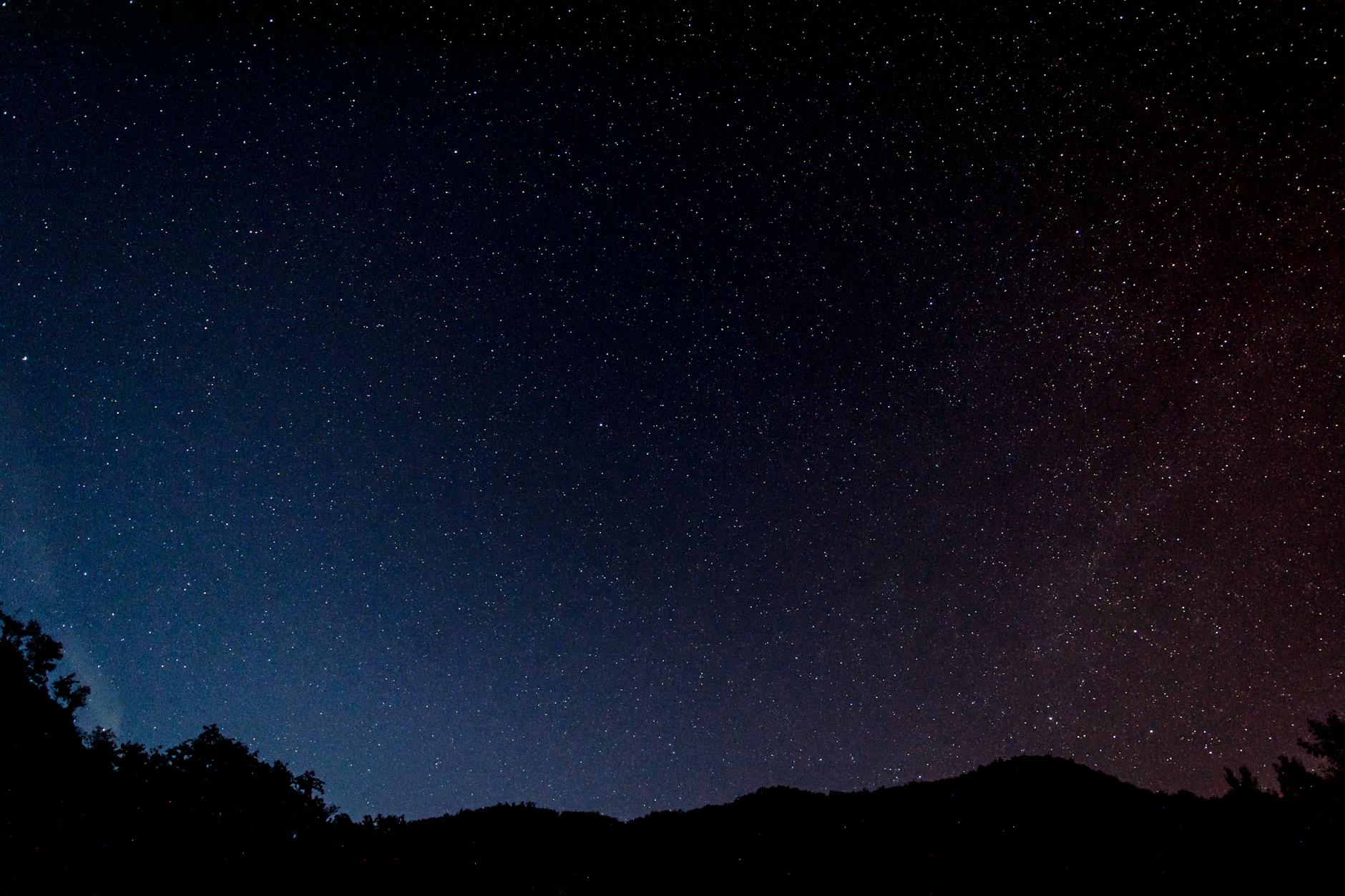
The Milky Way stretches across pristine skies above Ballycroy National Park, where visitors can see up to 3,000 stars on a clear night. This remote corner of Mayo has become Ireland’s latest Dark Sky Reserve, joining Kerry’s International Dark-Sky Reserve as Europe’s most sought-after destinations for astronomical tourism.
Ireland now boasts five officially designated Dark Sky locations, including three International Dark Sky Reserves and two Dark Sky Parks. These protected areas offer some of the continent’s clearest night skies, drawing thousands of stargazers annually from across Europe and beyond. The country’s western coastline, with minimal light pollution and favorable Atlantic weather patterns, creates ideal conditions for observing celestial phenomena.
Tourism Ireland reports that dark sky experiences have generated over 15 million euros in revenue for rural communities since 2014, when Kerry received its first international designation. Local businesses have adapted quickly, offering specialized accommodations, guided night tours, and astronomy workshops that capitalize on Ireland’s growing reputation as a stargazing destination.
Kerry Leads Europe’s Dark Sky Movement
Kerry International Dark-Sky Reserve covers 700 square kilometers of the Iveragh Peninsula, making it one of only three Gold Tier reserves worldwide. The designation requires strict lighting controls across the entire area, with local businesses and residents adhering to specific guidelines that minimize artificial light interference.
The reserve encompasses the Ring of Kerry tourist route, allowing visitors to combine daytime sightseeing with nighttime astronomy. Hotels in Waterville, Cahersiveen, and Sneem now offer specialized dark sky packages, including wake-up calls for meteor showers and aurora alerts when geomagnetic activity increases.
Local guide Michael O’Sullivan operates Celtic Cosmos tours from his base in Waterville, leading groups to optimal viewing locations within the reserve. “We’re seeing visitors from Germany, France, and the Netherlands specifically choosing Kerry for astronomy holidays,” O’Sullivan explains. “The combination of clear skies and Irish hospitality creates something unique in Europe.”
The reserve’s success has prompted similar initiatives across Ireland’s west coast, where low population density and geographic isolation provide natural advantages for dark sky preservation.
Mayo and Donegal Expand Dark Sky Tourism
Ballycroy National Park in Mayo received International Dark Sky Reserve status in 2016, protecting 15,000 hectares of bog and mountain landscape along the Atlantic coast. The designation has transformed the area from a remote wilderness into a destination for specialized tourism, with new visitor facilities and guided programs launching throughout the region.
Wild Nephin Ballycroy National Park offers monthly stargazing events from March through October, when weather conditions are most favorable. The park’s visitor center features a digital planetarium and astronomy exhibits that prepare visitors for nighttime observations. Local accommodations report 40% increases in overnight stays during peak stargazing seasons.
Donegal’s Glenveagh National Park achieved Dark Sky Park status in 2021, adding another dimension to the county’s tourism offerings. The park combines daytime hiking and wildlife viewing with evening astronomy programs, creating multi-day experiences that appeal to adventure travelers and families alike.
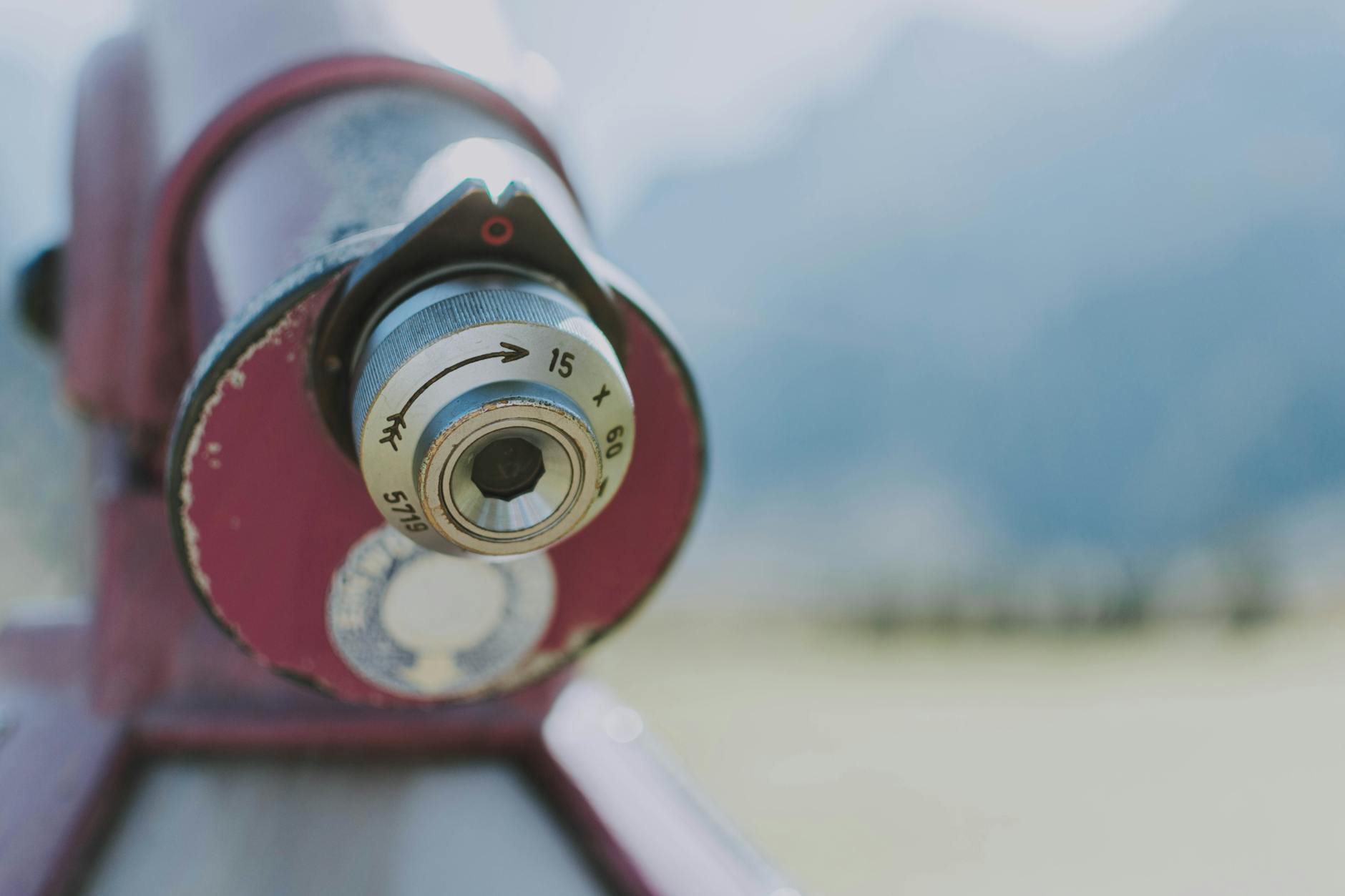
These designations require ongoing community commitment to lighting regulations and environmental protection. Residents within dark sky zones must use specially designed fixtures that direct light downward and limit blue spectrum emissions that interfere with astronomical observations.
Technology Enhances Ancient Skies
Modern astronomy equipment and smartphone apps have made stargazing more accessible to casual visitors while maintaining the authentic experience of Ireland’s dark skies. Local tour operators now use laser pointers and telescopes to guide groups through constellation identification and planet viewing.
The Mayo Dark Sky Park offers equipment lending programs, allowing visitors to borrow telescopes and binoculars for self-guided exploration. Park rangers provide basic astronomy instruction and help visitors use stargazing apps that identify celestial objects in real-time.
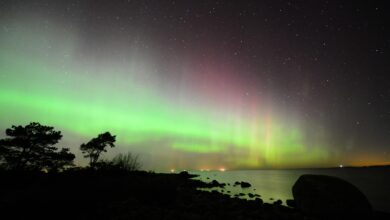
Photography workshops have become particularly popular, teaching visitors to capture long-exposure images of the Milky Way and aurora borealis when conditions permit. Professional photographers lead multi-day workshops that combine technical instruction with access to prime viewing locations within the reserves.
Weather monitoring technology helps tour operators and accommodations predict optimal viewing conditions, allowing them to adjust schedules and notify guests when exceptional sky clarity is forecast. This coordination has improved visitor satisfaction and created more reliable tourism experiences.
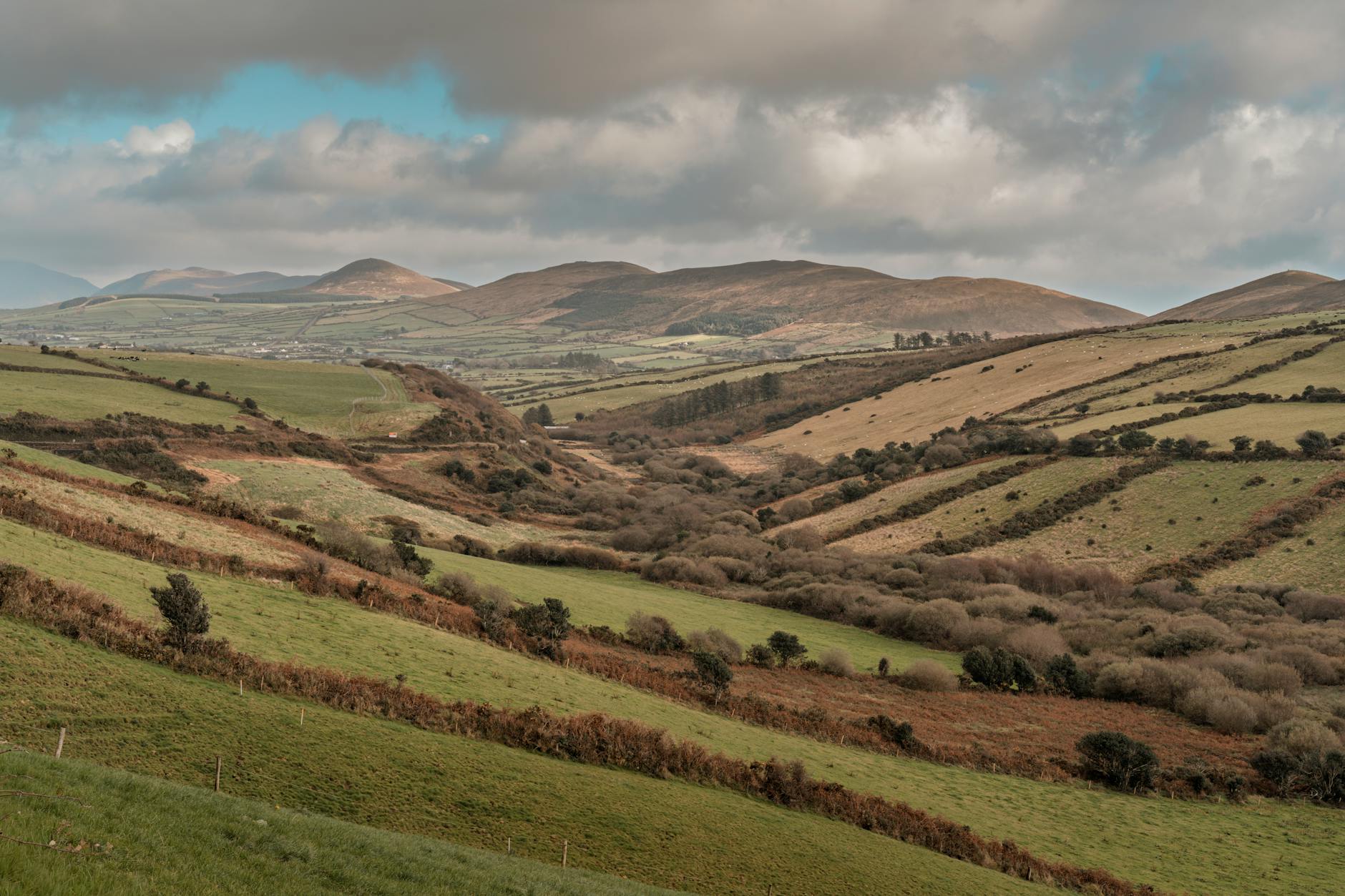
Rural Communities Embrace Astronomical Economics
Dark sky tourism has revitalized rural economies across western Ireland, creating new employment opportunities in regions traditionally dependent on farming and fishing. Specialized tour guides, equipment rental services, and astronomy-themed accommodations have emerged to serve growing visitor demand.
The town of Waterville has developed a comprehensive dark sky tourism strategy, with local businesses coordinating their offerings around astronomical events. Restaurants extend evening hours during meteor shower peaks, while B&Bs offer specialized packages that include guided stargazing experiences and early morning photography sessions.
Similar economic development is occurring around Ballycroy and Glenveagh, where rural communities are adapting existing tourism infrastructure to accommodate dark sky visitors. The model demonstrates how environmental protection can align with sustainable economic growth, similar to initiatives seen in Costa Rica’s sustainable tourism certification programs that balance conservation with visitor experiences.
Ireland’s dark sky reserves are positioning the country as Europe’s premier destination for astronomical tourism, with plans for additional designations under consideration in Galway and Clare. The success of these programs demonstrates how specialized tourism can support rural communities while preserving natural environments for future generations.
Frequently Asked Questions
What makes Ireland’s dark sky reserves special for stargazing?
Ireland’s reserves offer some of Europe’s clearest night skies with minimal light pollution and favorable Atlantic weather patterns.
How many Dark Sky locations does Ireland have?
Ireland has five officially designated Dark Sky locations, including three International Dark Sky Reserves and two Dark Sky Parks.