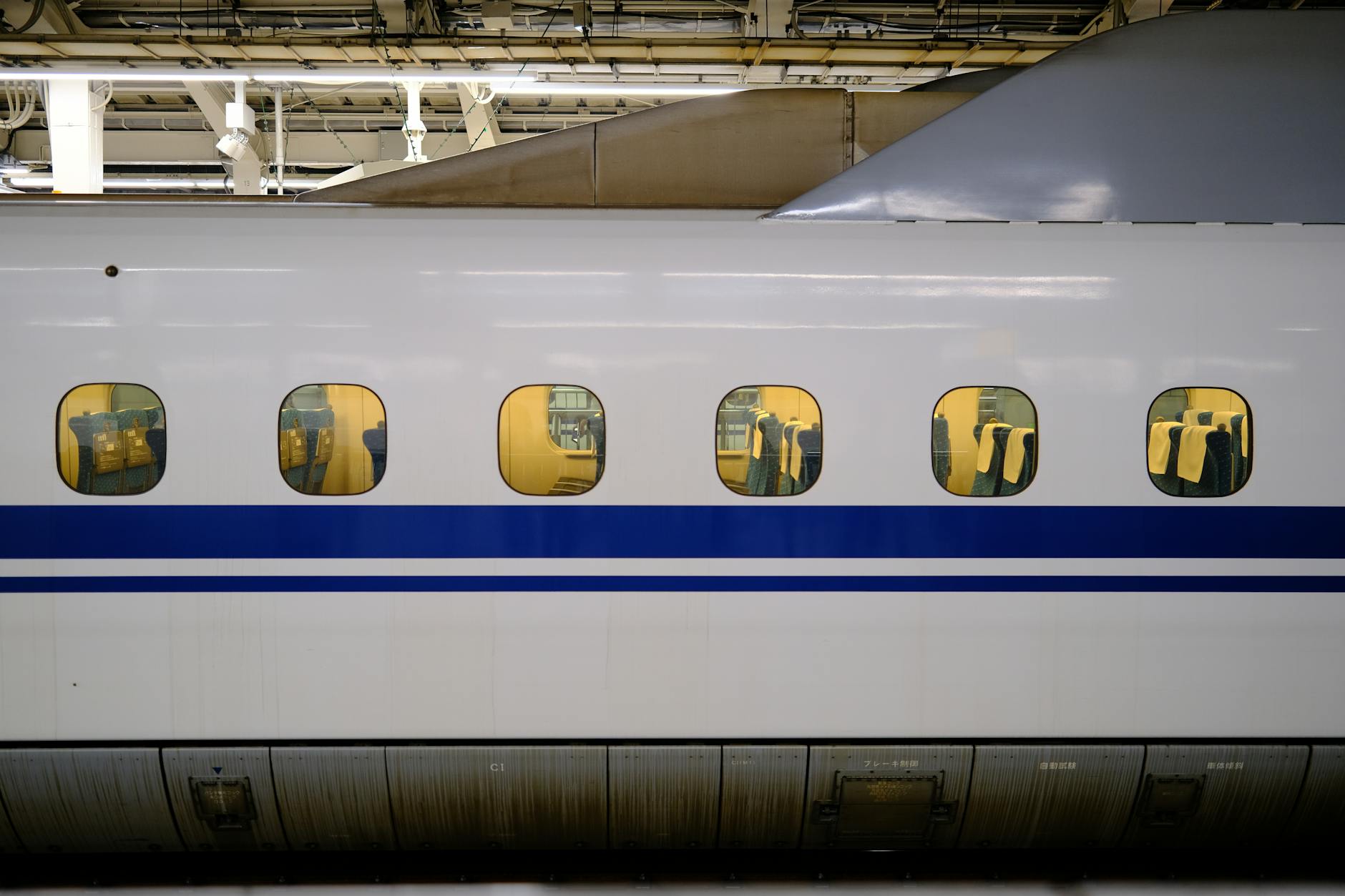

Japan Railway’s iconic shinkansen network is preparing to launch its most ambitious overnight service in decades. The new luxury sleeper cars will transform how travelers experience long-distance rail travel across Japan, combining the efficiency of bullet trains with hotel-level comfort for extended journeys.
The sleeper car initiative represents a significant shift for JR East and JR Central, who have traditionally focused on high-speed day travel. These new carriages will debut on select routes connecting Tokyo with distant cities like Sapporo and Kagoshima, offering travelers an alternative to overnight flights while maintaining the punctuality and smooth ride quality that made Japanese trains world-famous.
Premium Accommodations Meet Bullet Train Technology
The new sleeper cars feature individual compartments with full-length beds, personal climate control, and panoramic windows designed to showcase Japan’s landscapes during twilight and dawn hours. Each compartment includes a compact workspace, premium bedding sourced from Japanese textile manufacturers, and sophisticated noise-dampening technology that ensures peaceful sleep despite the train’s high speeds.
Unlike traditional sleeper trains that crawl through the night, these bullet train sleepers will maintain speeds up to 200 mph on dedicated tracks, cutting travel times significantly. The Tokyo to Sapporo route, which currently requires a combination of shinkansen and conventional trains with multiple transfers, will become a single overnight journey lasting approximately eight hours.
JR engineers have redesigned the car’s suspension systems specifically for sleeping passengers. The advanced damping technology, originally developed for Japan’s maglev research program, virtually eliminates the swaying motion that typically disrupts sleep on moving trains. Each sleeper car also features dedicated quiet zones and enhanced air filtration systems.
Routes and Service Expansion
The initial rollout targets three major corridors where overnight service addresses specific travel challenges. The Tokyo-Sapporo route serves business travelers and tourists heading to Hokkaido, while the Tokyo-Kagoshima connection opens up southern Kyushu for extended weekend trips. A third route linking Osaka with northern Honshu cities caters to the Kansai region’s growing demand for luxury rail experiences.
Each train will operate with just two sleeper cars attached to modified shinkansen sets, limiting capacity to maintain exclusivity and service quality. Reservations open six months in advance, with premium compartments featuring traditional Japanese design elements alongside modern amenities. Standard sleeper compartments offer single occupancy, while larger suites accommodate couples traveling together.
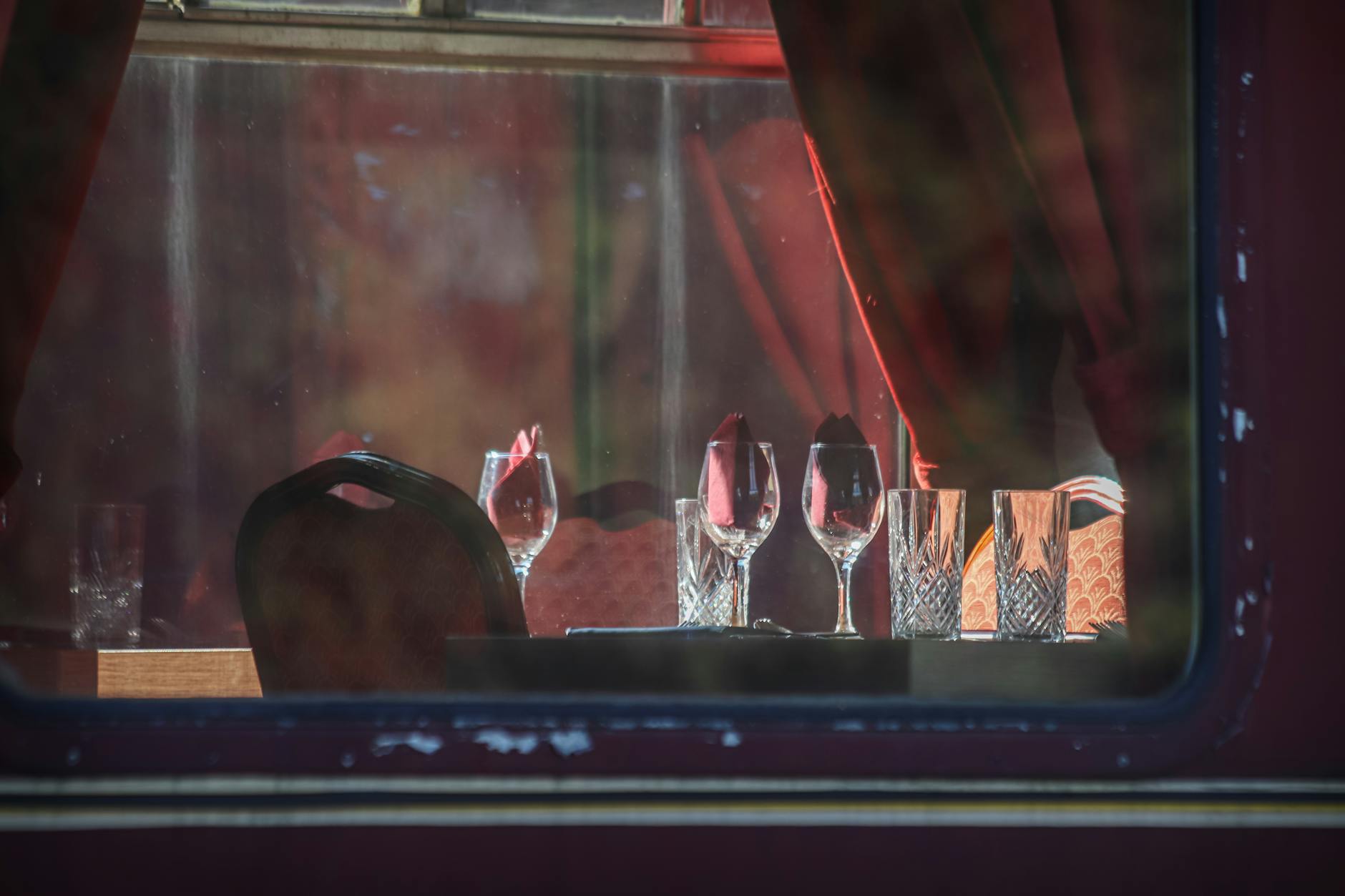
The service schedule aligns with Japan’s business culture, departing major cities around 10 PM and arriving at destinations between 6-7 AM. This timing allows travelers to conduct business during normal hours before boarding, then arrive refreshed for morning meetings or sightseeing. Weekend schedules offer more flexible departure times for leisure travelers.
Dining and Onboard Experience
Culinary experiences aboard the sleeper trains showcase regional specialties from departure and destination cities. The dining car serves kaiseki-style meals prepared by chefs from renowned Tokyo restaurants, with ingredients sourced along the route. Breakfast service features local specialties from the arrival region, giving passengers a preview of their destination’s food culture.
Similar to how major airlines are enhancing their premium offerings with private suite pods, these trains prioritize personal space and privacy. Each sleeping compartment includes a small seating area that converts to workspace during evening hours, complete with high-speed internet connectivity and device charging stations.
Entertainment systems in each compartment provide access to Japanese films, cultural documentaries about regions along the route, and real-time journey tracking. The cars feature traditional Japanese soaking baths scaled for train travel, offering a unique relaxation experience unavailable on any other rail service worldwide.
Technology and Safety Innovations
The sleeper cars incorporate cutting-edge safety features specifically designed for high-speed overnight travel. Advanced fire suppression systems, emergency communication networks, and medical response capabilities exceed international standards for rail passenger safety. Each compartment includes emergency evacuation procedures adapted for sleeping passengers.
Biometric access controls secure individual compartments while allowing staff to monitor passenger welfare without intrusion. The system tracks sleep patterns and environmental conditions, automatically adjusting temperature and humidity for optimal comfort throughout the journey. Emergency protocols include direct communication with medical facilities at upcoming stations.

The trains feature redundant navigation and communication systems that maintain constant contact with control centers. Real-time weather monitoring allows for automatic speed adjustments during adverse conditions, ensuring passenger comfort remains uncompromised even when schedules require minor modifications.
Market Impact and Future Plans
Industry analysts expect the luxury sleeper service to attract international tourists and domestic business travelers seeking alternatives to cramped airline seats and airport hassles. The service directly competes with premium hotel experiences, offering unique views of Mount Fuji, coastal landscapes, and rural valleys impossible to see from aircraft.
JR plans to expand the sleeper network based on initial route performance, with potential connections to other Asian countries through existing rail links. The success of this program could influence high-speed rail development in other countries, particularly in Europe where overnight train travel is experiencing renewed interest.
The sleeper car launch represents Japan’s commitment to evolving its transportation infrastructure while maintaining its reputation for precision and service excellence. As international travel patterns continue changing, these overnight trains offer a distinctly Japanese solution that combines efficiency with luxury, setting new standards for long-distance rail travel.
Frequently Asked Questions
How fast do the bullet train sleeper cars travel?
The sleeper cars maintain speeds up to 200 mph while providing comfortable sleeping accommodations.
Which routes will have the new sleeper service?
Initial routes include Tokyo-Sapporo, Tokyo-Kagoshima, and Osaka to northern Honshu cities.