Japan’s Abandoned Theme Parks Become Underground Photography Tourism Destinations

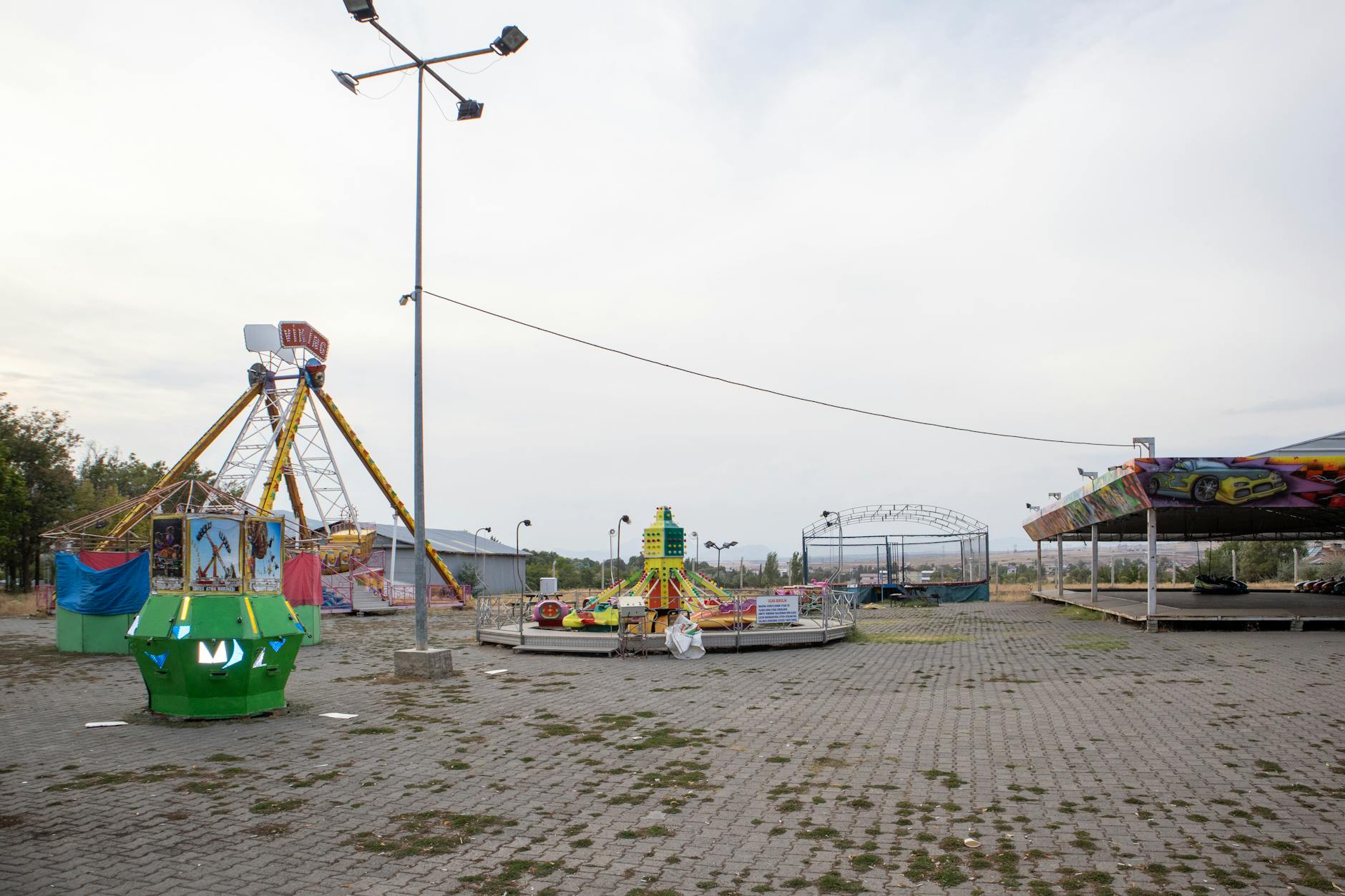
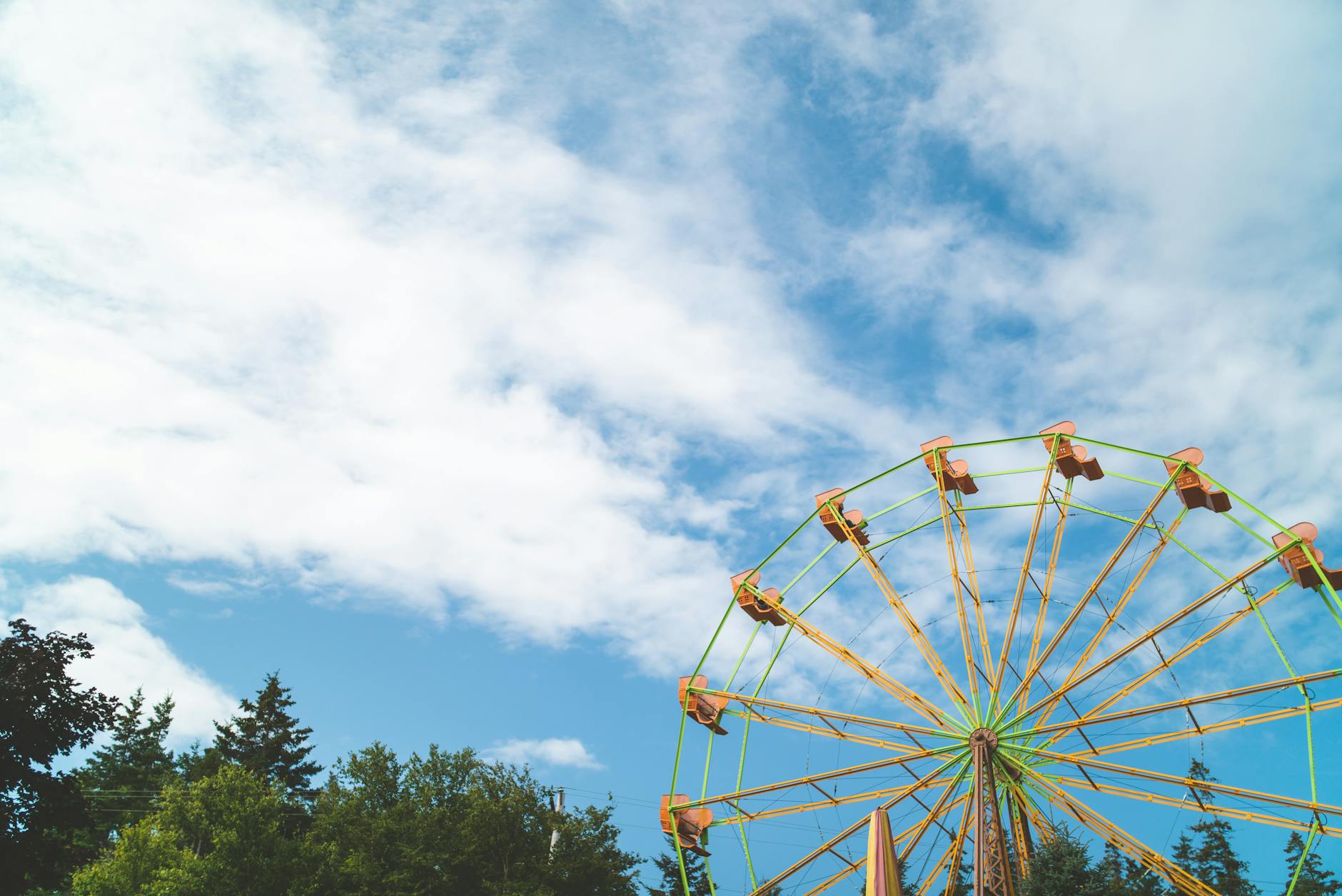
Empty roller coasters rust in silence. Broken ferris wheels stand frozen against cloudy skies. What once brought joy to millions of Japanese families now serves a different purpose entirely – as haunting backdrops for photographers seeking the perfect shot of decay and abandonment.
Japan’s numerous abandoned theme parks have transformed from forgotten relics into sought-after photography destinations, drawing urban explorers and professional photographers from around the world. These desolate wonderlands, scattered across the country from Hokkaido to Kyushu, offer something no active park can provide: complete creative freedom in spaces designed for wonder.
The phenomenon has grown substantially over the past five years, fueled by social media platforms where dramatic images of rusted attractions and overgrown pathways rack up thousands of shares. What started as underground exploration has evolved into a legitimate tourism niche, with some regions quietly embracing these unconventional attractions.
The Rise of Ruins: Why Japan Has So Many Ghost Parks
Japan’s economic bubble of the late 1980s sparked a theme park construction boom that left the country with more amusement facilities per capita than anywhere else in the world. When the bubble burst, many of these ambitious projects became financially unsustainable. Rising maintenance costs, changing demographics, and competition from larger parks like Tokyo Disneyland and Universal Studios Japan sealed their fate.
The abandoned Western Village in Tochigi Prefecture exemplifies this trajectory. Built in 1975 as a Wild West-themed attraction, it operated for over three decades before closing in 2007. Today, its saloon facades and mock frontier buildings create an eerily authentic ghost town atmosphere that photographers find irresistible.
Nara Dreamland, perhaps the most famous of Japan’s abandoned parks, operated from 1961 to 2006 before demolition began in 2016. During its decade of abandonment, it became a pilgrimage site for urban explorers worldwide. The park’s Sleeping Beauty Castle and overgrown roller coaster tracks appeared in countless photography portfolios and documentaries about modern ruins.
Gulliver’s Kingdom in Yamanashi Prefecture presents another compelling case. This Gulliver’s Travels-themed park near Mount Fuji closed in 2001 after just ten years of operation. The massive concrete Gulliver figure that served as its centerpiece became an iconic symbol of Japan’s economic downturn, photographed extensively before its eventual demolition.
Photography Tourism Takes Root
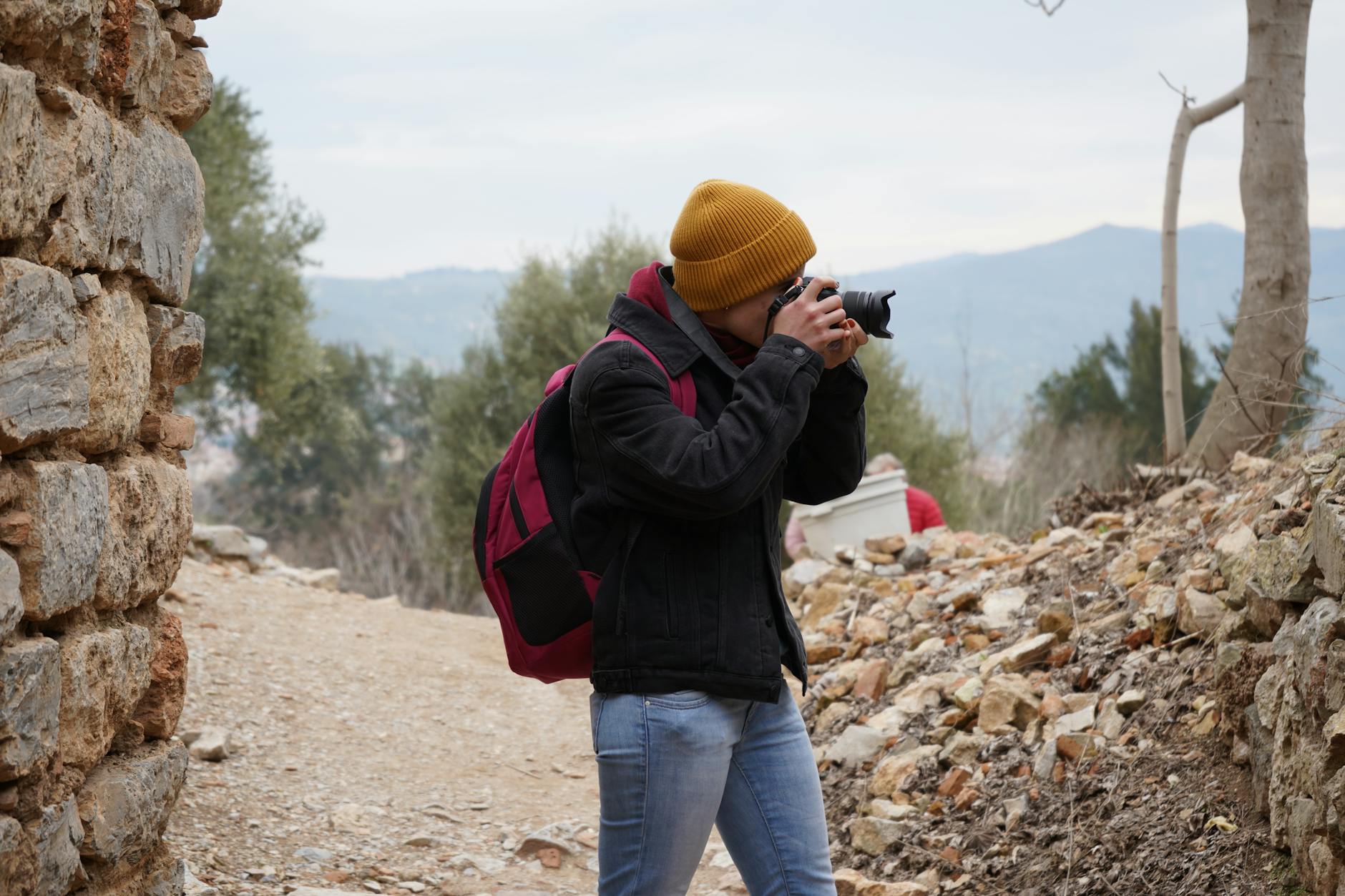
Professional photographers like Jordy Meow have documented these sites extensively, publishing photo series that showcase the artistic potential of abandoned spaces. Their work has inspired a growing community of ruin photographers, or “haikyo” enthusiasts, who travel specifically to capture these decaying monuments to Japan’s past ambitions.
The appeal extends beyond simple decay photography. These locations offer unique lighting opportunities as nature reclaims artificial structures. Moss-covered bumper cars create unexpected green sculptures. Tree roots breaking through concrete pathways suggest the temporary nature of human construction. Rust patterns on metal attractions form abstract art compositions impossible to replicate elsewhere.
Some photographers report spending days at single locations, waiting for perfect lighting conditions or weather that enhances the mood of their shots. The seasonal changes add another dimension – cherry blossoms blooming around abandoned rides in spring, or snow blanketing forgotten playgrounds in winter.
Legal Gray Areas and Access Challenges
Despite their photogenic appeal, most abandoned theme parks remain private property with unclear access permissions. Many sites exist in legal limbo, owned by bankrupt companies or tied up in complex real estate disputes. This creates ongoing tension between photography enthusiasts and property owners or local authorities.
Some locations have found middle ground solutions. Certain sites now offer guided tours or special photography sessions with proper permissions and safety protocols. These organized visits ensure visitor safety while providing legitimate access for serious photographers and urban exploration enthusiasts.
The trend has also sparked broader discussions about adaptive reuse of abandoned properties. While some locations face inevitable demolition for safety reasons, others could potentially serve as outdoor art installations or historical preservation sites. Similar to how Vietnam’s floating markets have adapted to attract tourism, these abandoned spaces might find new life through creative repurposing.
Local communities near these sites report mixed reactions. Some welcome the modest tourism boost from visiting photographers, while others worry about trespassing, safety liability, and potential damage to already fragile structures.
The International Draw
The global fascination with Japan’s abandoned theme parks extends well beyond photography circles. Urban decay has become a recognized aesthetic movement, with abandoned Japanese parks serving as iconic examples of post-industrial beauty. International travel blogs and photography magazines regularly feature these locations, driving continued interest from overseas visitors.
Documentary filmmakers have also discovered these sites, using them as backdrops for explorations of economic cycles, cultural change, and the impermanence of human ambitions. The visual drama of these locations makes them natural subjects for artistic interpretation across multiple media formats.
Social media algorithms favor the striking contrasts these sites provide – bright playground equipment against gray skies, nature overwhelming human-made structures, the juxtaposition of intended joy with current desolation. This viral potential ensures continued exposure and interest in these locations.
The photography tourism trend has even influenced broader travel patterns. Some visitors combine abandoned park photography with traditional sightseeing, creating unique itineraries that blend conventional tourism with urban exploration. This hybrid approach appeals particularly to younger travelers seeking authentic, Instagram-worthy experiences.
As Japan grapples with its aging infrastructure and changing demographics, these abandoned theme parks serve as both artistic subjects and sociological case studies. While some will inevitably face demolition for safety or development reasons, others may find new purposes as outdoor museums or controlled photography destinations.
The growing interest suggests this niche tourism market will continue expanding, particularly as more locations develop formal access programs that balance safety with creative freedom. For photographers willing to navigate legal complexities and safety concerns, Japan’s abandoned wonderlands offer unparalleled opportunities to capture beauty in decay – frozen moments where joy once lived and art now thrives.
Frequently Asked Questions
Are Japan’s abandoned theme parks legal to visit for photography?
Most remain private property with unclear access permissions, though some now offer guided tours with proper permissions and safety protocols.
Which abandoned Japanese theme parks are most popular with photographers?
Nara Dreamland, Western Village in Tochigi, and Gulliver’s Kingdom were among the most photographed before demolition or restricted access.