
Japan’s Bullet Train Network Expands to Rural Hot Spring Villages This Winter

Japan’s countryside just became infinitely more accessible. The legendary shinkansen network, famous for connecting major cities at lightning speed, is extending its reach to remote hot spring villages nestled in mountainous regions previously accessible only by winding local trains and buses.
JR East announced the completion of three new branch lines this winter, connecting the main Tohoku Shinkansen to onsen towns in Fukushima, Yamagata, and Akita prefectures. These specialized mini-shinkansen lines, running on narrower gauge tracks through mountain valleys, cut travel times from Tokyo to some of Japan’s most pristine hot spring destinations by up to four hours.
Revolutionary Access to Hidden Onsen Gems
The new routes transform previously arduous journeys into comfortable two-hour rides. Zao Onsen, famous for its snow monsters and sulfurous springs, now connects directly to Tokyo via the Yamagata mini-shinkansen extension. What once required a complex journey involving multiple transfers now flows seamlessly from the capital to steaming outdoor baths surrounded by frost-covered trees.
Nyuto Onsen in Akita, home to seven distinct hot spring inns dating back centuries, becomes reachable through a dedicated spur line branching from the main Akita Shinkansen. The route winds through pristine beech forests, offering passengers glimpses of traditional thatched-roof ryokan emerging from snow-laden valleys.
The Fukushima extension serves Takayu Onsen, where mineral-rich waters bubble from volcanic springs at 4,000 feet elevation. The engineering feat required tunneling through the Ou Mountains, creating Japan’s highest-altitude shinkansen station perched dramatically above the tree line.
Winter Wonderland Infrastructure
These aren’t standard bullet train lines adapted for mountain terrain. JR East developed specialized rolling stock capable of navigating steep grades and tight curves while maintaining the signature smooth ride. Advanced snow-clearing systems keep tracks operational during heavy snowfall, while heated rail switches prevent ice formation at critical junctions.
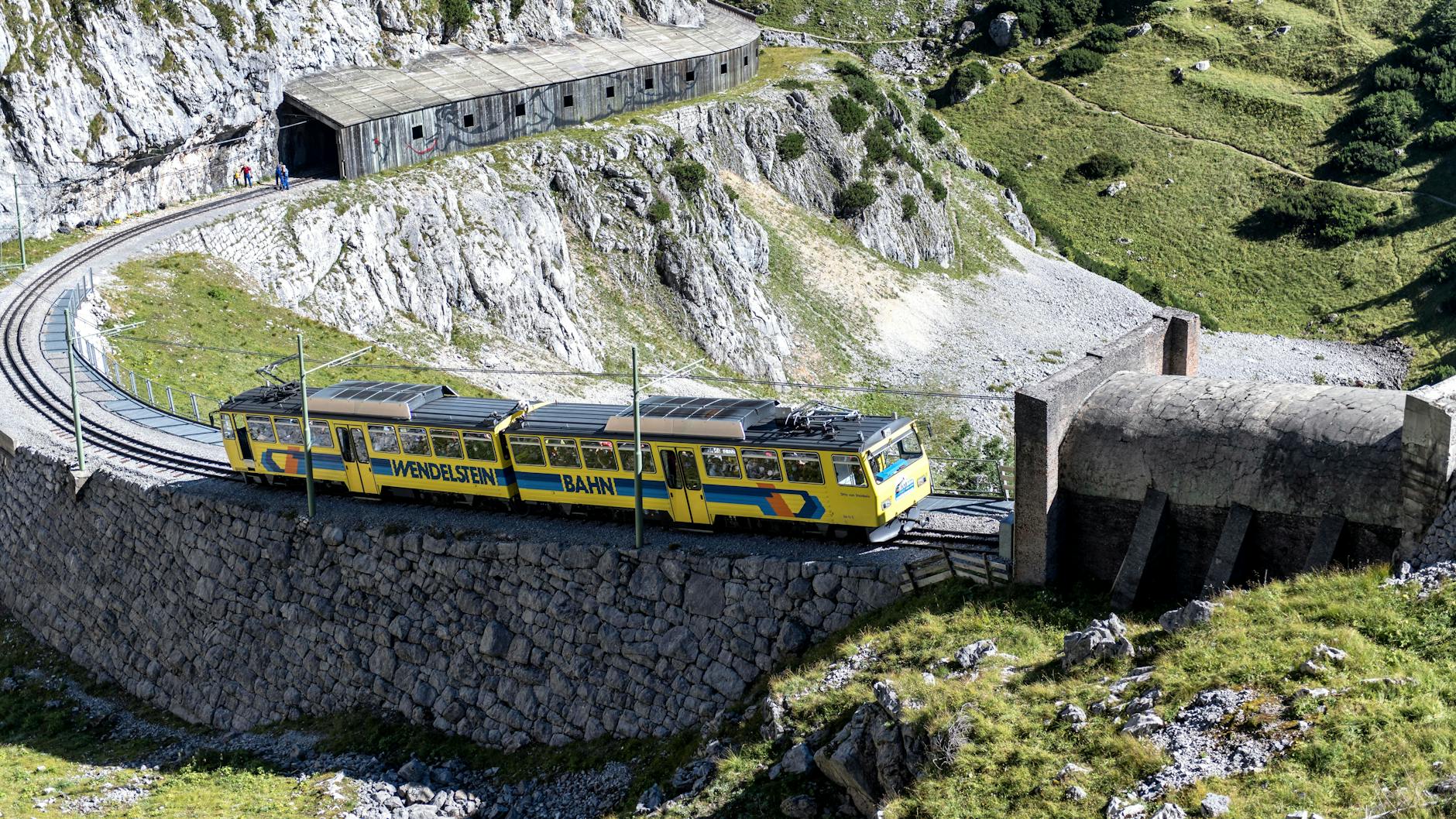
Station design reflects the rural mountain setting, incorporating local materials like cedar and stone rather than the glass and steel typical of urban terminals. Zao Onsen Station features traditional Japanese architectural elements, with a soaring wooden roof inspired by local shrine design. Underground passages connect directly to hotel shuttles and ski lifts, eliminating exposure to harsh mountain weather.
The mini-shinkansen cars themselves blend high-speed technology with onsen culture. Observation cars offer panoramic mountain views through extra-large windows, while special baggage compartments accommodate ski equipment and traditional yukata robes provided by partner ryokan. Some trains feature preview screens showcasing the hot springs awaiting at each destination.
Economic Revival for Rural Communities
Local communities see these connections as lifelines for aging mountain villages. Zao’s mayor reports hotel bookings increasing 300% since the announcement, with international visitors particularly drawn to the convenience of direct Tokyo access. Previously, foreign tourists often skipped remote onsen due to complicated transportation logistics.
The economic impact extends beyond hospitality. Local craft makers, from sake brewers to ceramic artists, anticipate increased demand as day-trippers and weekend visitors discover authentic mountain culture. Traditional inn operators invest in renovations, knowing they can now attract urban dwellers seeking quick escapes from city life.
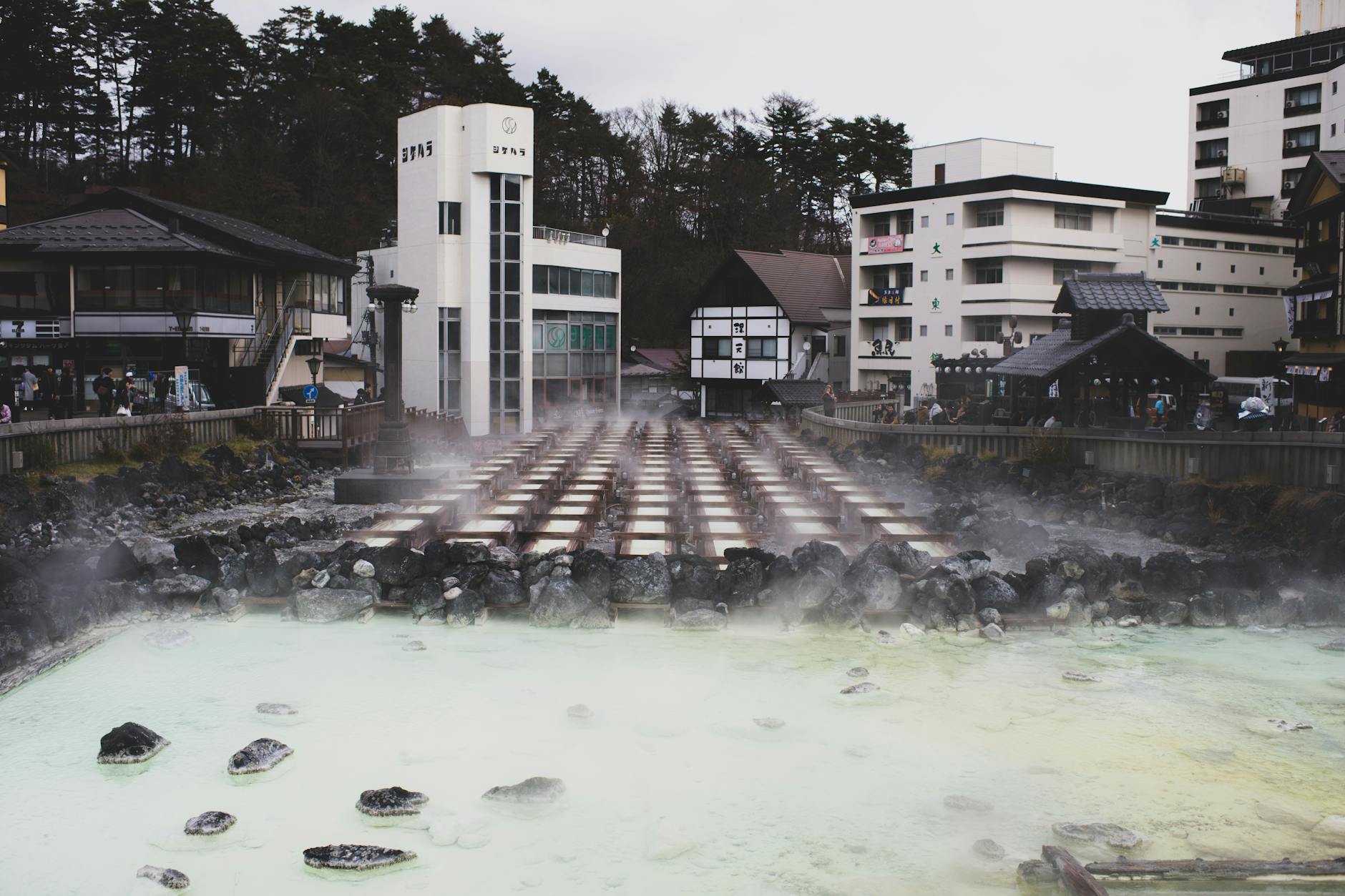
Similar sustainable tourism initiatives are emerging globally, with projects like Chile’s Vertical Desert Gardens transforming the Atacama showing how infrastructure improvements can revitalize remote destinations while preserving their essential character.
The Future of Rural Tourism Access
JR East hints at additional rural extensions under consideration, including routes to historic temple complexes and traditional craft villages. The success of these initial lines could inspire similar projects connecting remote destinations worldwide, proving that high-speed rail can serve more than just major population centers.
As Japan’s population concentrates in urban areas, these rail links offer rural communities sustainable economic opportunities while providing city dwellers authentic cultural experiences just hours from home. The combination of cutting-edge transportation technology with centuries-old onsen traditions creates a uniquely Japanese solution to rural tourism challenges.
The winter season launches officially December 15, with advance reservations already filling rapidly. For travelers seeking Japan’s legendary hospitality in pristine mountain settings, the journey just became as memorable as the destination itself.
Frequently Asked Questions
When do the new bullet train routes to hot springs open?
The new mini-shinkansen routes to onsen villages launch December 15, with advance reservations already available.
How much faster are the new routes to hot spring villages?
Travel times are reduced by up to four hours, with destinations like Zao Onsen now just two hours from Tokyo.