
That red-eye flight to Tokyo just landed, but your body clock is still stuck in yesterday. Your brain feels wrapped in cotton while locals rush past with enviable energy. The culprit? Your circadian rhythm is completely out of sync, and traditional advice about “just staying awake” isn’t cutting it anymore.
Jet lag affects over 90% of long-haul travelers, but recent research reveals that strategic light exposure can reset your internal clock faster than any pill or supplement. Airlines now study light therapy protocols, while sleep specialists recommend specific timing patterns that can cut recovery time in half.
The science behind this natural approach is surprisingly straightforward. Your brain contains a master clock in the hypothalamus that responds directly to light signals. When you expose yourself to the right type of light at precisely the right moments, you’re essentially reprogramming this biological timekeeper to match your new location.
Understanding Your Body’s Light-Sensitive Clock
Your circadian rhythm operates on a roughly 24-hour cycle, controlled by a cluster of cells called the suprachiasmatic nucleus. This internal timekeeper regulates everything from hormone production to body temperature, using light as its primary cue to stay synchronized with the external world.
When you cross multiple time zones, your internal clock becomes misaligned with the local light-dark cycle. Traditional jet lag symptoms – fatigue, insomnia, difficulty concentrating, and digestive issues – are your body’s way of signaling this temporal confusion.
Light therapy works by manipulating these natural cues. Bright light exposure suppresses melatonin production and increases alertness, while darkness triggers melatonin release and promotes sleepiness. The timing of these exposures determines whether you advance or delay your internal clock.
Research from Harvard Medical School shows that light intensity matters significantly. Standard indoor lighting provides about 200-500 lux, while outdoor daylight delivers 10,000 lux or more. This explains why spending time outdoors feels more energizing than sitting under fluorescent office lights.
The color temperature of light also plays a crucial role. Blue-rich light, prevalent in morning sunlight and electronic screens, is most effective at suppressing melatonin and promoting wakefulness. Warmer, red-tinted light has minimal impact on circadian rhythms, making it ideal for evening use.
Pre-Flight Preparation and Strategic Light Exposure
Successful jet lag recovery begins before you board the plane. Start adjusting your sleep schedule three to four days before departure by gradually shifting your bedtime and wake time toward your destination’s schedule.
For eastward travel, advance your schedule by going to bed and waking up 15-30 minutes earlier each day. For westward trips, delay your schedule by staying up and sleeping in slightly later. Combine these adjustments with appropriate light exposure – bright light in the morning when advancing your schedule, or bright light in the evening when delaying it.
Consider using a light therapy lamp during this preparation phase. These devices, which emit 10,000 lux of broad-spectrum light, can effectively supplement natural daylight. Use the lamp for 20-30 minutes at the same time each day, positioned about arm’s length away while you read or work.
Limit blue light exposure in the hours before your adjusted bedtime. This means dimming screens or using blue light filtering glasses, as the blue wavelengths can interfere with melatonin production and make it harder to fall asleep at your new target time.
In-Flight Light Management Strategies
Your airplane cabin becomes a controlled light environment where you can begin shifting your circadian rhythm toward your destination. Airlines are increasingly recognizing this, with some carriers like Lufthansa and Emirates installing LED cabin lighting systems that gradually shift color temperature during long flights.
Set your watch to destination time immediately upon boarding and begin living by that schedule. If it’s nighttime at your destination, avoid bright lights and screens. Wear an eye mask, use noise-canceling headphones, and try to sleep even if you don’t feel tired.
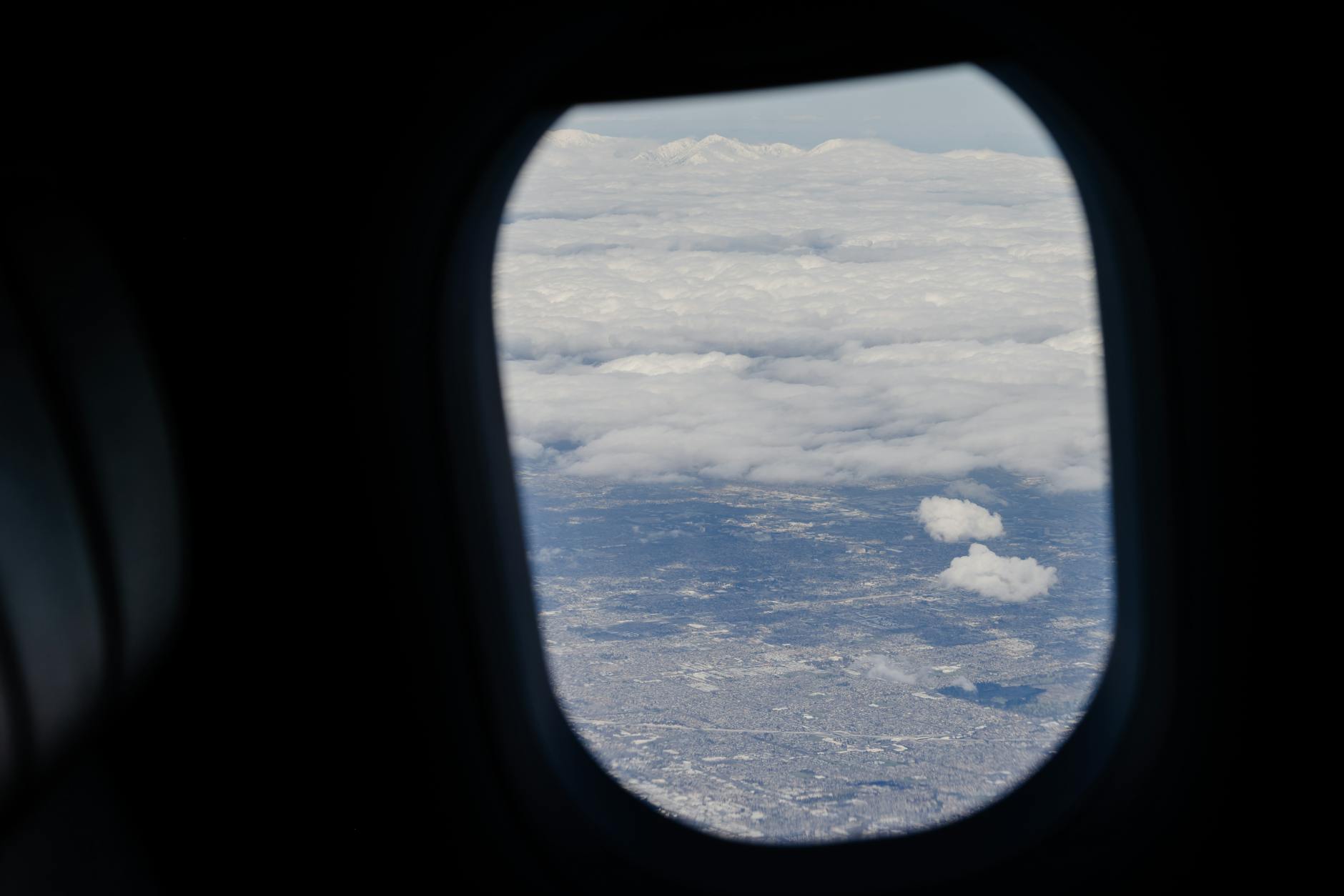
If it’s daytime at your destination, seek bright light exposure. Choose a window seat when possible, or use a personal light therapy device if you’re stuck in a darker part of the cabin. Many frequent travelers now pack compact LED light panels specifically for this purpose.
Manage your meal timing according to your destination’s schedule as well. Eating signals circadian rhythms independent of light, so consuming meals when locals would be eating helps reinforce the timing shift you’re trying to achieve.
Stay hydrated throughout the flight, as dehydration can worsen jet lag symptoms. However, be strategic about caffeine and alcohol consumption. Caffeine can help maintain alertness if it’s daytime at your destination, but avoid it if you should be sleeping. Alcohol might help you relax but can disrupt sleep quality and interfere with your body’s natural adjustment process.
Post-Arrival Light Optimization
The first 48-72 hours after arrival are critical for cementing your circadian rhythm adjustment. Your light exposure strategy during this period can make the difference between a quick recovery and weeks of lingering fatigue.
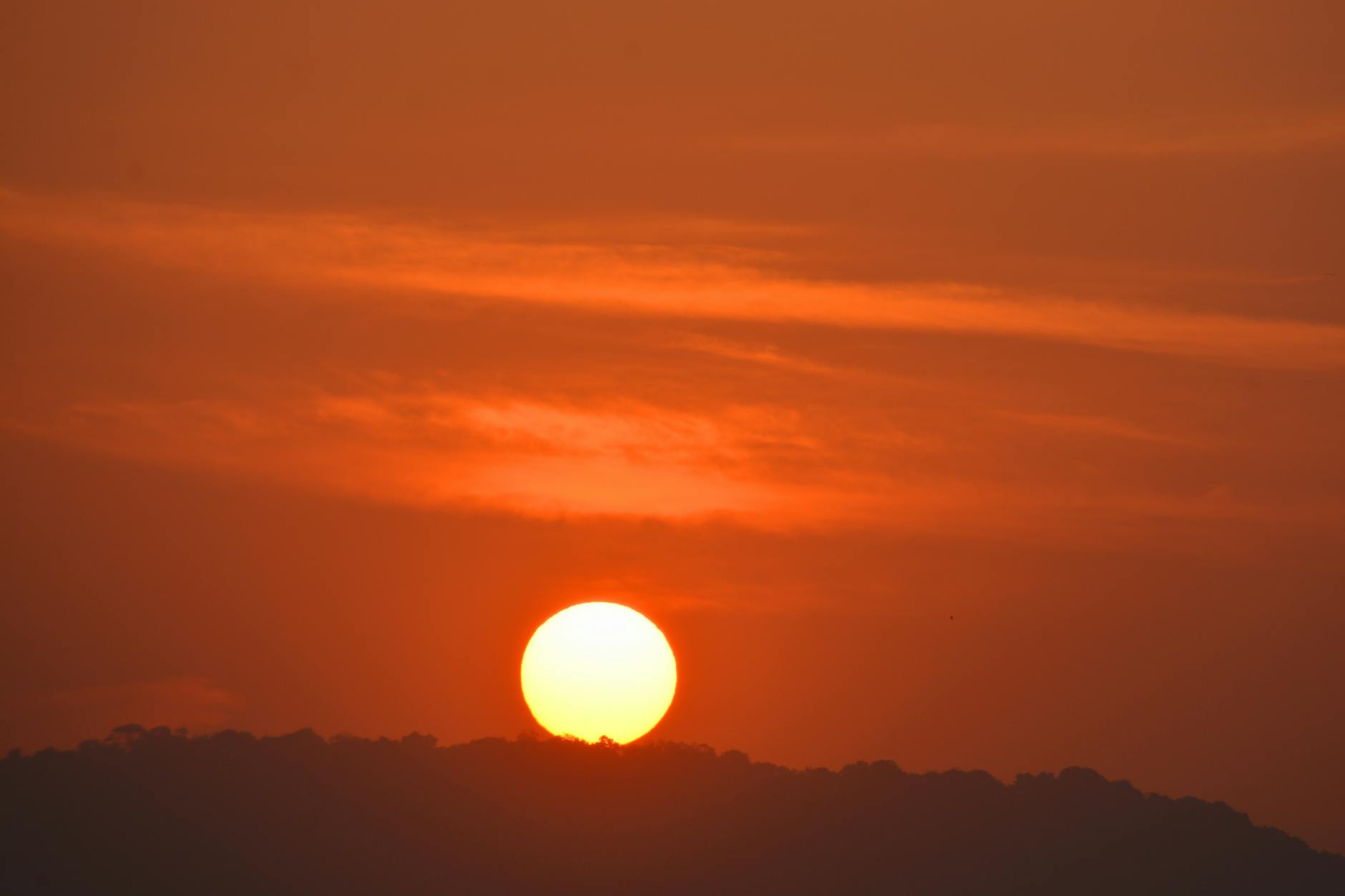
Upon arrival, immediately expose yourself to natural outdoor light if it’s daytime at your destination. Even overcast skies provide significantly more light than indoor environments. Take a walk, sit in a park, or simply stand outside your hotel for 15-30 minutes. This light exposure sends a powerful signal to your brain that it’s time to be alert and active.
If you arrive during local nighttime, avoid bright lights and resist the urge to explore or catch up on work. Use dim lighting only, preferably with warm color temperatures. Many hotels now offer circadian-friendly lighting in their rooms, but you can also request lamps with lower-wattage bulbs or bring your own amber-colored night light.
Maintain consistent light exposure patterns for several days. Seek bright light during your destination’s morning hours, even if you feel tired. This is particularly important when traveling eastward, as your body naturally wants to delay sleep. Finding authentic local restaurants away from your hotel gives you natural reasons to spend time outdoors during optimal light exposure windows.
Exercise can amplify the effects of light therapy. Physical activity, especially outdoors, helps regulate circadian rhythms and can reduce the time needed for full adjustment. A morning jog or afternoon walk combines beneficial light exposure with rhythm-regulating movement.
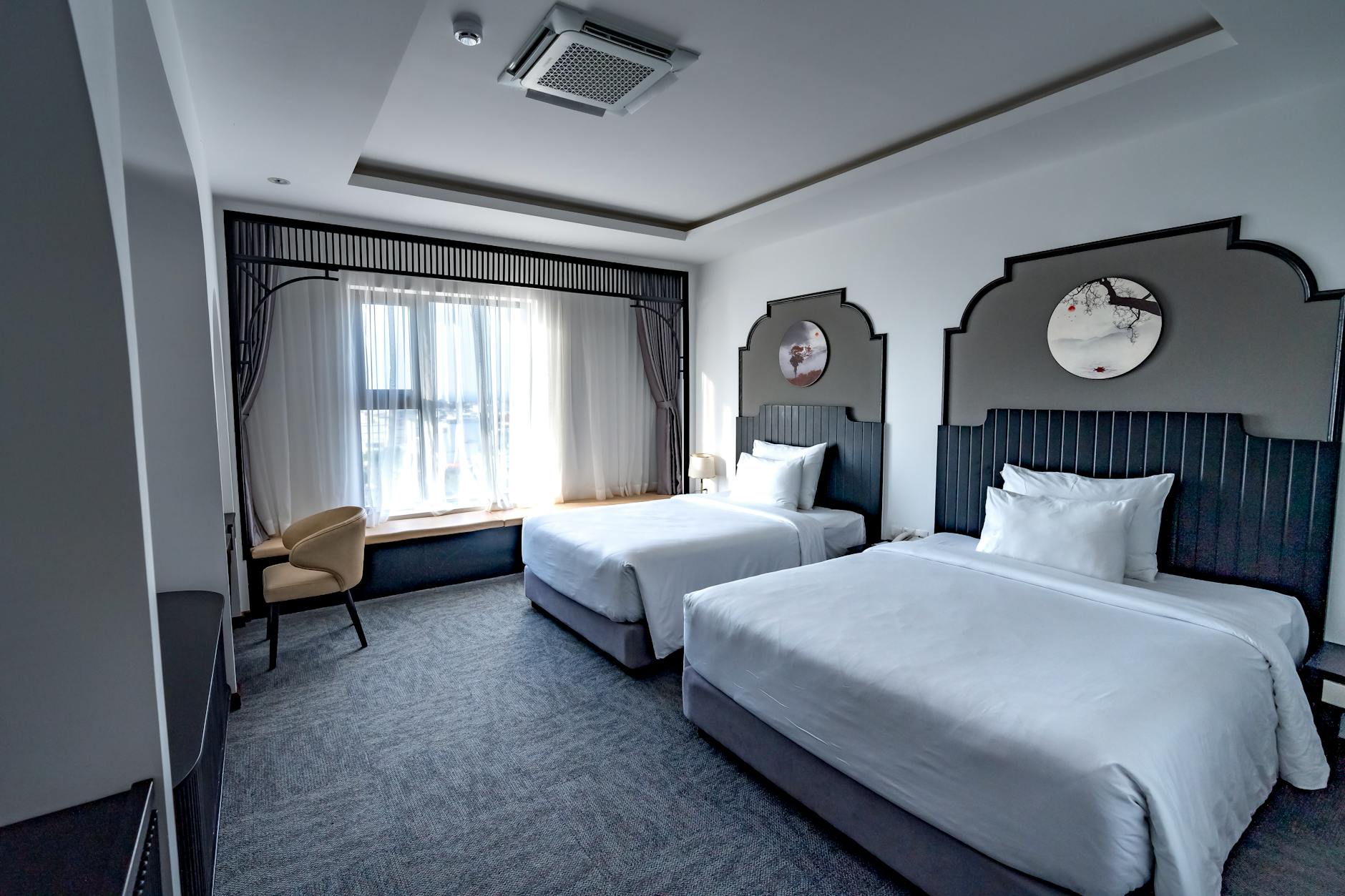
Consider your accommodation’s lighting environment. Request rooms with large windows facing east for morning light, or bring a portable light therapy device to ensure consistent bright light access. Some travelers pack wake-up light alarm clocks that gradually increase brightness to simulate sunrise.
Advanced Techniques and Long-Term Success
Experienced travelers often combine light therapy with other circadian rhythm interventions for maximum effectiveness. Temperature regulation works synergistically with light exposure – keeping your environment cool during destination nighttime and warmer during daytime hours reinforces the adjustment process.
Strategic napping can help manage severe fatigue without derailing your adjustment, but timing matters critically. Limit naps to 20-30 minutes and avoid napping after 3 PM local time. If you must nap longer, aim for a full 90-minute sleep cycle to avoid waking during deep sleep phases.
Technology can support your light therapy efforts. Smartphone apps like Jet Lag Rooster or Timeshifter create personalized light exposure schedules based on your specific flight details and sleep preferences. These apps account for factors like flight duration, time zone changes, and individual chronotype differences.
The benefits of mastering natural light therapy extend far beyond jet lag recovery. These same principles can help shift workers, people with seasonal affective disorder, and anyone dealing with disrupted sleep patterns. Understanding your body’s relationship with light gives you a powerful tool for maintaining optimal energy and sleep quality.
As airlines continue investing in circadian-friendly cabin lighting and hotels develop rooms optimized for different time zones, light therapy is becoming mainstream travel wellness. The future promises even more sophisticated approaches, with wearable devices that automatically adjust light exposure based on your individual circadian rhythm patterns and travel schedule.
Frequently Asked Questions
How long should I use light therapy for jet lag recovery?
Use bright light for 20-30 minutes daily at strategic times, typically for 3-5 days until fully adjusted to your new time zone.
Can I use my phone screen for light therapy?
Phone screens aren’t bright enough for effective therapy. You need 10,000 lux light, while phones emit only 40-100 lux maximum.