Mexico’s Cenote Swimming Networks Connect Underground Cave Systems for Adventure Tours

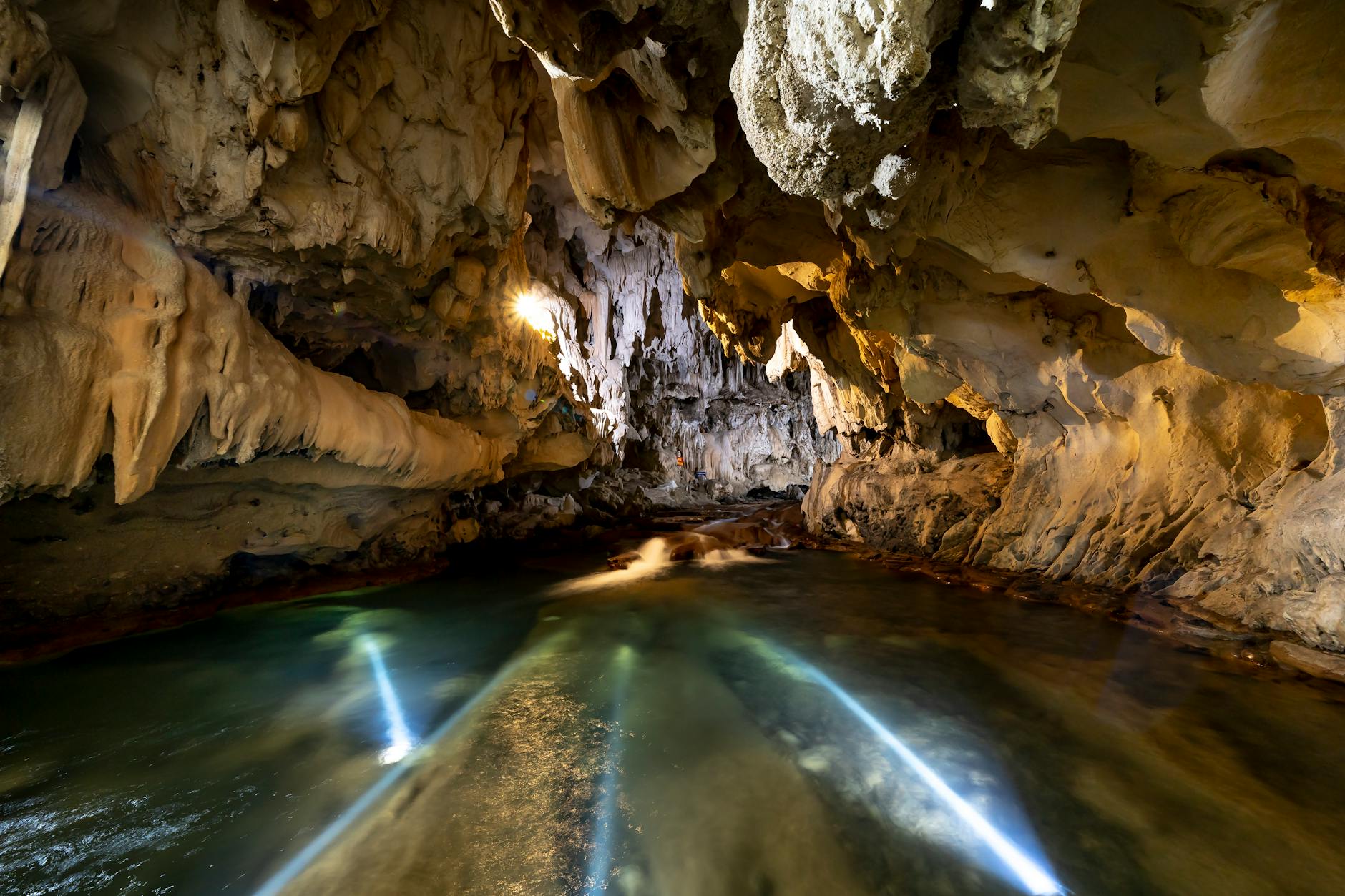
Thousands of cenotes dot Mexico’s Yucatan Peninsula, creating the world’s largest underground river system. These natural sinkholes connect through vast cave networks that stretch for hundreds of miles beneath the jungle floor, offering adventure travelers unprecedented access to one of Earth’s most spectacular underground worlds.
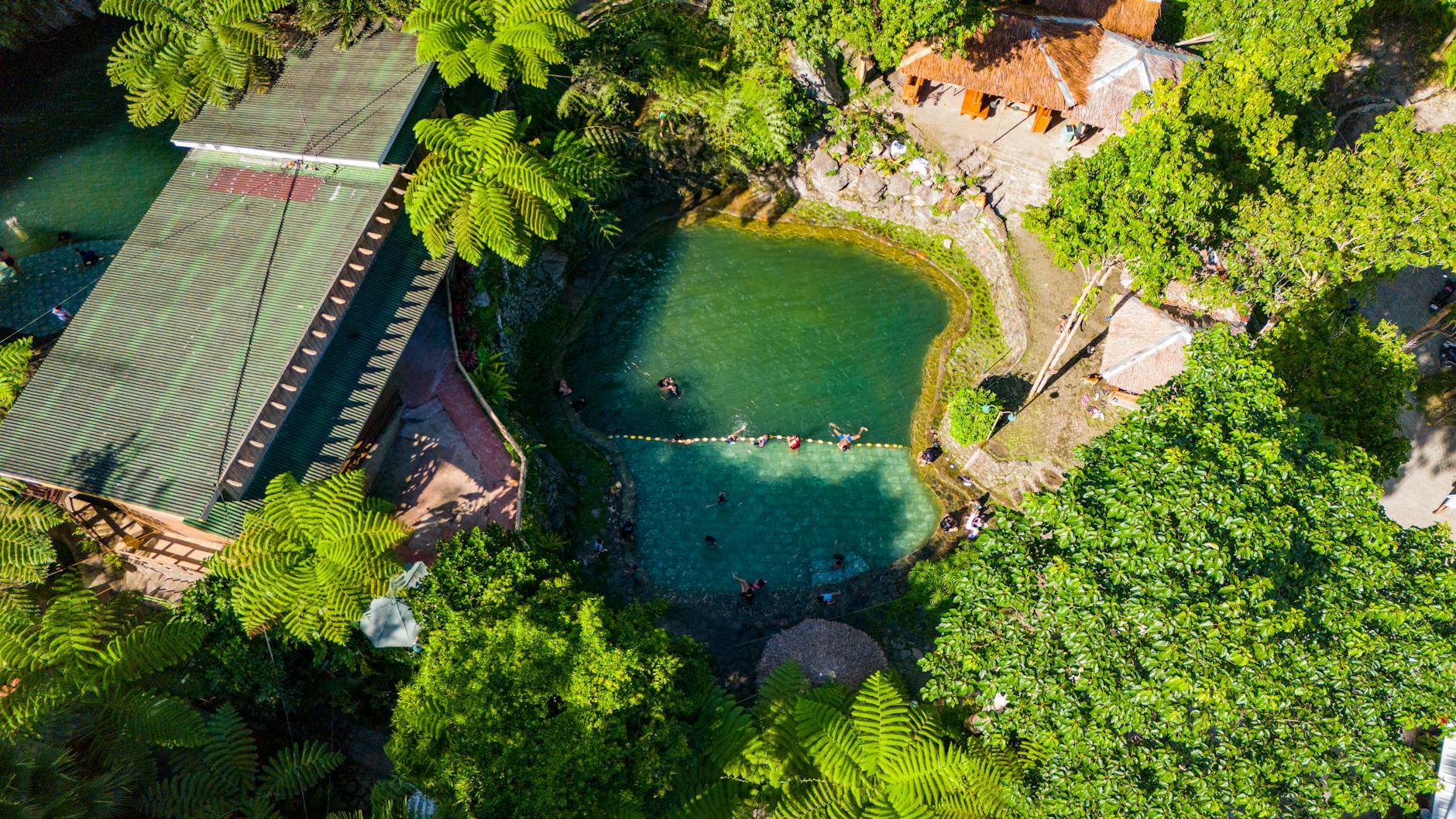
The Riviera Maya region alone contains over 6,000 documented cenotes, with new discoveries happening regularly as cave diving technology advances. Local tour operators now offer specialized swimming and snorkeling experiences that let visitors explore these interconnected systems, from shallow pools perfect for beginners to deep caverns requiring technical diving skills. The crystal-clear freshwater maintains a constant temperature of 78-80 degrees Fahrenheit year-round, creating ideal conditions for underwater exploration.
Ancient Mayan Sacred Sites Meet Modern Adventure
The Maya civilization considered cenotes sacred portals to the underworld, using them for ceremonial offerings and water collection. Today’s adventure tours blend this rich cultural heritage with cutting-edge exploration techniques. Professional guides lead small groups through cenote systems like Dos Ojos, Gran Cenote, and Cenote Azul, explaining both geological formations and Mayan mythology.
Recent archaeological discoveries have added new dimensions to these tours. Underwater excavations in cenotes near Tulum have uncovered Mayan artifacts, pottery shards, and even human remains dating back thousands of years. Tour operators now incorporate these findings into educational experiences, showing visitors where ancient ceremonies took place while they swim through the same waters once considered sacred.
The cenote networks extend far beyond individual sites. Scientists have mapped connections between Sac Actun system, which spans over 215 miles of underwater passages, making it the world’s longest known underwater cave system. Tour companies offer multi-day expeditions that follow these connections, allowing experienced swimmers to travel underground from cenote to cenote through naturally formed tunnels.
Technical Diving Opens New Underwater Frontiers
Advanced cave diving courses have expanded access to deeper cenote systems previously reserved for expert technical divers. Training centers in Playa del Carmen and Tulum now offer progressive certification programs that take swimmers from basic snorkeling to full cave diving over several days or weeks.
These programs focus heavily on safety protocols specific to overhead environments. Unlike open water diving, cave diving requires specialized equipment, including primary and backup lights, guideline reels, and emergency air supplies. The courses teach navigation techniques using permanent guide lines installed throughout major cave systems, ensuring divers can find their way out even in zero visibility conditions.
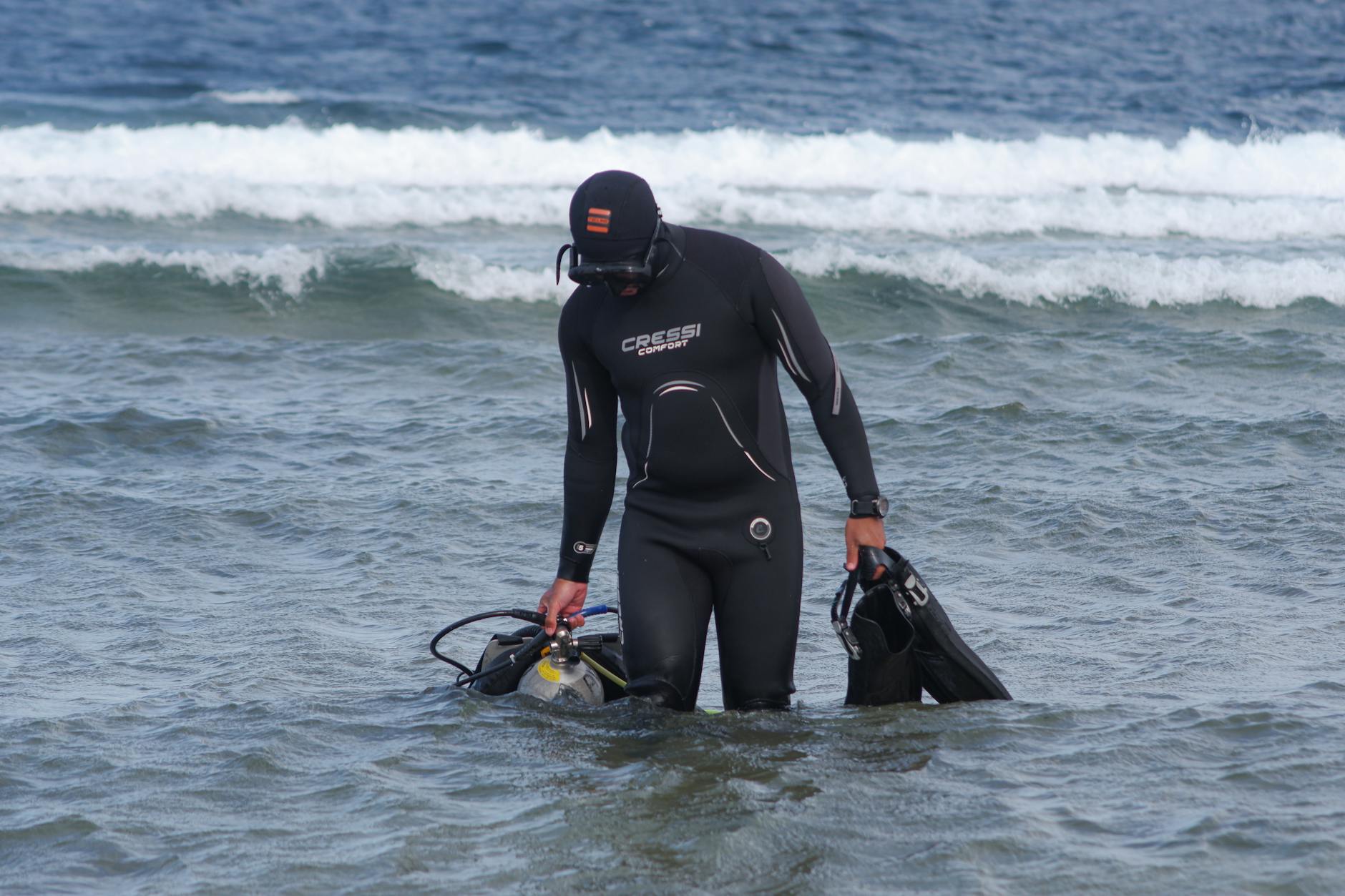
The most popular technical diving destinations include the Pit cenote, which drops to depths of over 400 feet, and Sistema Chac Mool, known for its dramatic light beams that penetrate the water during specific times of day. These sites require advanced open water certification and additional cave diving training, but offer experiences unlike anywhere else on Earth.
Some tour operators now use underwater scooters and specialized lighting systems to explore previously inaccessible areas of the cave networks. These technological advances have led to the discovery of new chambers, underground rivers, and geological formations that continue expanding our understanding of the Yucatan’s underground landscape.
Conservation Efforts Protect Fragile Ecosystems
The cenote systems support unique ecosystems found nowhere else on Earth. Blind cave fish, transparent crustaceans, and specialized bacteria thrive in these underground environments. Conservation groups work closely with tour operators to establish sustainable visiting practices that protect these delicate habitats while maintaining access for adventure tourism.
Recent studies have shown that the underground river systems are particularly vulnerable to pollution from surface development. Fertilizers, sewage, and construction runoff can travel directly into the cenotes through the porous limestone bedrock, affecting water quality and wildlife. Several environmental organizations now monitor water conditions regularly and work with local governments to implement stricter development regulations.
Tour operators have adopted low-impact practices including biodegradable sunscreen requirements, small group sizes, and designated entry points to minimize damage to fragile limestone formations. Many companies also participate in underwater cleanup efforts and support research programs studying the cave ecosystems.
Like Turkey’s newly opened underground city tours in Cappadocia, Mexico’s cenote tours demonstrate how historical sites can be preserved while offering modern adventure experiences. The combination of natural wonder and cultural significance creates tourism opportunities that educate visitors while generating income for local communities.
Planning Your Underground Adventure
The cenote swimming season runs year-round, but the dry season from December through April offers the clearest visibility and most comfortable surface conditions. Water visibility regularly exceeds 300 feet in many systems, creating an otherworldly experience as swimmers float through underwater cathedrals formed over millions of years.
Most tour operators offer equipment rental including wetsuits, masks, snorkels, and underwater lights. However, experienced swimmers often bring their own gear for better fit and comfort during longer explorations. Underwater cameras with specialized housings have become increasingly popular, allowing visitors to document their journey through these spectacular formations.
Tour prices vary significantly based on the complexity of the experience. Basic cenote swimming tours start around $40-60 per person for half-day trips, while technical diving expeditions exploring remote systems can cost $200-400 per day. Multi-day cave diving courses with full certification range from $800-1,500 depending on the level of training and equipment included.
The future of cenote exploration looks toward expanding access while strengthening conservation efforts. New archaeological discoveries continue revealing the extent of Mayan use of these underground systems, while technological advances in diving equipment make previously impossible explorations routine. As Mexico develops its adventure tourism infrastructure, the cenote networks represent a unique combination of natural wonder, cultural heritage, and cutting-edge exploration that attracts travelers seeking experiences beyond traditional beach destinations.
Frequently Asked Questions
What is the best time to visit cenotes for swimming?
Year-round swimming is possible, but December through April offers the clearest visibility and most comfortable surface conditions.
Do I need diving certification for cenote tours?
Basic cenote swimming requires only snorkeling skills, but deeper cave diving experiences require advanced open water and cave diving certifications.