Mongolia’s Gobi Desert Launches Nomadic Herding Experience Tourism Programs

The vast Gobi Desert, stretching across Mongolia’s southern reaches, has quietly become Asia’s most authentic cultural tourism destination. Traditional herding families are opening their centuries-old lifestyle to travelers through newly launched nomadic herding experience programs, offering visitors the chance to live alongside sheep, goats, camels, and horses while learning sustainable land management practices passed down through generations.
These programs emerged from a collaboration between Mongolia’s Ministry of Environment and Tourism and local herding communities, who recognized growing international interest in authentic cultural experiences. Unlike typical tourist ventures, these initiatives are entirely community-led, with herding families serving as hosts, guides, and cultural ambassadors.
Living the Nomadic Lifestyle
Participants in these herding programs spend three to ten days with traditional Mongolian families, learning every aspect of nomadic life. Days begin before sunrise with milking goats and preparing traditional dairy products like aaruul (dried cheese curds) and airag (fermented mare’s milk). Visitors help move livestock to grazing areas, set up and dismantle traditional gers (yurts), and learn to navigate the desert using natural landmarks.
The experience goes far beyond simple observation. Travelers participate in seasonal migrations, helping families move their entire households and herds across vast distances following ancient routes. During summer months, participants might help with shearing sheep and processing wool, while winter programs focus on survival techniques and animal care in extreme cold.
Mongolian herding families have developed sophisticated systems for managing livestock across the Gobi’s harsh landscape. These methods include rotational grazing patterns that prevent overuse of pastures, water conservation techniques, and weather prediction skills based on animal behavior and natural signs. Visitors learn these techniques through hands-on participation rather than classroom instruction.
Cultural Immersion and Traditional Skills
The programs emphasize practical skill development alongside cultural understanding. Participants learn to ride Mongolian horses, essential for herding work across the desert’s expansive terrain. They practice traditional crafts including felt-making, leather working, and rope braiding using techniques unchanged for centuries.
Evening activities center around family meals and storytelling traditions. Herding families share oral histories, traditional songs, and legends while preparing communal dinners over open fires. Many families have members who are skilled in traditional instruments like the morin khuur (horse-head fiddle), providing authentic musical experiences.
Language exchange forms a natural part of daily interaction. While many herding families speak limited English, the immersive environment creates organic learning opportunities. Participants often report developing basic conversational Mongolian skills through practical necessity during daily tasks.
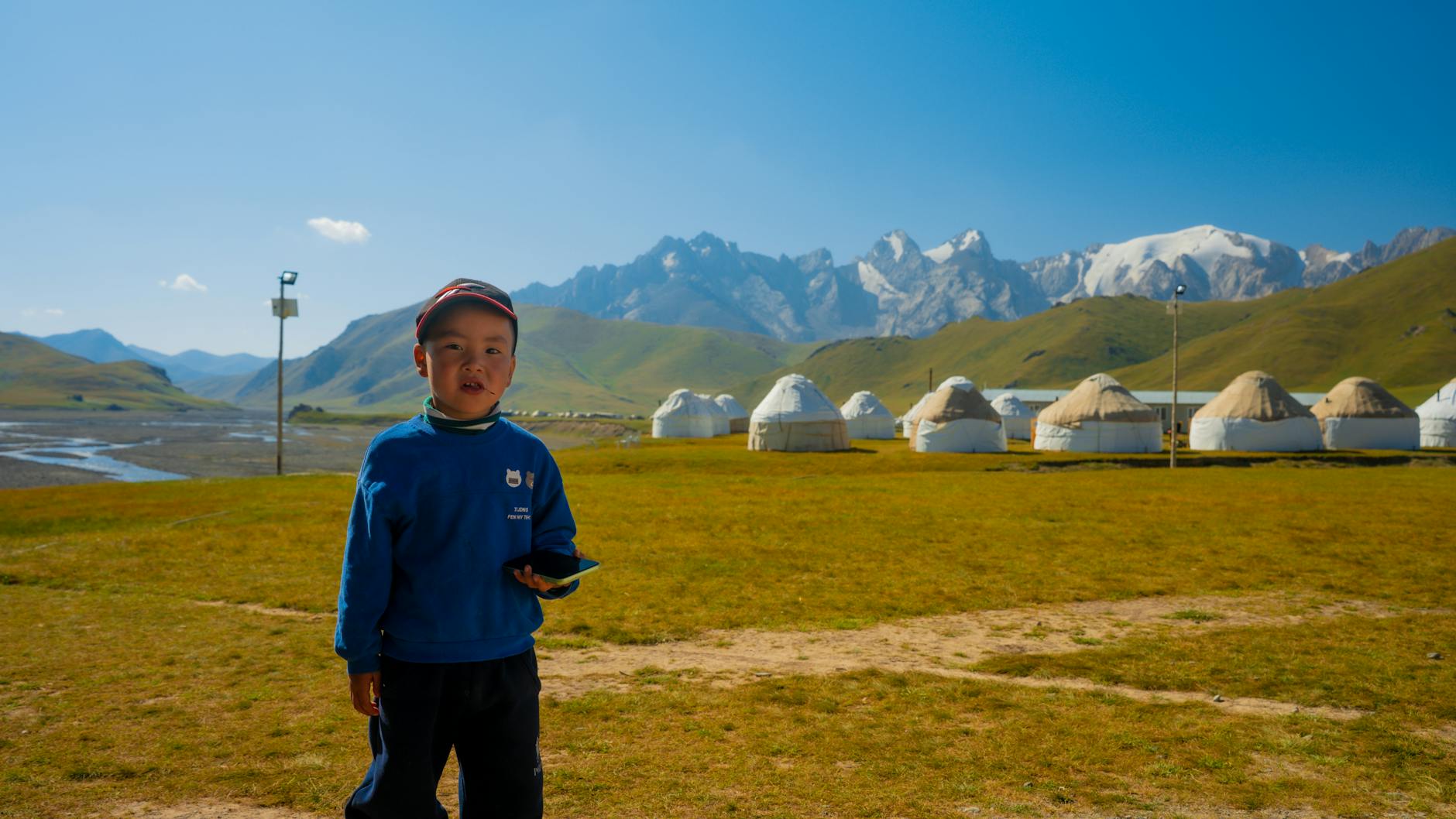
These cultural exchanges benefit both visitors and host families. International guests bring fresh perspectives on traditional practices while contributing to family income through program fees. Many herding families report increased pride in their traditional lifestyle after hosting international visitors who demonstrate genuine appreciation for their skills and knowledge.
Sustainable Tourism and Community Benefits
The herding experience programs operate on principles similar to successful community tourism initiatives worldwide. Like traditional houseboat cooking classes that have revitalized Kerala’s backwaters tourism, these Mongolian programs direct tourism revenue directly to local communities while preserving cultural authenticity.
Program coordinators work closely with herding families to establish fair compensation structures and visitor guidelines that respect traditional practices. Families retain complete control over their participation level and can opt out during sensitive periods like spring birthing season or extreme weather events.
Environmental education plays a central role in these experiences. Participants learn about desertification challenges facing the Gobi region and traditional conservation practices that help maintain ecological balance. Many herding families demonstrate water conservation techniques and sustainable grazing methods that prevent grassland degradation.
The programs also address climate change impacts on traditional herding lifestyles. Visitors observe firsthand how changing weather patterns affect seasonal migrations and grazing availability, gaining deeper understanding of environmental challenges facing nomadic communities worldwide.
Booking and Practical Considerations
These herding experiences operate through a network of community coordinators based in Ulaanbaatar and regional centers like Dalanzadgad. Bookings require advance planning, typically three to six months ahead, as programs depend on seasonal migration patterns and family availability.
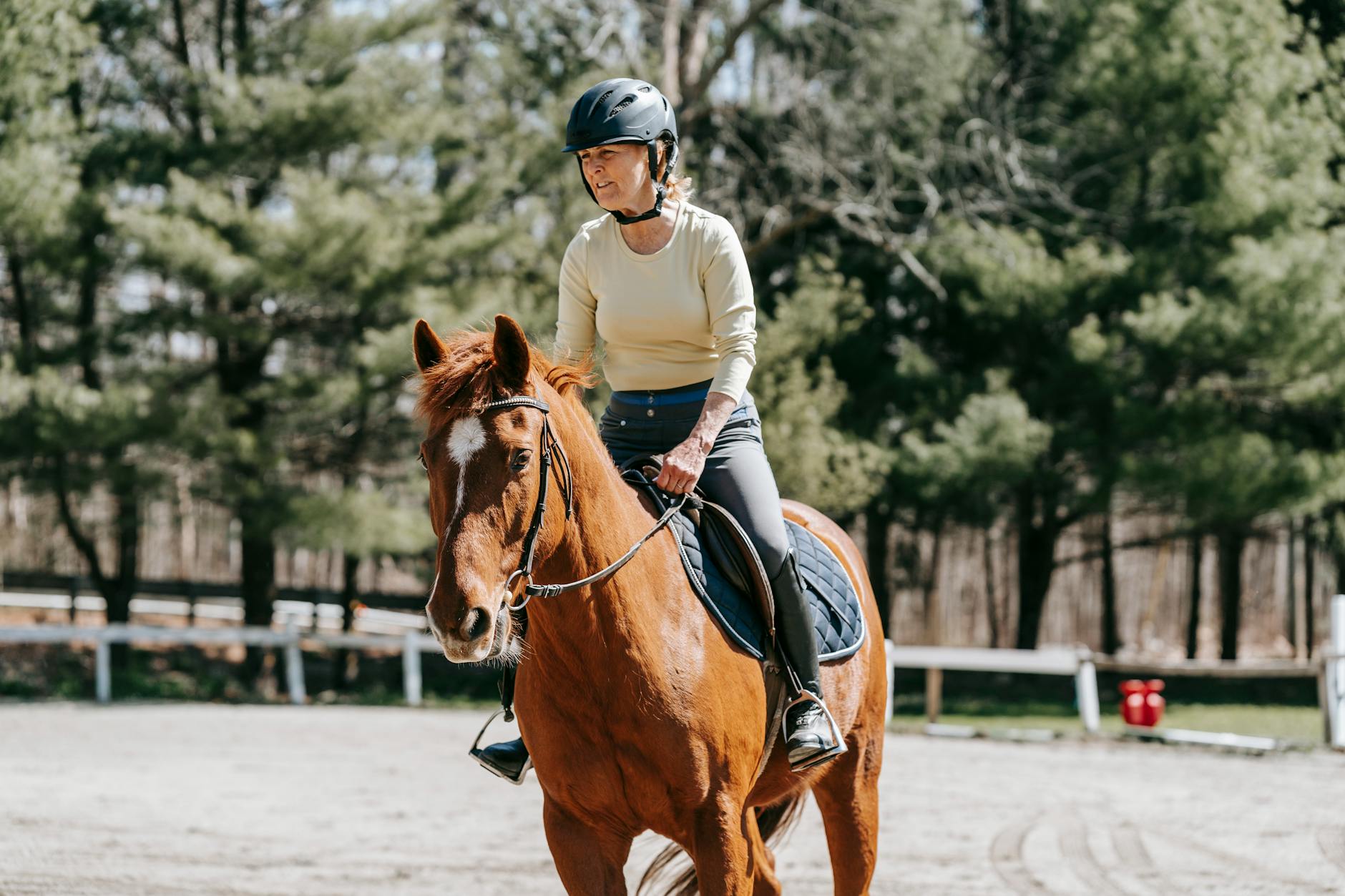
Participants need basic physical fitness for daily herding activities, which can involve long hours outdoors and physically demanding work. Programs provide traditional Mongolian clothing and equipment, but visitors should prepare for extreme temperature variations typical of desert environments.
Accommodations consist of traditional gers shared with host families, providing authentic cultural immersion but limited privacy. Meals feature traditional herding family cuisine heavy on dairy products and meat, with limited vegetarian options available.
These nomadic herding programs represent a growing trend toward authentic cultural tourism that benefits local communities while preserving traditional lifestyles. As international interest in sustainable travel experiences continues expanding, Mongolia’s Gobi Desert herding programs offer a model for community-based tourism that maintains cultural integrity while providing meaningful cross-cultural exchange.
The success of these initiatives could inspire similar programs across Central Asia’s nomadic regions, creating sustainable income opportunities for traditional communities while offering travelers unprecedented access to authentic cultural experiences. For the Gobi’s herding families, these programs provide a pathway to economic stability while maintaining their ancestral connection to the desert landscape.
Frequently Asked Questions
How long do nomadic herding experience programs last?
Programs typically run from three to ten days, depending on seasonal activities and visitor preferences.
What activities are included in herding experiences?
Participants help with daily herding tasks, learn traditional crafts, practice horseback riding, and join family meals and cultural activities.