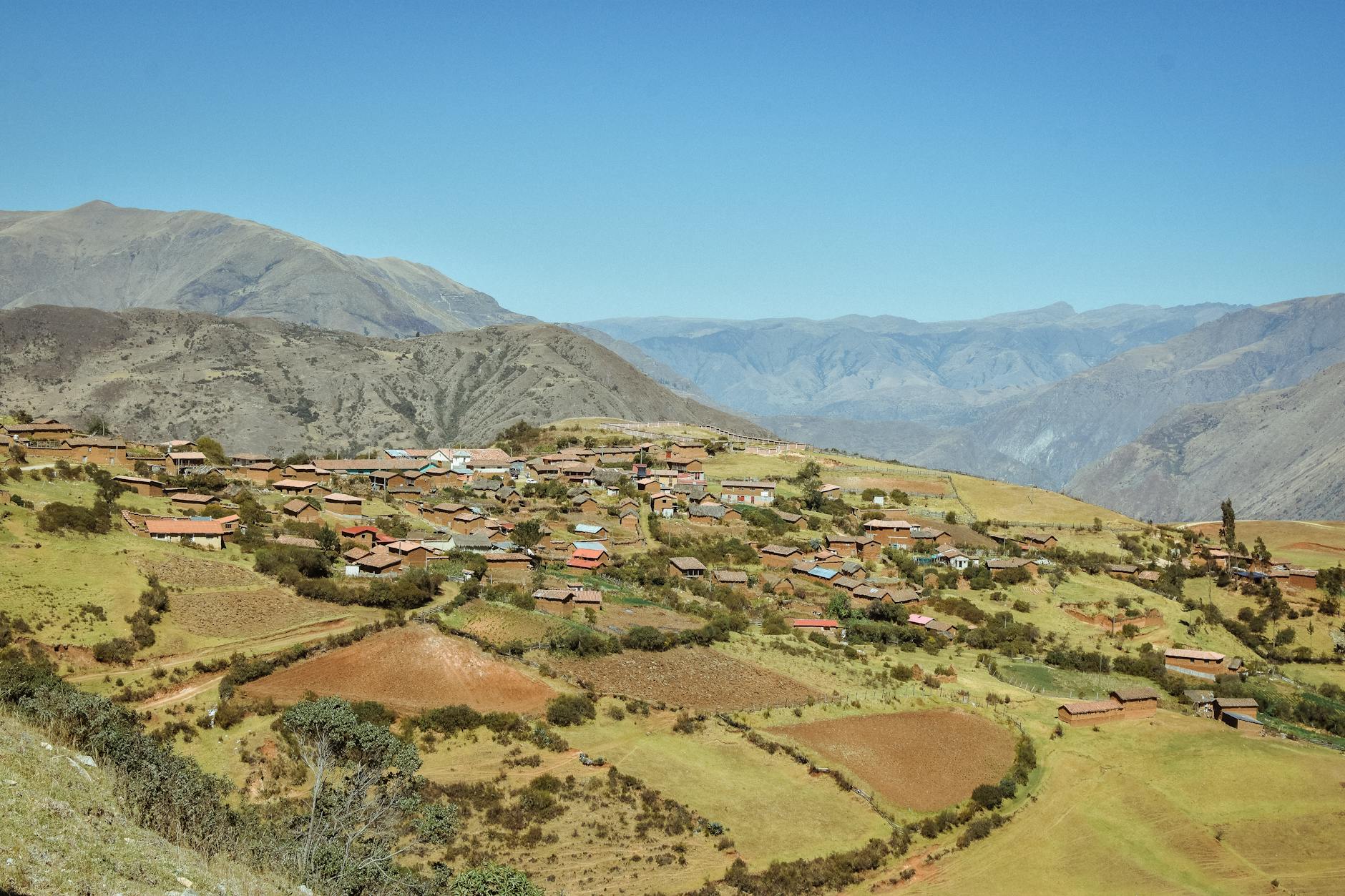

The High Atlas Mountains of Morocco have quietly launched their most ambitious cultural tourism initiative yet. Starting this month, traditional Berber villages across the region are opening their doors to international travelers through carefully curated homestay programs that promise authentic immersion into North Africa’s indigenous mountain culture.
The program represents a significant shift from Morocco’s typical tourist offerings. While coastal cities like Marrakech and Casablanca have dominated the country’s tourism landscape for decades, these new homestays place visitors directly into the daily rhythms of Amazigh communities that have inhabited these peaks for over 2,000 years. Local families in villages such as Imlil, Aroumd, and Setti Fatma are now welcoming guests into their traditional stone houses, sharing meals prepared with ingredients grown in terraced gardens that cling to mountainsides at elevations exceeding 8,000 feet.
Living Among the Clouds: What to Expect
The homestay experience centers on genuine cultural exchange rather than performative tourism. Guests wake before dawn to help tend to goat herds, learn traditional bread-making techniques in clay ovens, and participate in the harvest of walnuts, almonds, and barley that form the backbone of mountain agriculture. Village women teach visitors to weave carpets using techniques passed down through generations, while men share knowledge of traditional construction methods used to build homes that withstand both scorching summers and snow-laden winters.
Accommodations vary by village but typically include sleeping arrangements in family guest rooms furnished with handwoven rugs and low wooden tables. Meals feature tagines prepared with vegetables grown in family gardens, fresh goat cheese, and the ubiquitous mint tea served throughout the day. Many families speak Tamazight, Arabic, and basic French or English, creating opportunities for genuine linguistic and cultural exchange.
The program operates through partnerships between individual families and local cooperatives, ensuring that tourism revenue flows directly to mountain communities. Pricing ranges from approximately 200 to 400 Moroccan dirhams per person per night, including all meals and activities, making it accessible to budget-conscious travelers while providing meaningful income to host families.
Beyond Tourism: Economic Impact on Remote Communities
The homestay initiative addresses long-standing economic challenges facing Berber communities. Traditional livelihoods based on agriculture and livestock face increasing pressure from climate change, with irregular rainfall patterns affecting crop yields and grazing lands. Young people have been migrating to cities at alarming rates, leaving elderly residents to maintain traditional ways of life.
Tourism revenue from the homestay program is already making measurable differences. Families report using earnings to improve water access, purchase solar panels for electricity, and fund children’s education. Several villages have used collective tourism income to upgrade traditional irrigation systems and restore historic buildings that serve as community gathering spaces.
The success builds on Morocco’s broader push toward sustainable tourism development. Similar community-based tourism initiatives have emerged across North Africa and Southeast Asia, with programs like Vietnam’s Mekong Delta culinary tours demonstrating how authentic cultural experiences can provide alternative income streams for rural communities.
Navigating Mountain Culture: Practical Considerations
Travelers considering these homestays should prepare for significant cultural and physical adjustments. The High Atlas climate can be extreme, with temperature swings from freezing nights to hot days even in summer months. Basic amenities like consistent electricity and hot water may be limited, though most host families have made accommodations for guest comfort.
Respect for local customs is essential. Berber communities maintain traditional Islamic practices alongside pre-Islamic Amazigh customs, creating unique cultural protocols. Guests are expected to dress modestly, participate respectfully in daily prayers if invited, and understand that alcohol is not available in these conservative mountain communities.
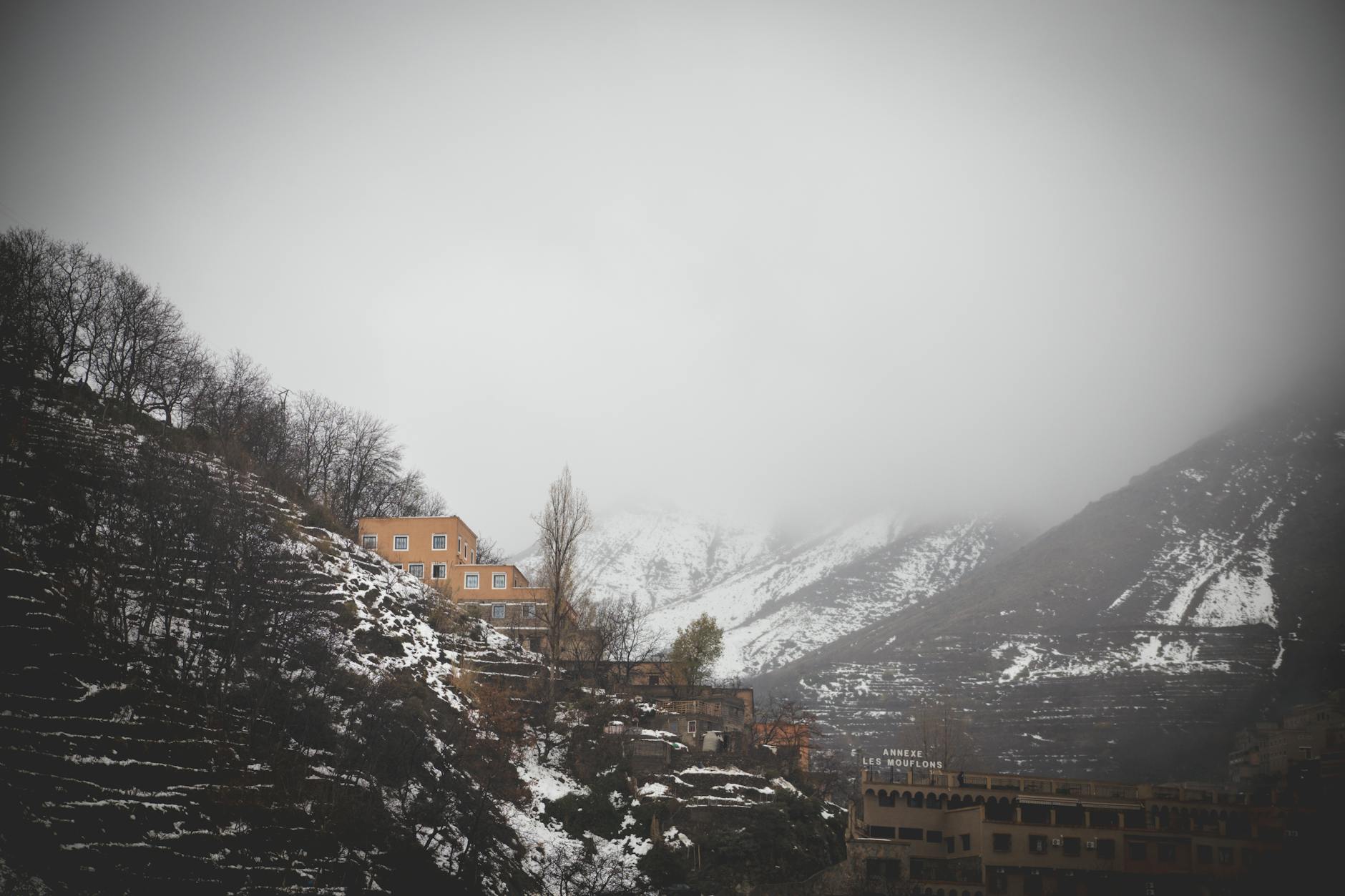
Physical fitness requirements shouldn’t be underestimated. Many villages require hiking at altitude to reach, and daily activities involve considerable walking on steep, rocky terrain. The experience rewards those prepared for rustic conditions with access to some of the most spectacular mountain scenery in North Africa, including views of Toubkal, the highest peak in the Atlas range.
Communication often involves creative combinations of languages and gestures, though many host families are eager to teach basic Tamazight phrases to curious guests. The linguistic diversity reflects the complex cultural heritage of these communities, who maintain their indigenous identity while participating in Morocco’s Arabic-speaking national culture.
The Future of Mountain Tourism
Early responses to the homestay program suggest strong potential for expansion. International visitors from Europe, North America, and other parts of Africa have provided positive feedback about the authenticity and educational value of their experiences. Social media posts from participants showcase not just scenic mountain vistas but genuine moments of cultural connection – sharing meals with three-generation families, learning traditional songs, and participating in seasonal celebrations.
The program’s success could influence similar initiatives across the Atlas range and other mountainous regions of North Africa. Morocco’s tourism ministry has expressed interest in scaling community-based tourism models that preserve cultural heritage while providing economic opportunities for remote areas.
As international travel increasingly prioritizes meaningful experiences over passive consumption, Morocco’s mountain homestays offer something increasingly rare in modern tourism: genuine cultural immersion without exploitation. The program stands as a model for how traditional communities can share their heritage on their own terms while building sustainable economic futures.
For travelers seeking alternatives to crowded tourist destinations, the Atlas Mountains homestay program provides access to one of the world’s most resilient and fascinating cultures, set against some of the most dramatic landscapes on Earth.
Frequently Asked Questions
What is included in Atlas Mountains homestay programs?
Programs include accommodation, all meals, cultural activities like bread-making and weaving, and participation in daily village life with local families.
How physically demanding are these homestays?
Moderate fitness is required due to high altitude hiking and daily activities on steep terrain, though experiences are suitable for most travelers.