Morocco’s Atlas Mountains Launch High-Altitude Hiking Lodges for Winter Tourism

Morocco’s High Atlas Mountains have opened their first network of high-altitude winter hiking lodges, transforming one of North Africa’s most challenging mountain ranges into a year-round adventure destination. The initiative marks a significant shift in Morocco’s tourism strategy, targeting winter travelers seeking alternatives to crowded European ski resorts.
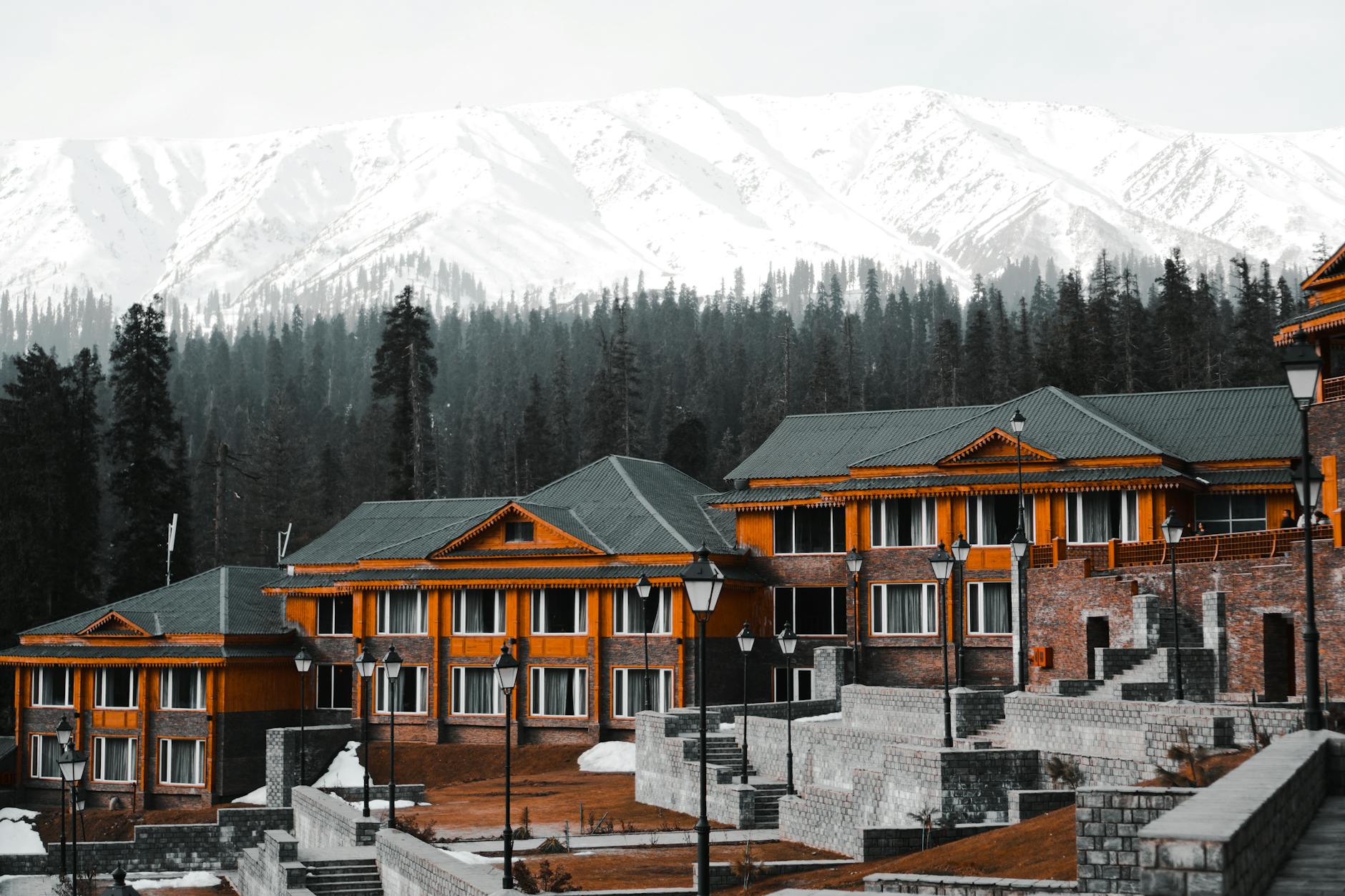
The Atlas Mountain Development Authority launched six luxury eco-lodges positioned between 2,800 and 3,500 meters above sea level across the Toubkal region. These accommodations feature traditional Berber architecture with modern heating systems, allowing visitors to experience authentic mountain culture while staying comfortable during Morocco’s surprisingly cold winter months.
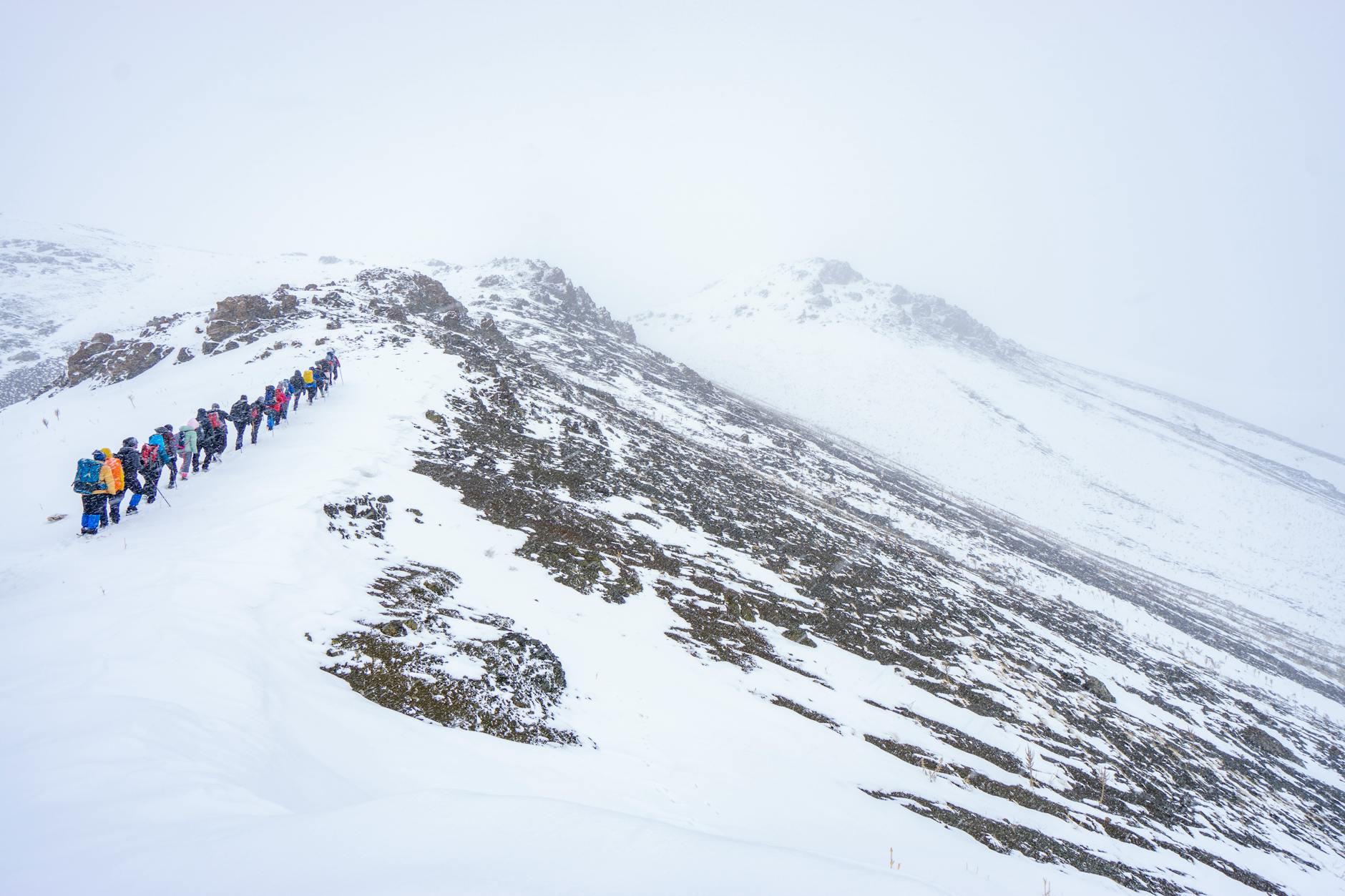
Winter temperatures in the High Atlas regularly drop below freezing, with snow covering peaks from December through March. The region receives an average of 60 centimeters of snowfall annually, creating ideal conditions for snowshoeing, winter hiking, and high-altitude trekking that few international tourists previously knew existed.
Strategic Positioning for Adventure Tourism
Each lodge accommodates 20-30 guests in traditional stone and cedar construction, incorporating solar heating and locally-sourced materials. The facilities target experienced hikers and mountaineers seeking technical winter climbs, as well as leisure travelers interested in cultural immersion with Berber communities.
The lodges connect through a network of marked winter trails spanning 150 kilometers, with varying difficulty levels from moderate day hikes to multi-day technical ascents toward Jebel Toubkal, North Africa’s highest peak at 4,167 meters. Professional mountain guides, many from local Berber families, lead excursions and provide safety equipment including crampons and cold-weather gear.
Morocco’s tourism ministry reports that winter visitor numbers to the Atlas region increased 340% over the past two years, primarily driven by European travelers seeking unique mountain experiences. The country aims to capture winter tourism revenue traditionally flowing to Alpine destinations, particularly from France, Germany, and the United Kingdom.
Cultural Integration and Local Economy
The lodge network employs over 200 local residents as guides, cooks, and hospitality staff, providing year-round income to communities previously dependent on seasonal summer trekking. Each facility sources food and crafts from surrounding Berber villages, creating economic opportunities in one of Morocco’s most remote regions.
Traditional tagine cooking adapts to high-altitude conditions, with lodge kitchens featuring specialized equipment for baking bread and preparing hot meals in thin air. Guests experience authentic Berber hospitality including tea ceremonies, traditional music performances, and storytelling sessions conducted in heated common areas.
The lodges partner with local cooperatives producing handwoven textiles, pottery, and silver jewelry, offering guests direct access to artisan workshops. This model supports traditional crafts while providing tourists with authentic cultural experiences beyond standard hiking activities.
Technical Challenges and Safety Measures
Operating accommodations at extreme altitude presents unique logistical challenges. Supplies reach lodges via mule trains and all-terrain vehicles during favorable weather, with emergency provisions stored for winter storms that can isolate facilities for several days.
Each lodge maintains satellite communication systems and emergency medical supplies, with evacuation protocols established for altitude sickness or severe weather events. Staff receive wilderness first aid certification and cold-weather rescue training through partnerships with European mountain rescue organizations.
Weather monitoring stations provide real-time conditions across the trail network, with digital alerts sent to guest mobile devices regarding sudden weather changes. The system integrates with Morocco’s national meteorological service to ensure accurate forecasting for high-altitude activities.
Similar high-altitude winter tourism initiatives have emerged globally, with Alaska’s Northern Lights Tourism Booms as Solar Activity Peaks demonstrating how unique natural phenomena drive winter travel demand in remote locations.
Environmental Sustainability and Future Expansion
The lodge network operates under strict environmental protocols, including waste water treatment systems designed for high-altitude conditions and solar power generation supplemented by wind turbines. Construction used traditional building techniques that minimize environmental impact while providing necessary insulation for winter conditions.
Water conservation measures include rainwater collection systems and efficient heating that reduces fuel consumption. The facilities follow Leave No Trace principles, with designated camping areas and trail maintenance programs involving local communities in environmental stewardship.
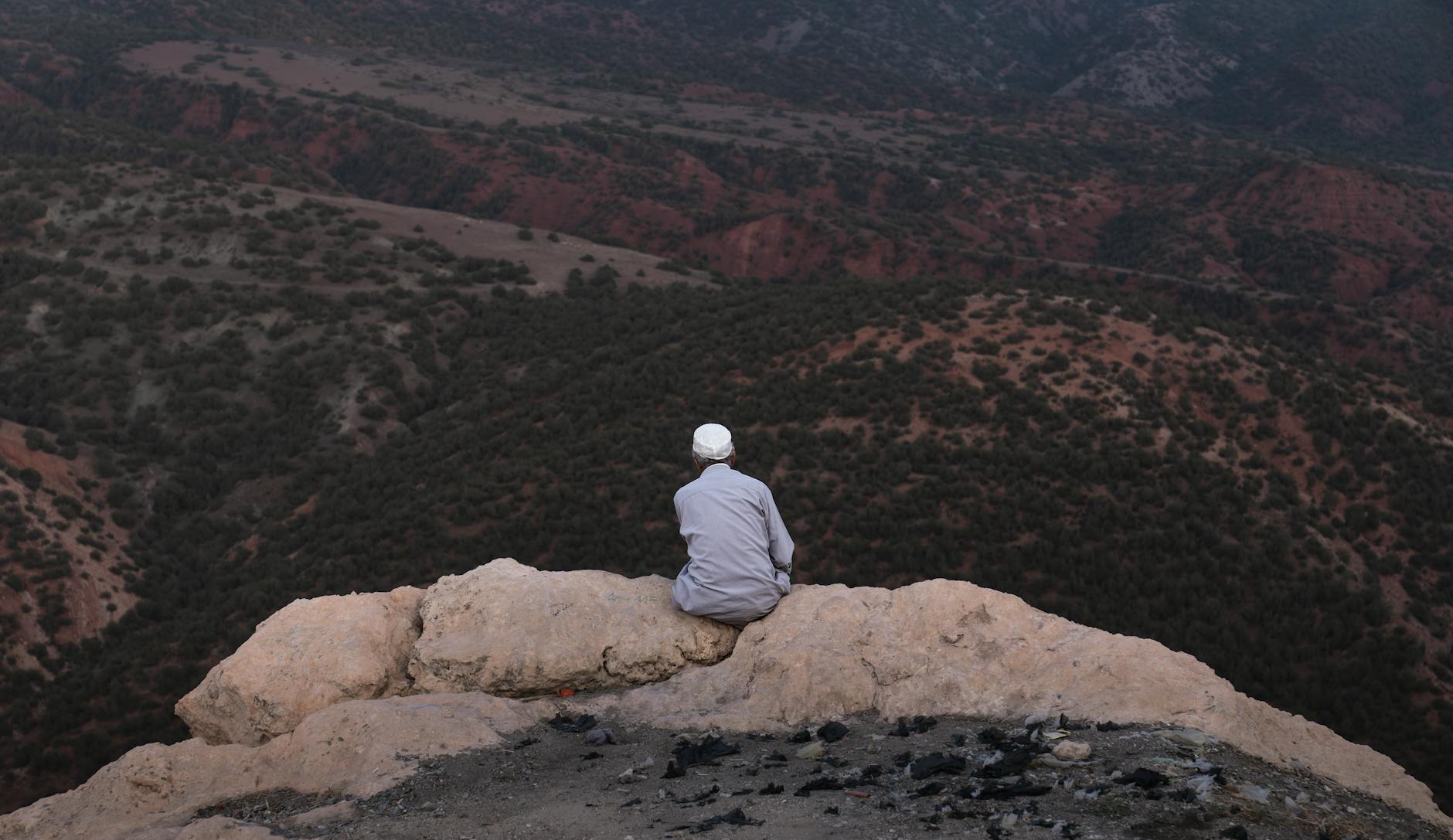
Plans for expansion include three additional lodges scheduled to open in winter 2025, extending the network toward the M’Goun Massif and creating longer multi-day trekking circuits. The development authority explores partnerships with international adventure travel companies to increase European and North American visitor numbers.
Morocco’s High Atlas winter lodge network represents a significant evolution in mountain tourism, offering authentic cultural experiences combined with serious high-altitude adventure. As travelers increasingly seek unique destinations beyond traditional winter sports locations, these facilities position Morocco as a major player in adventure tourism’s growing winter market. The success of this initiative could inspire similar high-altitude developments across North Africa’s mountain regions, fundamentally changing perceptions of winter travel possibilities in traditionally warm-weather destinations.
Frequently Asked Questions
When is the best time to visit Morocco’s Atlas Mountain winter lodges?
December through March offers the best snow conditions and winter hiking weather in the High Atlas Mountains.
What altitude are the Atlas Mountain hiking lodges located at?
The lodges are positioned between 2,800 and 3,500 meters above sea level across the Toubkal region.