
The thin air at 17,598 feet just got a little warmer. Nepal’s iconic Everest Base Camp trek now features luxury tea houses equipped with radiant heated floors, transforming one of the world’s most challenging hiking experiences into a surprisingly comfortable adventure.
The Everest region’s tea house network has undergone a quiet revolution over the past two years. What once meant sleeping in basic lodges with minimal heating now includes accommodations that rival mountain resorts in the Alps. The upgrade addresses a longstanding complaint from trekkers who endured freezing nights in sleeping bags, often waking to ice-crusted water bottles and numb fingers.
High-Altitude Hospitality Revolution
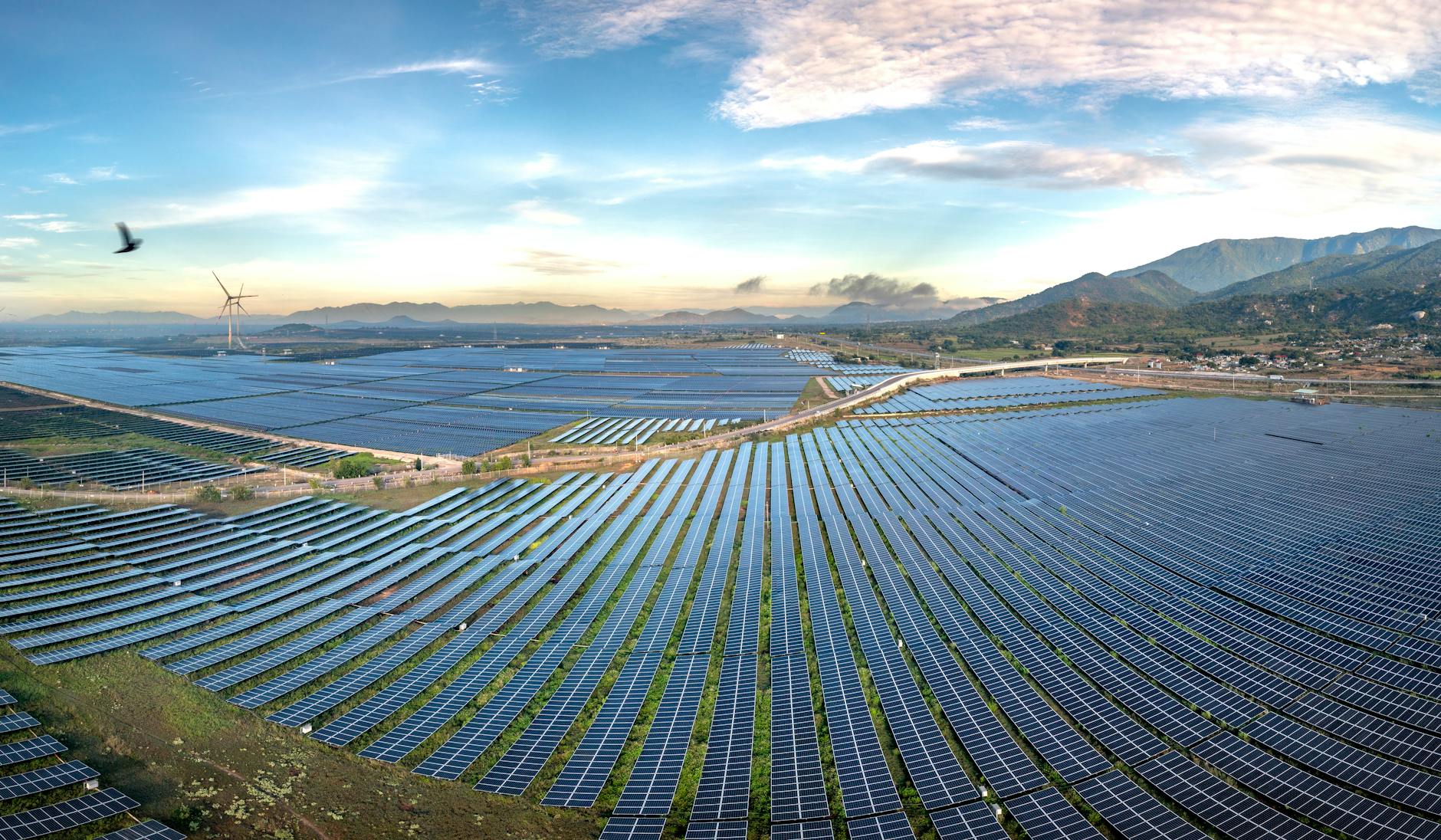
The heated floor technology represents a significant infrastructure achievement at extreme altitude. Local operators partnered with Kathmandu-based engineering firms to install solar-powered radiant heating systems that warm floors throughout the night. The systems operate on battery storage charged during daylight hours, making them sustainable even during Nepal’s harsh winter months.
Tea houses in Namche Bazaar, Tengboche, and Dingboche now feature these heated common areas and sleeping quarters. The upgrade extends beyond mere comfort – medical experts note that maintaining body temperature reduces altitude sickness symptoms and improves sleep quality, crucial factors for successful acclimatization.
“We’re seeing fewer cases of severe cold-related issues,” reports Dr. Mingma Sherpa, who runs a medical clinic in Namche Bazaar. “When trekkers sleep better, they handle altitude changes more effectively.”
The improvements come as Nepal positions itself to capture more of the high-end adventure tourism market. Similar luxury upgrades have transformed trekking experiences in neighboring regions, including Bhutan’s newly opened hiking trails, where premium amenities attract affluent outdoor enthusiasts.
Technology Meets Tradition
Installing modern heating systems at base camp elevation posed unique challenges. Equipment had to be transported by helicopter or yak train, with solar panels and battery units carried in pieces and assembled on-site. The engineering teams worked during brief weather windows, often facing sudden storms and temperature drops below -20°F.
The heated tea houses maintain traditional Sherpa architecture while incorporating modern amenities. Guests still gather around central fireplaces for meals and evening conversations, but retire to warm floors instead of icy sleeping areas. The contrast between exterior conditions and interior comfort creates an almost surreal experience for trekkers accustomed to mountain hardship.
Local Sherpa communities initially expressed concern about losing the authentic “roughing it” experience that defines Everest trekking. However, the upgrades have increased visitor satisfaction ratings and extended the trekking season, providing more stable income for mountain communities.
“Our guests stay longer, eat more meals, and recommend us to friends,” explains Pemba Sherpa, who operates three tea houses along the route. “The heated floors don’t change the mountain challenge – they just make recovery possible.”
Economic Impact and Visitor Response
The luxury tea house network has shifted Everest Base Camp trekking demographics. Previously dominated by budget backpackers willing to endure harsh conditions, the route now attracts older hikers, families, and professionals seeking adventure without extreme discomfort. Booking rates have increased 40% since the heated accommodations became widely available.
Premium pricing reflects the enhanced experience. Heated tea house stays cost $25-35 per night compared to $8-15 for basic accommodations. Despite higher costs, occupancy rates exceed 90% during peak seasons, indicating strong demand for comfortable high-altitude lodging.
The success has inspired similar upgrades throughout Nepal’s trekking regions. The Annapurna Circuit and Manaslu routes are implementing comparable heating systems, creating a network of comfortable mountain accommodations across the Himalayas.
Sustainability and Future Expansion
The solar-powered heating systems align with Nepal’s commitment to sustainable mountain tourism. Each tea house generates enough renewable energy to power heating, lighting, and device charging without relying on diesel generators or firewood. The technology reduces environmental impact while improving visitor experience.
Plans for 2024 include expanding heated accommodations to higher elevations, potentially reaching Lobuche and Gorak Shep at over 16,000 feet. If successful, these installations would create the world’s highest network of heated mountain lodging.
The Everest region’s transformation reflects broader changes in adventure tourism, where comfort and challenge increasingly coexist. Like luxury safari camps that bring five-star amenities to remote wilderness, Nepal’s heated tea houses prove that authentic experiences don’t require suffering through preventable hardships.
The next phase involves integrating Wi-Fi networks and improved bathroom facilities while preserving the essential character of Himalayan trekking. For now, the simple pleasure of warm floors at the roof of the world represents a perfect balance between modern comfort and mountain adventure.
Frequently Asked Questions
How much do heated tea houses cost at Everest Base Camp?
Heated tea house accommodations cost $25-35 per night, compared to $8-15 for basic lodging.
How do the heated floors work at high altitude?
Solar-powered radiant heating systems charge during daylight and warm floors through battery-stored energy overnight.