Norway’s Arctic Cathedral Concerts Draw Musicians from Around the World This Winter

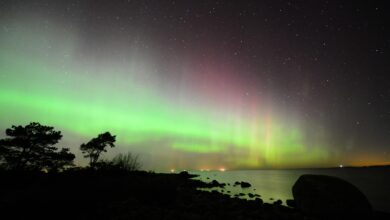
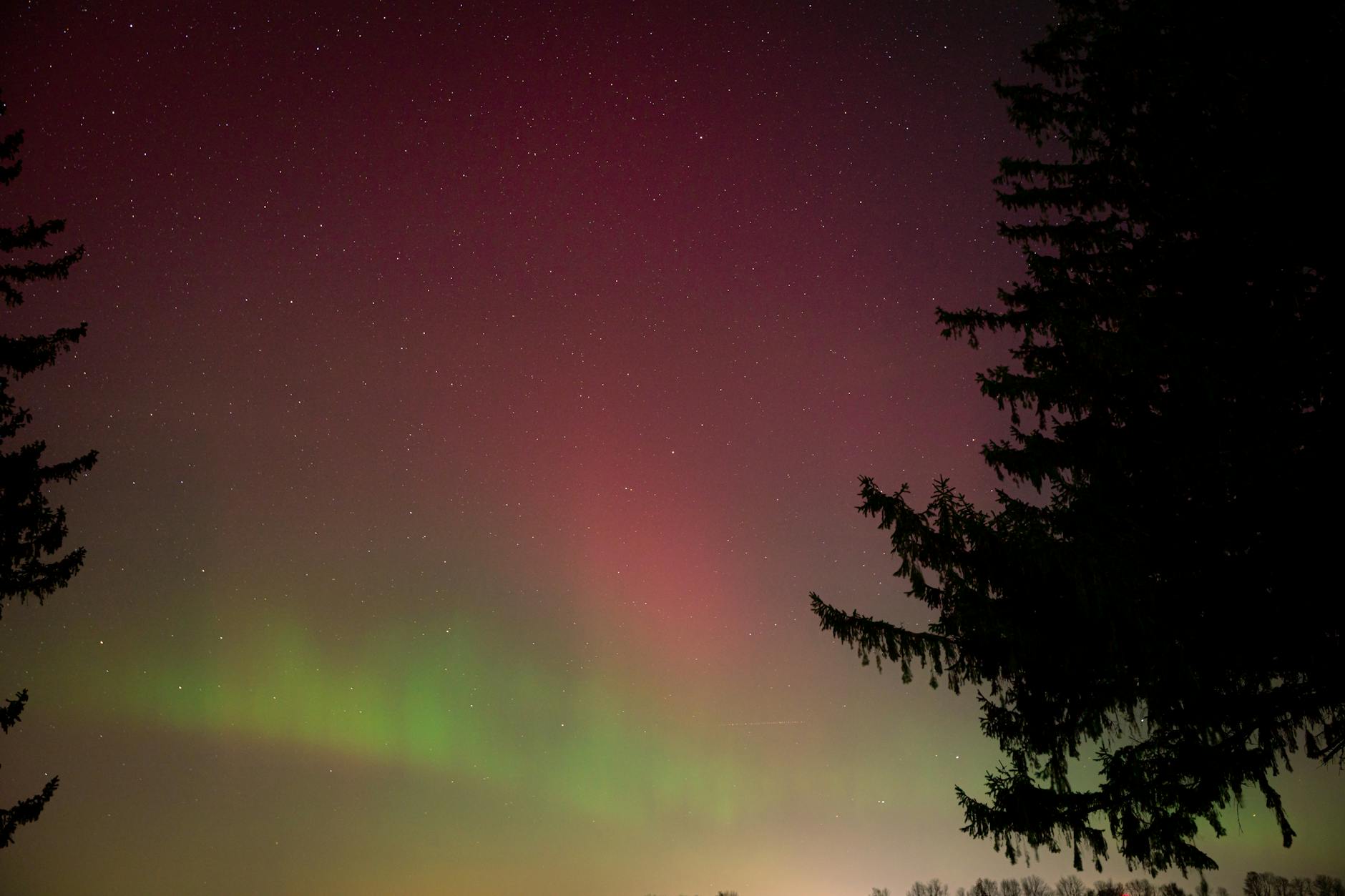
Musicians from six continents are converging on Norway’s northernmost cathedrals this winter, transforming these sacred Arctic spaces into concert venues that offer audiences an experience impossible to replicate anywhere else on Earth. The combination of midnight sun acoustics, traditional Sami architecture, and the ethereal backdrop of the aurora borealis has created what many performers describe as the most spiritually moving venue of their careers.
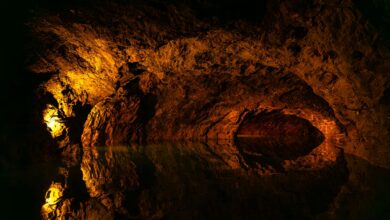
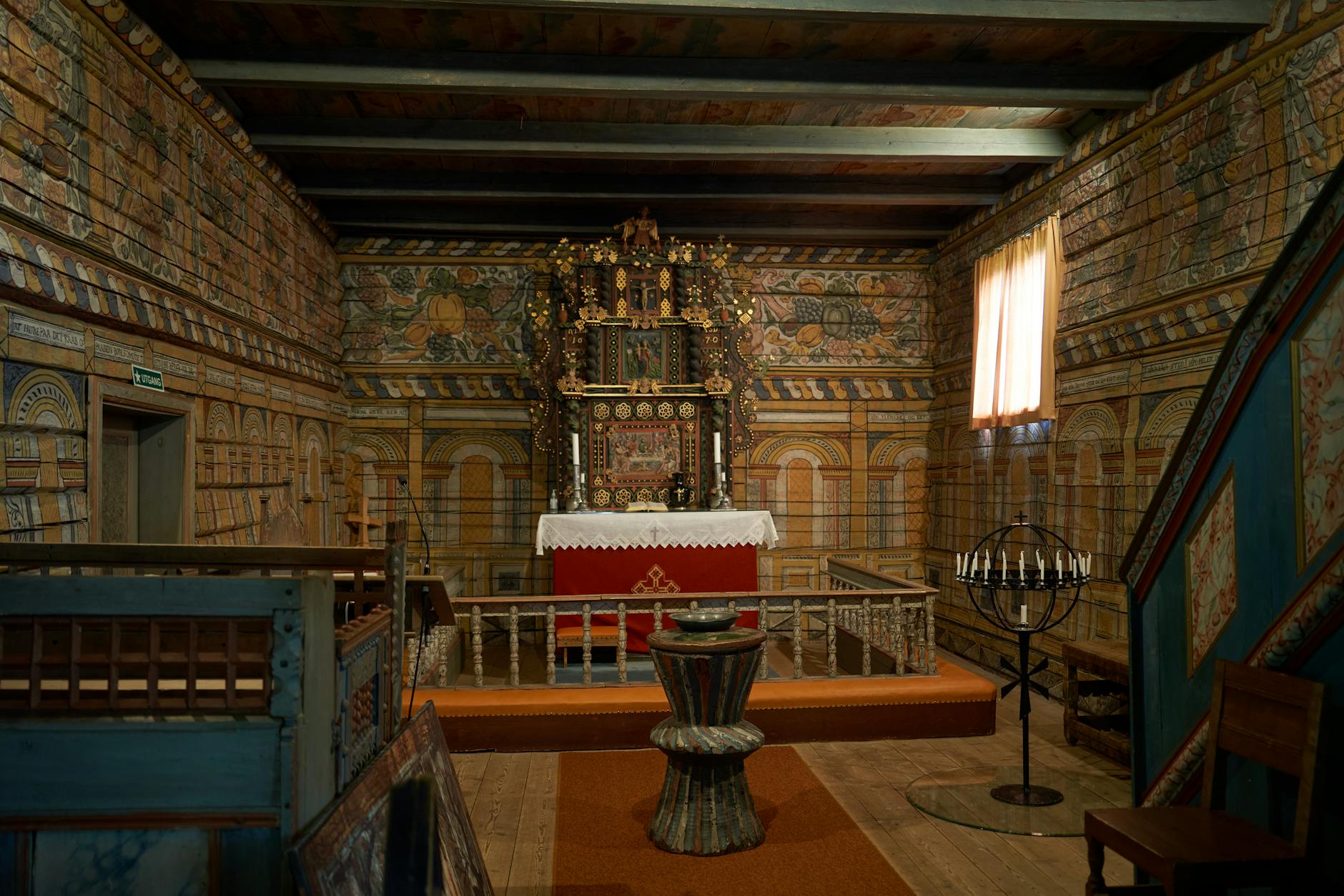
The Arctic Cathedral Concert Series, launched five years ago in Tromsø’s iconic triangular cathedral, has expanded to include historic wooden stave churches across Finnmark and Nordland counties. These venues, some dating back to the 12th century, provide natural reverb chambers that enhance everything from classical symphonies to contemporary folk music. The series now attracts over 15,000 visitors annually during the winter months, with concerts selling out within hours of ticket releases.
World-Class Artists Embrace the Challenge
Grammy-winning cellist Yo-Yo Ma performed at Alta’s Northern Lights Cathedral in January, describing the experience as “transcendent” during his post-concert interview with Norwegian Broadcasting. The venue’s positioning within the aurora oval meant audiences witnessed the northern lights dancing above the cathedral’s glass ceiling while Ma performed Bach’s Cello Suites.
Icelandic composer Ólafur Arnalds has become a regular fixture, premiering three new compositions specifically written for Arctic cathedral acoustics. His piece “Polar Resonance” uses the natural echo chambers of Hammerfest’s stone cathedral to create layered soundscapes that seem to emerge from the building itself. Arnalds reports that the extreme cold affects string tension and piano tuning in ways that actually enhance the haunting quality of his minimalist compositions.
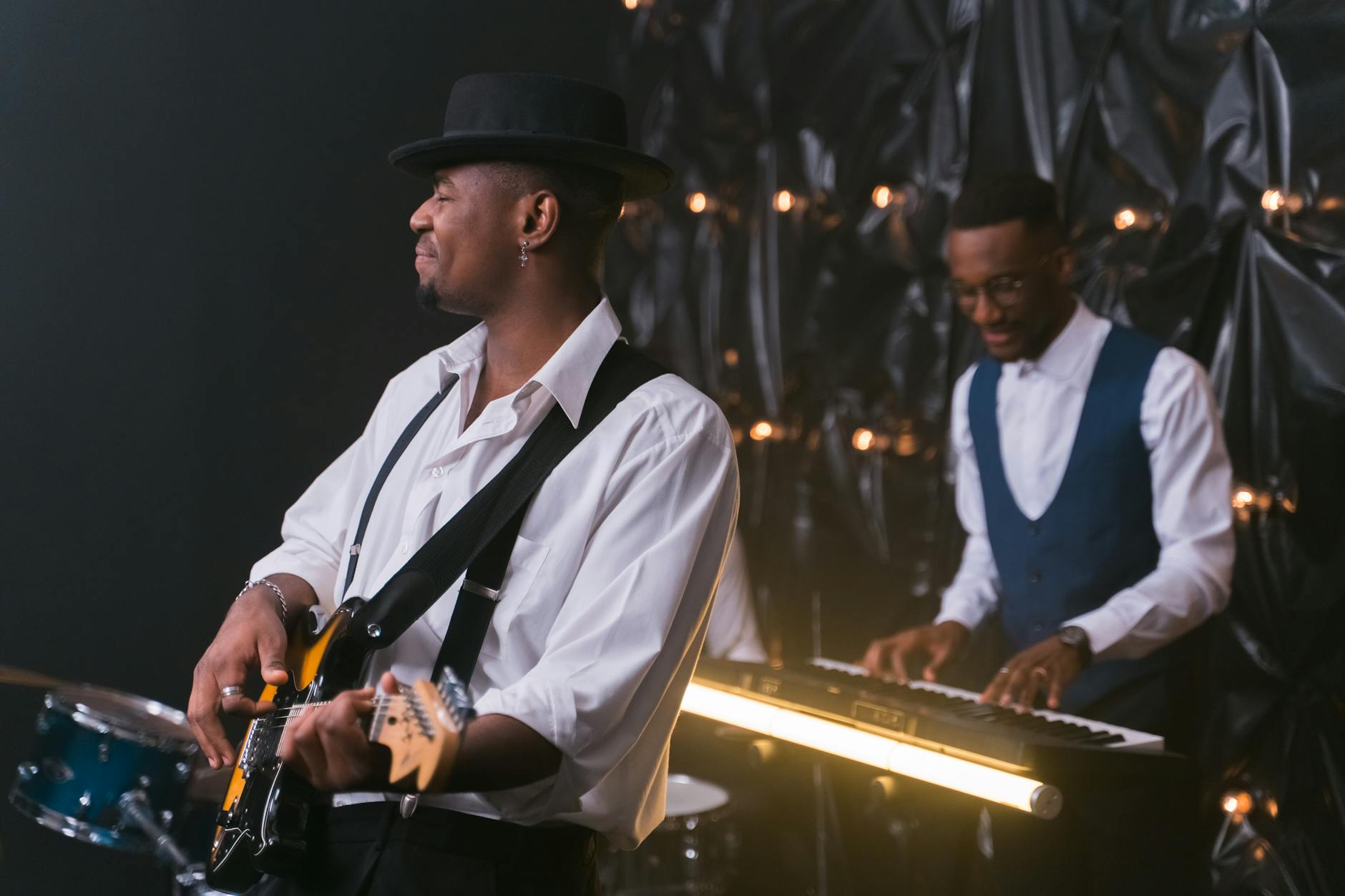
Norwegian jazz pianist Tord Gustavsen, who grew up in the Arctic region, initiated collaborations between international artists and local Sami musicians. These fusion performances incorporate traditional joik singing with contemporary instrumentation, creating sounds that audiences describe as both ancient and futuristic. The concerts have featured artists from Japan, Brazil, and South Africa, all learning to adapt their musical styles to the unique acoustic properties of these northern venues.
Logistics That Test Even Seasoned Touring Musicians
Performing in temperatures that regularly drop below -20°F presents challenges that most concert venues never encounter. Instruments require special handling and acclimatization periods before performances. String instruments need up to six hours to adjust to the temperature changes, while electronic equipment requires custom heating systems to prevent condensation and component failure.
Transportation logistics rival those of polar expeditions. Many venues are accessible only by snowmobile or specialized Arctic vehicles during winter months. The new Arctic train route connecting remote villages has made some locations more accessible, allowing musicians to reach previously impossible venues while carrying delicate instruments safely.
Musicians and their crews often stay in traditional Sami lavvu tents or ice hotels between performances, creating an immersive Arctic experience that influences their artistic interpretation. Violinist Hilary Hahn posted on social media about practicing scales while watching reindeer graze outside her ice hotel window, calling it “the most surreal preparation I’ve ever done for a concert.”
Audiences Travel Thousands of Miles for These Performances
Concert attendees arrive from around the globe, with many combining the musical experience with broader Arctic tourism. Hotels in Tromsø and Alta report that 70% of their winter bookings now include visitors specifically attending cathedral concerts. The experience packages often include dog sledding, reindeer herding with local Sami families, and aurora photography workshops.
Japanese tourists make up the largest international audience segment, with charter flights arranged specifically for major concert weekends. The combination of musical performance and potential aurora viewing creates what tourism officials call “cultural astronomy” – an experience that appeals to both music lovers and northern lights enthusiasts.
Local communities have embraced their role as hosts for these international cultural exchanges. Residents of small Arctic villages, some with populations under 500, now regularly welcome world-renowned musicians and international audiences. The economic impact extends beyond hotels and restaurants to include local artisans selling traditional crafts and offering cultural experiences that complement the musical performances.
The Science Behind Arctic Acoustics
Researchers from the Norwegian University of Science and Technology have been studying why Arctic cathedral acoustics create such unique sound environments. The extreme cold increases air density, affecting how sound waves travel and creating longer reverb times than similar structures in warmer climates. Additionally, the aurora borealis itself generates low-frequency electromagnetic waves that some sensitive listeners report feeling during outdoor portions of performances.
The wooden stave churches, built using traditional Viking-era techniques, create resonance chambers that amplify certain frequencies while dampening others. This natural acoustic filtering enhances the emotional impact of both vocal and instrumental performances, according to acoustic engineers who have measured sound patterns during live concerts.
Several venues have installed specialized recording equipment to capture these unique acoustic signatures. The recordings are being used to develop virtual acoustic environments that could recreate Arctic cathedral sound in conventional concert halls worldwide, though musicians insist nothing replaces the authentic experience.
As climate change affects Arctic accessibility and traditional building preservation becomes increasingly important, these concert series represent both cultural celebration and urgent documentation. Organizers are expanding to include summer midnight sun concerts, creating year-round programming that showcases how these historic venues perform across seasonal extremes.
The 2024 winter season promises the most ambitious programming yet, with the Oslo Philharmonic planning a month-long Arctic residency and talks underway with the Vienna Boys’ Choir for a special Christmas series. These developments signal that Norway’s Arctic cathedrals are becoming permanent fixtures on the international classical music circuit, offering experiences that traditional concert halls simply cannot match.
Frequently Asked Questions
When do Arctic cathedral concerts take place in Norway?
The main concert season runs from November through March, taking advantage of the polar night and aurora borealis visibility.
How do musicians handle instruments in extreme Arctic cold?
Instruments require 6-hour acclimatization periods and special heating systems, while string tensions are adjusted for the cold climate effects.