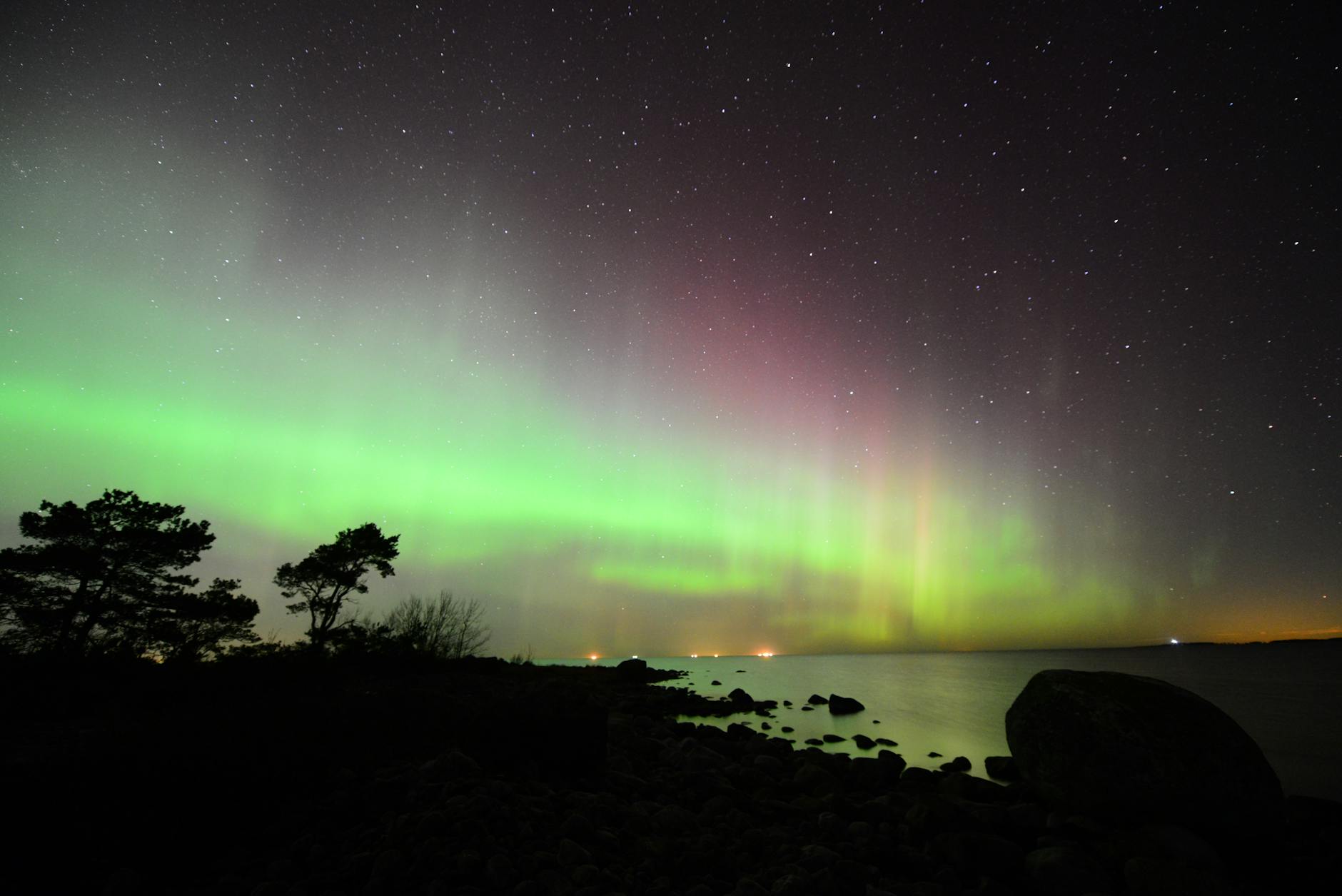

The Arctic Circle’s most dramatic archipelago has launched an ambitious program to capture winter’s most elusive phenomenon. Norway’s Lofoten Islands, already renowned for their towering peaks rising directly from the sea, now offer specialized aurora photography workshops designed for both amateur enthusiasts and professional photographers seeking the perfect shot of the Northern Lights.
The workshops, which began this winter season, combine technical photography instruction with optimal aurora viewing locations across the island chain. Professional guides lead small groups of 8-12 participants to carefully selected spots where light pollution remains minimal and mountain formations create dramatic foregrounds for aurora compositions.
Expert-Led Photography Instruction
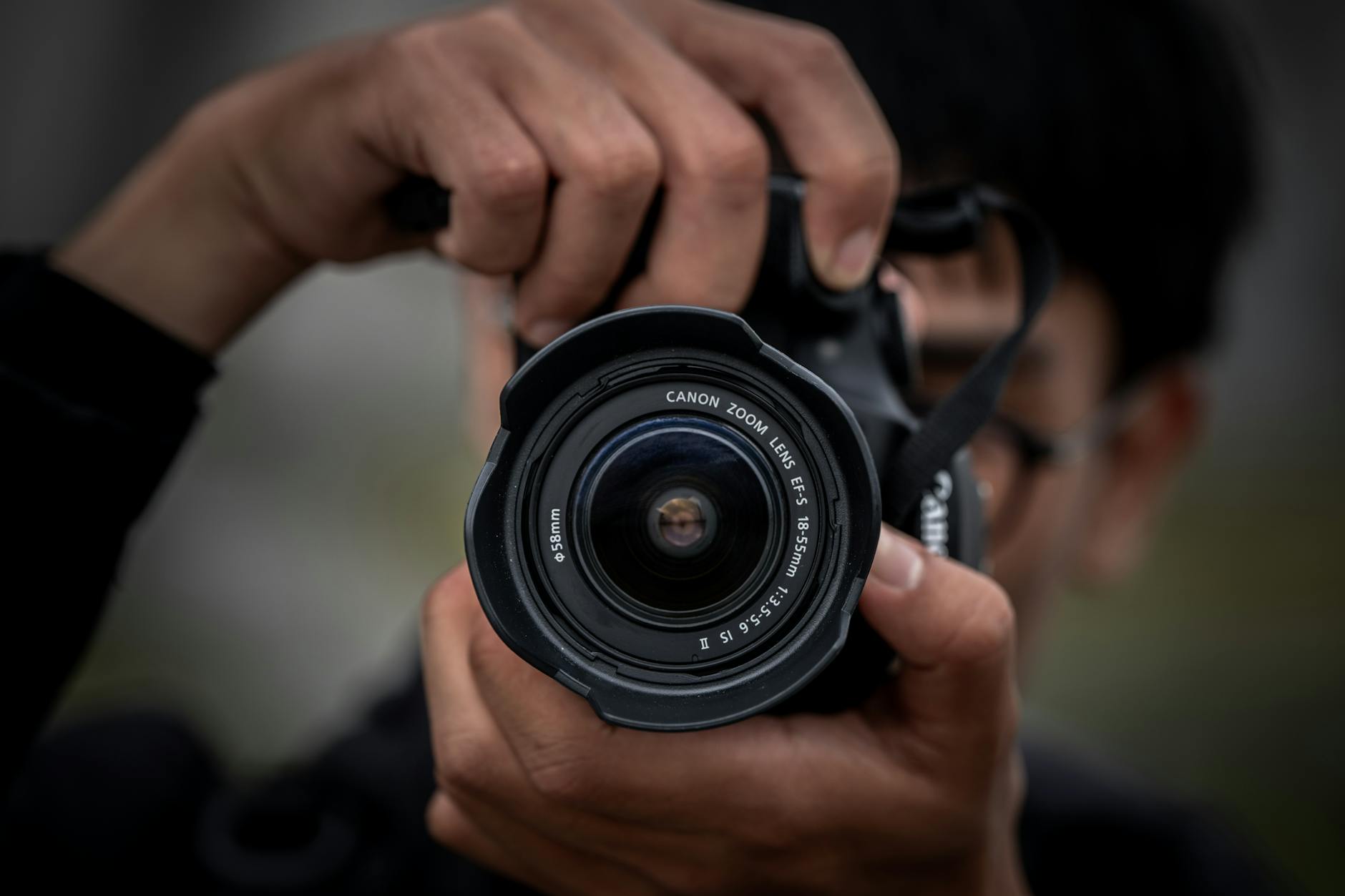
Local photography professionals with decades of aurora experience lead each workshop session. Participants learn advanced camera settings for low-light conditions, including manual exposure techniques, focus stacking methods, and long-exposure strategies specific to aurora photography. The workshops cover both technical aspects and artistic composition principles for capturing the aurora’s unpredictable movements.
Each group receives hands-on instruction with camera equipment ranging from entry-level DSLRs to professional mirrorless systems. Workshop leaders provide personalized guidance based on participants’ existing skill levels and equipment capabilities. The instruction emphasizes practical field techniques rather than classroom theory, with most learning occurring during actual aurora appearances.
The workshops also address common challenges aurora photographers face, including battery preservation in sub-zero temperatures, condensation management when moving equipment between cold and warm environments, and backup planning for cloudy nights. Participants practice these techniques during daylight hours before applying them during nighttime aurora sessions.
Prime Viewing Locations Across the Archipelago
Lofoten’s unique geography provides numerous aurora photography opportunities within a relatively compact area. Workshop groups rotate between established viewing locations including Haukland Beach, where expansive sandy shores create unobstructed northern horizon views, and Reine village, where traditional red fishermen’s cabins (rorbuer) provide striking foreground elements against aurora displays.
The islands’ mountainous terrain offers elevated vantage points for wider aurora perspectives. Popular elevated locations include viewpoints near Nusfjord and areas around Å village, where participants can capture aurora reflections in fjord waters while incorporating Lofoten’s dramatic peak silhouettes.
Workshop organizers select viewing locations based on real-time weather conditions, aurora forecasts, and moon phase considerations. Groups often visit 2-3 different locations during each evening session, maximizing photography opportunities across varying landscape compositions.
Seasonal Timing and Aurora Conditions
The workshops operate from October through March, coinciding with Lofoten’s aurora season when nights provide sufficient darkness for Northern Lights visibility. Peak activity typically occurs between November and February, when solar activity combines with optimal viewing conditions above the Arctic Circle.
Workshop scheduling follows aurora forecast models and space weather predictions. Sessions adjust based on cloud cover forecasts, with backup indoor instruction planned for overcast evenings. Participants receive aurora prediction apps and learn to interpret solar wind data for independent aurora hunting during their stay.
The workshops accommodate varying aurora intensities, from subtle green curtains to dramatic multi-colored displays spanning the entire sky. Instruction covers photography techniques for different aurora types, including corona formations visible directly overhead and distant arc formations along the northern horizon.
Winter conditions in Lofoten present both challenges and advantages for aurora photography. Snow-covered landscapes provide natural reflectors that enhance foreground illumination during aurora displays. However, temperatures regularly drop below -10°C (14°F), requiring specialized cold-weather photography techniques and equipment protection methods.
Accommodation and Extended Programs
Workshop participants can choose from various accommodation options ranging from traditional rorbuer fishing cabins to modern hotels in villages like Svolvær and Leknes. Many photographers extend their stay to combine aurora workshops with other winter activities, creating comprehensive Arctic photography experiences.
Some participants coordinate their Lofoten visits with trips to other Nordic aurora destinations. Iceland’s winter attractions offer complementary experiences for travelers seeking diverse Arctic adventures within a single trip.
Extended programs include daytime landscape photography sessions focused on Lofoten’s winter scenery. These sessions cover techniques for photographing snow-covered peaks, ice formations along coastlines, and the brief periods of winter daylight that create unique Arctic lighting conditions.
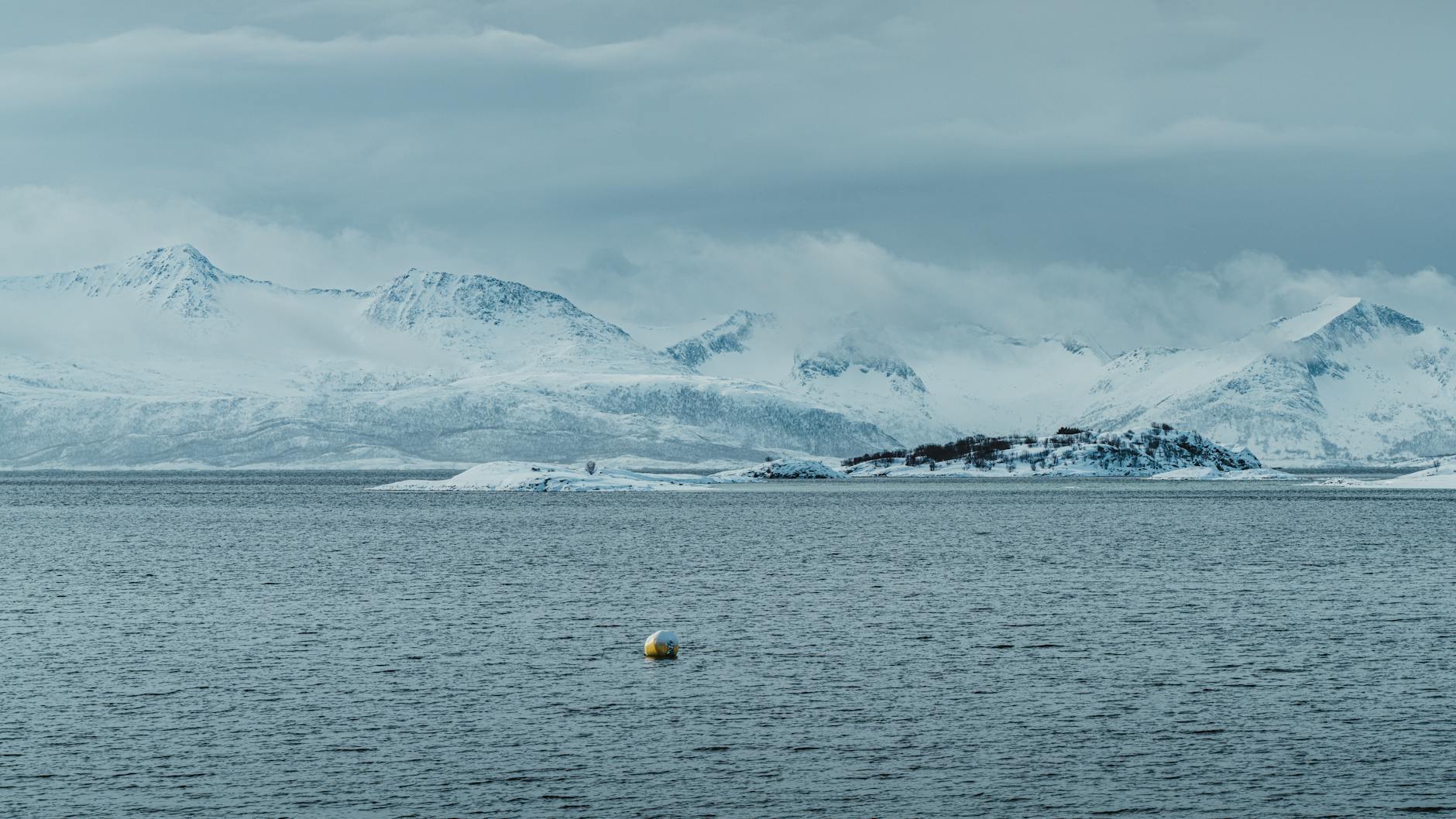
The workshop program represents a significant expansion of Lofoten’s winter tourism offerings, providing structured learning opportunities for the growing number of photographers drawn to Arctic destinations. As aurora photography continues gaining popularity through social media exposure, these specialized instruction programs meet increasing demand for expert-guided experiences in one of the world’s most photogenic aurora viewing regions.
Local tourism officials expect the workshops to attract photographers from across Europe and North America, contributing to Lofoten’s winter economy while promoting sustainable aurora tourism practices. The program’s emphasis on small group sizes and responsible viewing locations helps preserve the natural environment that makes these dramatic Northern Lights displays possible.
Frequently Asked Questions
When do the Lofoten aurora photography workshops operate?
The workshops run from October through March, with peak aurora season occurring between November and February.
What photography experience is required for the workshops?
The workshops accommodate all skill levels, from amateur enthusiasts to professional photographers, with personalized instruction based on participants’ equipment and experience.