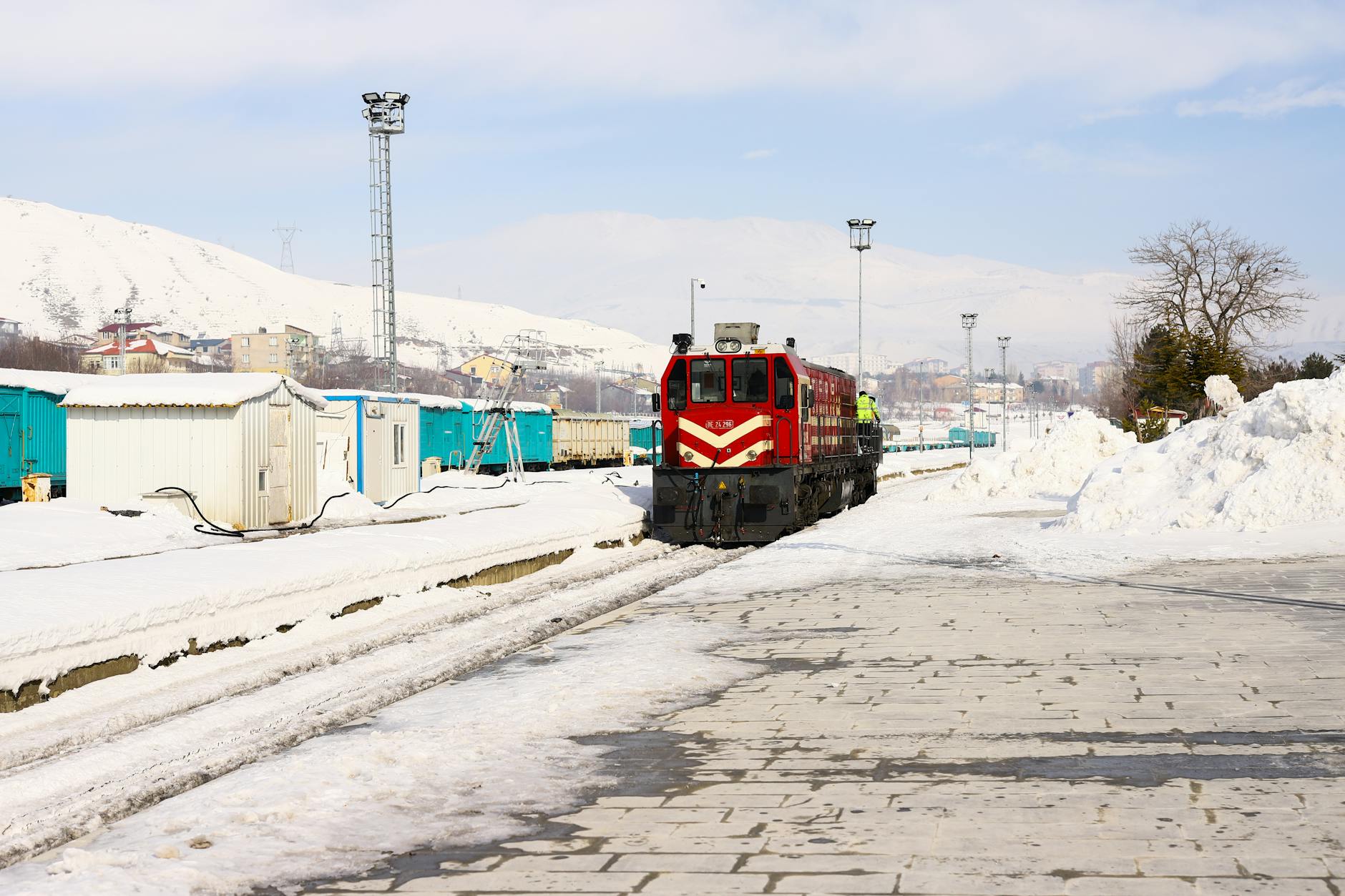
Norway’s New Arctic Train Route Connects Remote Fishing Villages This Winter

The Arctic Circle has a new lifeline. Norway’s state railway operator Vy launched a revolutionary winter train service connecting the country’s most isolated fishing communities, transforming centuries-old villages from seasonal outposts into year-round destinations. The route spans 400 kilometers of previously inaccessible coastline, where temperatures drop to minus 30 degrees Celsius and polar nights stretch for months.
For generations, these remote settlements relied on treacherous boat journeys or expensive helicopter flights to reach civilization during harsh winter months. Many villages became ghost towns between October and March, their populations dwindling as younger residents fled to warmer, more connected cities. The new Arctic Coastal Line changes everything, providing heated passenger cars, cargo capacity for fresh fish exports, and reliable transportation through the region’s most challenging season.
Engineering Marvel Through Extreme Weather
Building railway infrastructure in the Arctic requires technologies that don’t exist anywhere else. Norwegian engineers developed specialized track heating systems that prevent ice formation using geothermal energy tapped from deep underground sources. The train cars feature triple-layered insulation and backup heating systems that can maintain comfortable temperatures even when external conditions reach life-threatening levels.
The route cuts through terrain that challenged even seasoned Arctic construction crews. Workers battled 200-kilometer-per-hour winds, navigated around protected reindeer migration paths, and constructed elevated sections to allow wildlife passage underneath. Each station incorporates traditional Sami architectural elements while housing modern amenities like heated waiting areas, cargo facilities, and emergency medical stations.
Snow removal presents the biggest operational challenge. Specially designed rotary plows clear the tracks daily, while weather monitoring stations positioned every 20 kilometers provide real-time updates on conditions ahead. The railway employs local guides from indigenous communities who understand Arctic weather patterns passed down through generations of survival knowledge.
Transforming Remote Communities
Bjørn Eriksen runs a small fishing operation in Hammerfest, one of the northernmost stops on the new route. Before the railway arrived, he could only ship fresh catch during summer months when boats could navigate ice-free waters. Now his daily catches reach markets in Oslo and Bergen within 24 hours, even in January’s brutal conditions.
“We went from seasonal work to year-round business,” Eriksen explains. “My son was planning to move south for university. Now he’s staying to expand our operation.” Similar stories emerge from villages along the entire route, where young people increasingly view remote Arctic living as economically viable rather than a dead-end lifestyle.
The railway connects twelve fishing villages previously accessible only by air or sea. Each community receives three trains per week in each direction, carrying passengers, mail, medical supplies, and temperature-controlled cargo containers designed for seafood transport. Emergency medical evacuations, once requiring expensive helicopter rescues, now happen via specially equipped medical cars attached to regular service trains.
Tourism officials report early booking numbers that exceeded projections by 300 percent. Travelers from Europe, Asia, and North America seek authentic Arctic experiences unavailable in more accessible northern destinations. Hotels and guesthouses in previously unknown villages now accept reservations through international booking platforms.
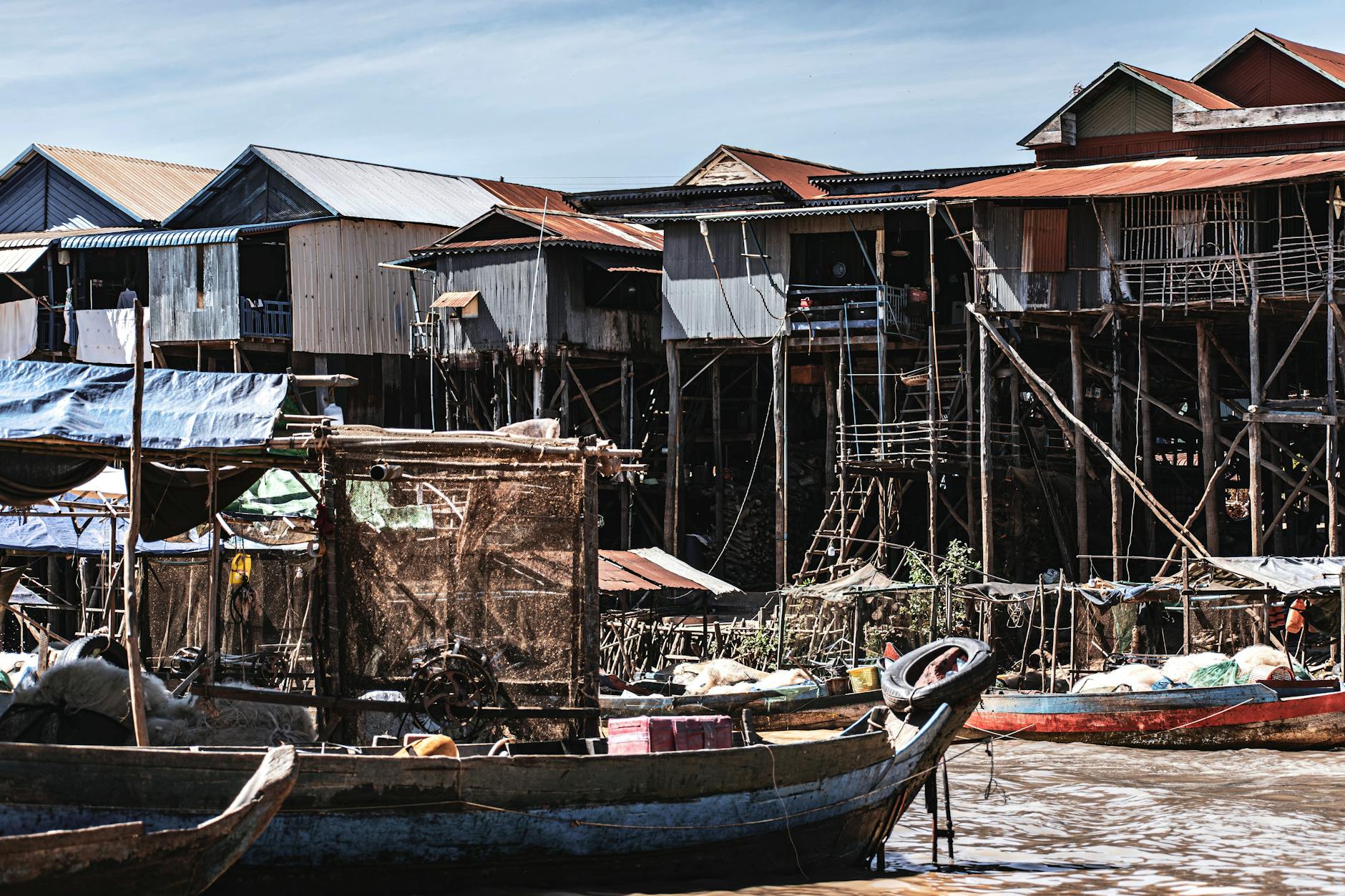
Arctic Railway Revolution
Norway’s success follows similar rural rail expansion projects across Scandinavia and Asia. Japan’s recent bullet train extensions to remote hot spring villages demonstrated how modern rail infrastructure revitalizes isolated communities while preserving local culture and traditions.
The Arctic Coastal Line represents the world’s first passenger railway designed specifically for extreme polar conditions. Traditional European train technology fails completely at minus 30 degrees Celsius, where standard braking systems freeze solid and electrical components shut down. Norwegian State Railways partnered with aerospace engineering firms to develop components capable of functioning in conditions similar to Mars exploration missions.
Each passenger car contains emergency survival equipment including Arctic sleeping bags, emergency food supplies, satellite communication devices, and medical kits designed for hypothermia treatment. Conductors receive specialized training in wilderness survival and emergency medical response. The trains carry enough supplies to sustain all passengers for seven days if severe weather conditions prevent movement.
Railway officials emphasize environmental responsibility throughout the project. Solar panels installed at summer stations store energy in advanced battery systems that power winter operations. The trains run on renewable electricity generated by Norway’s extensive hydroelectric network. Wildlife crossing structures and migration corridor preservation ensure minimal disruption to Arctic ecosystems.
Economic Impact and Future Expansion
Early economic indicators suggest the railway generates significant returns through freight revenue, passenger fares, and tourism spending. Fresh seafood exports from previously inaccessible fishing grounds now reach European markets year-round. Local restaurants serve Arctic specialties to travelers willing to journey far beyond typical tourist destinations.
Regional development officials track population changes in connected villages. Preliminary data shows the first increase in year-round residents in over two decades. Young families return to ancestral communities, confident that modern transportation connects them to educational opportunities, medical services, and employment markets in larger cities.
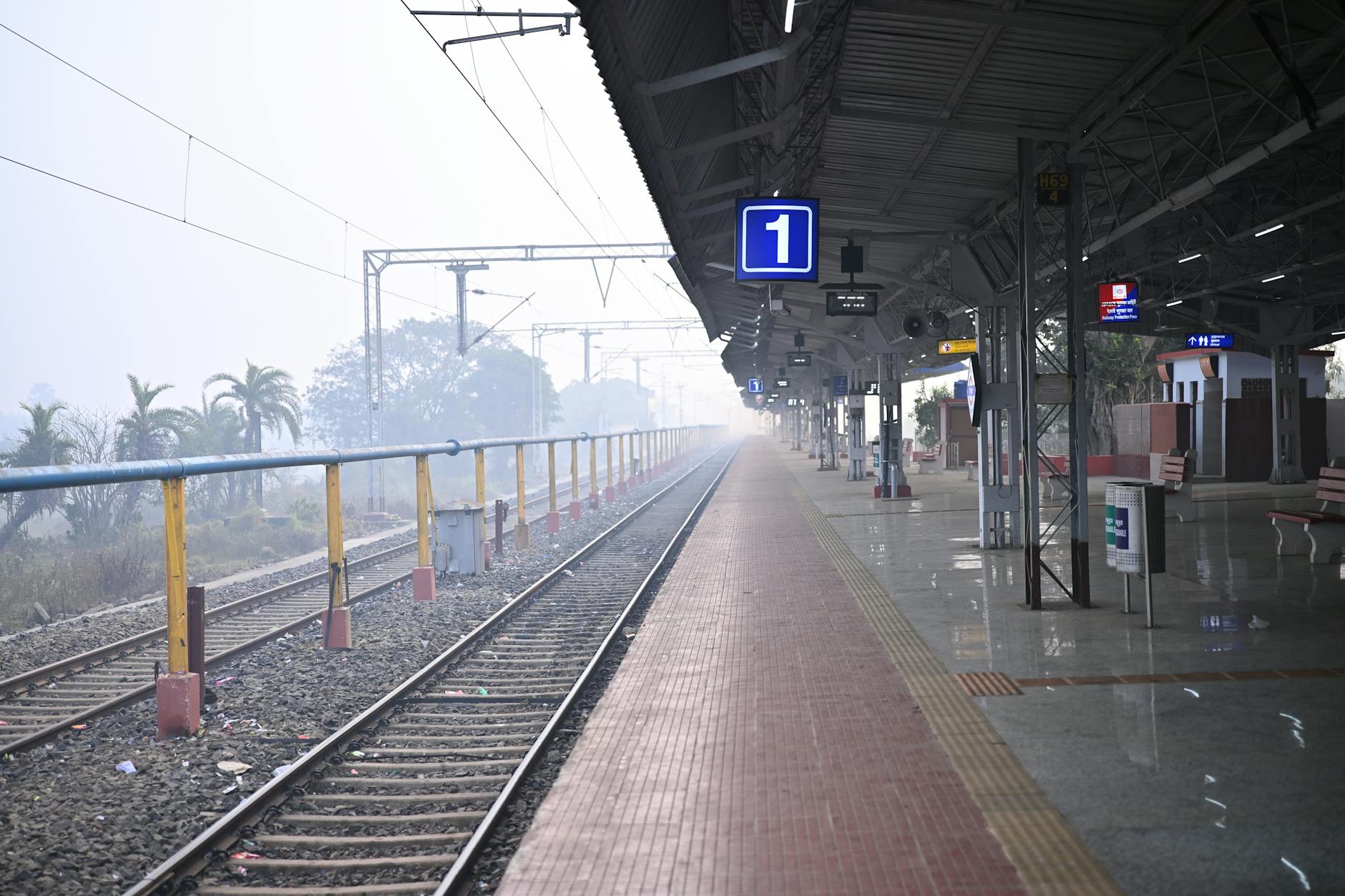
The success of Norway’s Arctic route influences similar projects across northern Canada, Alaska, and Siberia. Transportation planners study Norwegian engineering solutions for application in other extreme climate regions. Indigenous communities in northern territories worldwide watch how traditional cultures adapt to improved connectivity while maintaining cultural identity.
Norway’s Arctic Coastal Line proves that modern infrastructure can serve humanity’s most remote settlements without destroying the wilderness that defines them. As climate change opens new Arctic shipping routes and resource extraction opportunities, reliable ground transportation becomes increasingly valuable for both residents and the global economy. This winter’s inaugural season establishes the foundation for Arctic rail networks that could reshape northern hemisphere transportation within the next decade.
Frequently Asked Questions
How does the Arctic train operate in extreme cold weather?
The railway uses geothermal track heating systems and specially insulated cars designed to function at minus 30 degrees Celsius with backup heating systems.
Which villages does Norway’s Arctic train route connect?
The 400-kilometer route connects twelve remote fishing villages along Norway’s Arctic coastline, providing year-round transportation access.