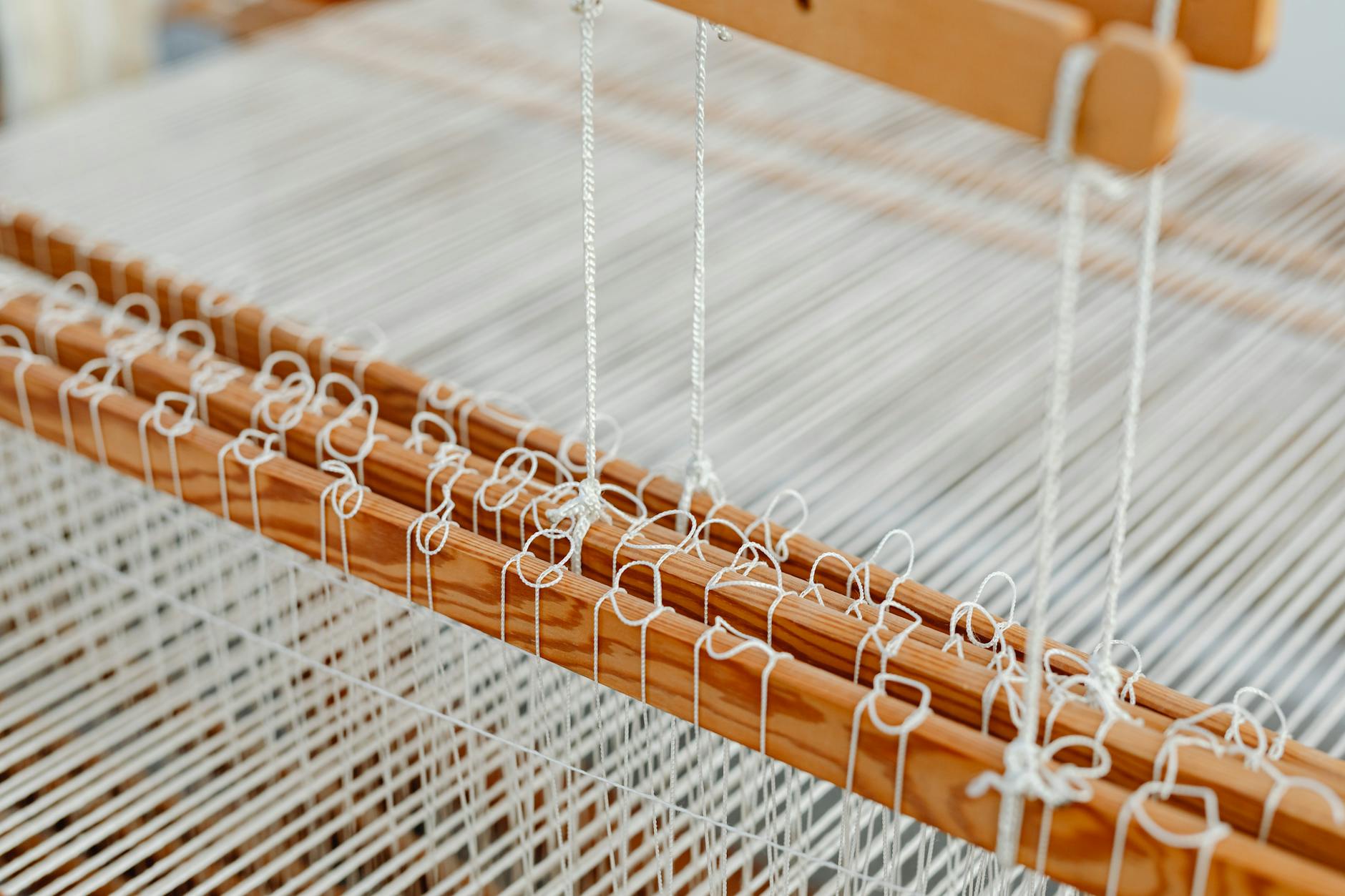
Peru’s Sacred Valley Debuts Indigenous Textile Workshop Tourism Experiences

Peru’s Sacred Valley has launched a groundbreaking initiative that connects visitors directly with indigenous textile artisans, offering immersive workshop experiences that preserve ancient Andean weaving traditions while creating sustainable tourism opportunities. The program, developed in partnership with local Quechua communities, provides travelers with hands-on learning experiences in traditional textile production techniques passed down through generations.
The initiative represents a significant shift from conventional Sacred Valley tourism, moving beyond Machu Picchu day trips to create meaningful cultural exchanges. Visitors now work alongside master weavers in authentic village settings, learning to spin alpaca wool, create natural dyes from native plants, and master the intricate patterns that tell stories of Andean cosmology and daily life.
Authentic Artisan Villages Open Their Doors
Six Quechua communities across the Sacred Valley have opened their homes and workshops to international visitors through this carefully structured program. The villages of Maras, Chinchero, and Ollantaytambo lead the initiative, with master weavers like Maria Quispe and Elena Condori serving as primary instructors.
These workshops take place in traditional adobe homes where families have practiced textile arts for centuries. Visitors learn to operate backstrap looms, the same tools used by pre-Columbian civilizations, and discover how coca leaves, chilca plants, and cochineal insects create the vibrant reds, yellows, and purples that characterize Andean textiles.
The program operates on a small-group model, with maximum six participants per workshop to ensure personalized instruction and minimize cultural disruption. Sessions typically last three to five days, allowing visitors to complete an entire textile piece from raw alpaca fiber to finished product.
Community leaders emphasize that this isn’t performance tourism but genuine skill-sharing. Participants work alongside family members of all ages, observing how textile knowledge passes from grandmother to granddaughter while contributing to household income through workshop fees and textile purchases.
Economic Impact Transforms Rural Communities
The textile workshop program generates direct income for participating families while creating related opportunities in accommodation, meals, and transportation. Unlike large-scale tourism that often bypasses rural communities, this model ensures money stays within indigenous households.
Workshop fees range from $150 to $300 per participant for multi-day experiences, with 80% going directly to host families. Additional revenue comes from textile sales, with completed workshop pieces selling for $50 to $200 depending on complexity and materials used.
Local coordinator Rosa Huaman reports that participating families have seen income increases of 40-60% since the program launched. This economic boost has enabled families to invest in children’s education, home improvements, and expanded livestock herds while maintaining traditional lifestyles.

The success has inspired similar programs in other Andean regions. Communities in Bolivia’s Isla del Sol and Ecuador’s Otavalo region have reached out for guidance on developing their own textile tourism initiatives, suggesting potential for broader regional impact.
Preserving Ancient Techniques Through Modern Tourism
Master weavers participating in the program possess knowledge that UNESCO recognizes as intangible cultural heritage. These skills include reading tocapu patterns that encode historical information, understanding seasonal timing for plant-based dye collection, and maintaining the specific tension required for traditional backstrap loom work.
Workshop participants learn to identify different alpaca fiber qualities, from the finest vicuña to standard alpaca wool. They master the use of natural mordants like iron-rich clay and aluminum-containing plants that help dyes bond permanently with fibers. The most advanced workshops cover complex techniques like complementary warp weaving and double cloth construction.
Documentation efforts accompany the tourism program, with anthropologists working alongside artisans to record techniques, patterns, and their cultural meanings. This knowledge preservation ensures that even as tourism provides new income streams, traditional practices remain intact for future generations.
Participants often return home with not just finished textiles but also spinning tools and basic materials to continue practicing. Many have formed international networks, sharing their work online and ordering additional supplies directly from their workshop instructors.
Sustainable Travel Model Gains International Recognition
The Sacred Valley textile program has attracted attention from sustainable tourism organizations worldwide as a model for community-controlled cultural tourism. Unlike large-scale developments that can overwhelm local infrastructure, this initiative operates within existing community capacity while providing genuine cultural exchange.
Travel companies specializing in experiential tourism have begun incorporating these workshops into Peru itineraries, often combining them with traditional Machu Picchu visits and other innovative South American travel experiences.
The program’s success demonstrates how tourism can support rather than exploit indigenous communities when developed with local leadership and appropriate scale. International development organizations have studied the model for potential application in other regions with rich craft traditions.
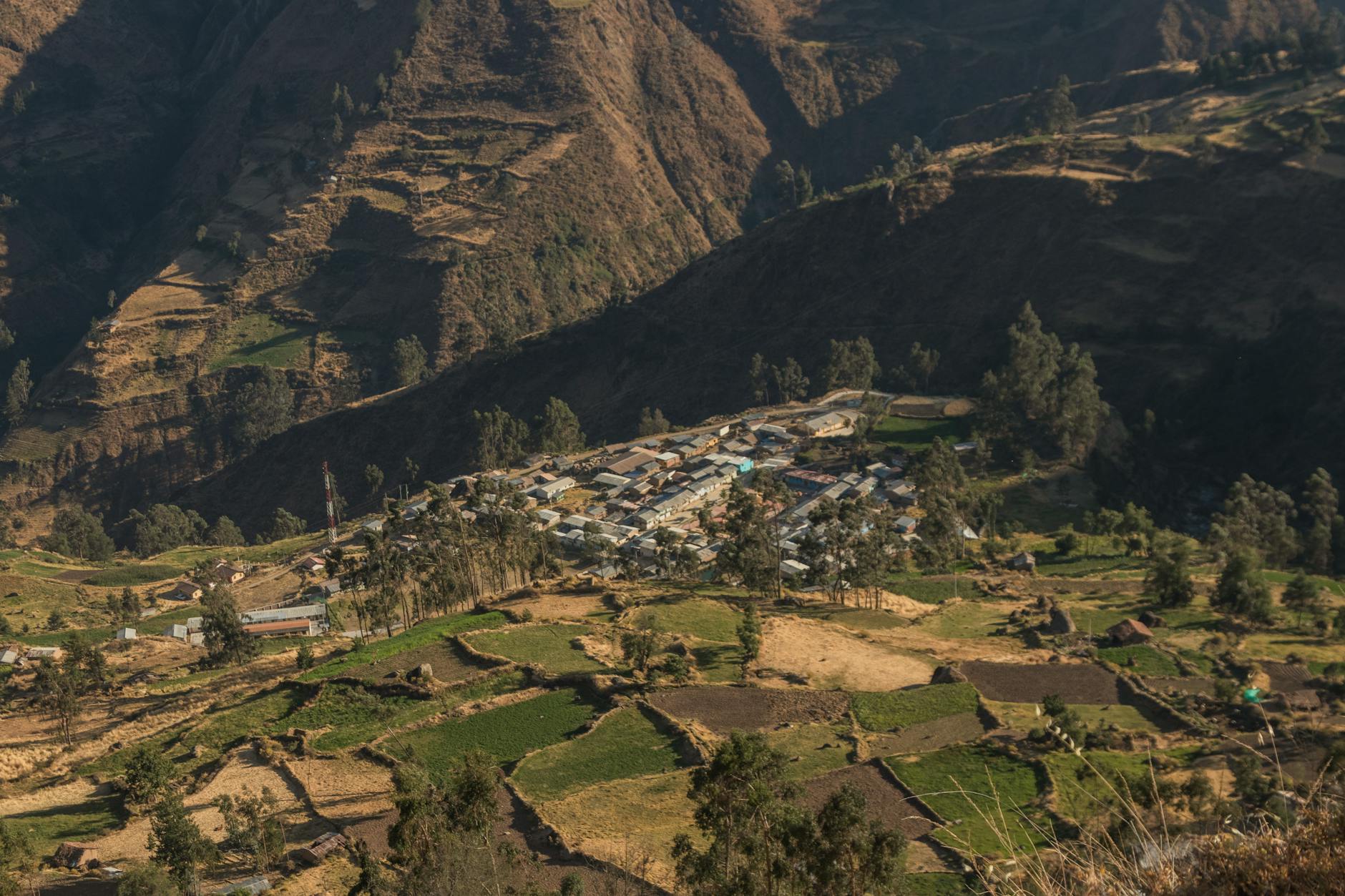
Looking ahead, organizers plan to expand the program to include additional textile techniques like embroidery and felt-making while maintaining the intimate scale that ensures authentic cultural exchange. New workshops focusing on natural dye gardens and alpaca husbandry are in development, providing visitors with even deeper understanding of the complete textile ecosystem that sustains Andean communities.
The initiative represents a growing trend toward meaningful cultural tourism that benefits local communities while preserving traditional knowledge for future generations. As travelers increasingly seek authentic experiences over superficial attractions, programs like Peru’s indigenous textile workshops offer a blueprint for sustainable cultural tourism that honors both visitors and host communities.
Frequently Asked Questions
How long do Sacred Valley textile workshops last?
Workshops typically run 3-5 days, allowing participants to complete an entire textile piece from raw fiber to finished product.
What skills do visitors learn in the textile workshops?
Participants learn traditional spinning, natural dyeing, backstrap loom weaving, and pattern creation using techniques passed down through generations.