Peru’s Sacred Valley Opens Traditional Weaving Workshops in Ancient Villages

Ancient Quechua weavers in Peru’s Sacred Valley are opening their homes to visitors, transforming centuries-old textile traditions into immersive cultural experiences. Local communities in villages like Maras, Chinchero, and Ollantaytambo now offer hands-on workshops where travelers learn traditional weaving techniques passed down through generations of indigenous families.
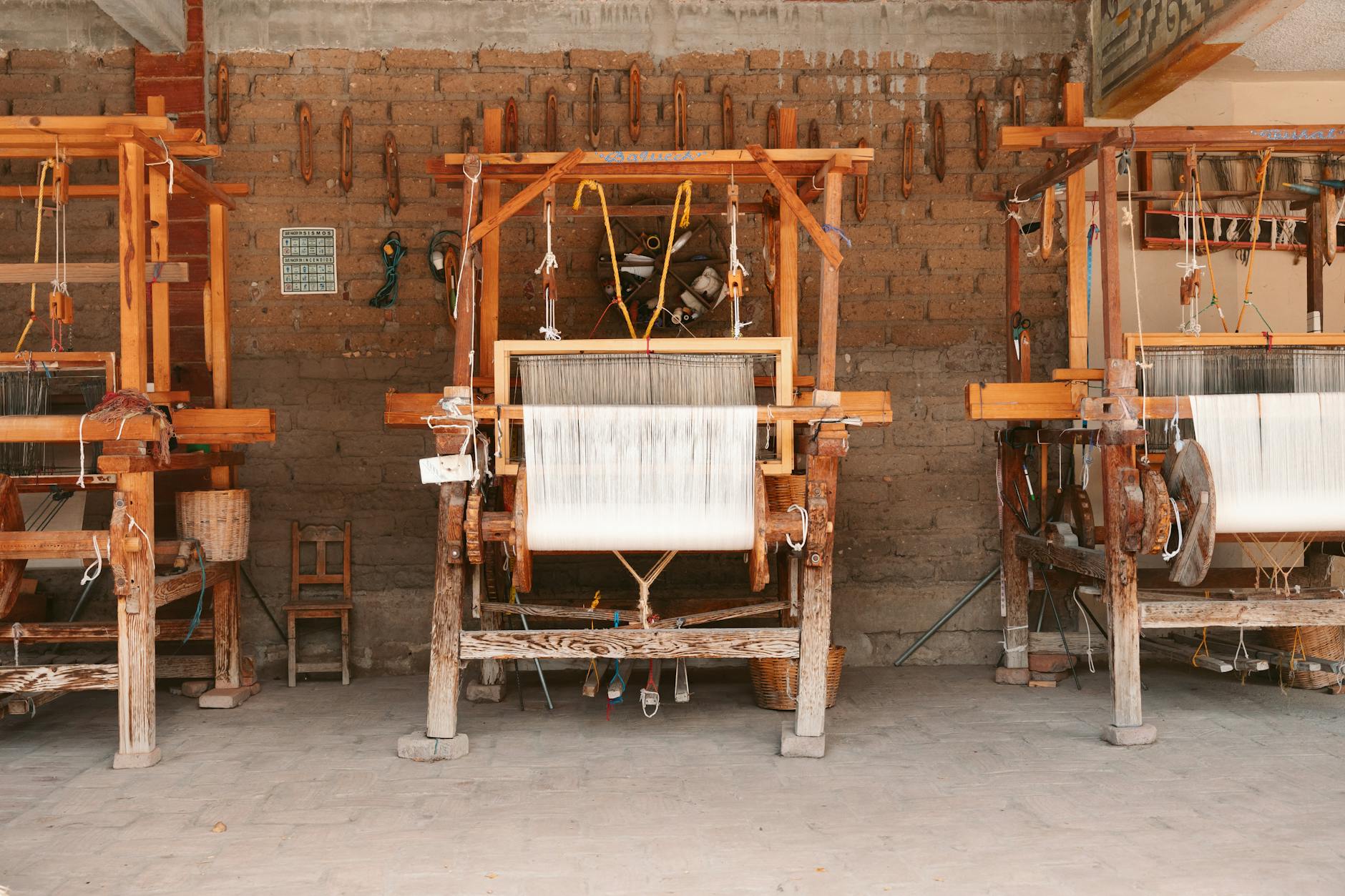
The initiative represents a collaboration between Peruvian tourism authorities and indigenous communities who have preserved pre-Columbian weaving methods for over 500 years. Visitors work alongside master weavers using natural dyes from local plants and traditional wooden looms that have remained unchanged since Inca times.
Learning Ancient Techniques in Living Villages
Workshop participants begin their experience at sunrise, collecting cochineal insects from prickly pear cacti to create vibrant red dyes, or gathering molle berries for yellow pigments. Master weaver Esperanza Quispe from Chinchero village explains each step in Quechua, translated by bilingual community guides who bridge cultural understanding.
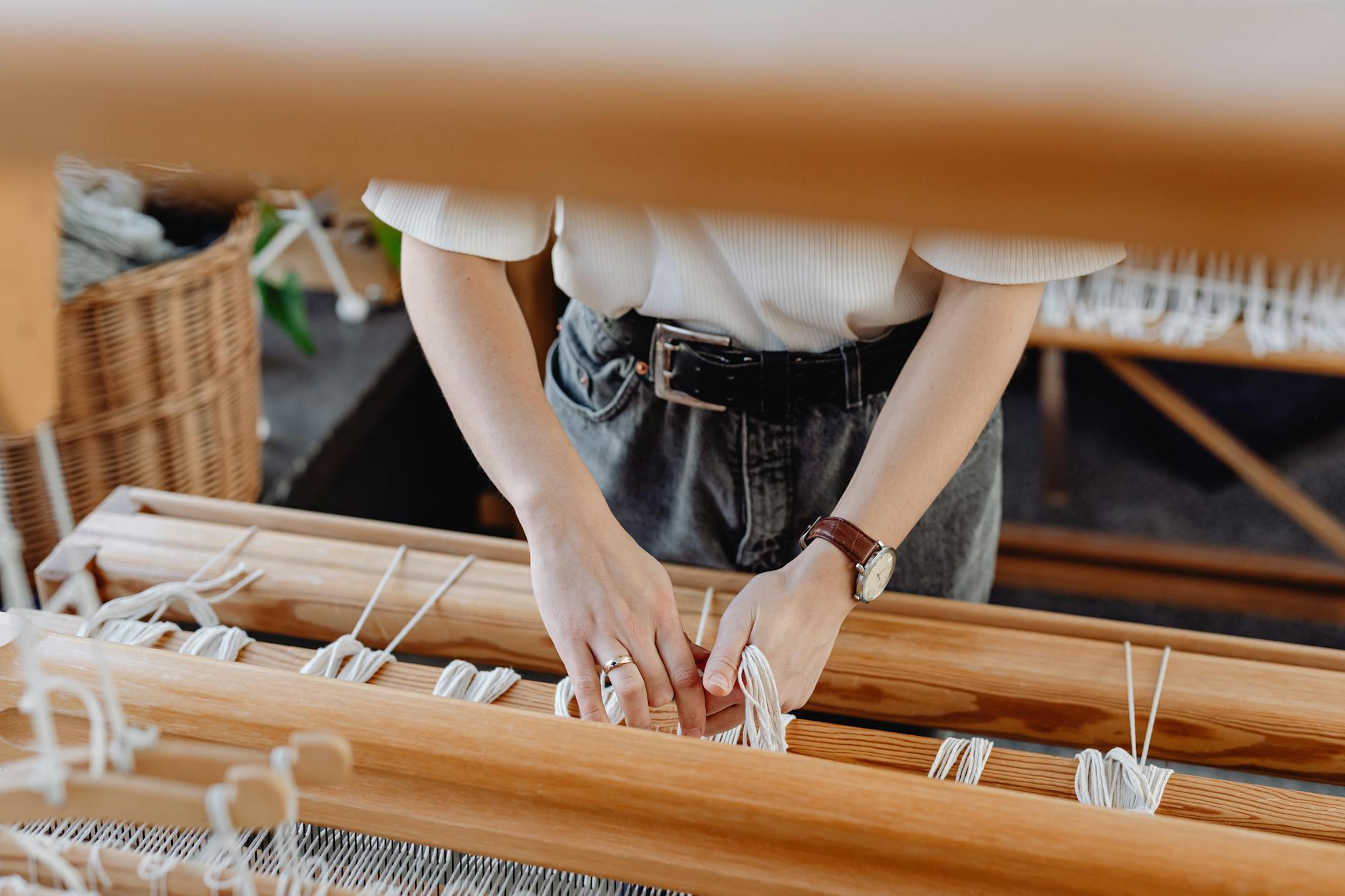
The workshops span three to five days, allowing visitors to complete traditional patterns like tocapu geometric designs that once adorned Inca royal garments. Participants use alpaca and sheep wool spun on wooden drop spindles, learning finger techniques that require no modern equipment. Each workshop accommodates only six to eight participants, ensuring personalized instruction and authentic cultural exchange.
Village families provide homestay accommodations, with visitors sleeping in traditional adobe houses and sharing meals prepared with ingredients from family gardens. The experience includes participation in daily activities like tending livestock, harvesting quinoa, and preparing chicha morada, a traditional purple corn beverage.
Supporting Indigenous Communities Through Tourism
Revenue from the weaving workshops directly benefits participating families, providing sustainable income that encourages young people to remain in their ancestral villages rather than migrating to cities. Community leader Carlos Amaru from Maras village reports that textile tourism has allowed twelve families to renovate their homes and purchase improved looms while maintaining traditional construction methods.
The program operates under community-controlled tourism principles, meaning indigenous families set prices, determine group sizes, and establish cultural protocols for visitors. Workshops cost between $180 to $280 per person for multi-day experiences, with 85 percent of fees staying within the local community.
Similar community-based tourism initiatives are emerging across Peru’s highlands, following successful models seen in other destinations like Bulgaria’s Rose Valley artisan workshops that preserve traditional crafts while generating local income.
Preserving Textile Heritage for Future Generations
Master weavers express concern about losing traditional knowledge as younger generations pursue modern careers in urban areas. The workshop program addresses this challenge by documenting weaving techniques through video recordings and written guides, while providing economic incentives for skill transmission.
UNESCO has recognized Sacred Valley weaving traditions as Intangible Cultural Heritage, acknowledging their significance in preserving indigenous knowledge systems. Workshop participants contribute to this preservation effort by learning not just techniques but also the cultural meanings behind specific patterns and color combinations.
The program includes evening storytelling sessions where elders share oral histories connected to specific textile designs. Participants learn that condor motifs represent spiritual messengers, while water wave patterns invoke agricultural fertility. These cultural contexts transform simple craft instruction into deep cultural immersion.
Young community members serve as translators and cultural ambassadors, earning income while strengthening their connection to ancestral traditions. Twenty-year-old Amelia Ccahuana from Ollantaytambo village guides workshop participants while pursuing university studies, representing a new generation maintaining cultural ties despite modern education.
Planning Your Sacred Valley Weaving Experience
Workshops operate year-round, though dry season months from May through September offer optimal weather conditions for outdoor dye collection activities. Participants should plan visits during community festivals like Inti Raymi in June, when weaving activities integrate with broader cultural celebrations.
Physical requirements remain minimal, though visitors should prepare for high altitude conditions at 11,000 feet above sea level. Workshop organizers recommend arriving in Cusco two days before activities begin, allowing proper acclimatization to prevent altitude sickness during the intensive learning program.
Booking requires advance arrangements through community tourism offices in Cusco or directly with village cooperatives. Limited workshop capacity means popular dates fill quickly, particularly during peak tourist seasons from June through August.
The Sacred Valley weaving workshops represent evolving trends in authentic cultural tourism, where travelers seek meaningful connections with local communities rather than superficial sightseeing experiences. Similar immersive tourism developments in destinations like Rwanda demonstrate growing demand for experiences that combine adventure with cultural preservation.
As Peru’s tourism sector recovers and adapts post-pandemic, community-controlled initiatives like these weaving workshops offer sustainable models that benefit local populations while preserving cultural heritage for future generations of both indigenous communities and international visitors seeking authentic cultural exchange.
Frequently Asked Questions
How long do Sacred Valley weaving workshops last?
Workshops typically span three to five days, allowing participants to complete traditional patterns and learn comprehensive weaving techniques.
What is included in the weaving workshop experience?
Programs include weaving instruction, homestay accommodation, traditional meals, natural dye collection, and cultural storytelling sessions with community elders.