Portugal’s Abandoned Villages Transform Into Artist Residency Destinations for Travelers

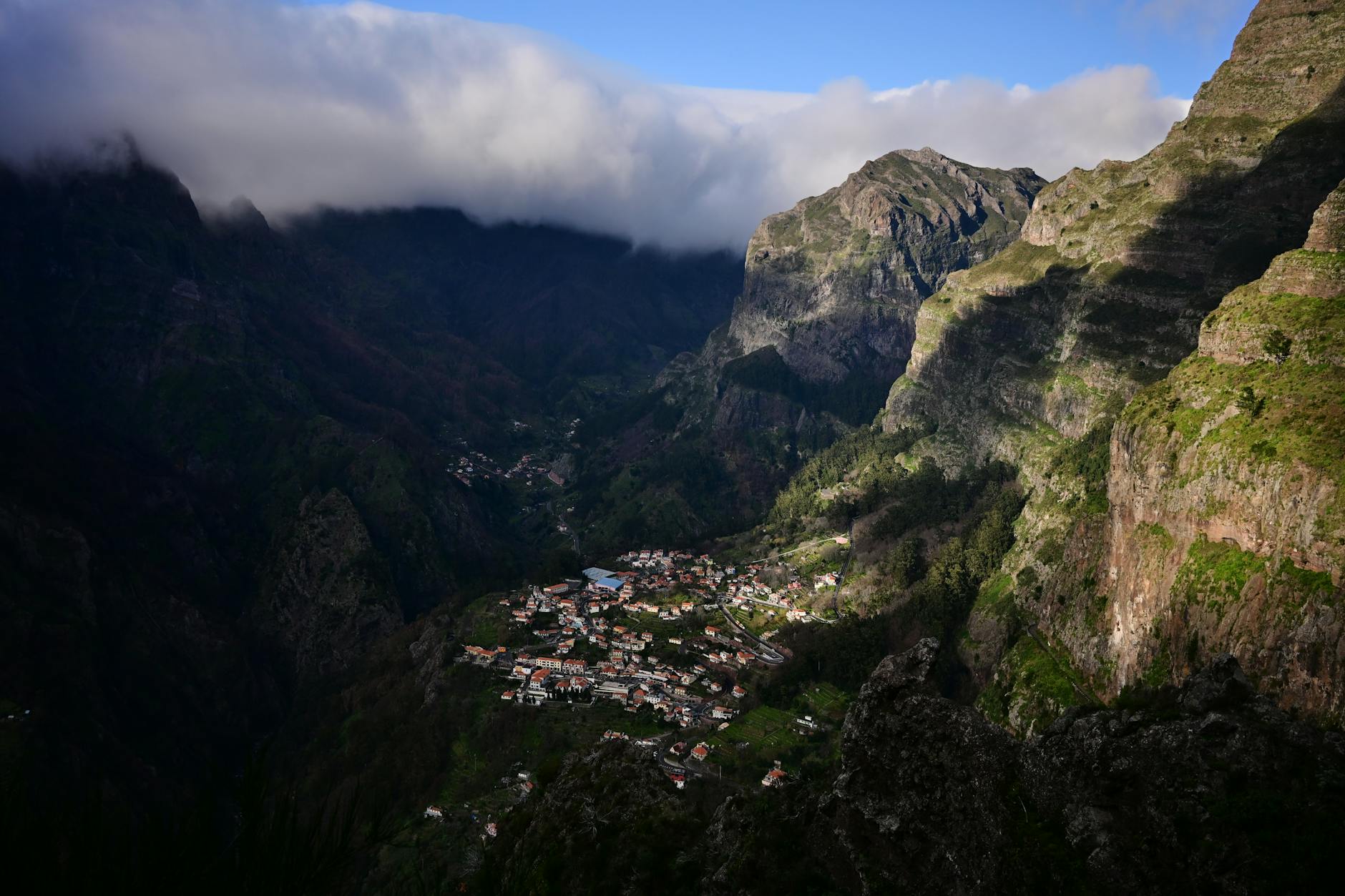
Stone houses stand empty in villages across Portugal’s interior, their windows dark and gardens wild. But these abandoned settlements are finding new life as creative sanctuaries for artists and travelers seeking authentic cultural immersion away from Lisbon’s crowded galleries and Porto’s tourist-packed streets.
Remote villages in regions like Beira Interior, Tras-os-Montes, and the Alentejo are partnering with cultural organizations to transform vacant properties into artist residency programs that welcome visitors alongside working creatives. The initiative addresses Portugal’s rural depopulation crisis while creating unique travel experiences for those drawn to collaborative artistic environments.
The trend gained momentum during the pandemic as Portugal’s government launched the Interior Recovery Program, offering grants and tax incentives for cultural projects in abandoned settlements. Village councils discovered that artist residencies attract not only creators but also cultural tourists willing to stay in basic accommodations for authentic creative experiences.
From Ghost Towns to Creative Communities
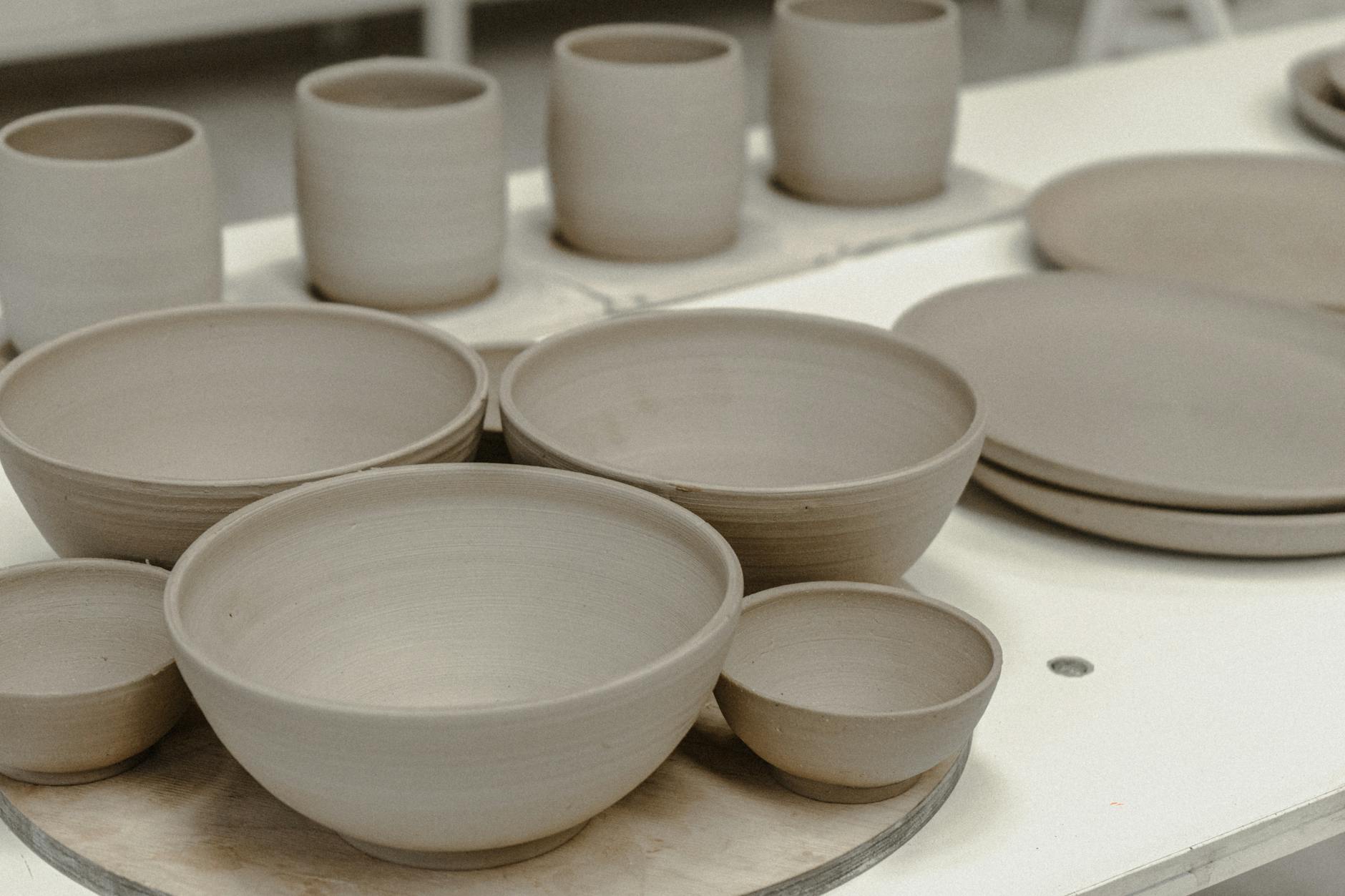
Monsaraz, a medieval village in Alentejo, launched one of Portugal’s first comprehensive artist-visitor programs in 2021. The initiative converted 12 abandoned houses into studios and simple lodgings where travelers can observe artists at work or participate in workshops ranging from traditional pottery to contemporary installation art.
“We had entire streets with no residents,” explains Maria Santos, Monsaraz’s cultural coordinator. “Now we have painters from Germany working alongside ceramicists from Japan, and visitors come specifically to experience this creative energy.”
The Monsaraz program operates year-round, with three-month artist residencies overlapping to maintain continuous creative activity. Travelers can book stays from one week to one month, sharing communal kitchens and workshop spaces with resident artists. Accommodations are deliberately rustic – restored stone houses with basic amenities that preserve the village’s authentic character.
Similar programs have emerged in Belmonte, where abandoned Jewish quarter buildings now house textile artists and writers, and in Sortelha, where a collective of visual artists transformed vacant granite houses into studios open for visitor participation. These villages typically offer artist-visitor packages ranging from 40 to 80 euros per night, including access to workshops and communal spaces.
Collaborative Art Experiences Beyond Tourism
Unlike traditional cultural tourism, these residency destinations emphasize participation over observation. Visitors work alongside established artists on ongoing projects, learning traditional Portuguese crafts or contributing to contemporary installations that reflect the villages’ histories.
In Piodao, a schist village in the Serra do Acor mountains, the “Stone and Stories” residency combines archaeology with contemporary art. Resident artists create works inspired by artifacts found during village restoration, while visitors participate in excavation workshops and contribute to community murals that incorporate historical discoveries.
The program at Castelo Rodrigo, near the Spanish border, focuses on cross-cultural collaboration. Artists from Spain, Portugal, and visiting international creators work together on projects that explore border identity and rural transformation. Visitors can join month-long collaborative installations or participate in shorter intensive workshops.
These experiences appeal particularly to travelers seeking alternatives to conventional cultural tourism. Rather than viewing art in museums or galleries, participants contribute to works in progress, learning traditional techniques while engaging with contemporary artistic practice.
Economic Revival Through Cultural Exchange
The artist residency model creates sustainable economic activity in villages that lost traditional industries decades ago. Local bakeries, cafes, and small shops benefit from the steady flow of residents and visitors, while property owners earn income from previously worthless buildings.
Idanha-a-Nova, a municipality encompassing several abandoned villages, reports that artist residencies have brought 200 new residents and over 1,500 cultural tourists since 2020. The economic impact extends beyond direct spending – villages gain internet infrastructure, building renovations, and cultural programming that attracts additional visitors.
The model works because it requires minimal upfront investment compared to traditional tourism development. Villages provide basic housing and workspace, while artists and visitors contribute skills, materials, and spending that gradually improve local amenities.
Several villages have developed specialized focuses that distinguish their programs. Linhares da Beira emphasizes environmental art using local materials, while Castelo Mendo focuses on book arts and literary residencies. This specialization helps villages develop distinct identities within Portugal’s growing artist residency network.
The success has inspired similar initiatives across Europe, with villages in Spain, Italy, and Greece developing their own artist-visitor programs. Portugal’s model demonstrates how cultural tourism can revitalize rural areas while preserving authentic community character, similar to Costa Rica’s approach to sustainable tourism development in previously restricted areas.
Planning Your Artist Village Experience
Most Portuguese artist residency villages require advance booking, particularly during spring and autumn months when weather favors outdoor creative work. Programs typically include accommodation, workspace access, and basic materials, with participants responsible for meals and personal supplies.
Travelers should prepare for rustic conditions – many villages offer shared bathrooms, limited heating, and basic furnishings. The appeal lies in the authenticity and creative community rather than luxury amenities. Most programs welcome all skill levels, from professional artists to complete beginners interested in creative exploration.
Language barriers rarely pose problems, as artist communities naturally develop their own communication methods through shared creative work. However, basic Portuguese phrases enhance interactions with local residents who often contribute traditional knowledge to contemporary projects.
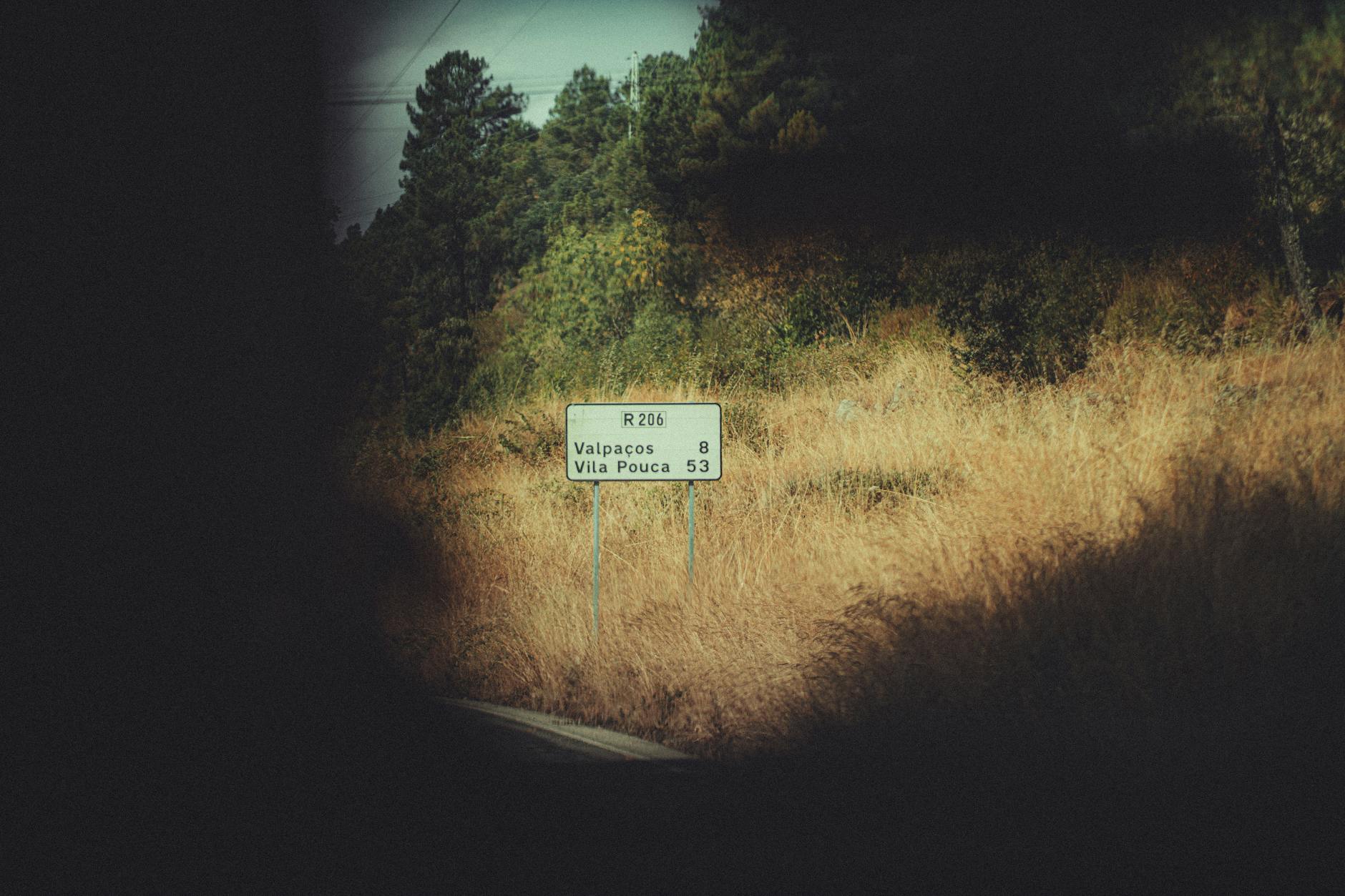
The Portuguese artist village movement represents a new model for cultural tourism that benefits both visitors and struggling rural communities. As more abandoned settlements adopt residency programs, travelers gain access to increasingly diverse creative experiences while contributing directly to Portugal’s rural revival.
This trend toward participatory cultural tourism reflects broader shifts in travel preferences, as visitors seek meaningful engagement over passive consumption. Portugal’s artist villages offer exactly this – the chance to create alongside established artists while helping preserve and transform communities that might otherwise disappear entirely.
Frequently Asked Questions
How much do Portugal artist residency village stays cost?
Most programs charge 40-80 euros per night including accommodation, workspace access, and basic materials for creative activities.
Do you need art experience to visit Portugal’s artist villages?
No, most programs welcome all skill levels from professional artists to complete beginners interested in creative exploration and learning.