Romania’s Dracula Castle Region Expands Gothic Architecture Walking Tours

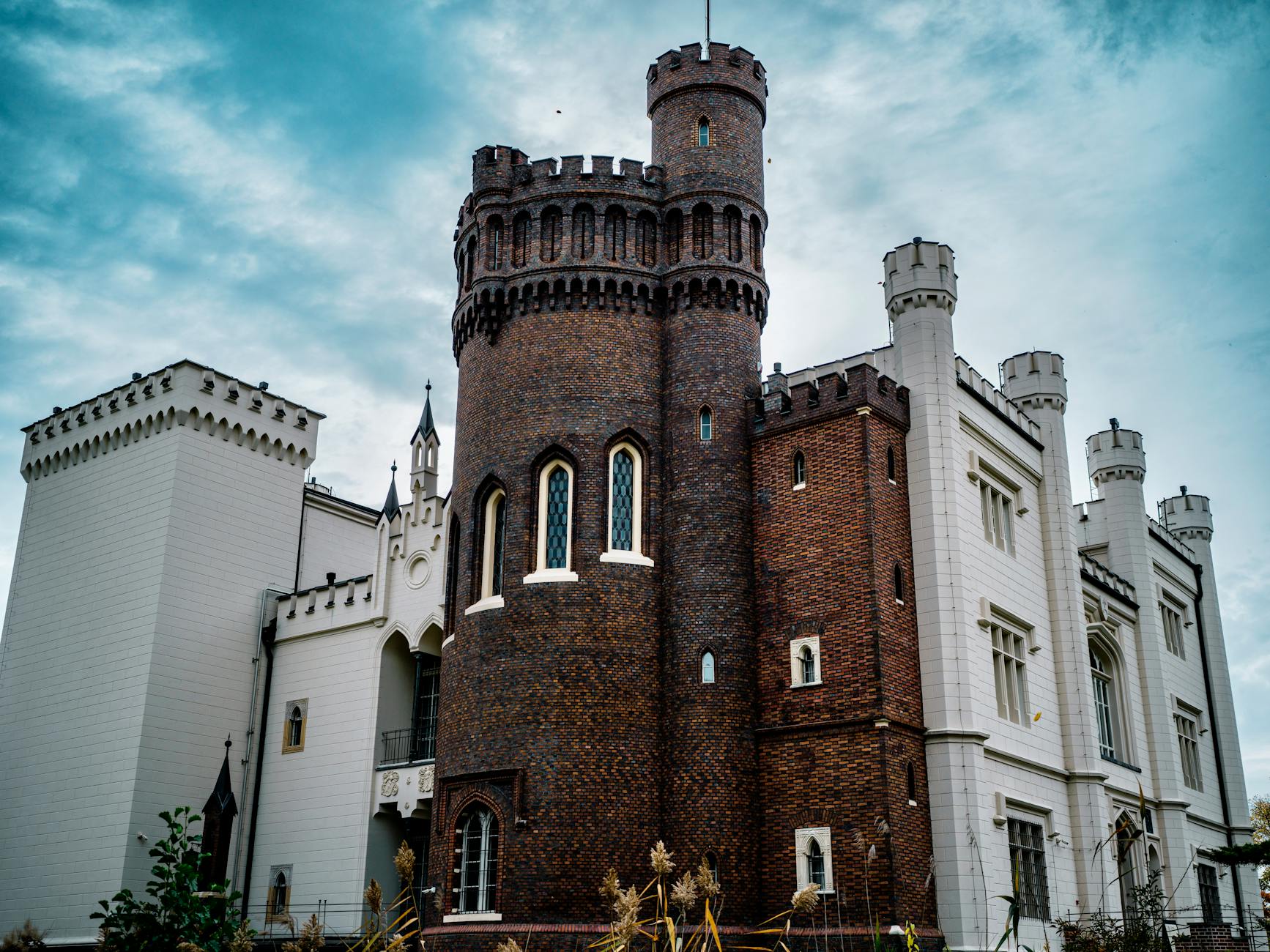
Transylvania’s tourism officials have launched expanded Gothic architecture walking tours throughout the Brașov region, capitalizing on the area’s medieval fortress heritage that extends far beyond Bran Castle. The new initiative transforms the broader Dracula Castle region into an immersive architectural journey through centuries of Gothic and medieval construction.
The expanded tours now cover seven historic fortresses and churches within a 50-kilometer radius of Bran Castle, creating what tourism director Mircea Popescu calls “Europe’s most comprehensive Gothic architecture circuit.” These guided walks connect previously isolated historical sites through carefully mapped routes that showcase the region’s rich architectural evolution from the 13th to 16th centuries.
Beyond Bran Castle: Seven Fortress Circuit
The new walking tours begin at Râșnov Citadel, a 13th-century fortress perched 150 meters above the valley floor. Built by Teutonic Knights, this fortress features distinctive Gothic pointed arches and ribbed vaulting that exemplify early medieval defensive architecture. From Râșnov, guided groups follow marked trails to Prejmer Fortified Church, Romania’s largest fortified church and a UNESCO World Heritage site.
The circuit includes Harman Fortified Church, notable for its Gothic bell tower and defensive walls reaching 12 meters high. Tour guides explain how Saxon settlers adapted Gothic architectural principles for both worship and warfare, creating unique hybrid structures found nowhere else in Europe. The Törzburg Pass route connects these sites through forest paths that medieval traders and armies once traveled.
Participants walk approximately eight kilometers daily across varied terrain, with options for both full-day and half-day tours. The routes accommodate different fitness levels, with shuttle transport available between distant sites for those preferring to focus on architectural exploration over hiking.
Medieval Architecture Meets Modern Tourism
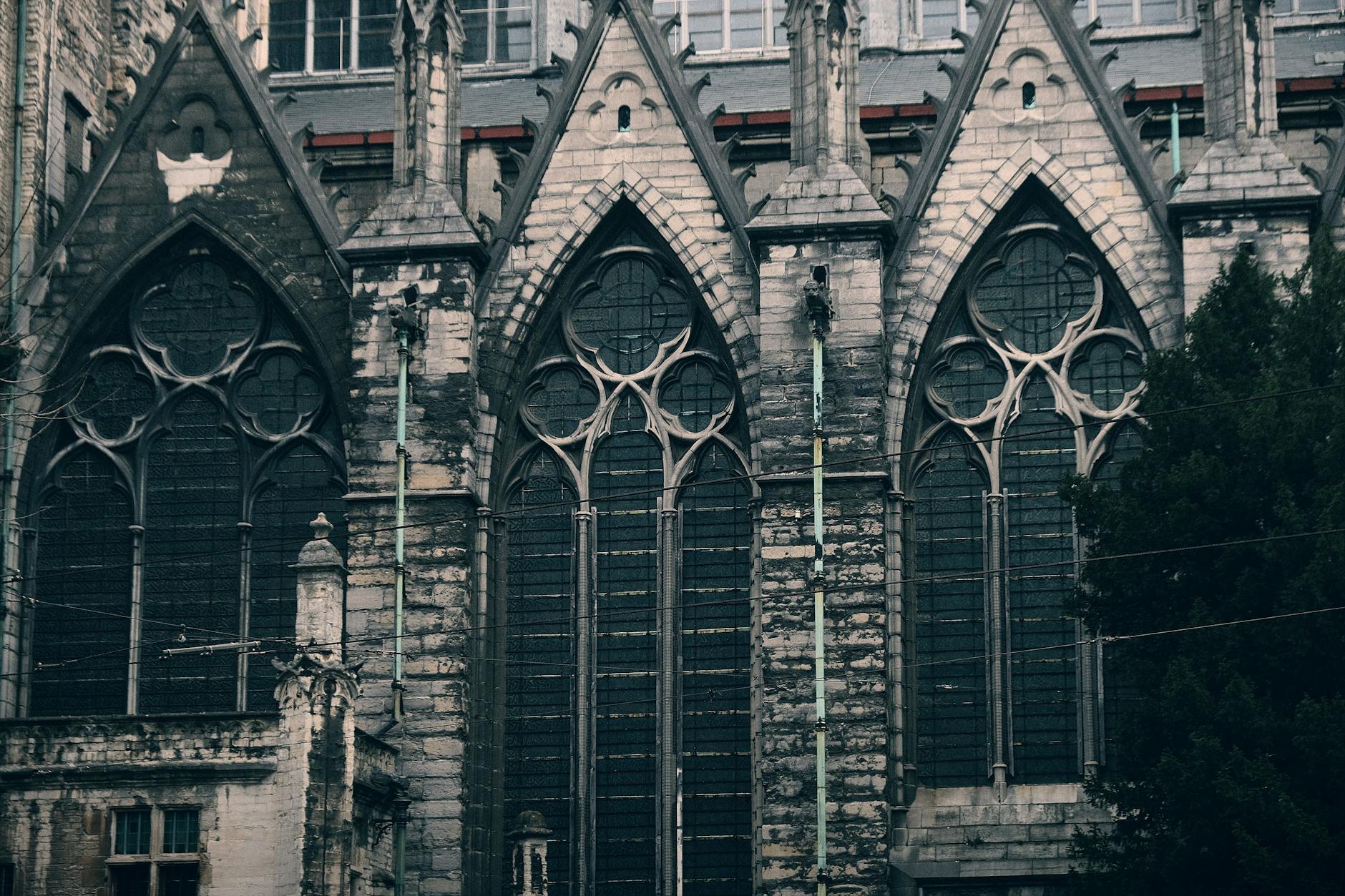
Professional architects and art historians lead these specialized tours, providing detailed explanations of Gothic elements like flying buttresses, pointed arches, and rose windows. Unlike general castle tours, these walks focus specifically on architectural techniques and historical construction methods.
The tours highlight architectural features often overlooked by casual visitors: the mathematical precision of Gothic proportions, the engineering innovations that allowed builders to construct soaring walls without modern equipment, and the symbolic meaning embedded in decorative elements. Guides demonstrate how craftsmen carved intricate stone tracery and explain the practical purposes behind seemingly decorative features.
Similar specialized architectural tourism is emerging across Europe, much like Japan’s abandoned theme parks becoming photography destinations that reveal industrial design elements from past decades.
Interactive elements include hands-on demonstrations of medieval masonry techniques using replica tools. Participants learn to identify different types of stone used in construction and understand how architects adapted Gothic styles to local materials and climate conditions. The tours also explain how Transylvanian builders modified traditional Gothic designs to withstand Ottoman invasions.
Seasonal Programming and Night Tours
Winter tours offer a dramatically different perspective, with Gothic spires emerging from snow-covered landscapes creating an authentic medieval atmosphere. January through March tours focus on interior architecture, with detailed explorations of vaulted ceilings, carved altarpieces, and medieval heating systems that kept these massive stone structures habitable.
Special evening tours launched this October take advantage of Romania’s long autumn nights. LED lighting systems now illuminate key architectural features after dark, creating dramatic shadows that emphasize the imposing nature of Gothic design. These night walks particularly highlight the fortress walls’ defensive capabilities and the psychological impact these structures had on approaching armies.
The evening tours incorporate storytelling elements about the historical figures who commissioned these buildings, including Vlad the Impaler, whose actual castle ruins at Poenari are included in extended tour packages. However, tour organizers emphasize historical accuracy over sensationalized vampire legends.
Economic Impact and Cultural Preservation
The expanded tour program addresses overtourism at Bran Castle by distributing visitors across multiple sites. Previously, most visitors focused solely on Bran Castle, creating crowding issues while other significant architectural sites remained undervisited. The new circuit approach generates revenue for smaller communities throughout the region.
Local guides receive extensive training in Gothic architectural history, creating employment opportunities in rural areas. The program has trained 45 certified guides fluent in multiple languages, with expansion plans for German and Japanese language tours based on visitor demographics.
Revenue from the expanded tours funds ongoing restoration work at lesser-known sites. The Harman Fortified Church recently completed roof repairs using traditional materials and techniques, funded partially through tourism revenue. Similar restoration projects are planned for other circuit locations.

The program represents a broader trend toward educational tourism that emphasizes cultural understanding over quick photo opportunities. Tourism officials report that visitors spend an average of three days in the region instead of the previous single-day castle visits, significantly boosting local accommodation and restaurant revenues.
Romanian tourism authorities plan to expand the concept to other regions with significant Gothic architecture, including Sighișoara and the Maramureș wooden churches. The success of Transylvania’s Gothic architecture circuit demonstrates how specialized tourism can preserve cultural heritage while creating sustainable economic opportunities for rural communities.
The walking tours operate year-round, with advance booking required during peak summer months and October’s Halloween season. Tour packages include transportation between sites, professional guide services, and access to normally restricted areas of fortified churches and castle ruins.
Frequently Asked Questions
How long are the Gothic architecture walking tours in Romania?
Tours range from half-day to full-day options, covering approximately 8 kilometers daily with shuttle transport available between distant sites.
What sites are included in the expanded Transylvania Gothic tours?
The circuit covers seven locations including Râșnov Citadel, Prejmer Fortified Church, and Harman Fortified Church within 50 kilometers of Bran Castle.