Scotland’s Whisky Trail Adds Electric Bike Routes Connecting 15 Historic Distilleries

Scotland’s whisky regions just became significantly more accessible to eco-conscious travelers. The newly launched Whisky Trail electric bike network connects 15 historic distilleries across Speyside, the Highlands, and Islay through dedicated cycling routes designed specifically for e-bike riders.
The initiative, developed in partnership with local tourism boards and distillery owners, creates the world’s first comprehensive electric bike network dedicated to whisky tourism. Routes span 180 miles of Scottish countryside, linking centuries-old distilleries with charging stations, guided tour options, and specially designed rest stops.
Revolutionary Route Design Transforms Whisky Tourism
The electric bike trails follow carefully planned paths that showcase Scotland’s dramatic landscapes while maintaining accessibility for riders of varying fitness levels. Each route includes elevation profiles specifically calibrated for e-bike capabilities, ensuring travelers can navigate Highland terrain without exhausting battery power.
The network features five distinct circuits: the Speyside Classic connects seven distilleries including Glenfiddich and Macallan across 45 miles of rolling countryside. The Highland Adventure covers 60 miles through mountainous terrain, linking remote distilleries like Dalwhinnie and Oban. The Islay Island Loop provides a 25-mile coastal route connecting all eight active distilleries on the whisky island.
Charging infrastructure appears every 8-12 miles, with solar-powered stations positioned at strategic viewpoints and village centers. Each charging point includes weather protection, route maps, and QR codes linking to distillery booking systems and local accommodation options.
Technology Meets Tradition in Distillery Partnerships
Participating distilleries have embraced the electric bike concept by creating specialized tour packages for cycling visitors. Many offer early morning or late afternoon tastings timed to accommodate multi-distillery itineraries, while others provide secure bike storage and charging facilities on-site.
Balvenie Distillery introduced “Pedal and Pour” experiences where visitors can participate in traditional malting processes before sampling aged expressions. Ardbeg on Islay created whisky and e-bike rental packages, allowing visitors to explore the island’s rugged coastline between tastings.
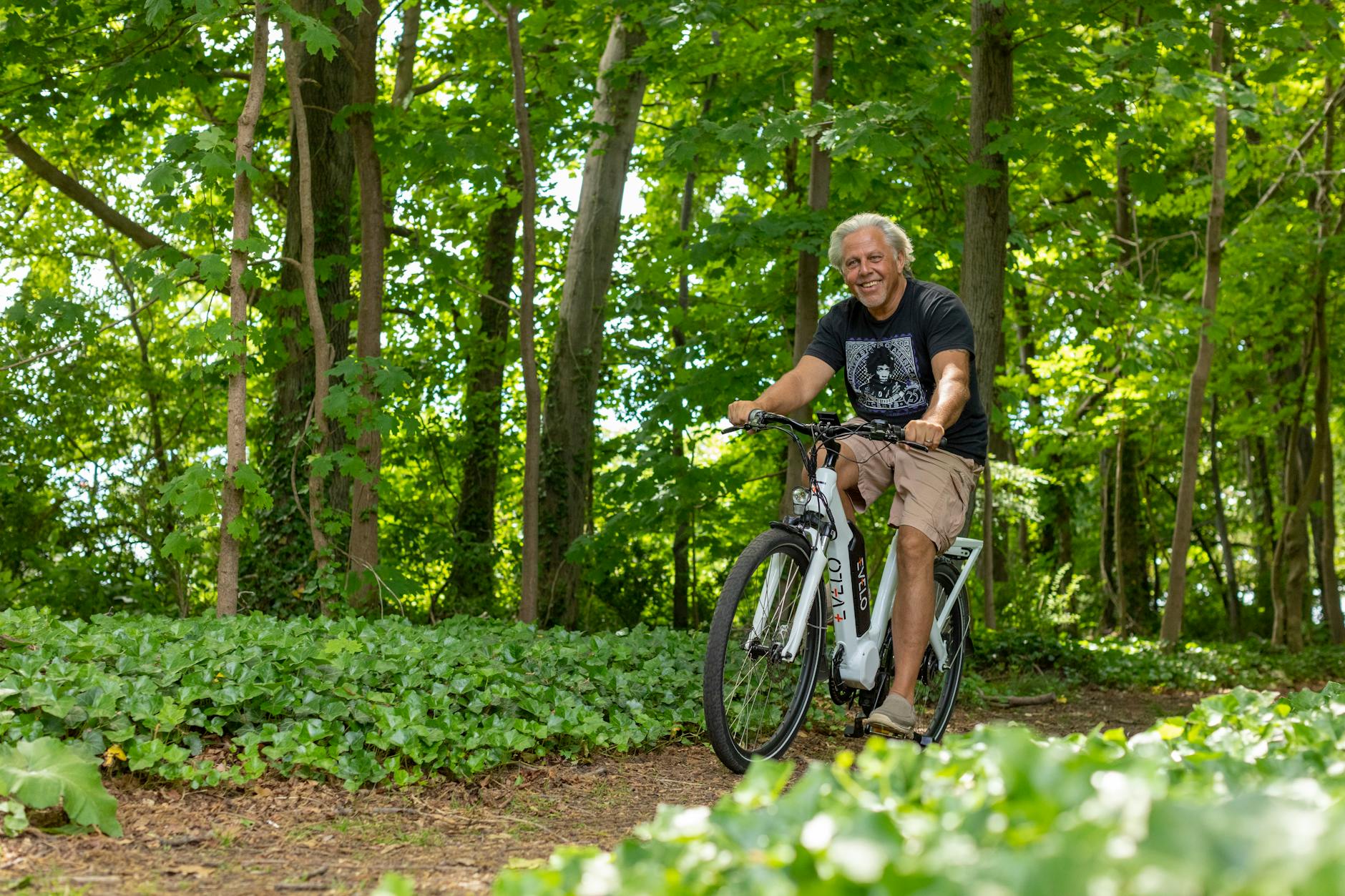
The Glenlivet partnered with local bike manufacturers to develop custom e-bikes featuring whisky barrel wood accents and integrated GPS systems preloaded with distillery information. These specialty bikes, available for multi-day rentals, include panniers designed to safely transport whisky purchases.
Several distilleries report booking increases exceeding 30% since the trail launch, with international visitors particularly drawn to the sustainable tourism model. The combination of outdoor adventure and whisky education appeals to millennials and Gen Z travelers seeking authentic experiences beyond traditional bus tours.
Environmental Impact and Community Benefits
The electric bike network addresses growing concerns about overtourism in Scotland’s whisky regions. By distributing visitors across multiple routes and encouraging longer stays in smaller communities, the initiative reduces pressure on popular destinations while supporting rural economies.
Local communities along the routes report increased business from cycling tourists who stop for meals, accommodation, and supplies. Village shops stock e-bike maintenance supplies, while bed-and-breakfasts offer charging facilities and secure storage for overnight guests.
Environmental benefits extend beyond reduced vehicle emissions. The trail system follows existing paths where possible, minimizing landscape disruption while providing maintenance funding for heritage walking routes. Solar charging stations operate off-grid, demonstrating renewable energy integration in rural settings.
Wildlife conservation groups praise the quiet nature of e-bike tourism, noting reduced disturbance to native species compared to bus tours. The slower travel pace allows visitors to appreciate Scotland’s biodiversity while supporting conservation efforts through trail usage fees.
Similar sustainable tourism initiatives are emerging globally, including Japan’s expansion of bullet train networks to rural areas, demonstrating increasing demand for eco-friendly travel options that connect cultural experiences with environmental responsibility.
Planning Your Electric Whisky Adventure
The trail system operates year-round with seasonal variations in distillery hours and weather-appropriate route recommendations. Summer months offer extended daylight for ambitious multi-distillery days, while winter provides dramatic Highland scenery and cozy fireside tastings.
Booking platforms integrate with accommodation providers, bike rental services, and distillery tour systems to create seamless itineraries. Mobile apps provide real-time updates on weather conditions, charging station availability, and distillery tour schedules.
Package options range from single-day experiences covering 2-3 distilleries to week-long adventures exploring all five route circuits. Guided group tours operate on weekends, while independent travelers can access self-guided resources through dedicated mobile applications.
The success of Scotland’s electric whisky trail signals a broader transformation in heritage tourism, where traditional experiences adapt to modern sustainability expectations. As other whisky-producing regions worldwide observe Scotland’s model, electric bike networks may become standard infrastructure for rural tourism destinations seeking to balance visitor access with environmental protection.
This innovative approach to whisky tourism demonstrates how centuries-old industries can embrace cutting-edge technology to create more sustainable and inclusive travel experiences, setting a precedent for heritage destinations globally.
Frequently Asked Questions
How many distilleries are connected by Scotland’s electric bike whisky trail?
The network connects 15 historic distilleries across Speyside, the Highlands, and Islay through 180 miles of dedicated cycling routes.
Do the electric bike routes include charging stations?
Yes, solar-powered charging stations are positioned every 8-12 miles along the routes, with weather protection and route information at each location.