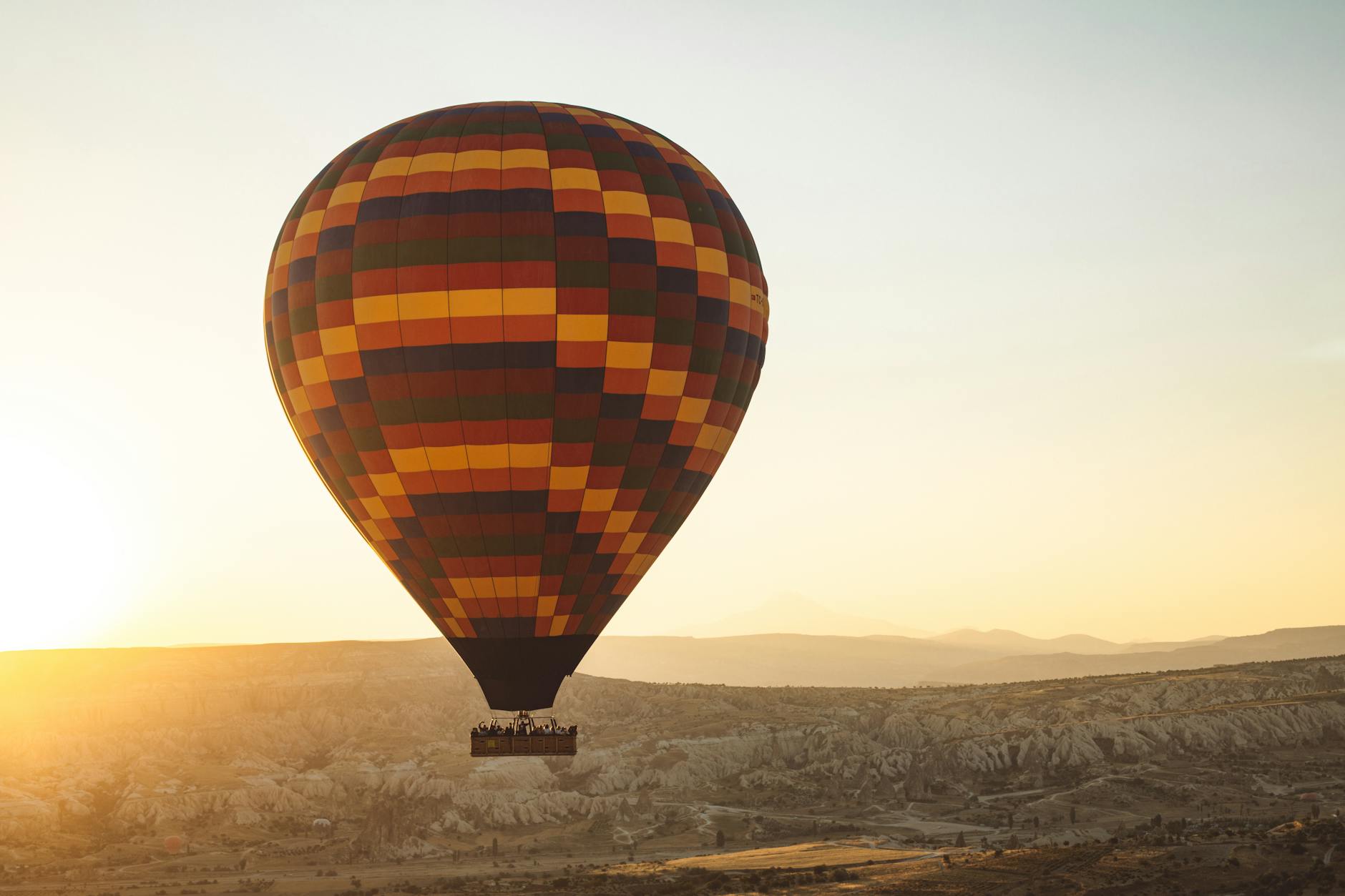

Wildlife enthusiasts can now wake up to lions roaring below their tent before floating over the Great Migration in a wicker basket suspended beneath a rainbow-colored canopy. Tanzania’s Serengeti National Park has launched its first dedicated hot air balloon safari camps, combining aerial wildlife viewing with luxury camping experiences in one of Africa’s most iconic ecosystems.
The new balloon safari camps represent a significant expansion of tourism infrastructure in the Serengeti, offering visitors multi-day packages that center around daily dawn flights over the endless plains. Unlike traditional day-trip balloon rides, these camps provide dedicated accommodation designed specifically for balloon safari guests, with early morning launches directly from camp sites.
Floating Above the Great Migration
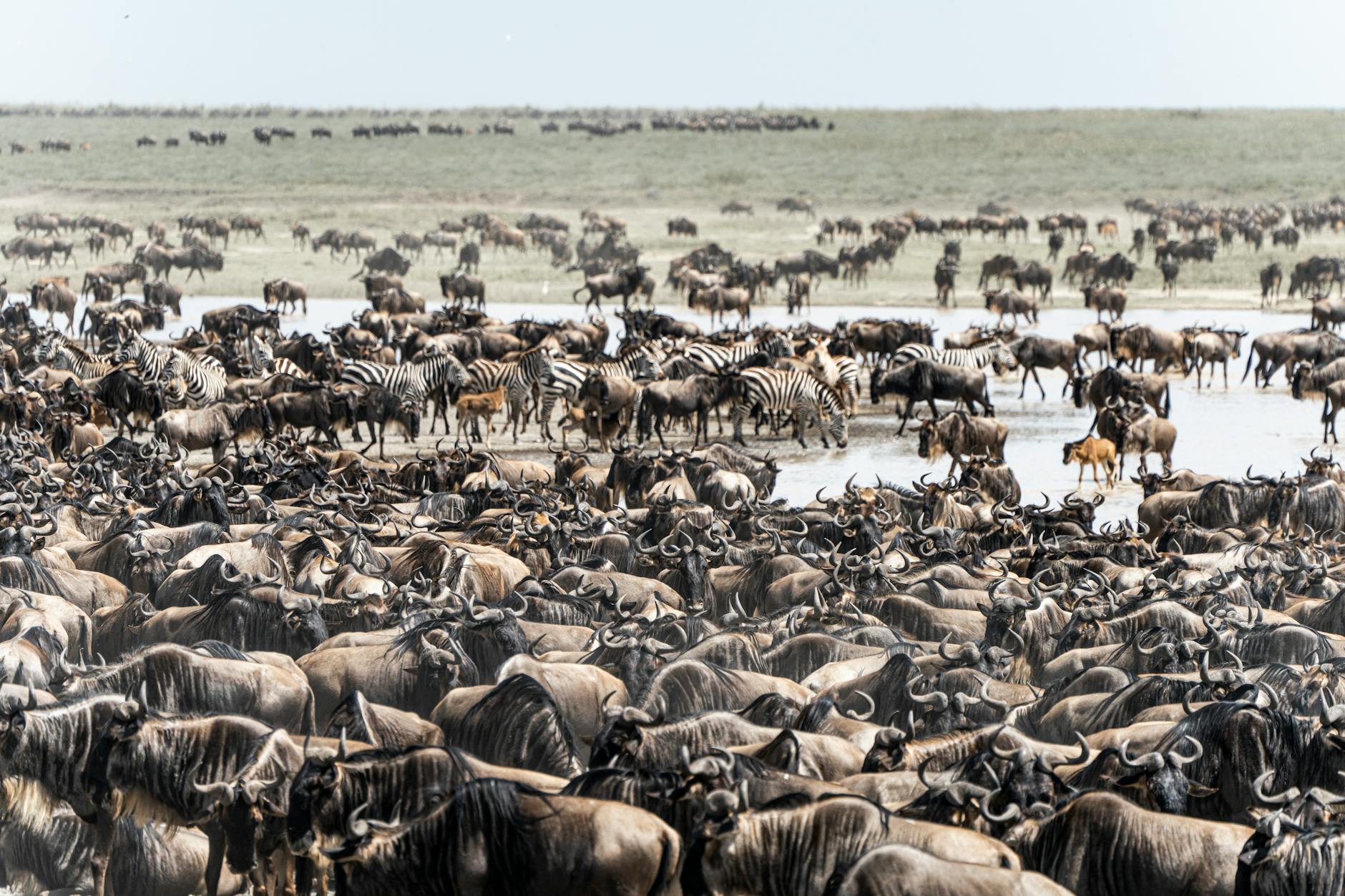
The balloon safari camps operate year-round but reach peak demand during the Great Migration season, when over two million wildebeest, zebras, and gazelles move across the Serengeti-Mara ecosystem. From 1,000 feet above ground, passengers observe the massive herds forming dark rivers across golden grasslands, with predators trailing the migration routes.
Professional balloon pilots guide flights over different sections of the park depending on seasonal animal movements and weather conditions. The one-hour flights typically begin at sunrise, when thermal conditions provide the smoothest ride and wildlife is most active. Passengers often spot elephants bathing at watering holes, giraffe herds browsing acacia trees, and leopards resting on rocky outcrops.
Each balloon carries 8-16 passengers in large wicker baskets with built-in seating and viewing platforms. Safety equipment includes two-way radios for ground communication and GPS tracking systems. Licensed pilots undergo specialized training for wildlife area operations and maintain commercial ballooning certifications.
The camps work with local Maasai communities who provide cultural experiences alongside the balloon activities. Traditional Maasai villages near the camps offer authentic interactions, including warrior demonstrations, traditional music performances, and guided walks to learn about indigenous plant uses and animal tracking techniques.
Luxury Camping Infrastructure
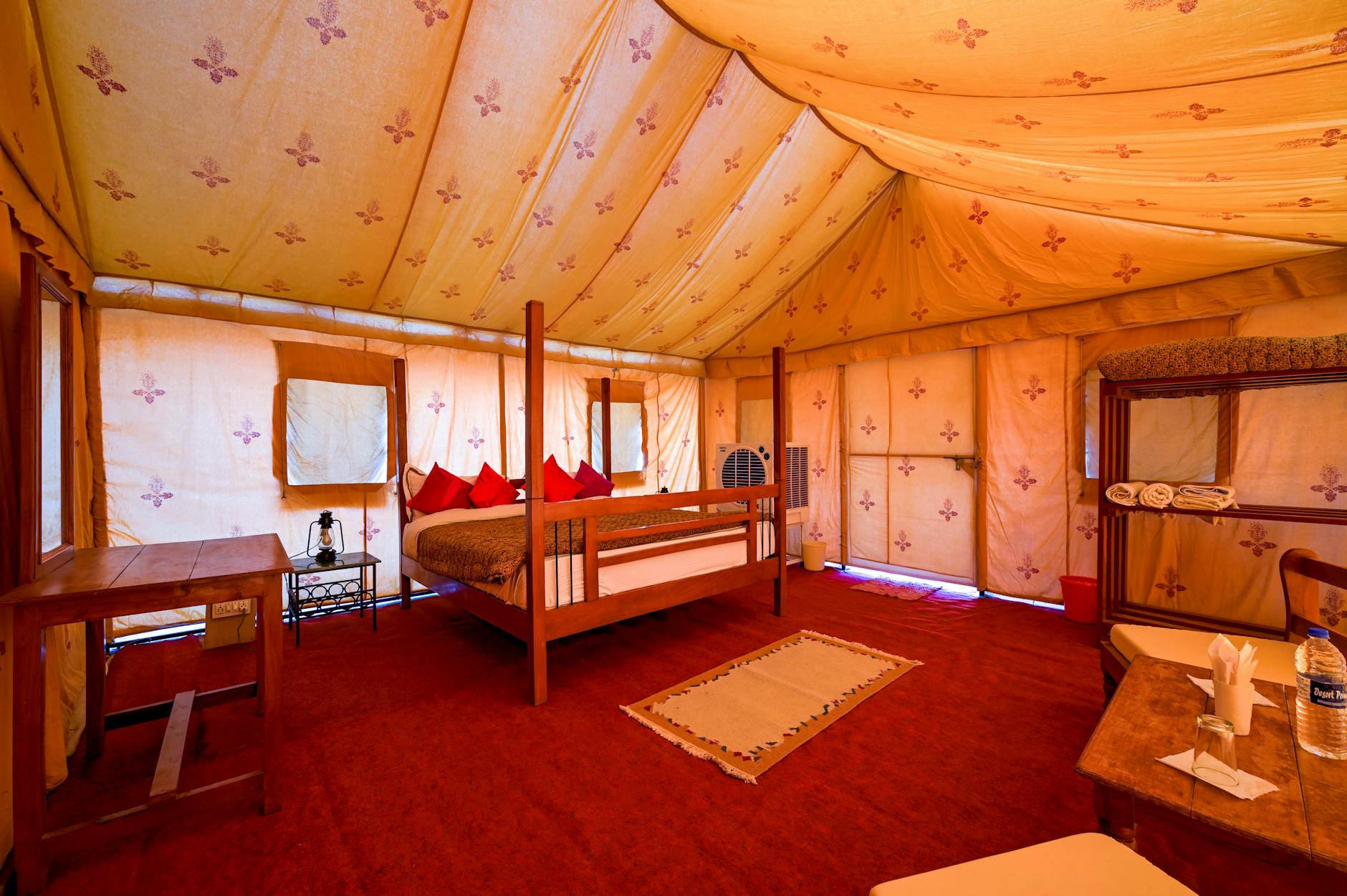
The balloon safari camps feature elevated tent accommodations with panoramic viewing decks overlooking the Serengeti plains. Each camp contains 12-20 spacious canvas tents equipped with private bathrooms, solar-powered lighting, and mosquito netting. Common areas include dining pavilions, fire pit gathering spaces, and observation decks for wildlife viewing between balloon flights.
Professional camp chefs prepare meals using locally sourced ingredients, with special attention to dietary restrictions and preferences. Bush breakfast experiences follow morning balloon flights, with champagne toasts and traditional English breakfast served at scenic locations where balloons land. Evening meals feature both international cuisine and regional specialties like grilled tilapia and ugali.
The camps operate entirely on renewable energy systems, using solar panels and backup generators for essential services. Water comes from deep boreholes with filtration systems, and waste management follows strict environmental protocols to minimize impact on the ecosystem. Camp locations rotate seasonally to reduce environmental stress on any single area.
Guest services include professional photography assistance, with camp guides helping capture optimal shots during balloon flights and ground-based game drives. Equipment rental provides professional-grade cameras and telephoto lenses for wildlife photography. Daily game drives complement balloon activities, offering ground-level wildlife encounters and tracking opportunities.
Conservation and Community Impact
The balloon safari camps contribute directly to Serengeti conservation through park fees and community development programs. A portion of camp revenues supports anti-poaching initiatives, wildlife monitoring projects, and habitat restoration efforts. The Tanzania Wildlife Management Authority oversees all camp operations to ensure compliance with conservation standards.
Local employment opportunities span multiple skill levels, from balloon crew positions to hospitality management roles. The camps provide training programs for local staff in ballooning operations, wilderness first aid, and hospitality services. Community partnerships extend beyond employment to include local business development and cultural preservation initiatives.
Environmental monitoring systems track wildlife behavior around camp areas to ensure balloon operations don’t disrupt natural patterns. Flight paths avoid sensitive breeding areas during calving seasons, and altitude restrictions protect nesting birds. Regular environmental impact assessments guide operational adjustments to maintain ecosystem balance.
Research partnerships with international wildlife organizations use balloon platforms for aerial surveys and population monitoring. High-resolution cameras mounted on balloons assist scientists in tracking migration patterns, identifying individual animals, and monitoring habitat changes over time.
Booking and Seasonal Considerations
The balloon safari camps operate on advance reservation systems, with peak season bookings (June through October) requiring 6-12 months advance planning. Package prices include accommodation, all meals, daily balloon flights, ground-based game drives, and cultural activities. International guests typically combine balloon safari camp stays with broader Tanzania itineraries including Mount Kilimanjaro treks or Zanzibar beach extensions.
Weather conditions determine daily flight operations, with camps maintaining flexible scheduling to accommodate wind patterns and seasonal storms. The dry season offers optimal ballooning conditions with clear visibility and predictable thermal patterns. Wet season operations provide unique perspectives on the landscape but may include more frequent weather delays.
Similar luxury adventure tourism developments are emerging across East Africa, with Mongolia’s Gobi Desert launching nomadic herding experience tourism programs and Bhutan opening its first public hiking trails after decades of restricted access. These developments reflect growing demand for immersive wildlife experiences that combine adventure activities with luxury amenities.
Transportation logistics include charter flights from Arusha or scheduled connections through regional airstrips. Ground transfers from airstrips to camps typically require 4×4 vehicles due to remote locations and seasonal road conditions. International visitors commonly arrive through Julius Nyerere International Airport in Dar es Salaam or Kilimanjaro International Airport near Arusha.
The balloon safari camps represent Tanzania’s commitment to diversifying tourism offerings while maintaining strict conservation standards. As demand for unique wildlife experiences continues growing globally, these camps position the Serengeti as a premier destination for luxury adventure travel, offering perspectives on African wildlife that ground-based safaris cannot match.
Frequently Asked Questions
When is the best time to visit Serengeti balloon safari camps?
Peak season runs June through October during the Great Migration, requiring advance booking of 6-12 months.
What’s included in balloon safari camp packages?
Packages include accommodation, all meals, daily balloon flights, game drives, and cultural activities with local Maasai communities.