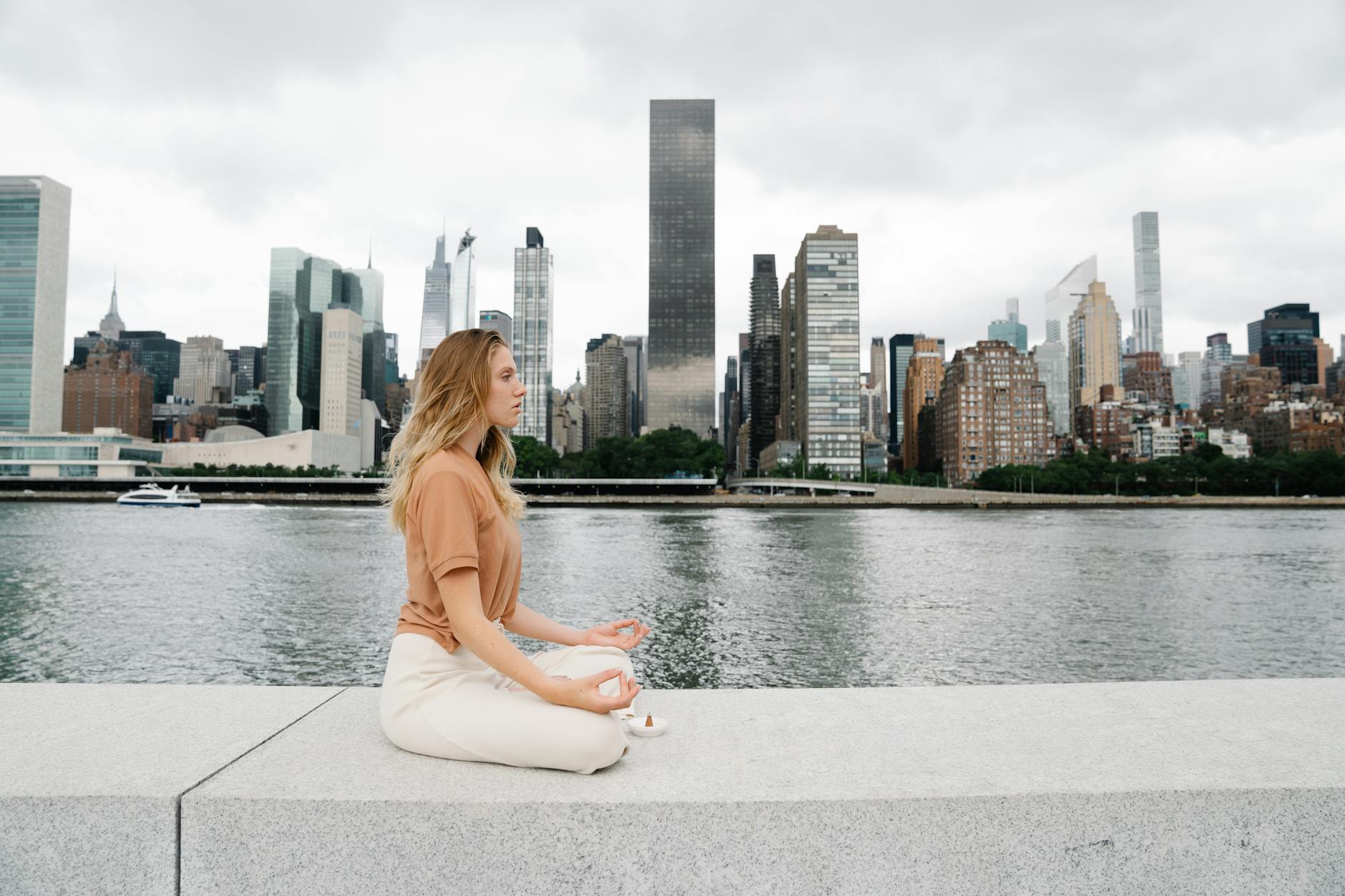

Wall Street’s newest must-have isn’t a luxury watch or bespoke suit – it’s a personal meditation teacher who charges $300 per hour and makes house calls to corner offices. Investment bankers, once notorious for their “sleep when you’re dead” mentality, are quietly revolutionizing how they handle the crushing pressure of 80-hour weeks and multi-million dollar deals.
The trend started gaining momentum in 2023 when several prominent Manhattan-based investment firms began offering meditation as part of their wellness programs. But high-performing bankers wanted more than group sessions squeezed between client calls. They demanded personalized instruction that could adapt to their unpredictable schedules and intense work demands.
The Premium Price of Inner Peace
Private meditation instructors for finance professionals command rates typically ranging from $200 to $500 per hour-long session. Top-tier teachers who specialize in executive coaching can charge up to $800 for intensive workshops designed around trading floor schedules. These aren’t your typical mindfulness apps or generic wellness coaches – they’re certified professionals with advanced training in neuroscience, stress physiology, and high-performance psychology.
Sarah Chen, a former Goldman Sachs analyst turned certified meditation instructor, reports a 400% increase in client requests from investment banking professionals since 2022. “These aren’t people looking for spiritual awakening,” Chen explains. “They want measurable results: better focus during 16-hour merger negotiations, improved decision-making under pressure, and faster recovery from high-stress periods.”
The appeal lies in customization. Private teachers develop meditation protocols specifically for traders who need to center themselves between volatile market swings, or analysts preparing for grueling client presentations. Sessions often happen in office conference rooms before market open, during lunch breaks, or even via video call from hotel rooms during business travel.
Science Meets Strategy
The meditation techniques being taught aren’t traditional seated practice. Investment bankers are learning tactical breathing methods they can deploy during heated board meetings, micro-meditations that work in 3-minute windows between calls, and visualization exercises designed to enhance analytical thinking under pressure.
Research from Harvard Business School shows that regular meditation practice can improve cognitive flexibility by up to 30% and reduce stress-related decision fatigue. For investment bankers managing portfolios worth hundreds of millions, these cognitive improvements translate into measurable performance advantages.
Dr. Michael Rodriguez, who teaches meditation to executives at several major investment firms, focuses on what he calls “performance meditation.” His clients learn to use breath control to maintain clarity during complex financial modeling, and practice visualization techniques that help them stay composed during high-stakes client negotiations.

The practice is becoming so embedded in finance culture that some investment banks are incorporating meditation training into their analyst programs. JPMorgan Chase and Bank of America have both expanded their wellness offerings to include mindfulness coaching, though many senior bankers still prefer private instruction to avoid any perception that they need stress management help.
Adapting Ancient Practices for Modern Pressure
Traditional meditation asks practitioners to sit quietly and observe their thoughts. Private teachers working with investment bankers have adapted these techniques for the realities of finance work. They teach “stealth meditation” – practices that can be done while reviewing spreadsheets, walking between meetings, or even during conference calls on mute.
Amanda Foster, who leads meditation sessions for managing directors at two major investment banks, developed what she calls “deal flow breathing.” The technique helps bankers maintain focus during marathon due diligence sessions and recover quickly between back-to-back client meetings. Her clients report improved stamina during long work stretches and better emotional regulation when deals fall through.
The techniques often blend meditation with cognitive behavioral therapy principles. Bankers learn to recognize stress patterns that affect their judgment, practice mental exercises that improve their ability to process complex financial information, and develop coping strategies for the inevitable ups and downs of market volatility.

Some meditation teachers are even adapting their instruction to the specific pressures of different banking divisions. Traders learn different techniques than mergers and acquisitions specialists, and risk management professionals practice different exercises than wealth management advisors. The customization extends to timing – early morning sessions for traders who need to be sharp for market open, late evening sessions for bankers working on international deals.
The Future of High-Stress Wellness
The growth of private meditation instruction among investment bankers reflects a broader shift in how high-performing professionals approach mental health and peak performance. Similar to how successful executives are incorporating breathing techniques into their video conference routines, meditation is being repositioned from spiritual practice to performance enhancement tool.
Industry observers expect this trend to expand beyond investment banking into other high-pressure professional fields. Law firms, consulting companies, and private equity groups are already inquiring about specialized meditation instruction for their senior staff.
The pandemic accelerated acceptance of mental health resources in traditionally tough professional environments. What once might have been seen as weakness is now viewed as strategic advantage. Investment banks that were once skeptical of wellness programs are now competing to offer the most comprehensive mental health resources to attract and retain top talent.
As financial markets become increasingly complex and volatile, the ability to maintain mental clarity under extreme pressure becomes even more valuable. Private meditation teachers are positioning themselves not as spiritual guides, but as performance coaches who help investment bankers optimize their most important asset: their decision-making capability under stress.
Frequently Asked Questions
How much do private meditation teachers charge investment bankers?
Private meditation instructors for finance professionals typically charge $200-$500 per hour, with top specialists commanding up to $800 for intensive workshops.
What meditation techniques work best for high-pressure finance jobs?
Investment bankers learn tactical breathing methods, micro-meditations for 3-minute breaks, and visualization exercises designed to enhance analytical thinking under pressure.